
Mölders above the columns — 18 May
, 27, has commanded 'Pik As', a fighter group equipped with Bf 109s, since autumn 1939. A veteran of the in Spain, where he developed the Schwarm formation (the "four-finger patrol" adopted by every air force), he is one of the most respected fighter tacticians in the Luftwaffe and already has a long string of aerial victories by May 1940.
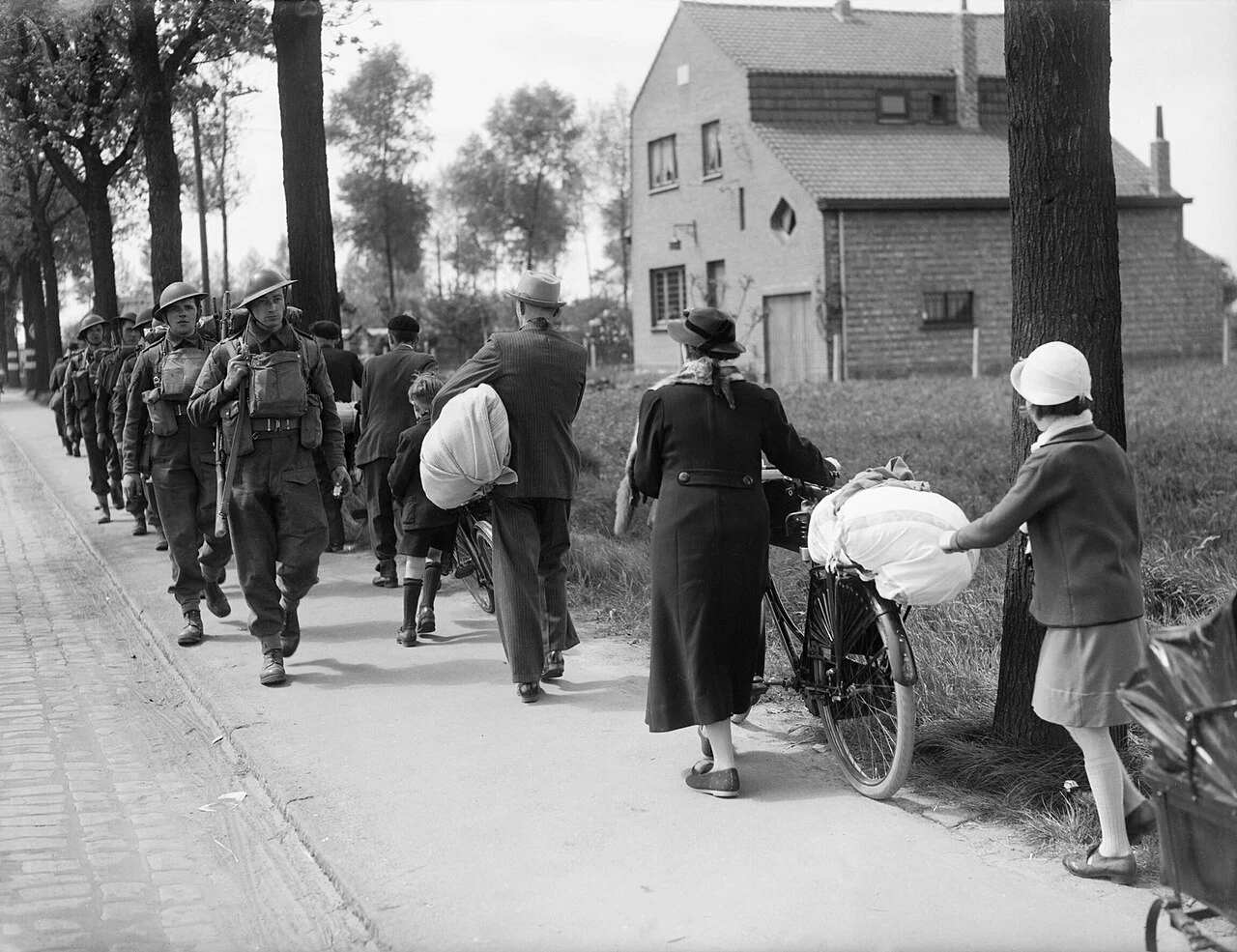
Since 10 May, the German breakthrough has been sweeping west. German fighters practise Freie Jagd, "free hunting": they sweep the skies in search of Allied aircraft, but can also dive on targets of opportunity on the ground. And the roads of northern France are saturated. Retreating Allied military columns mingle with endless files of civilian refugees, often impossible to distinguish from altitude.
This 18 May, above the Saint-Quentin region, Mölders's group spots a long column on a straight road. Nothing indicates with certainty whether it is troops, civilians or both mingled together. The group leader must decide what his fighters will do with this target.
Should you strafe a column when you cannot tell whether it is military or civilian?
In the practice of the campaign, option A most often prevailed: German fighters and dive-bombers extensively attacked road axes, and the strafing of columns mixing soldiers and refugees is abundantly attested. Mölders himself pursued mainly fighters: promoted Hauptmann on 27 May 1940 after his twentieth confirmed victory, he received the Knight's Cross and became a propaganda figure. A practising Catholic, he would leave the reputation of an officer mindful of certain limits, without exonerating the air arm of its role in attacks on civilians. His memory is bitterly debated in Germany: long held up as a tutelary hero of fighter aviation, since the 2000s he has been the subject of controversies over the meaning to give his name in military traditions. The strafing of the roads of 1940 never gave rise to prosecutions.
Learn more about this event
Related polls
10
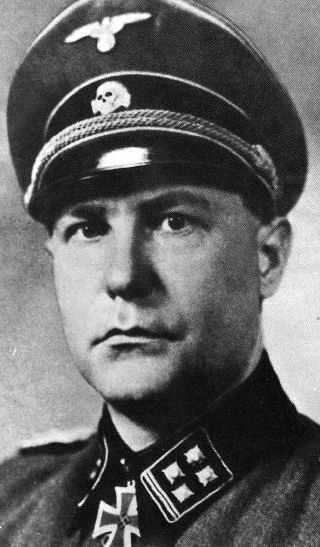
Le Paradis — the barn at Cornet-Malo
Wormhoudt — the 7th company SS-LAH
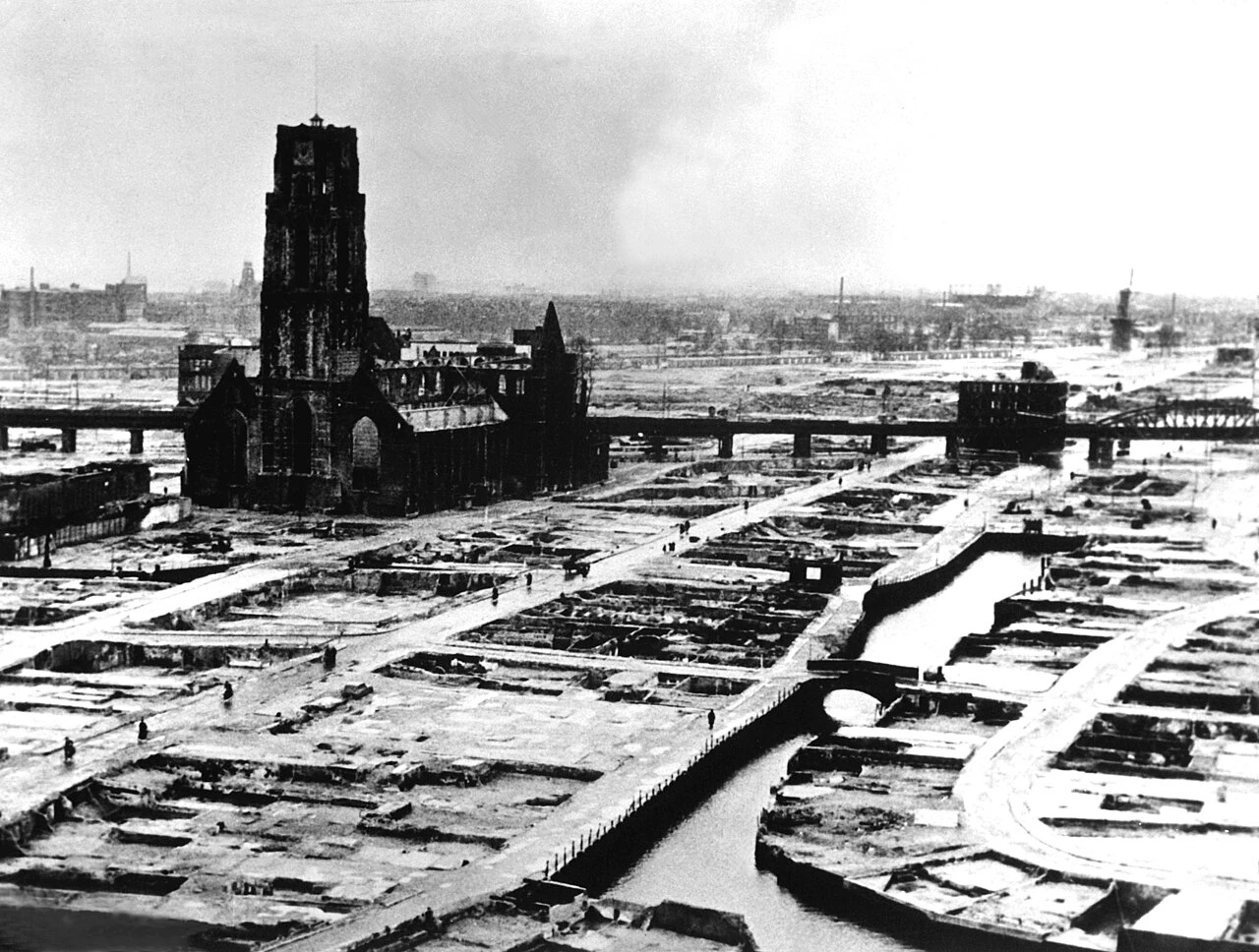
Rotterdam under the threat from the air
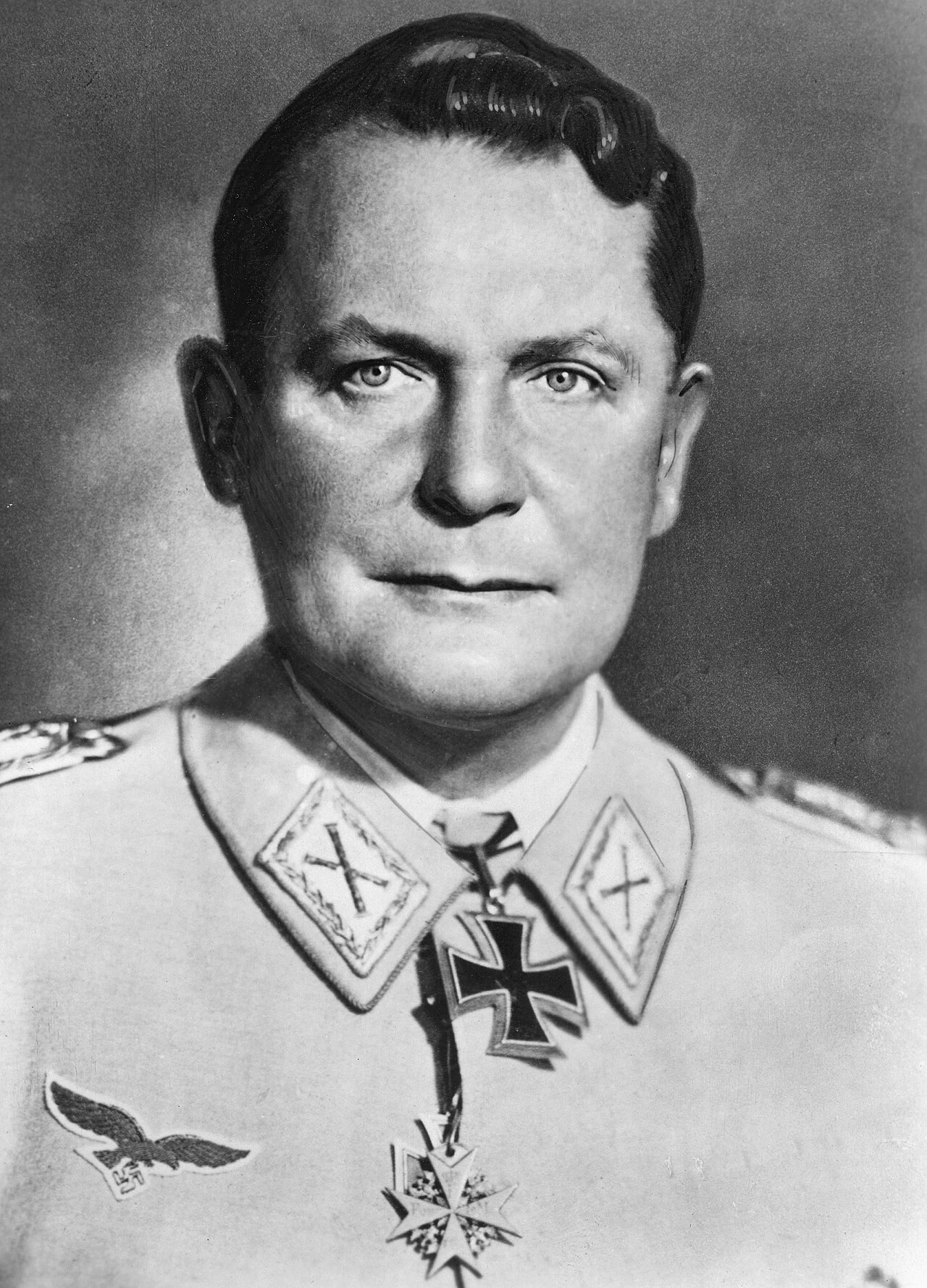
Goering at Carinhall — the promise to Hitler
The deluge of Stukas over Sedan
Osterkamp dares to contradict Göring
Rommel before the Serre — the Crécy bridge
Smushkevich — report to Stalin
Abbeville — the roads under the fighters
Heydrich — the Conference of 21 September
Le Paradis — the barn at Cornet-Malo
Wormhoudt — the 7th company SS-LAH
Rotterdam under the threat from the air
Goering at Carinhall — the promise to Hitler
The deluge of Stukas over Sedan
Osterkamp dares to contradict Göring
Rommel before the Serre — the Crécy bridge
Smushkevich — report to Stalin
Abbeville — the roads under the fighters