
Göring at Cap Gris-Nez — September 7
Since mid-August 1940, 's Luftwaffe has been hammering the airfields and radar stations of British Fighter Command in the south-east of England. Losses are heavy on both sides, but the wearing down of British fighters and pilots seriously worries the opposing commander-in-chief, . Air superiority — the condition Hitler set for any invasion — seems within reach.
Yet on the night of August 24-25, lost German bombers dropped their loads on London; the RAF retaliated by bombing Berlin, publicly humiliating Göring, who had sworn that the Reich's capital would remain untouchable. Hitler, furious, now threatens to "wipe out" the English cities.
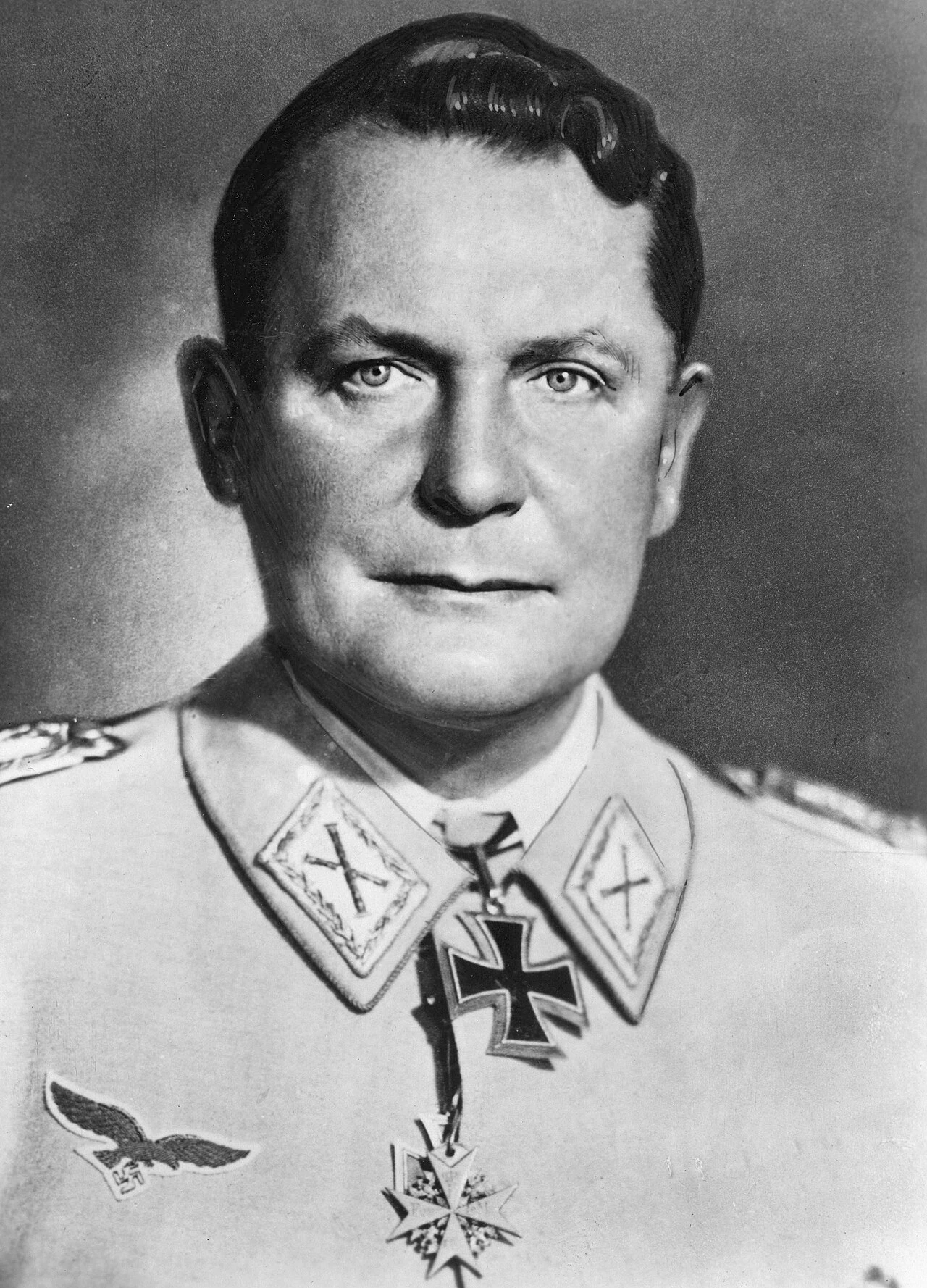
On September 7, Göring goes in person to Cap Gris-Nez to settle the direction of the offensive. The strategic question is clear: should the Luftwaffe keep strangling Fighter Command on its airfields, or shift the main effort onto London — to break British morale and, it is hoped, force the RAF into a decisive battle in defense of the capital?
Should Göring keep up the pressure on airfields, or make London the main target?
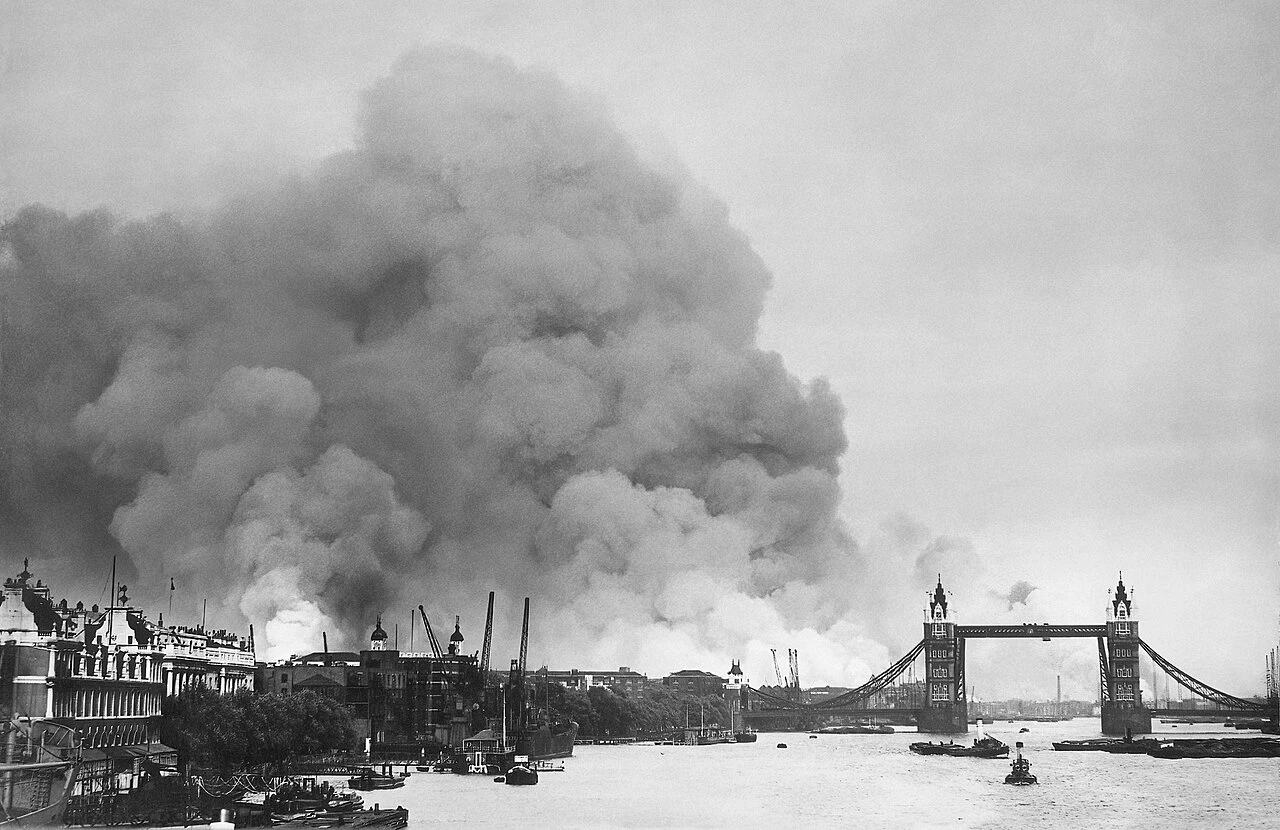
Göring opts for B. On the afternoon of September 7 — "Black Saturday" — nearly a thousand aircraft sweep over the docks of London's East End, opening the Blitz. The switch paradoxically relieves Fighter Command, whose airfields are spared just when they were most stretched, and lets it rebuild. The bet of breaking London fails: the city absorbs the blows, and the RAF, far from being destroyed, inflicts heavy losses on the Luftwaffe eight days later. The September 7 swing is today considered by historians as one of the great German strategic errors of 1940; the Blitz itself will last until May 1941 and kill more than 40,000 British civilians.
Learn more about this event
Related polls
10
Adlertag — which targets?
Göring's promise — Operation Adler
Galland over the Estuary
Eagle Day
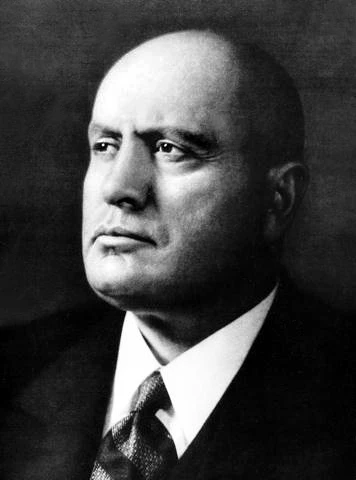
Mussolini, the Duce and the "Fait Accompli" — Rome, 15 October 1940
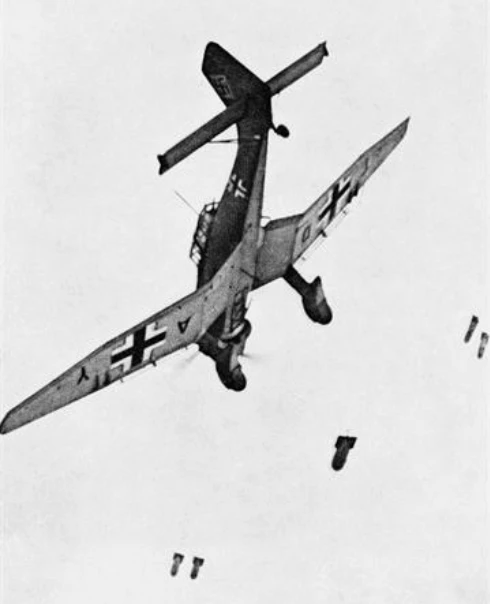
Withdrawing the Stukas
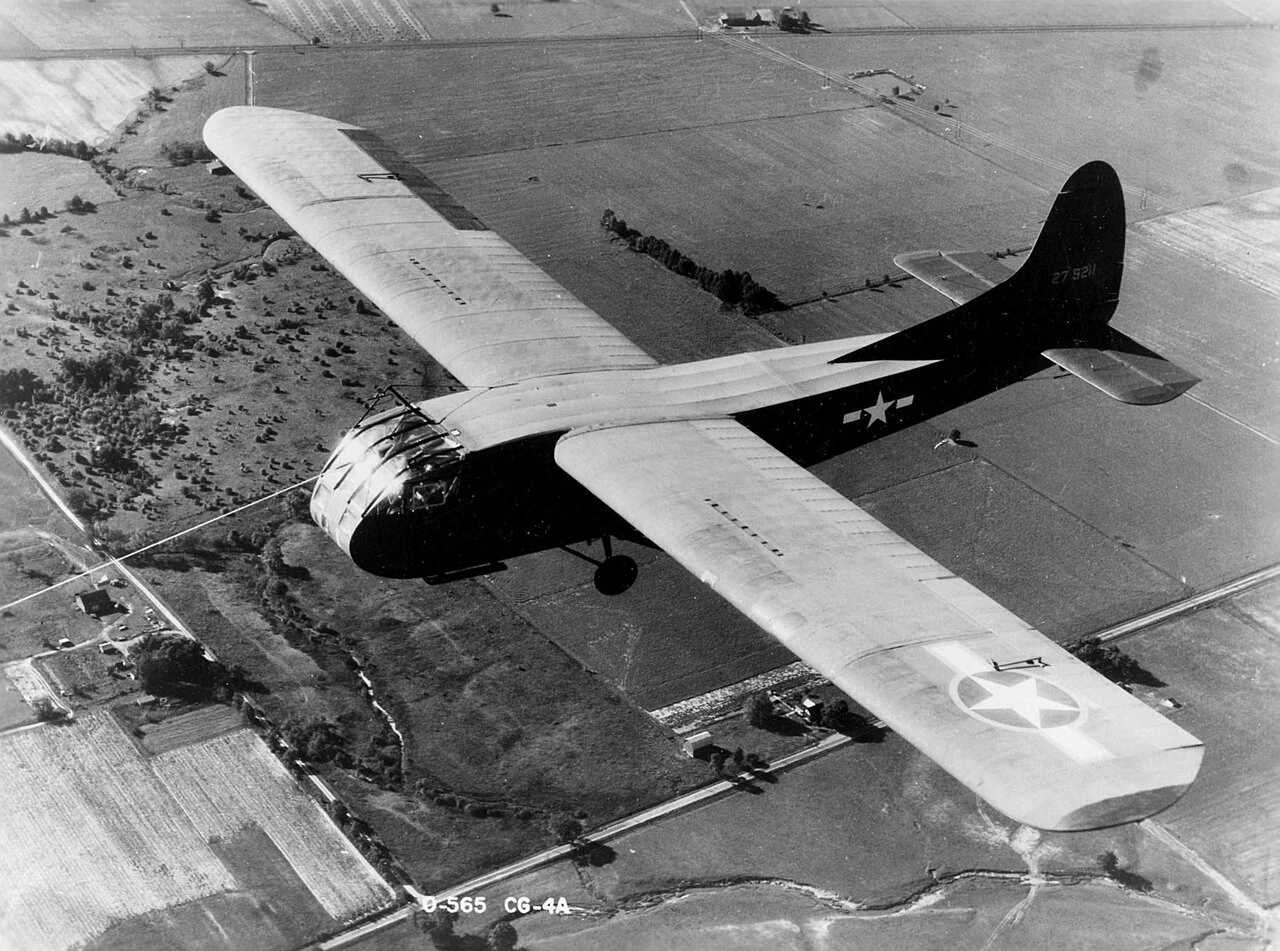
The coup de main on Ében-Émael
The doctrine of terror bombing
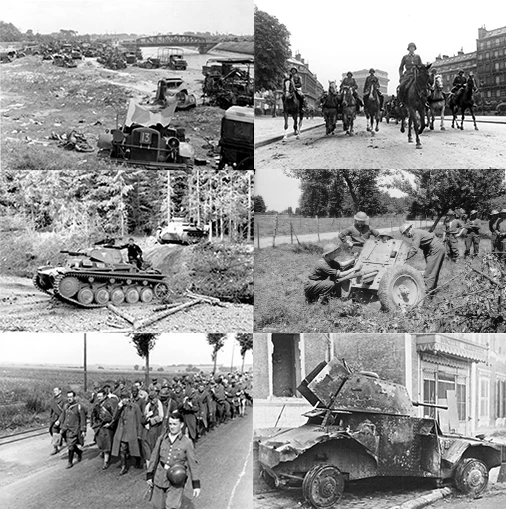
Fall Gelb — the order of 9 May 20:00
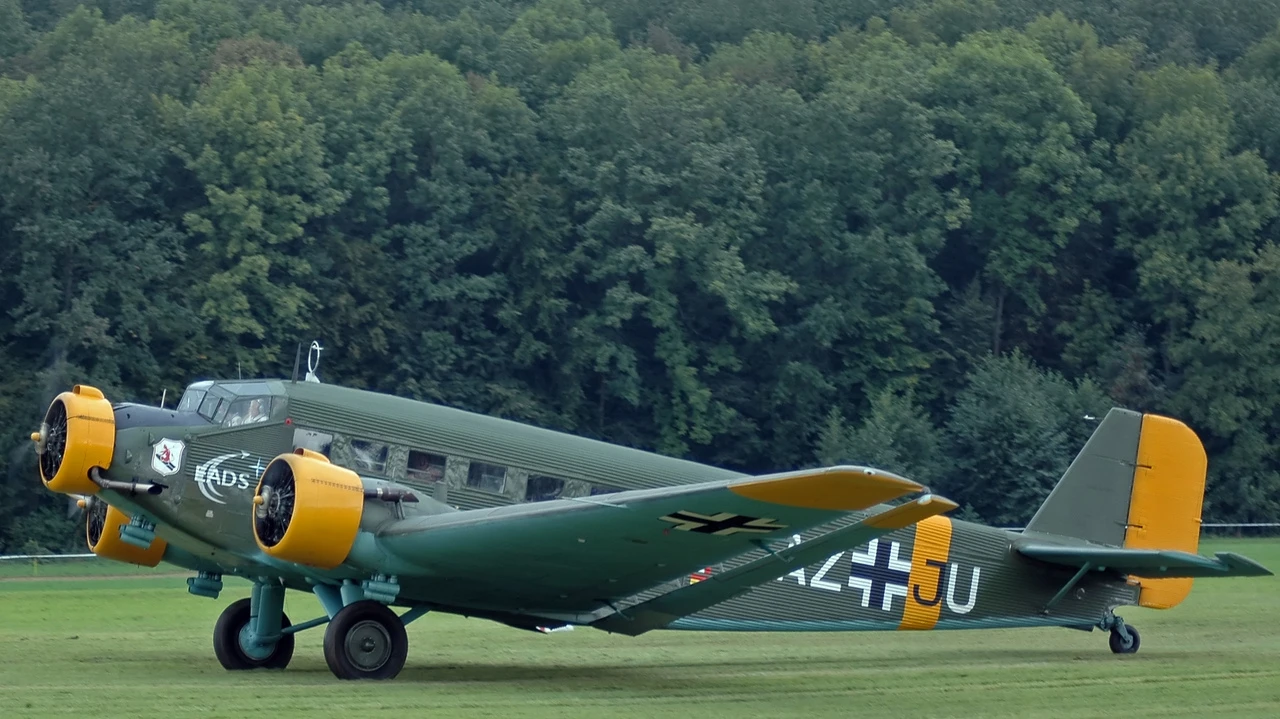
Fornebu — the transports under fire
Adlertag — which targets?
Göring's promise — Operation Adler
Galland over the Estuary
Eagle Day
Mussolini, the Duce and the "Fait Accompli" — Rome, 15 October 1940
Withdrawing the Stukas
The coup de main on Ében-Émael
The doctrine of terror bombing
Fall Gelb — the order of 9 May 20:00