
Taranto — the night of the Swordfish
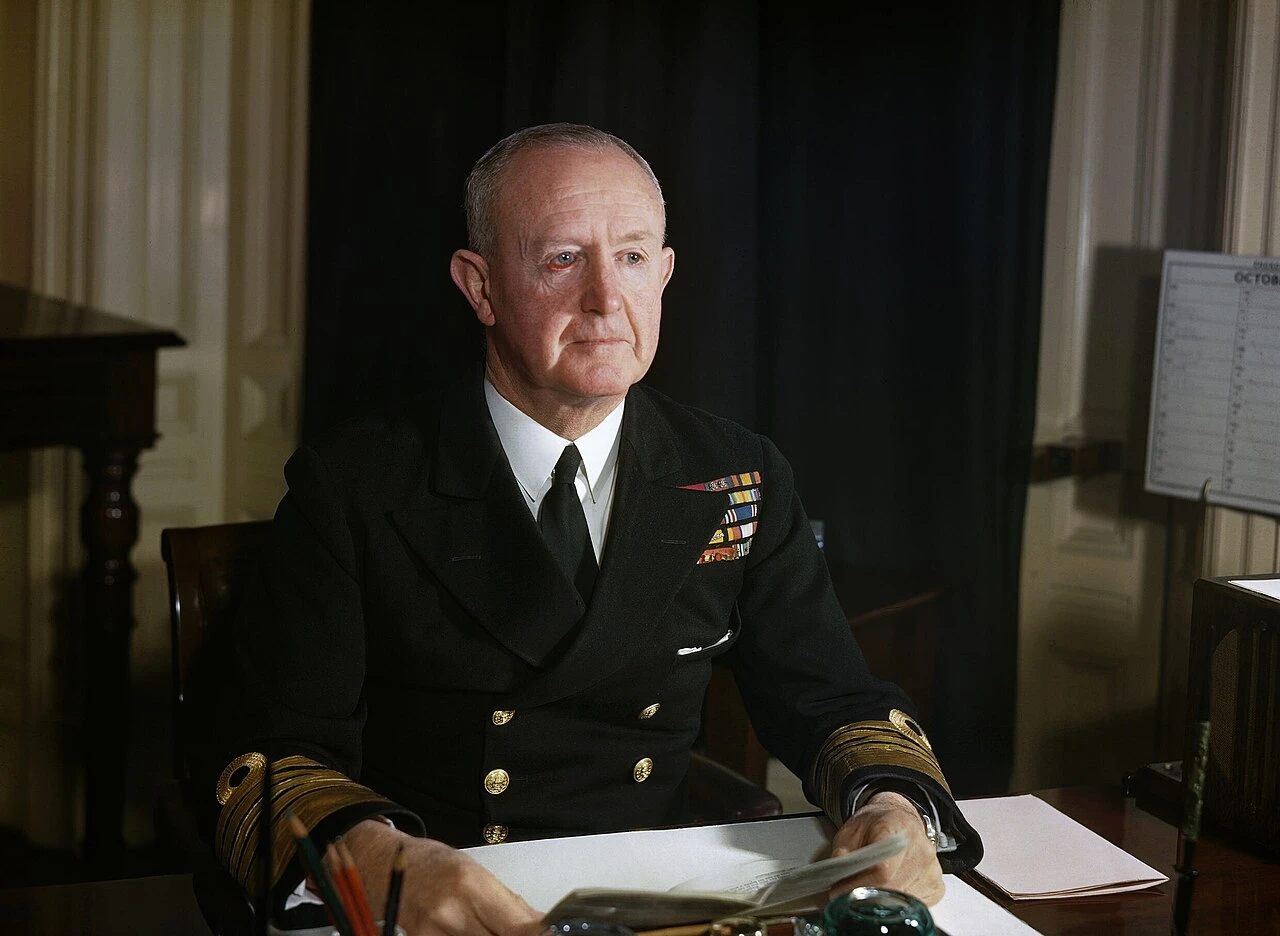
In the autumn of 1940, the Italian Regia Marina, with its fast battleships, threatens British communications in the Mediterranean — vital for supplying Malta and Egypt. Admiral , Commander-in-Chief of the British Mediterranean Fleet, is looking to neutralize this fleet, which avoids battle by staying sheltered in its bases.
The main one is the port of Taranto, at the "heel" of Italy, where most of the Italian battleships ride at anchor, protected by nets, balloons and heavy anti-aircraft fire. Rear-Admiral Lyster has put forward a daring idea, matured for years: strike the fleet at its moorings with a night air attack launched from an aircraft carrier, HMS Illustrious.
The weapon is frail: old Fairey Swordfish biplane torpedo bombers, slow and fragile, would have to attack at night a port bristling with defenses, 400 km from their carrier. The risk of heavy losses is real, and a night attack on ships in harbor has never been attempted. Cunningham must decide: launch Operation Judgment, postpone it for lack of guarantees, or stick to a blockade strategy.
Should Cunningham launch the night carrier raid on Taranto?
Cunningham approves A. On the night of November 11-12, 1940, some twenty Swordfish from Illustrious, in two waves, attack Taranto with torpedoes and bombs. For the loss of only two aircraft, they knock out three battleships: the Conte di Cavour (never returned to service), the Caio Duilio and the new Littorio (immobilized for months). In one night, half of the Italian battle fleet is neutralized and the naval balance tips in the Mediterranean. Taranto demonstrates the power of naval air against a fleet in port: the Japanese staff will study it closely to prepare the attack on Pearl Harbor a year later. Cunningham will declare that this night proved once and for all the value of the Fleet Air Arm.
Learn more about this event
Related polls
10
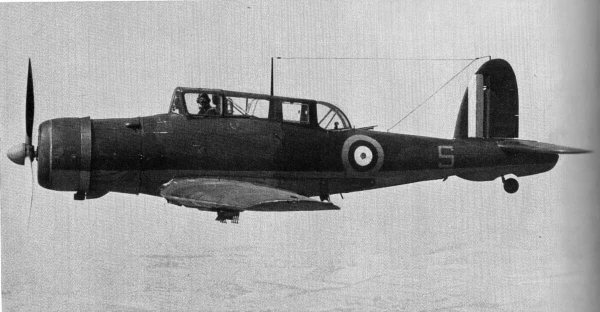
Bergen — the Skuas at extreme range

Force H — a raid in Italian waters
Excess: getting the convoy through under a new threat
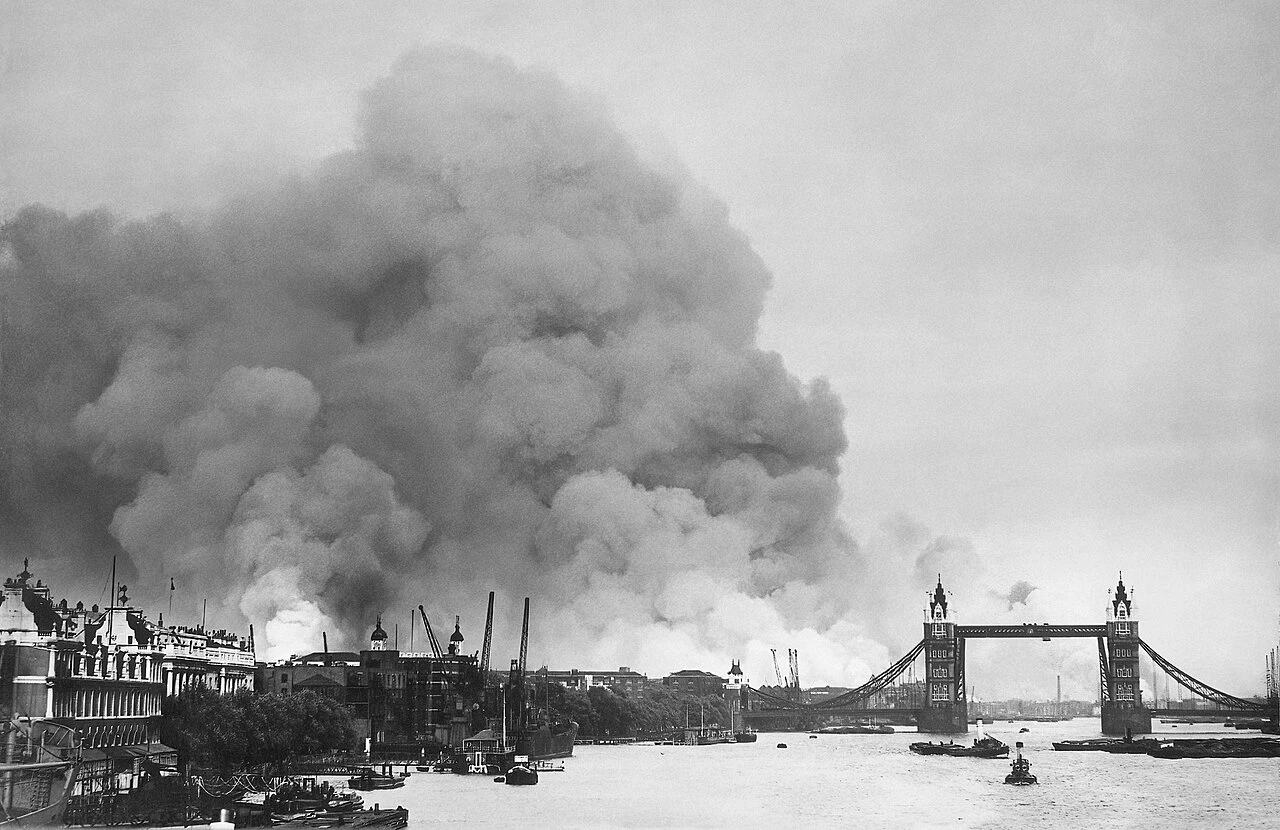
Adlertag — which targets?
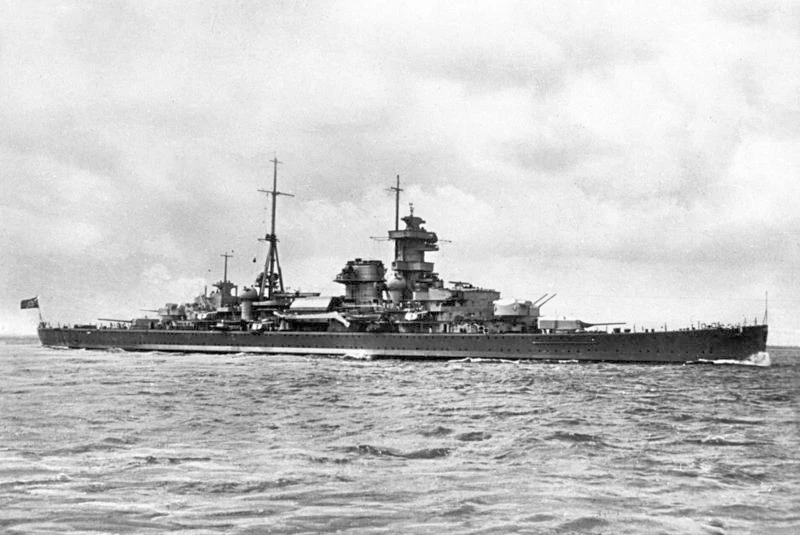
An unescorted convoy in the grey morning
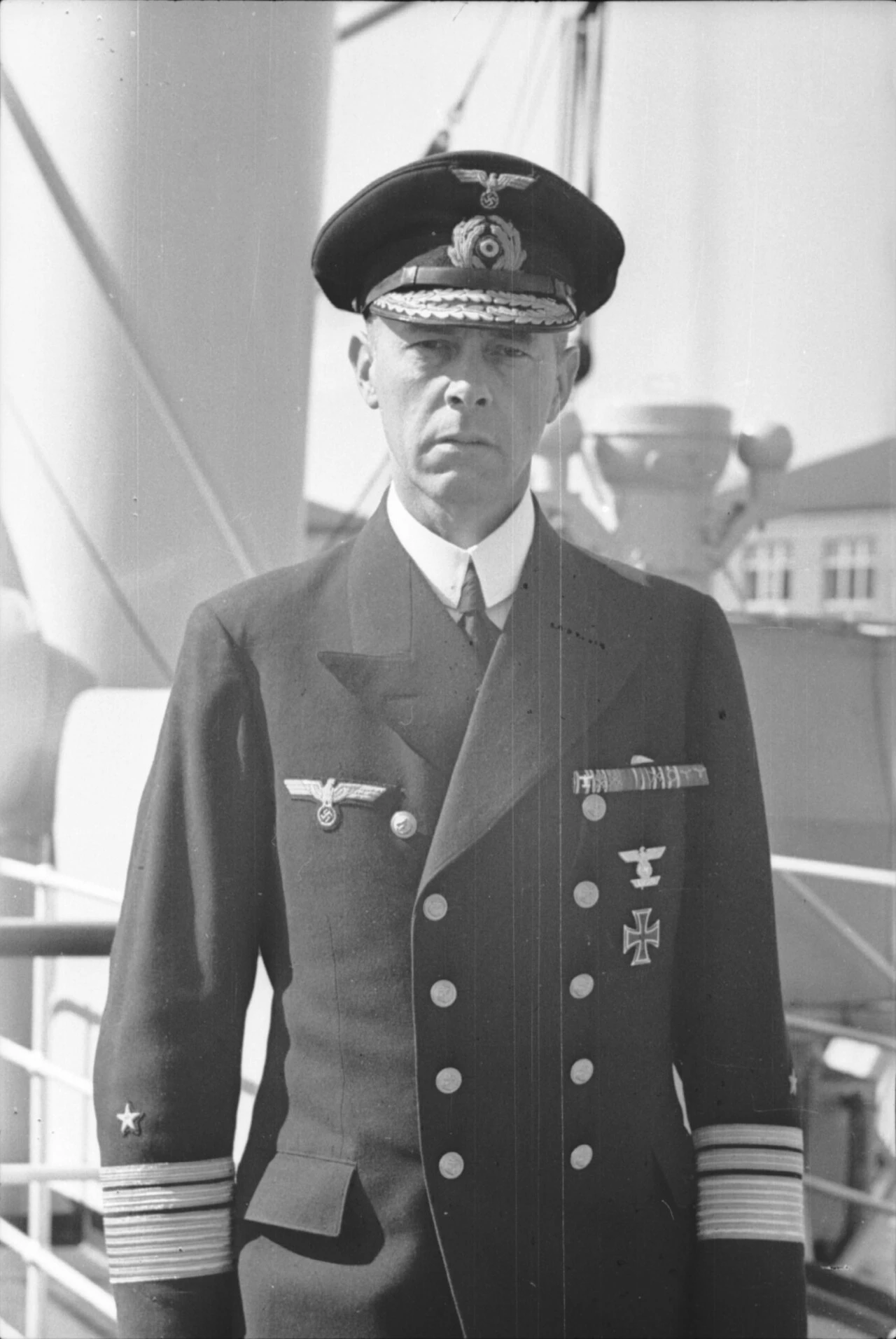
An escort battleship on the convoy's route
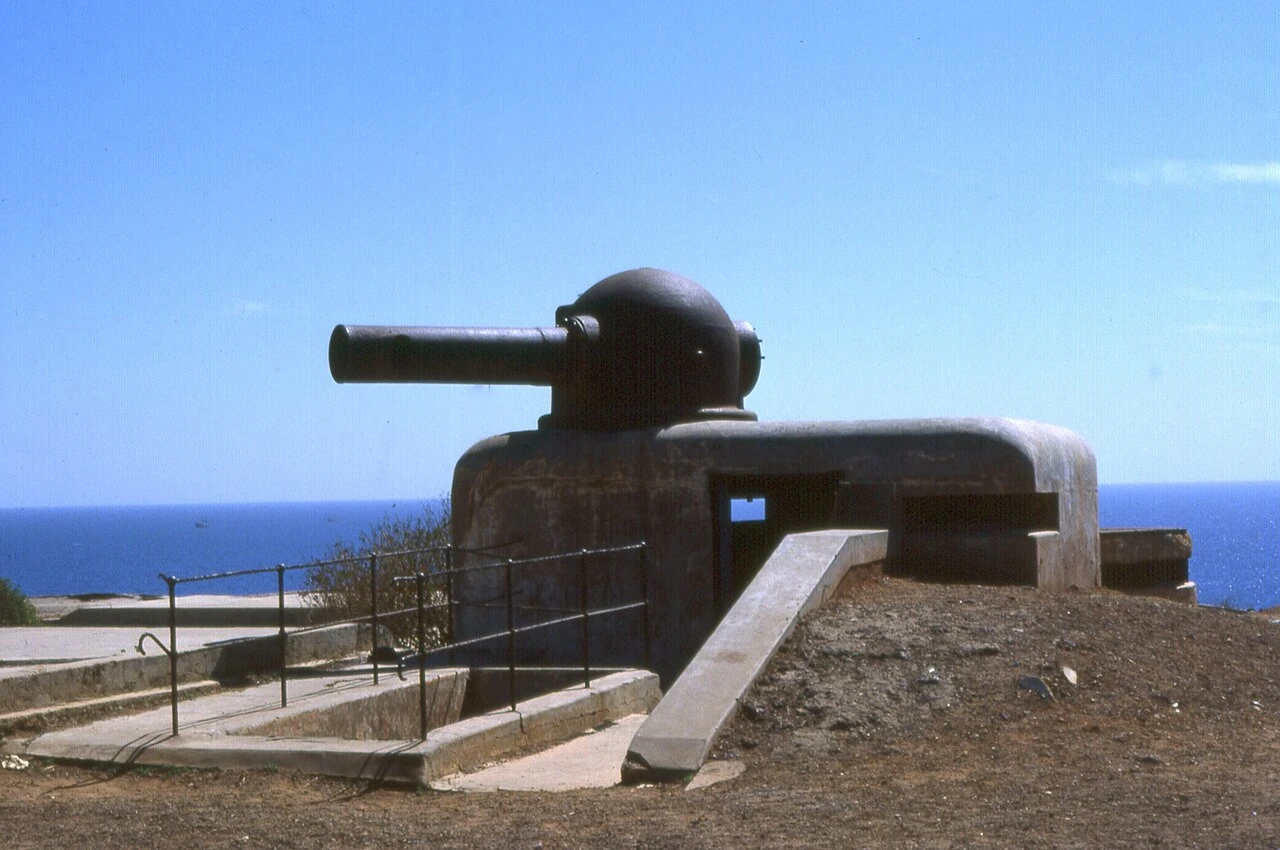
Dakar — de Gaulle and Operation Menace
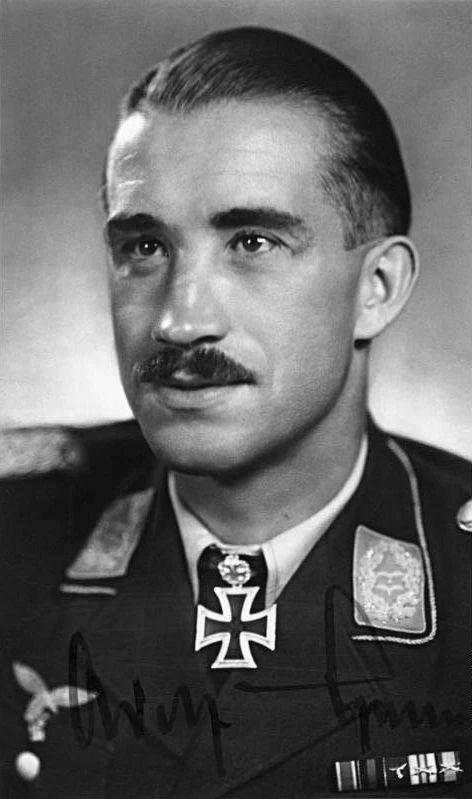
Galland over the Estuary
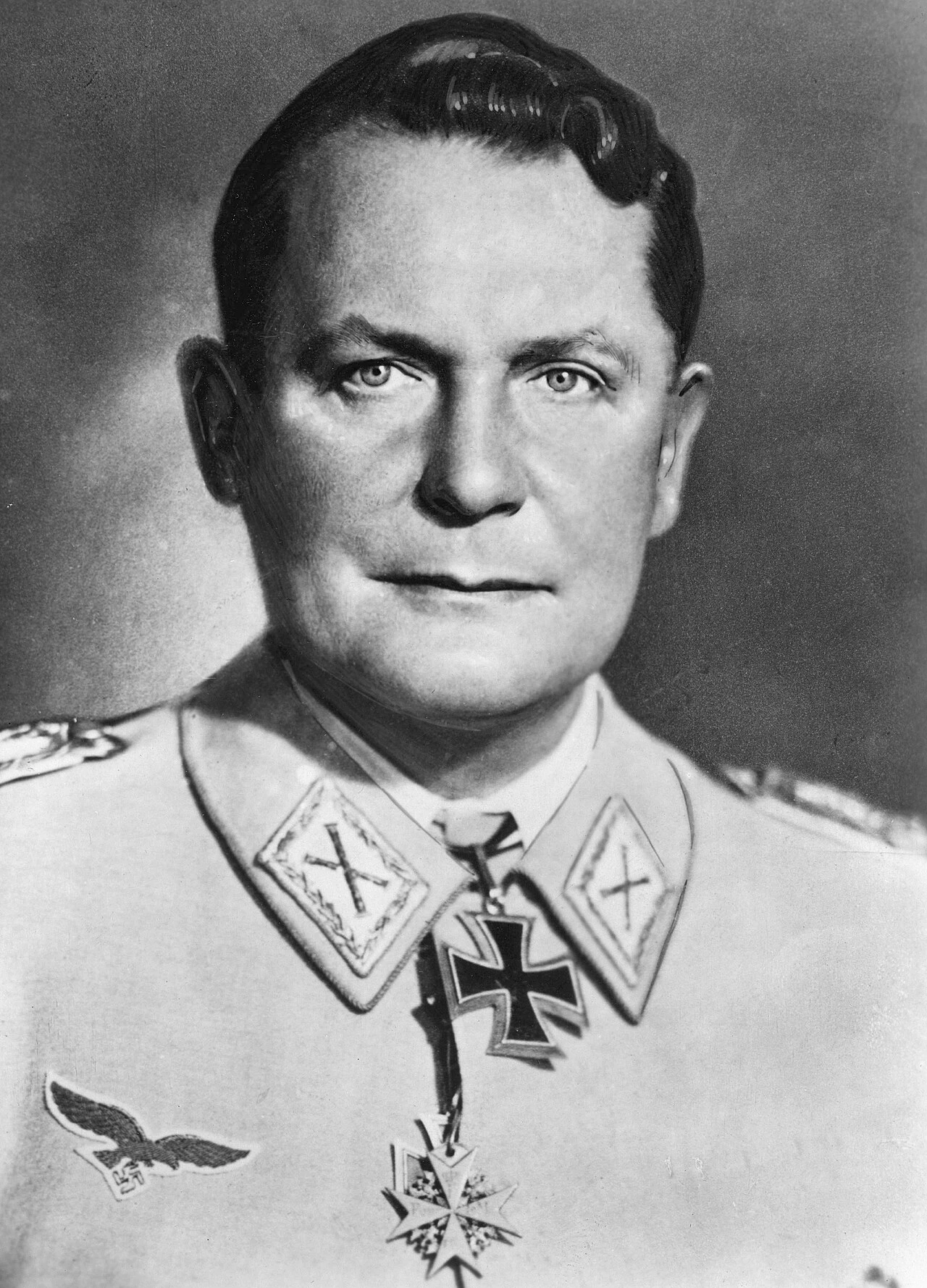
Göring at Cap Gris-Nez — September 7
The Ports Gorged with Invasion Barges
Bergen — the Skuas at extreme range
Force H — a raid in Italian waters
Excess: getting the convoy through under a new threat
Adlertag — which targets?
An unescorted convoy in the grey morning
An escort battleship on the convoy's route
Dakar — de Gaulle and Operation Menace
Galland over the Estuary
Göring at Cap Gris-Nez — September 7