
Krupp and the Beast's Cannon
In the spring of 1941, the German Army set two rival manufacturers, Henschel and Porsche, to work on a 45-tonne heavy tank. But only one firm was tasked with designing and building the common turret for both chassis: Krupp, in Essen. The design office headed by thus held a centerpiece of the program.
The gun still had to be settled, and the choice would shape the entire turret design, its diameter, its armor, its ammunition logistics. Three approaches were in contention. A piece derived from the famous 88 mm anti-aircraft gun, bulky but powerful. A 75 mm gun with a tapered bore, of fearsome muzzle velocity but hungry for tungsten-cored shells. Or a conventional long-barreled 75 mm, more economical. The turret contracts were already being amended, and the decision had to come in the weeks ahead.
Which armament should Krupp choose for the turret of Germany's future heavy tank?
Krupp chose the 8.8 cm KwK 36 gun, derived from the Flak 88, which armed the common turret of the Porsche and Henschel prototypes and, ultimately, the production Tiger I. The tapered-bore variant (7.5 cm Waffe 0725) was indeed contracted in June 1941 for six turrets, then abandoned as early as July 1941: Germany lacked the tungsten to waste this strategic metal on tank shells. The 7.5 cm L/70 alternative proposed by Rheinmetall was set aside for the heavy tank (it would later arm the Panther). The Krupp turret with its 88 mm gun became one of the signatures of the Tiger.
Learn more about this event
Related polls
10
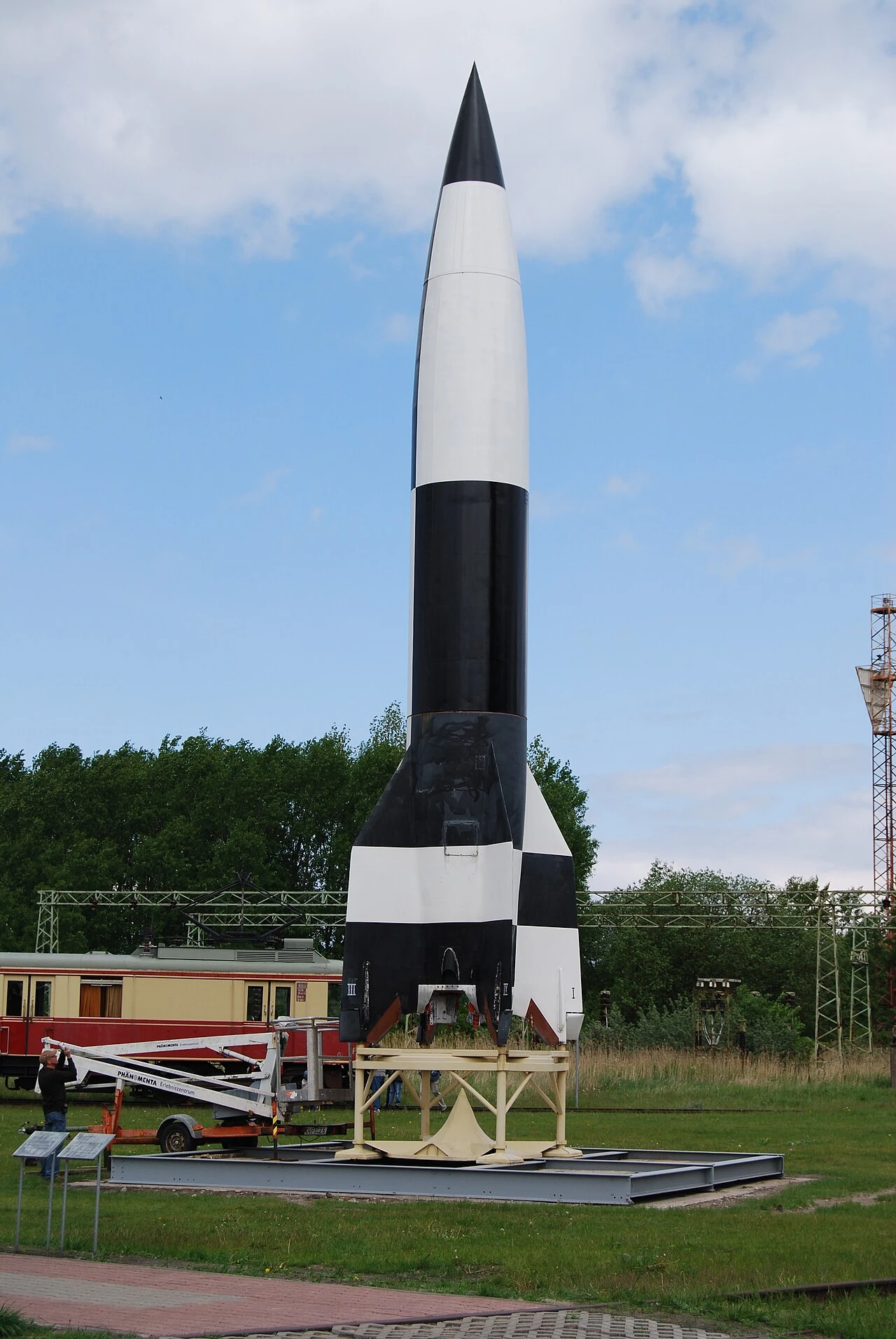
Peenemünde: producing before flying
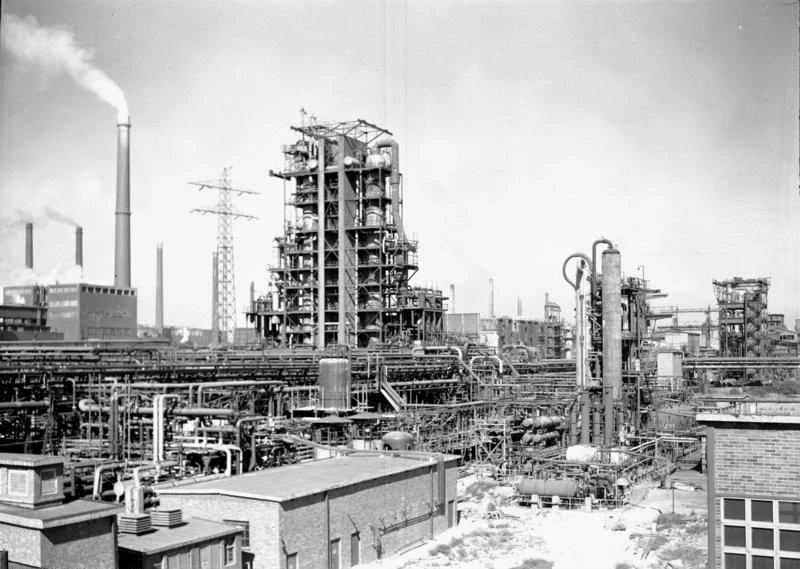
Making oil from coal
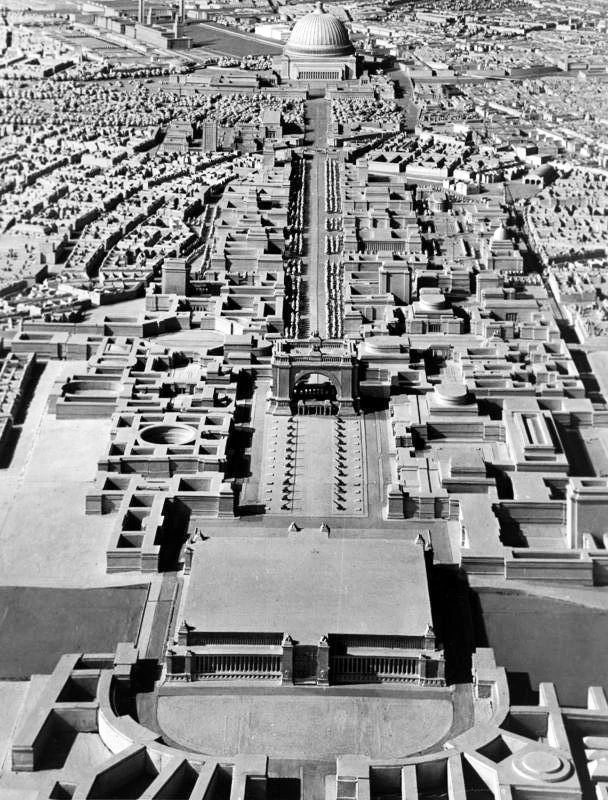
Speer and the Germania trade-off
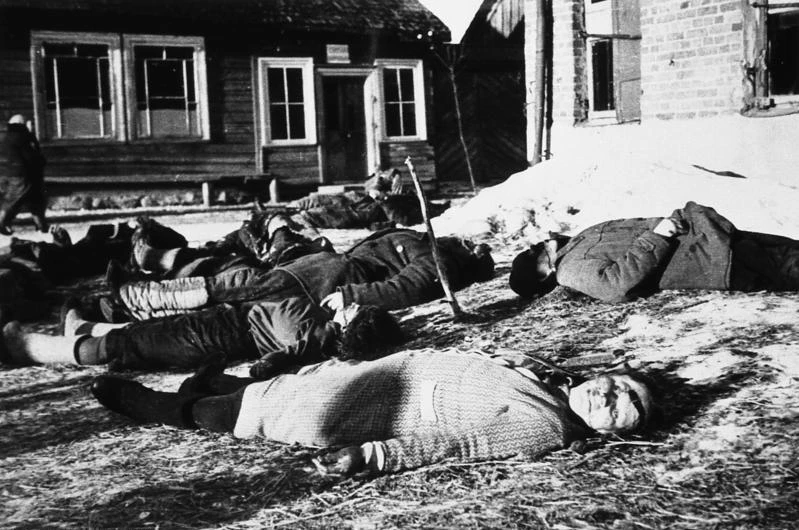
Generalplan Ost — the Hunger Plan
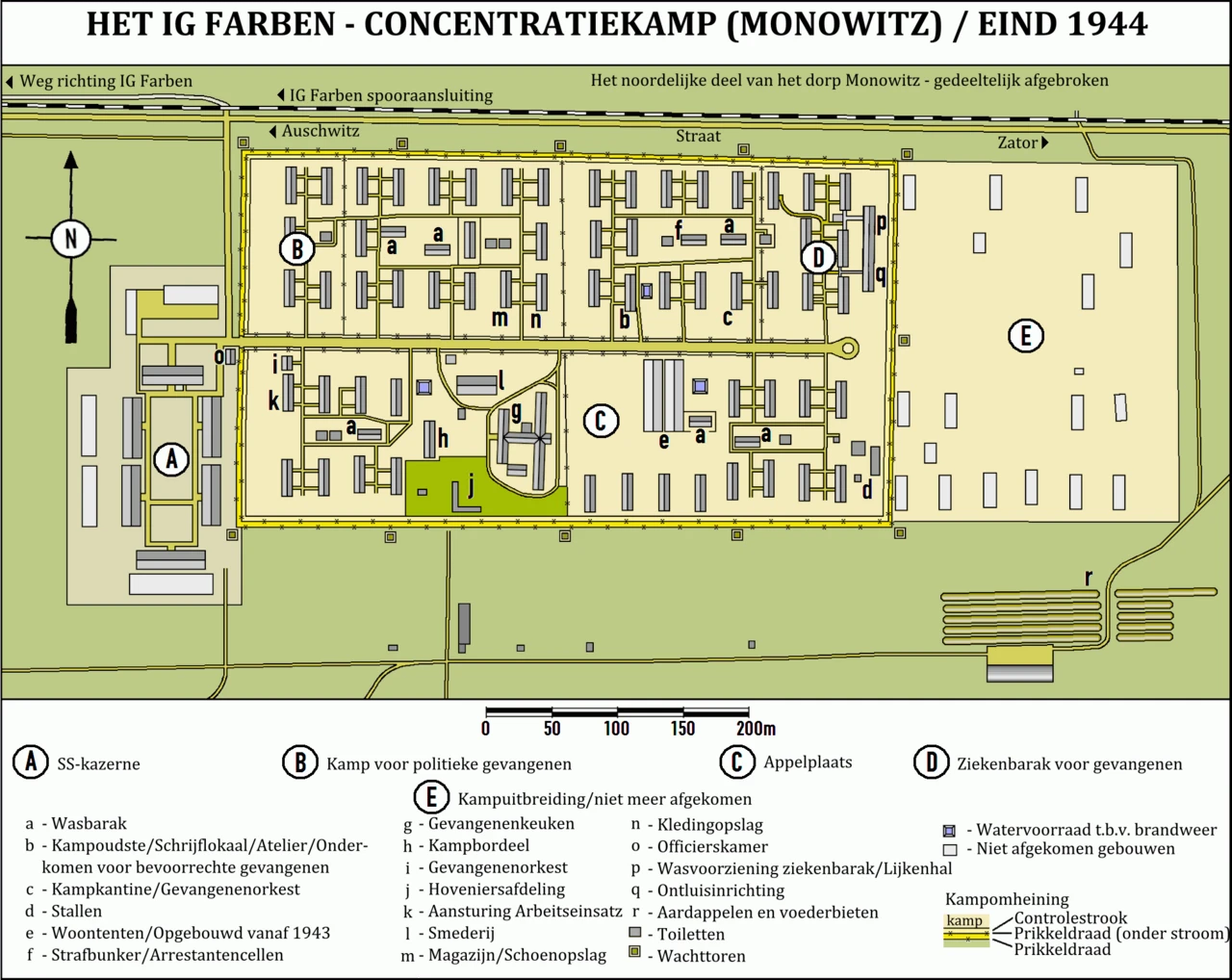
The Monowitz Construction Site
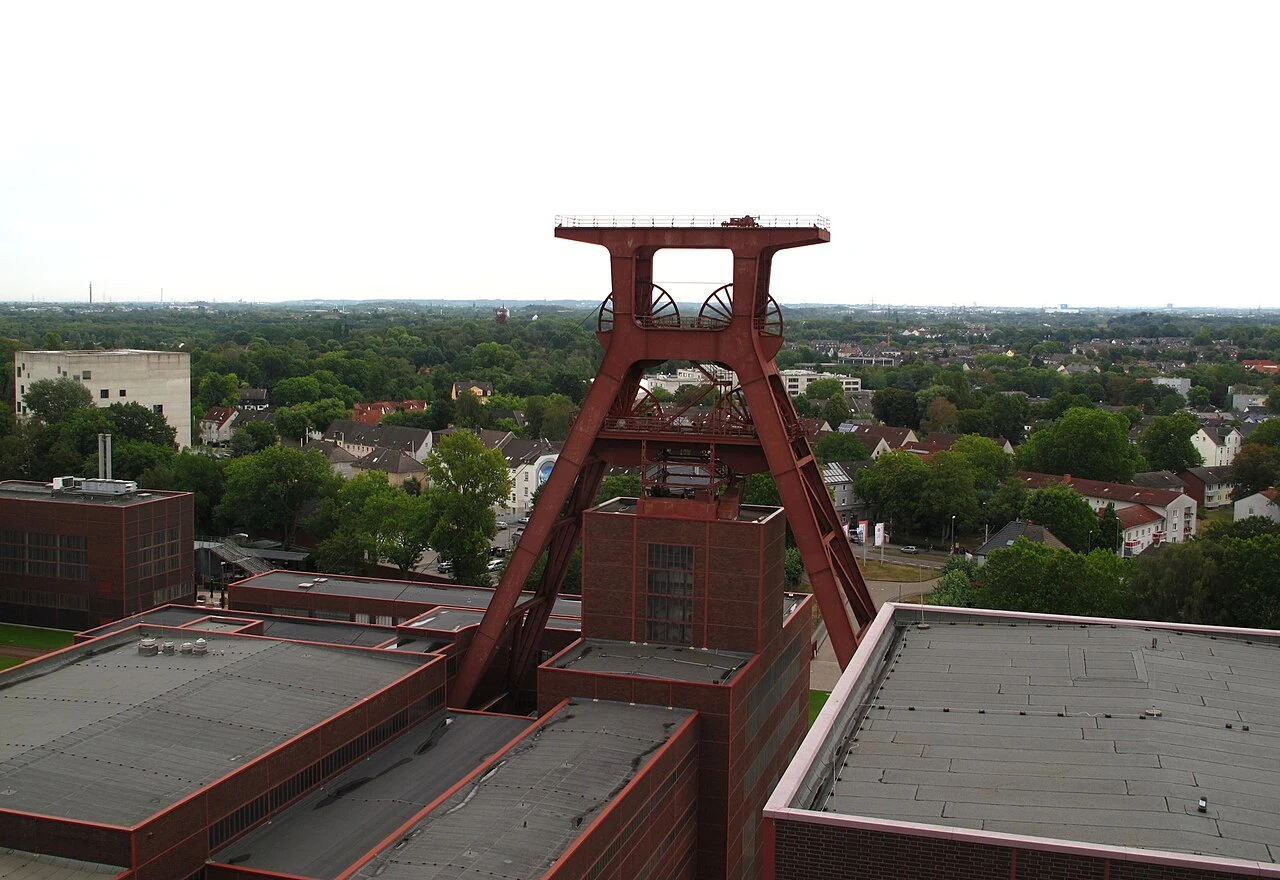
The Reich's Coal: the State or the Barons of the Ruhr
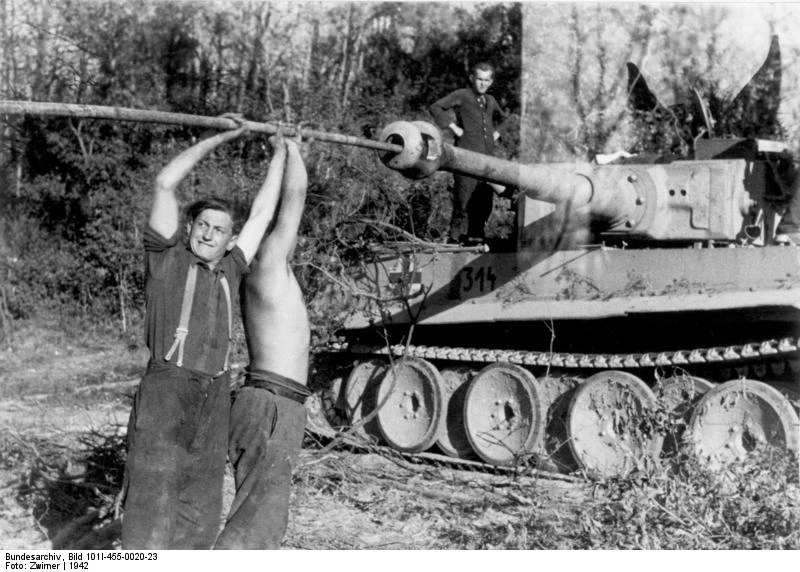
Two Factories, One Heavy Tank
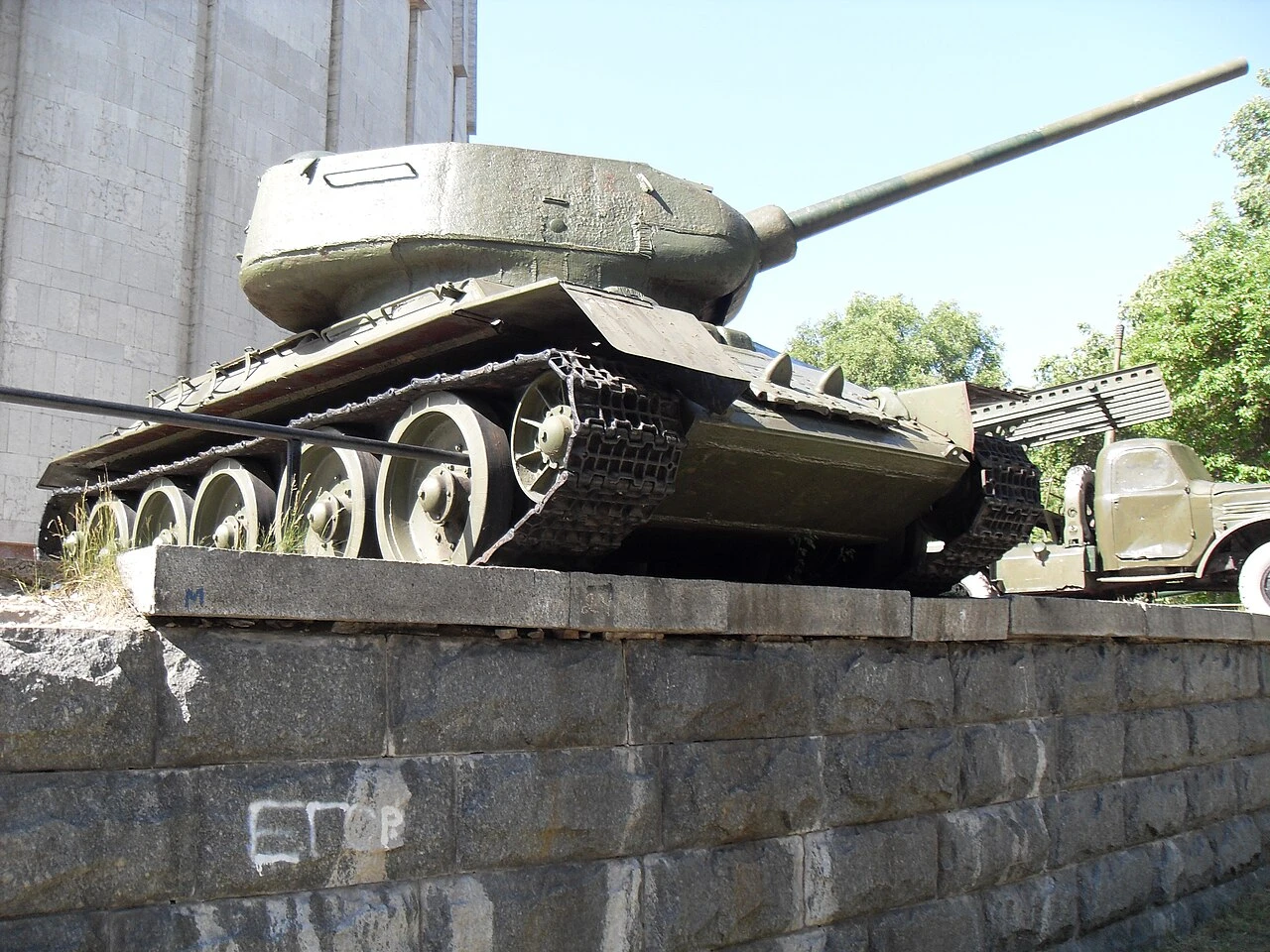
Ten thousand tanks, and nothing on paper
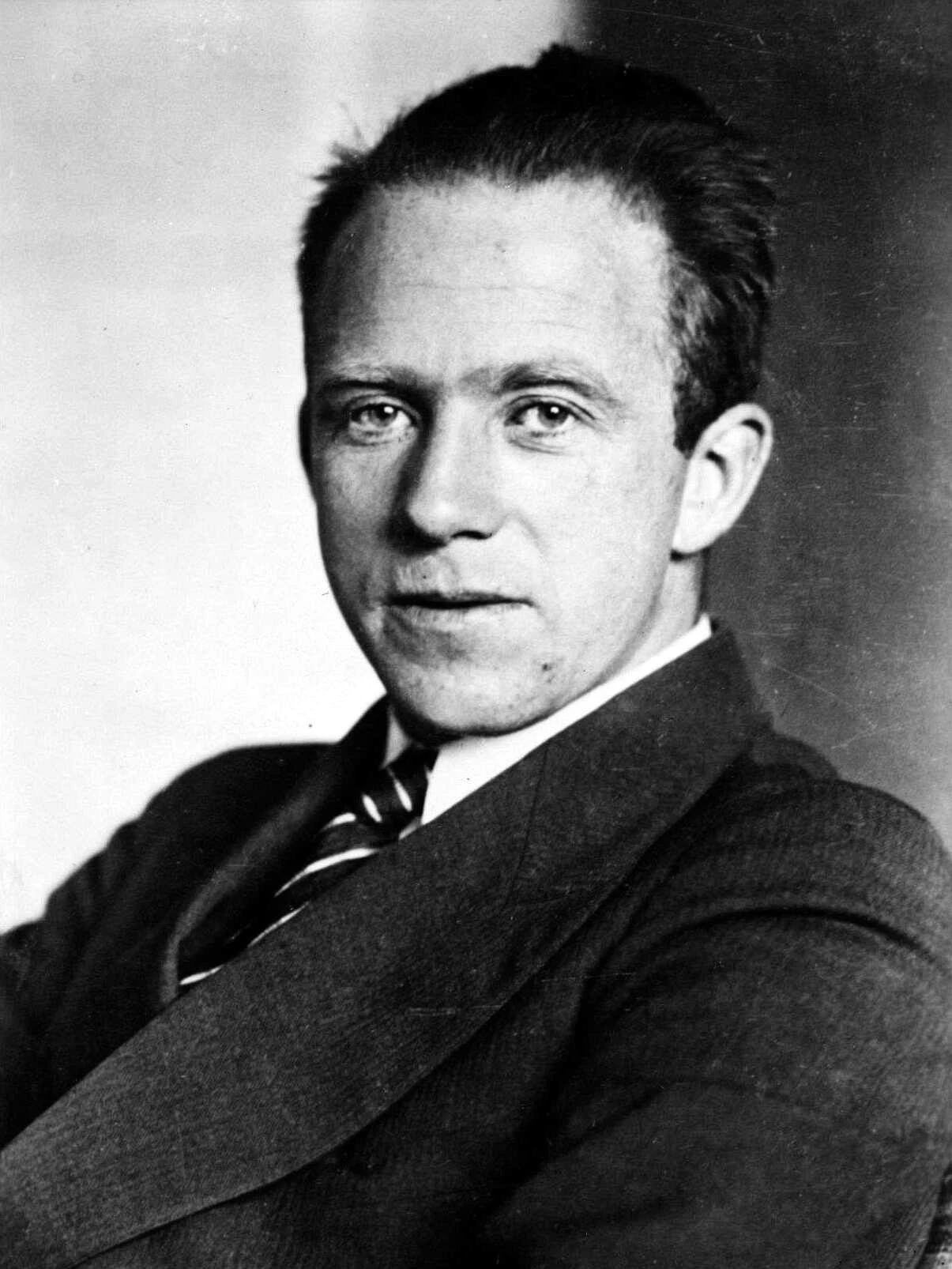
The German "Uranverein": a priority refused
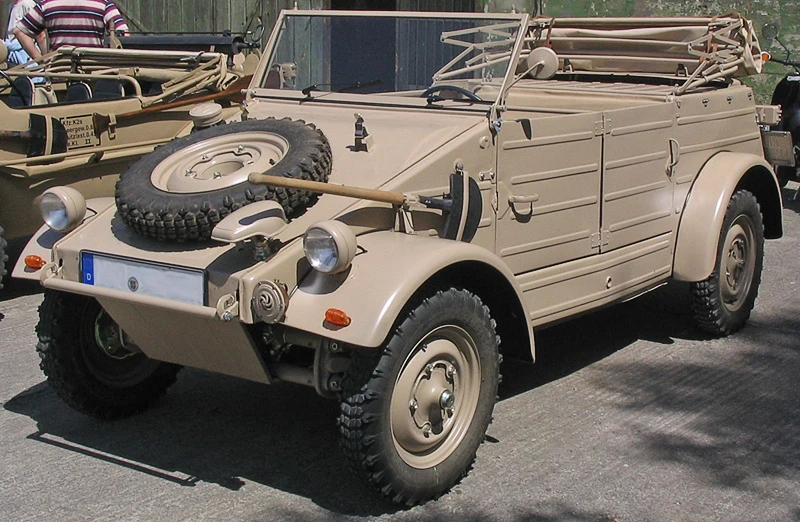
The People's Car Goes to War
Peenemünde: producing before flying
Making oil from coal
Speer and the Germania trade-off
Generalplan Ost — the Hunger Plan
The Monowitz Construction Site
The Reich's Coal: the State or the Barons of the Ruhr
Two Factories, One Heavy Tank
Ten thousand tanks, and nothing on paper
The German "Uranverein": a priority refused