
, 51, was a civil engineer and architect — head of the Helsinki passive defence service (Väestönsuojelu) since 1936. Slow preparation in peacetime: a programme of underground shelter construction (capacity 65,000 people in 1939), a siren system (32 units), urban camouflage.
When war broke out on 30 November 1939, Helsinki suffered its first raid at 9:20 am. Aalto-Setälä responded in 48 hours: full activation of the system, mobilisation of 8,000 volunteers (reserve firefighters, Lotta Svärd, students), evacuation plans for 14 zones, distribution of gas masks (the doctrine feared Soviet gas — a fear founded on Italian use in Ethiopia in 1936).
The raids would come week after week. With only 8,000 volunteers and limited means, each mission competed with the others: digging and equipping shelters to protect those who stayed, evacuating civilians — children first — to reduce the exposed population, or organising intervention teams to save buildings during the bombings. Aalto-Setälä had to set priorities among these missions.
How should Aalto-Setälä prioritise his 8,000 volunteers?
Aalto-Setälä applied all three simultaneously. Over 105 days, Helsinki suffered 89 raids, 2,075 tons of bombs dropped. He oversaw the construction of 320 new underground shelters (total final capacity: 250,000 people), the pre-emptive evacuation of 70,000 children to Sweden (sotalapset) and the camouflage of strategic targets (railway station, port, ministries) with nets, smoke screens and false lights. An exceptional result: 956 civilian dead in Helsinki over 105 days despite 2,075 tons of bombs — a mortality rate of 0.46 dead per ton, the lowest of any of the major urban bombings of the Second World War (for comparison: the Blitz on London 1940-1941: 3.8 dead per ton; Dresden 1945: 8-10 dead per ton). This performance was due to the speed of evacuation (35% of the population gone in 6 weeks), the quality of the shelters (Helsinki's natural granite, depths of 10-15 m), and Finnish civic discipline. The Aalto-Setälä system became the Scandinavian model studied from 1942 by the British (Anderson bunker programme) and the Americans (Civil Defense programme of 1942). Aalto-Setälä carried on after the war as a civilian architect, took part in the rebuilding of Helsinki, and designed the new Otaniemi district with (his distant cousin). Died in 1972. The Finnish passive defence system remains one of the European models to this day — Helsinki still has shelters for 900,000 people (population 660,000), kept equipped and usable within 72 hours.
Learn more about this event
Related polls
10
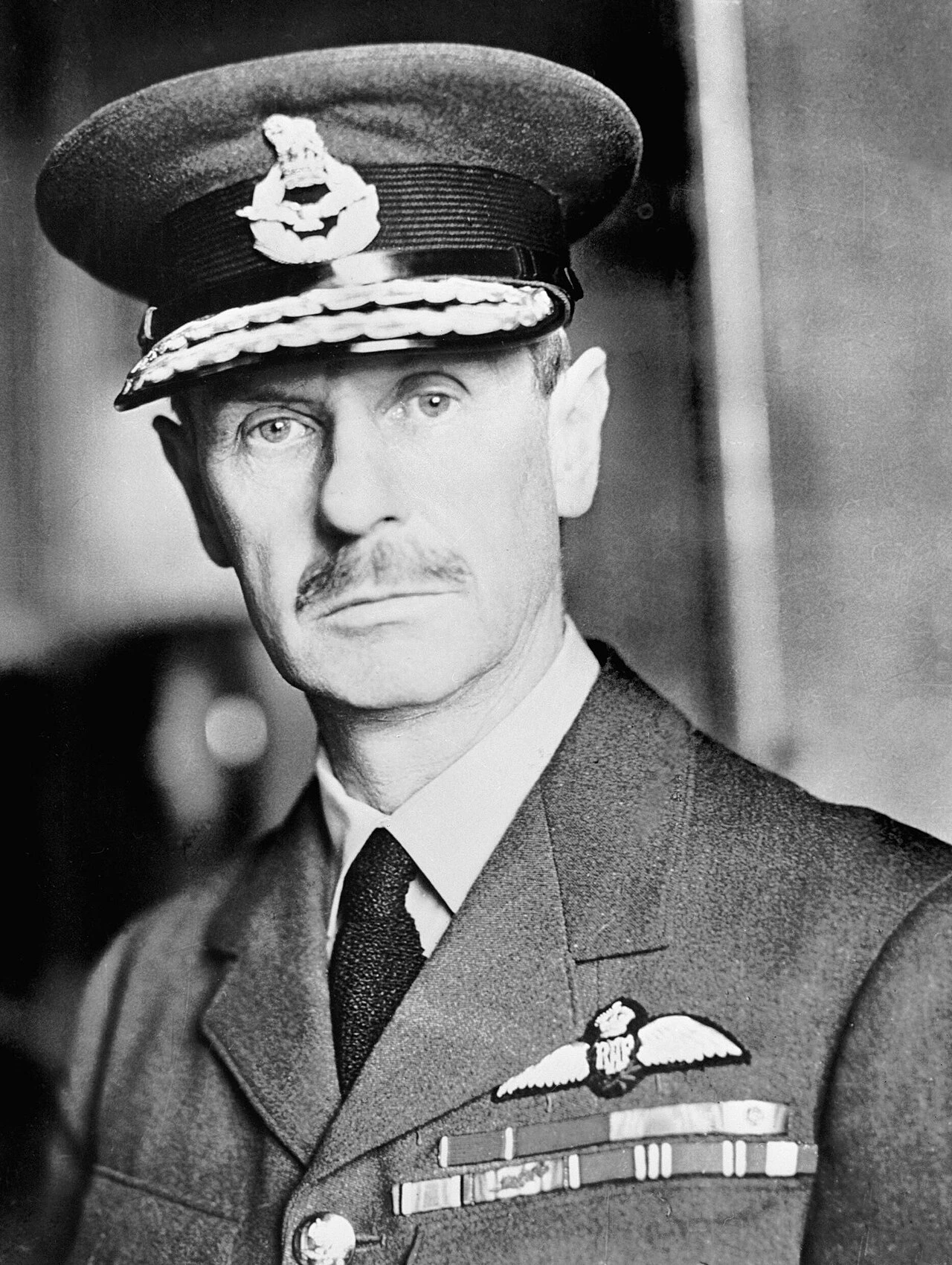
Chain Home — the Invisible Wall
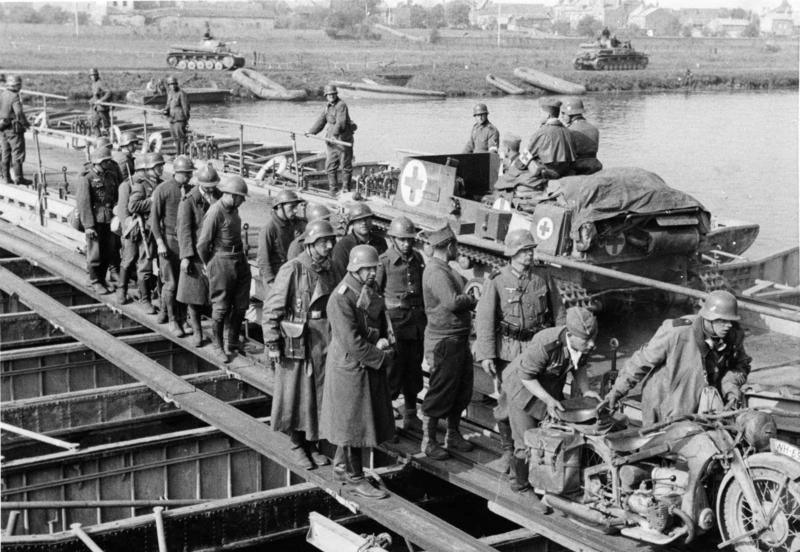
The French engineers at Sedan
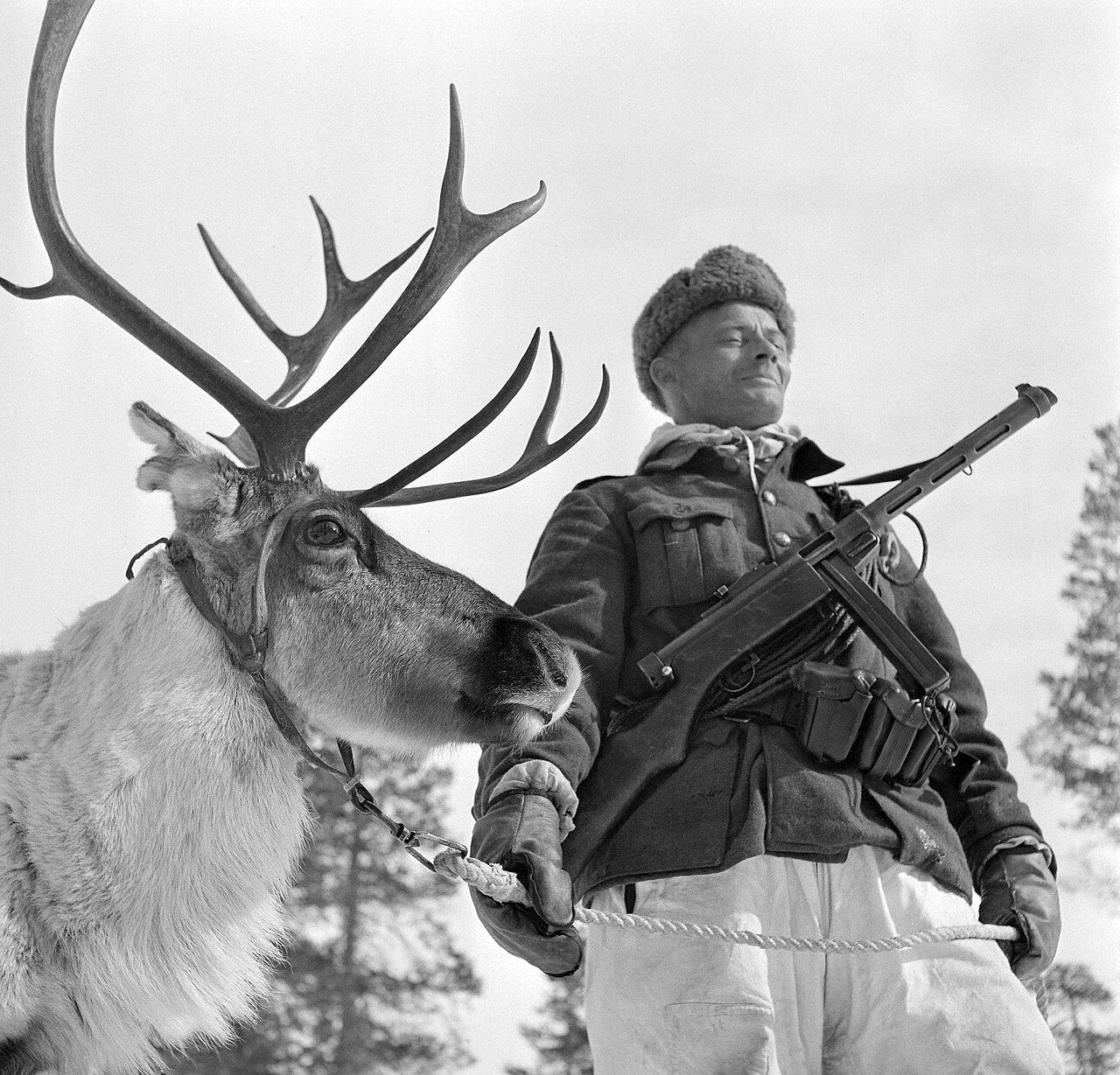
Lahti at Tikkakoski — tripling production
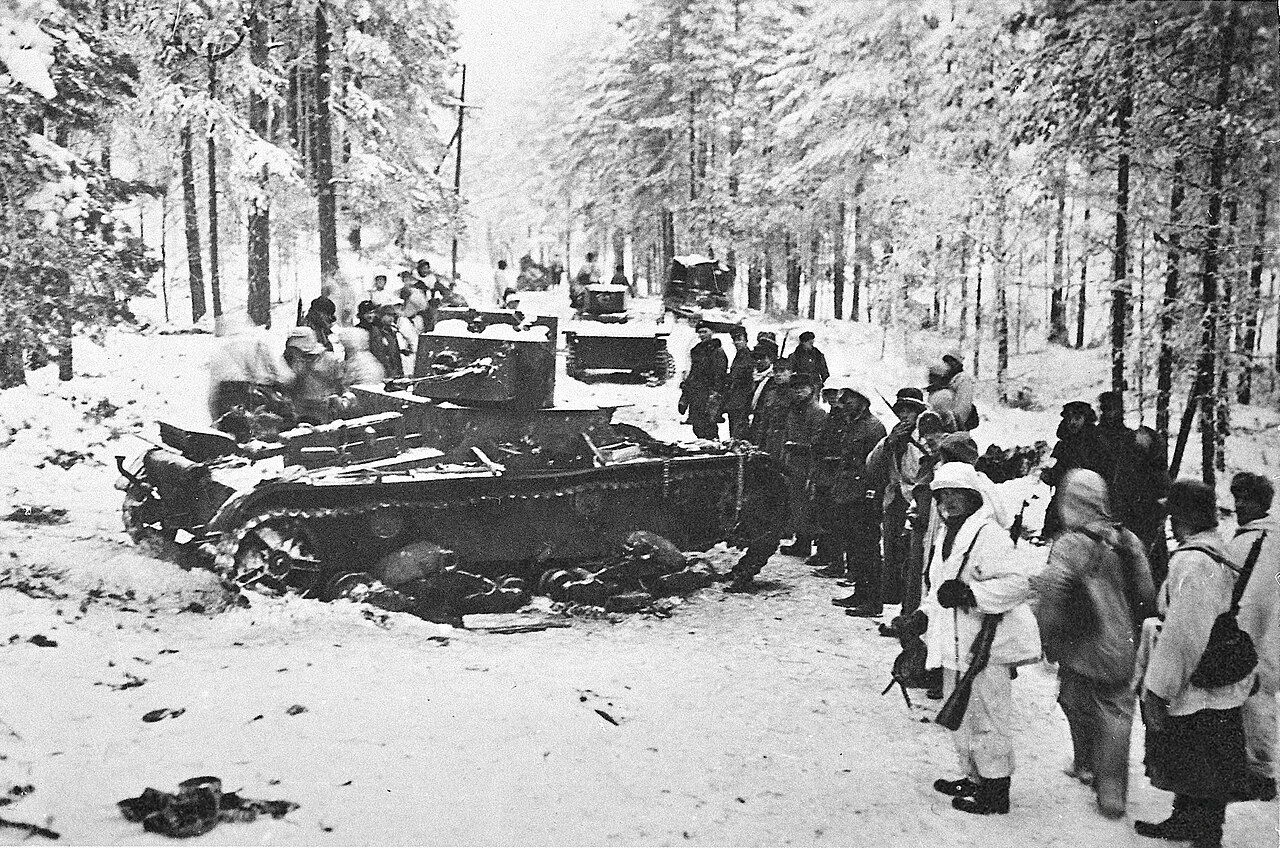
Pajari at Tolvajärvi — 12 December, 04:00
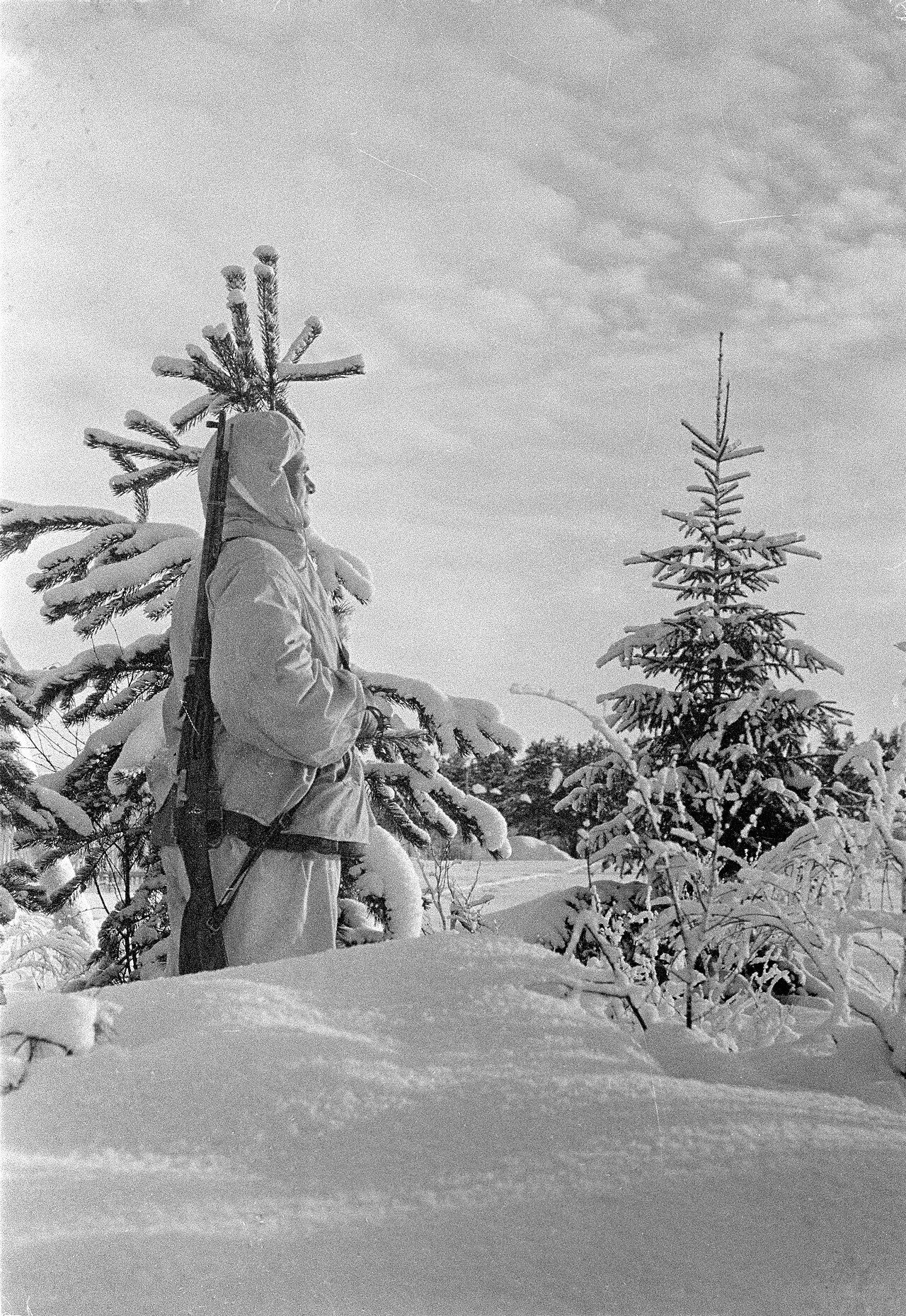
Salla — Lagus against the 9th Army
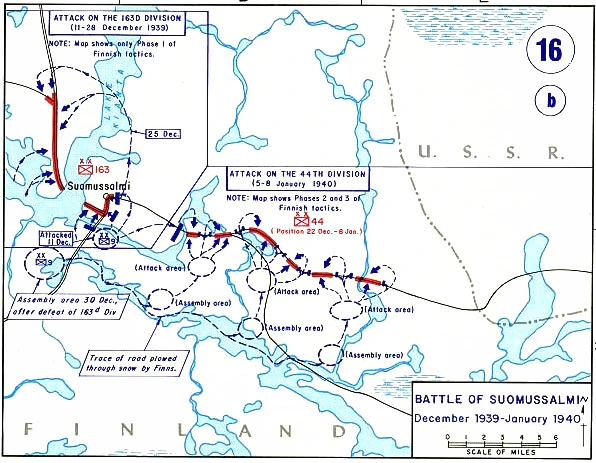
Suomussalmi — Siilasvuo against the 163rd
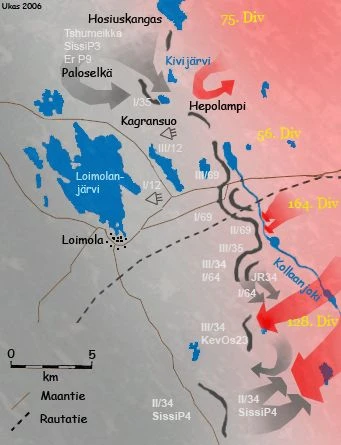
Svensson on the Kollaa front
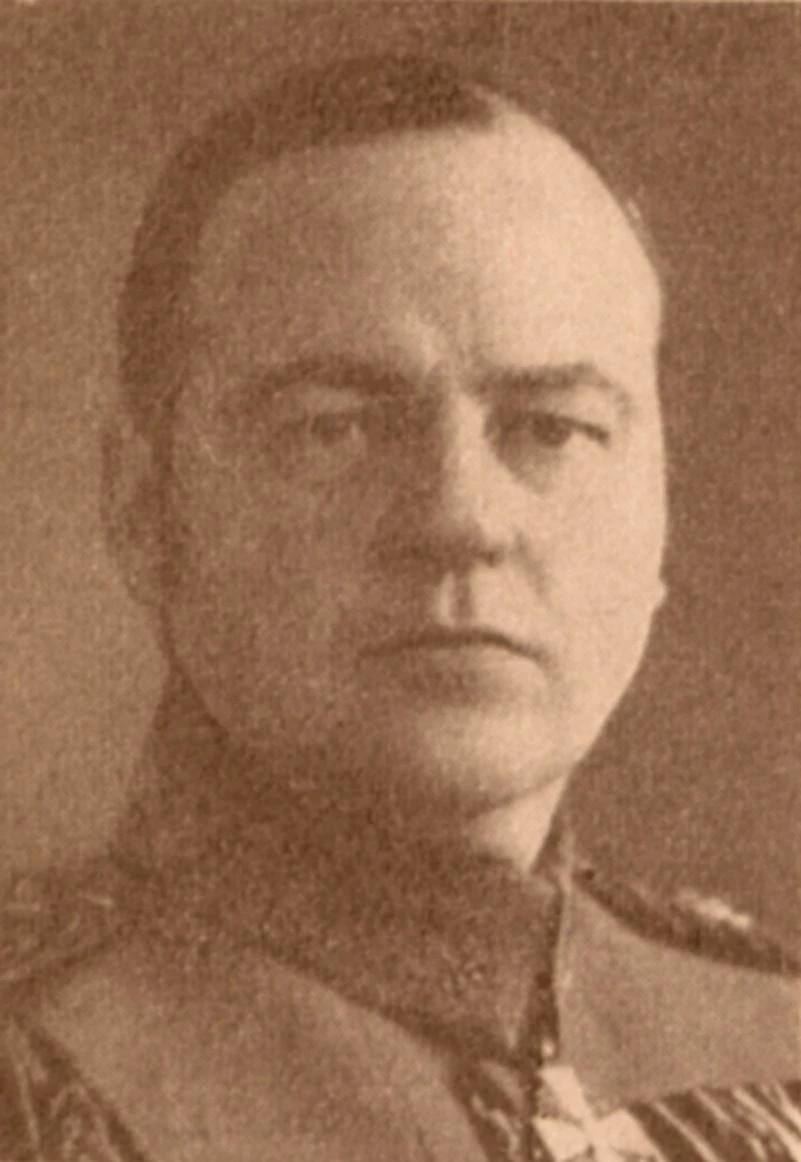
Wallenius — defending 700 km of Lapland
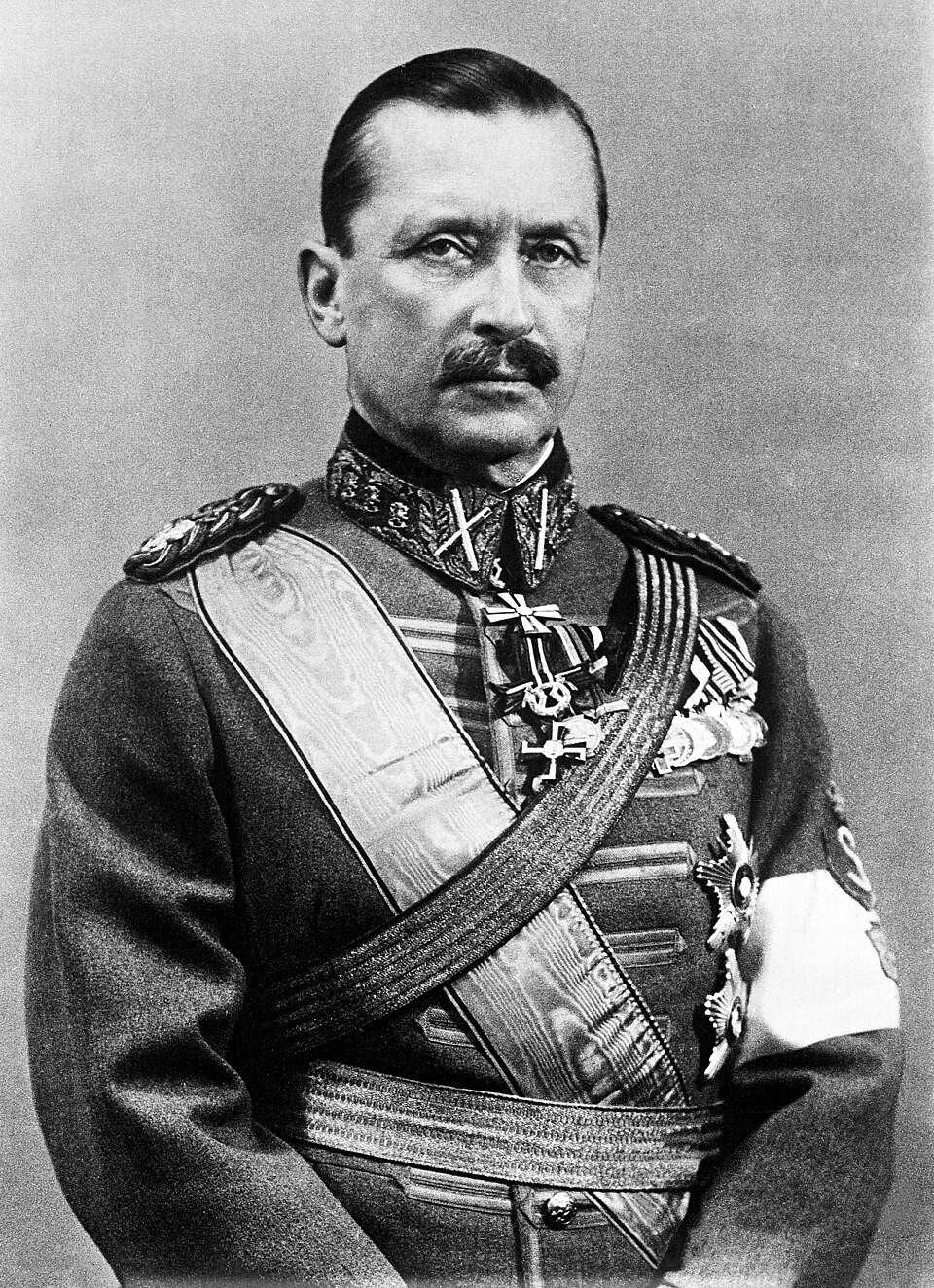
Mannerheim — at the Defence Council
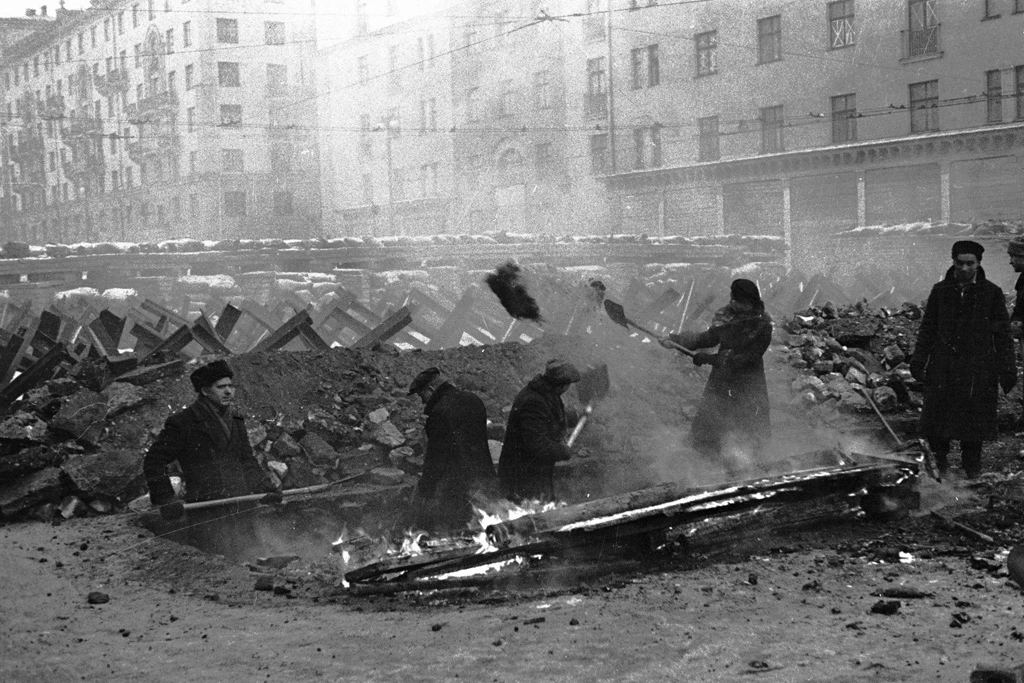
Moscow, 16 October 1941: the capital on the brink
Chain Home — the Invisible Wall
The French engineers at Sedan
Lahti at Tikkakoski — tripling production
Pajari at Tolvajärvi — 12 December, 04:00
Salla — Lagus against the 9th Army
Suomussalmi — Siilasvuo against the 163rd
Svensson on the Kollaa front
Wallenius — defending 700 km of Lapland
Mannerheim — at the Defence Council