
From the moment the occupation is established, Nazi Germany organises a methodical cultural plunder of the conquered countries. A specialised service, the Einsatzstab Reichsleiter Rosenberg (ERR), is tasked with confiscating works of art, libraries and collections — in particular those belonging to Jews, Masonic lodges and opponents — for the benefit of the Reich's museums and of Nazi dignitaries (Hitler, Göring).
Faced with this threat, curators, collectors and owners must react. To hide or evacuate the most precious works (placing them in safety in the free zone, abroad, in secret depots) to remove them from plunder. To declare them and leave them in place, out of respect for instructions or out of fear. Or to attempt to negotiate their preservation with the occupier.
The stakes are both patrimonial and moral: to save the cultural heritage from organised plunder, while the occupier holds the force and the administration. The Belgian and French museums, like the private collections (above all Jewish ones, soon to be plundered), are directly threatened by this large-scale predation.
Faced with the plunder, should one hide and evacuate the works, leave them in place, or negotiate with the occupier?
Wherever it was possible, curators and owners chose A: many major works were evacuated and hidden as early as 1939–1940 (in France, the Louvre's collections were dispersed among châteaux; in Belgium, protective measures were taken). But the ERR nonetheless carried out a massive plunder, targeting above all plundered Jewish property (the spoliation is organised in parallel with the first anti-Jewish measures of the autumn of 1940). Tens of thousands of works were confiscated and transferred to Germany. The Nazi cultural plunder, one of the most extensive in history, will be the subject after the war of immense and still-unfinished restitution efforts. It illustrates the predatory and ideological dimension of the occupation, inseparable from persecution.
Learn more about this event
Related polls
10
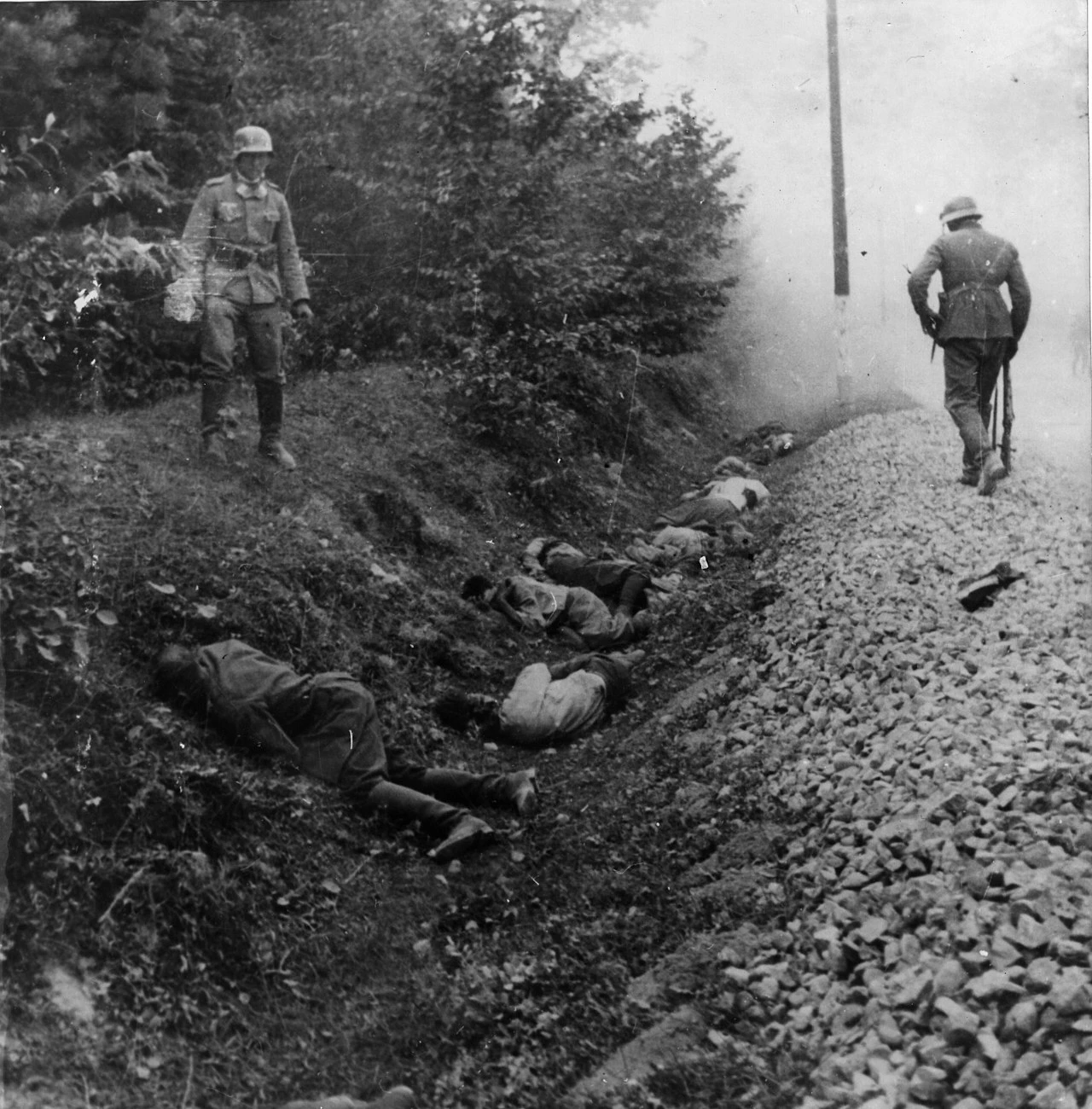
Vinkt — the suspicion of francs-tireurs
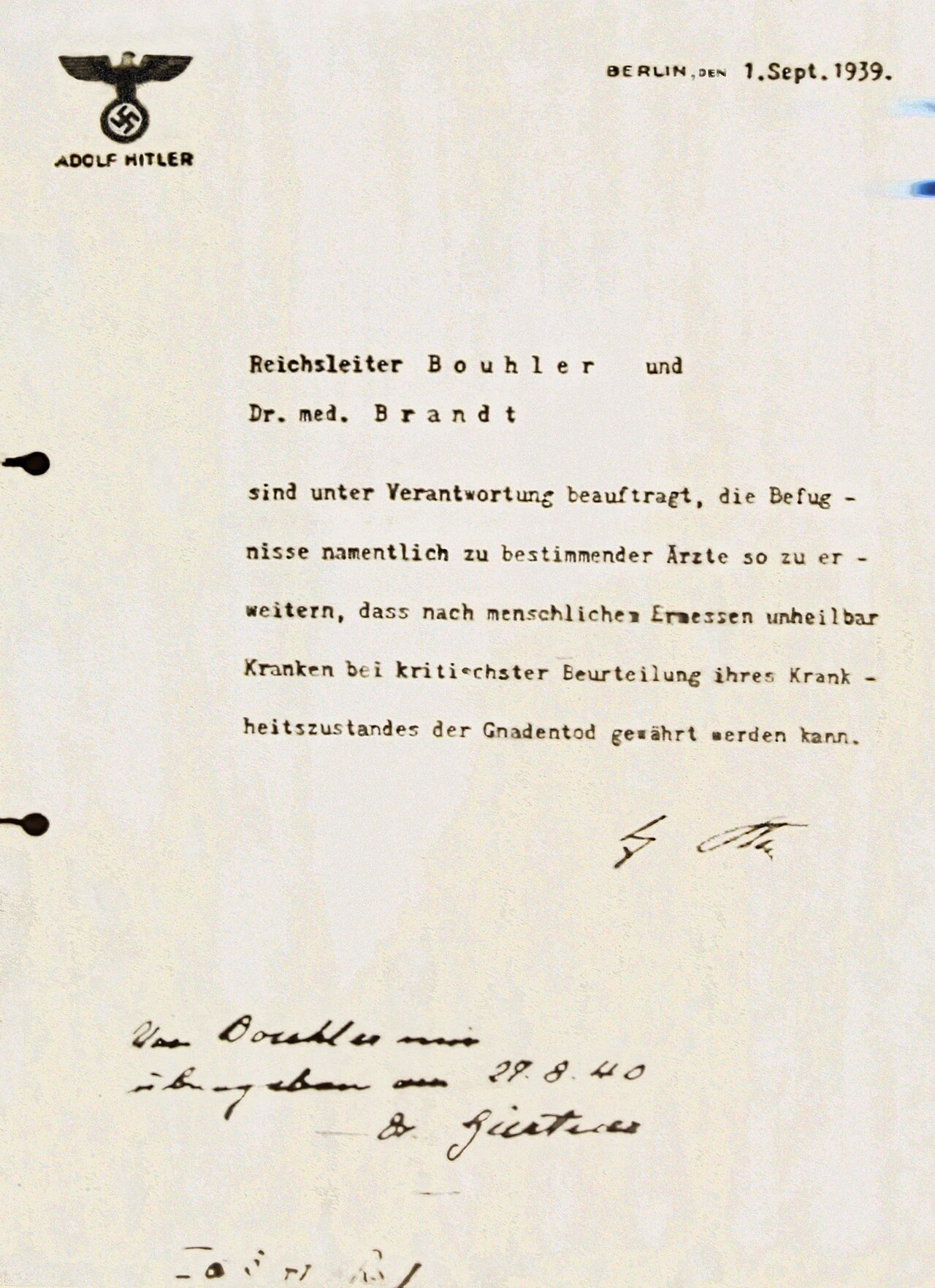
A doctor and the grey form
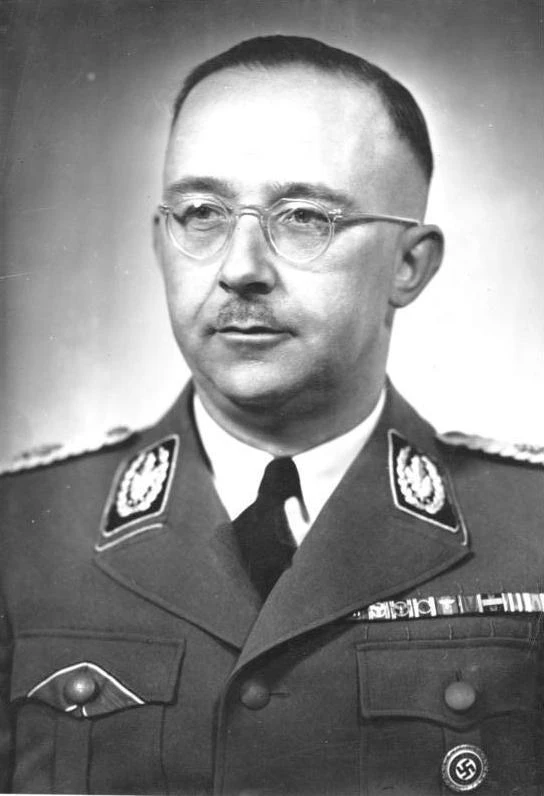
Himmler's memorandum to the Führer
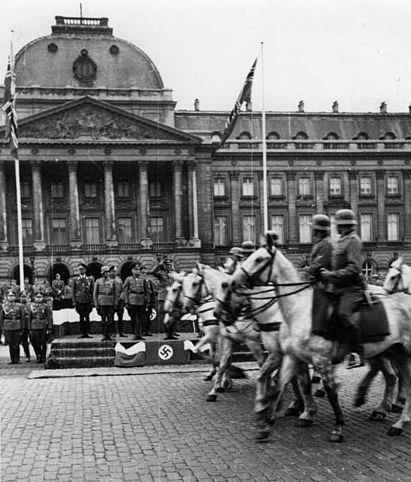
Civilian hostages
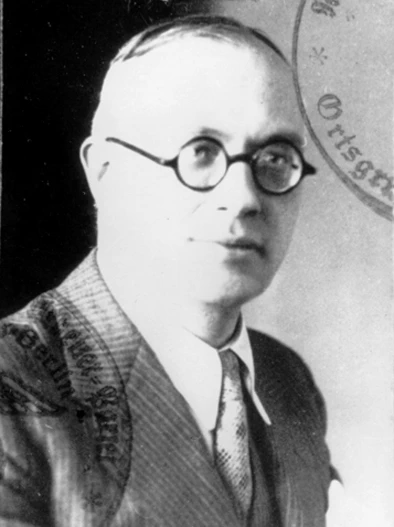
The Madagascar Plan on paper
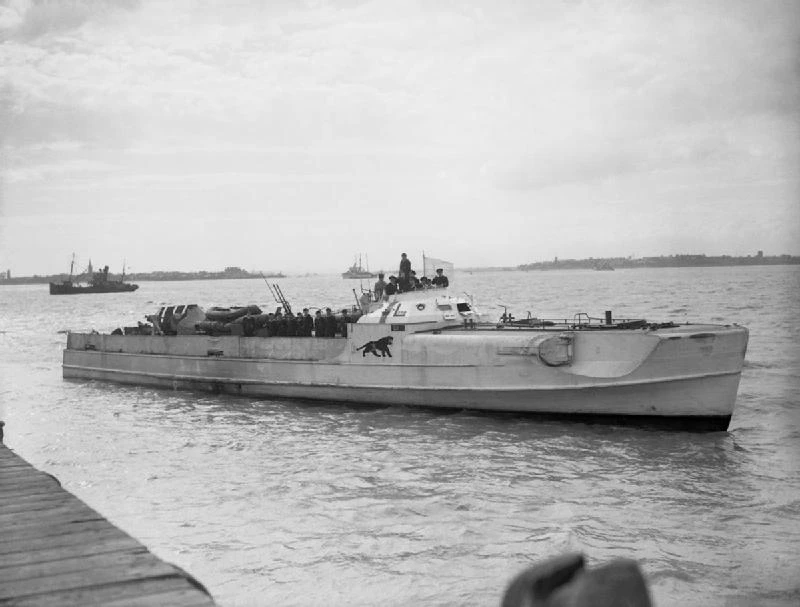
The torpedo boat and the lit Meknes
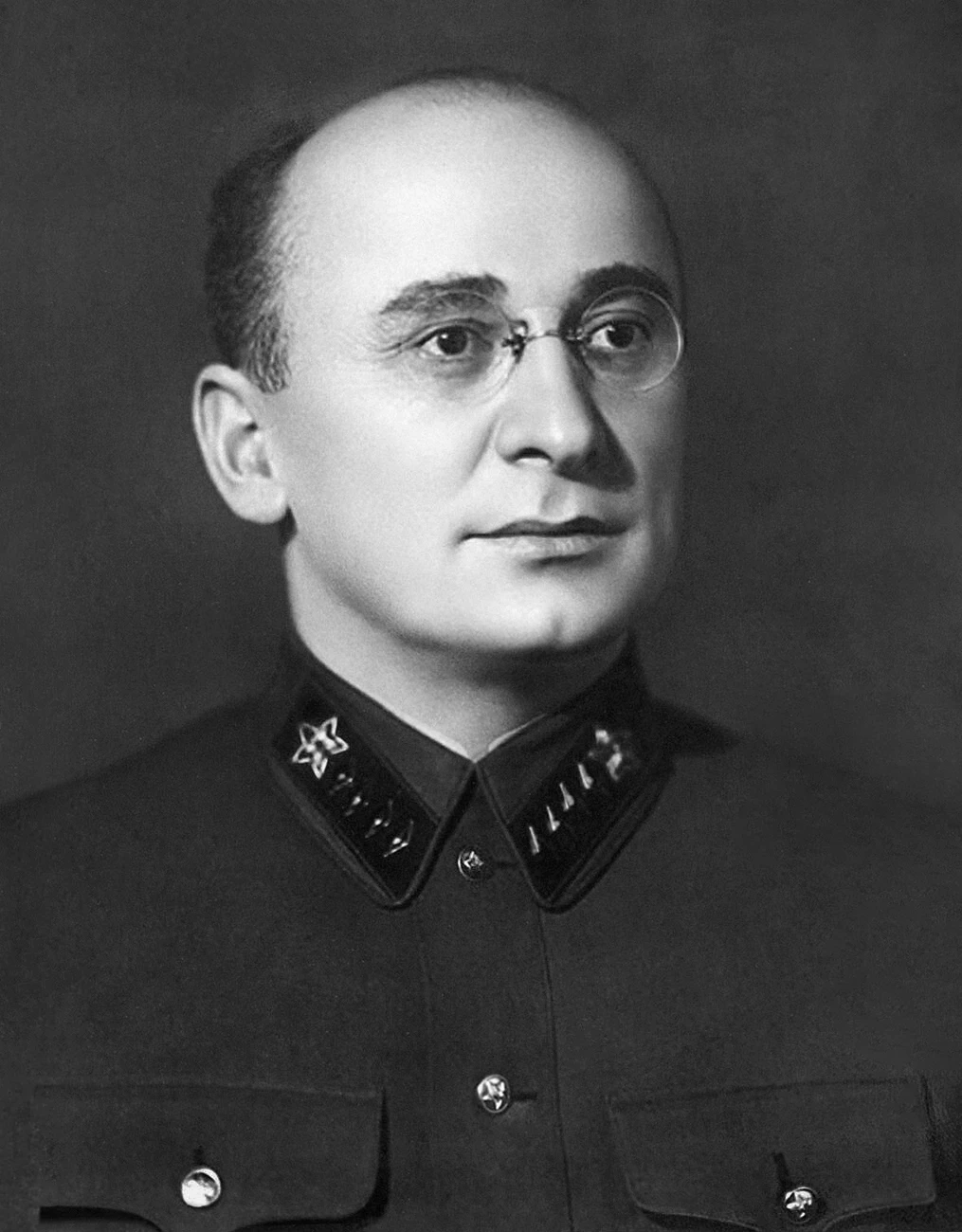
Katyn — the order on Beria's desk
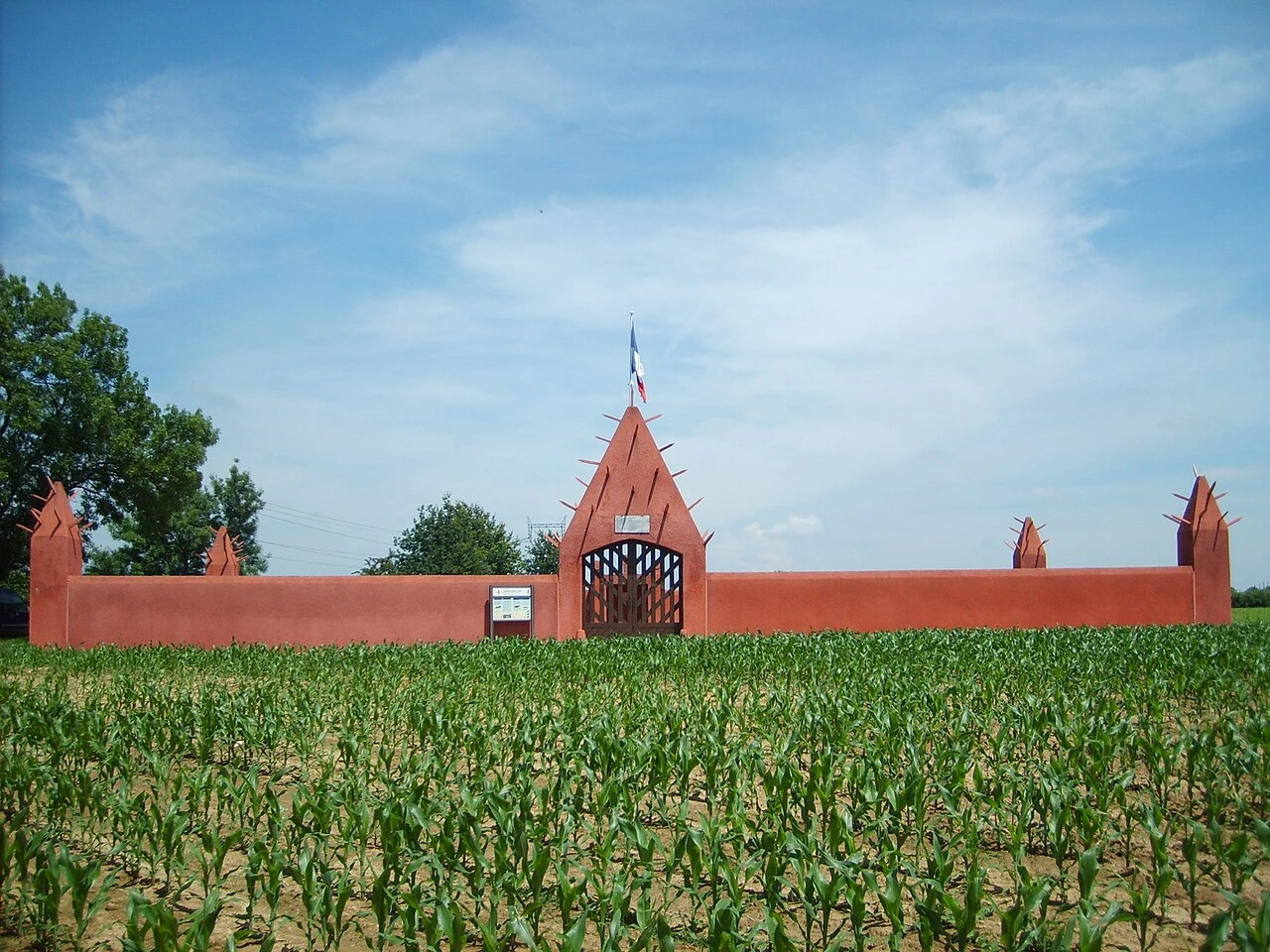
Chasselay — the captured tirailleurs
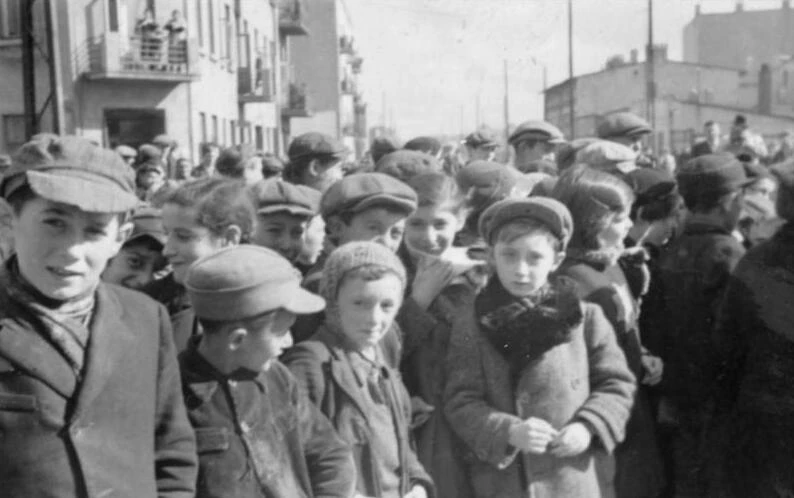
Lodz — sealing the ghetto
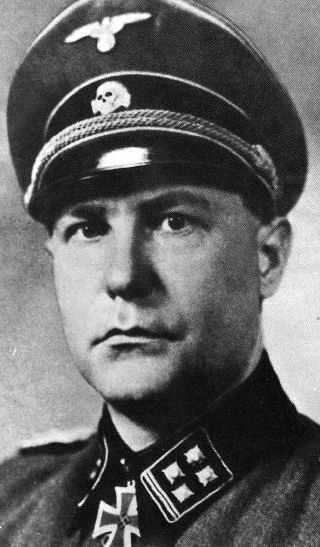
Le Paradis — the barn at Cornet-Malo
Vinkt — the suspicion of francs-tireurs
A doctor and the grey form
Himmler's memorandum to the Führer
Civilian hostages
The Madagascar Plan on paper
The torpedo boat and the lit Meknes
Katyn — the order on Beria's desk
Chasselay — the captured tirailleurs
Lodz — sealing the ghetto