
Sikorski leaves Bordeaux — 18 June
General , Prime Minister of the Polish government in exile and head of the Polish army reconstituted in France, watches his second host country collapse. After the fall of Poland in 1939 he had installed his government and his forces — about 80,000 men — on French soil. In June 1940 this Polish army is caught up again in the debacle.
On 18 June, as Pétain has asked for an armistice, Sikorski and his ministers must evacuate Bordeaux and the Atlantic coast before the Germans arrive. The question is not only how to flee, but how to save the very idea of a fighting Poland, twice driven from its territory.
A hero of the Polish-Soviet war of 1920, long sidelined by the Piłsudski regime, Sikorski has embodied since 1939 the continuity of the Polish state. The choice of means of transport, in a port that is congested and soon to be occupied, is no minor matter: he must reach England without falling into enemy hands, in order to reconstitute Polish forces, for a third time, on British soil.
How should Sikorski leave Bordeaux for England?
Sikorski chooses A: he reaches England by sea under British protection and arrives at Plymouth around 19-20 June. He re-establishes the Polish government in London and sets out to reconstitute, for the third time, Polish forces — which will reach several hundred thousand men (RAF airmen, navy, , , ), among the most committed of the Allied camp. Sikorski dies on 4 July 1943 in the crash of his aircraft on takeoff from Gibraltar, an accident still fuelling controversies. His departure from Bordeaux in June 1940 saves the continuity of the Polish state in exile and of its army.
Learn more about this event
Related polls
10
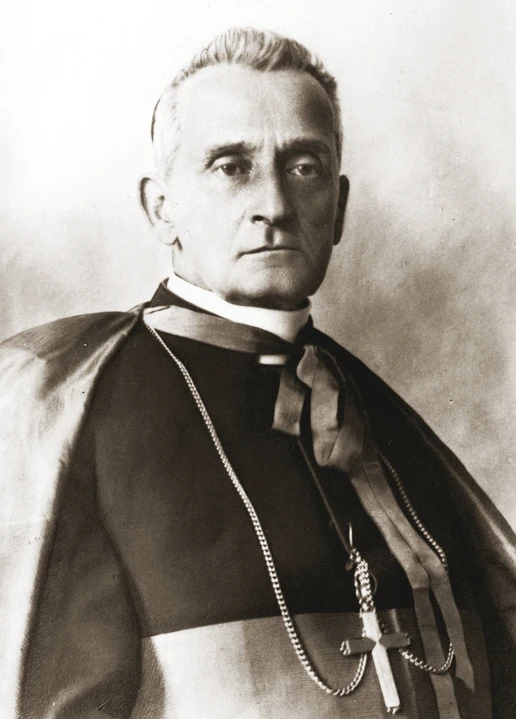
Cardinal Sapieha — Krakow under Occupation
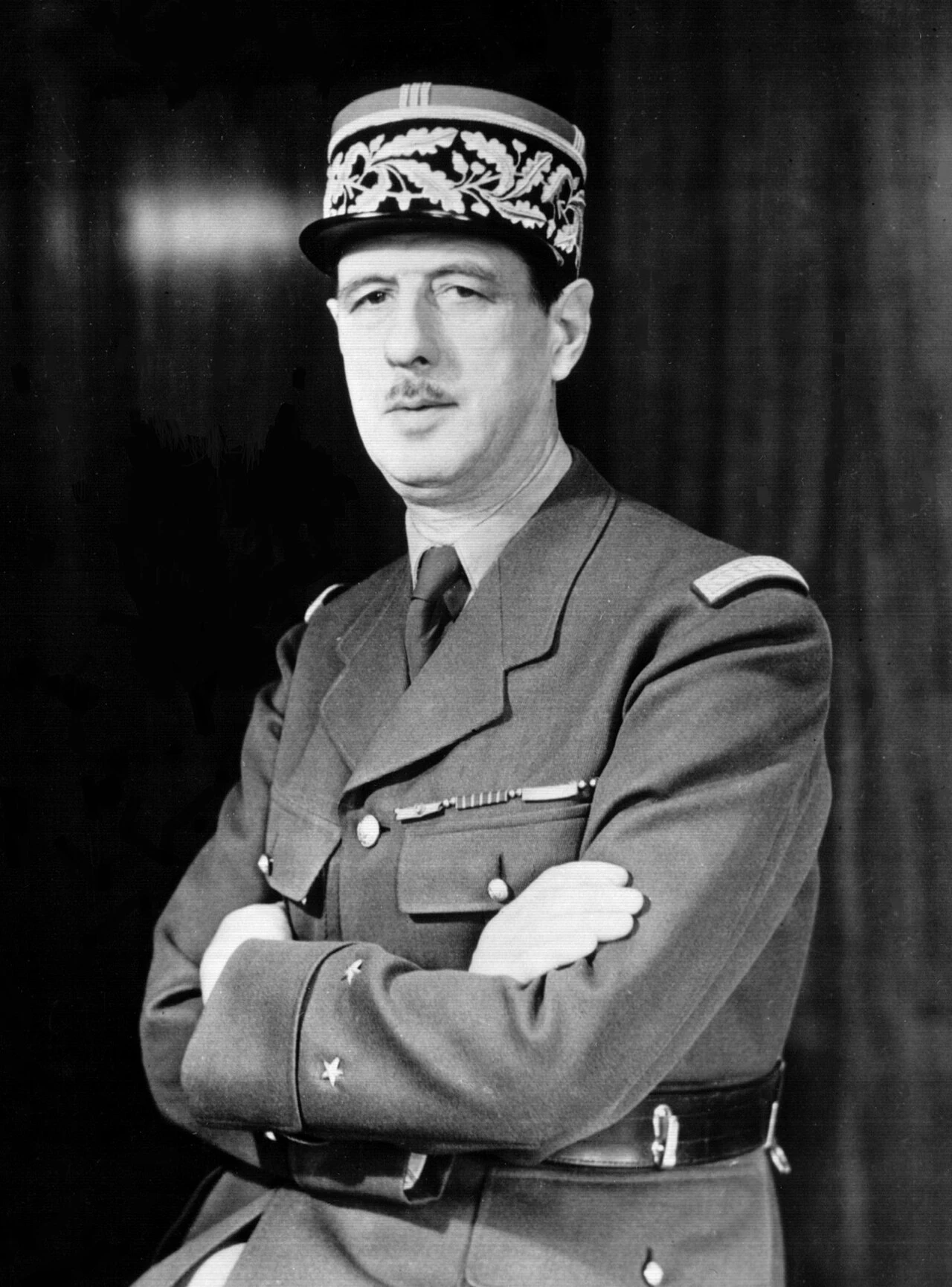
De Gaulle at the BBC microphone — 18 June, 18:00
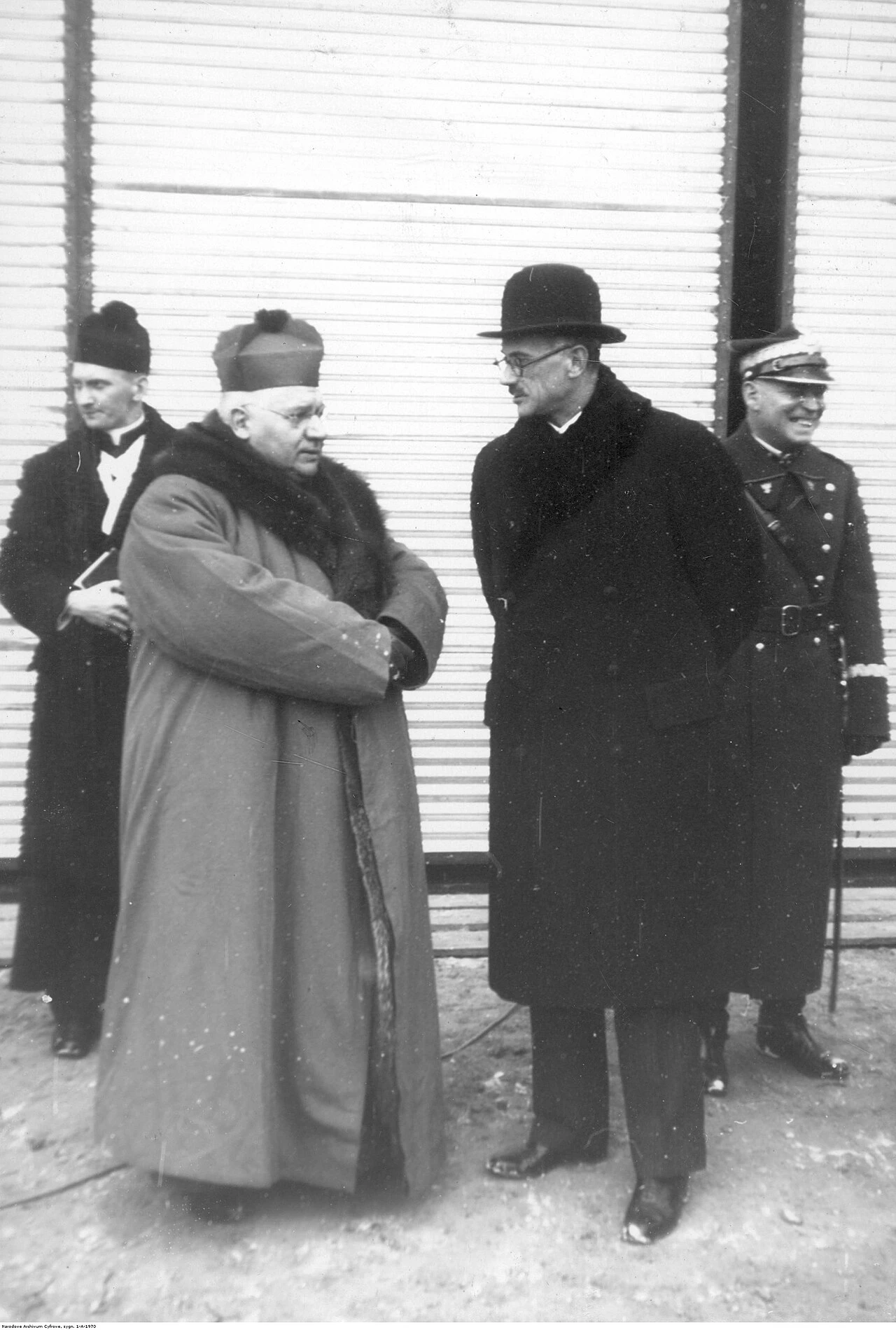
Bishop Adamski in annexed Katowice
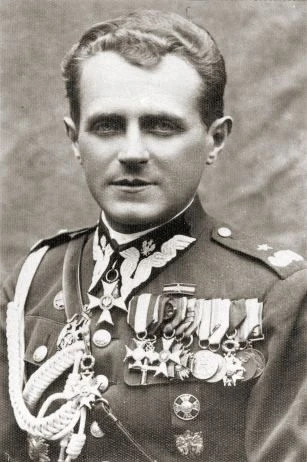
Karaszewicz-Tokarzewski — Founding the SZP
The Massilia — Bordeaux 21 June
René Cassin Reaches London — 29 June
Sosnkowski — KSK, 27 November
The Appeal of 18 June
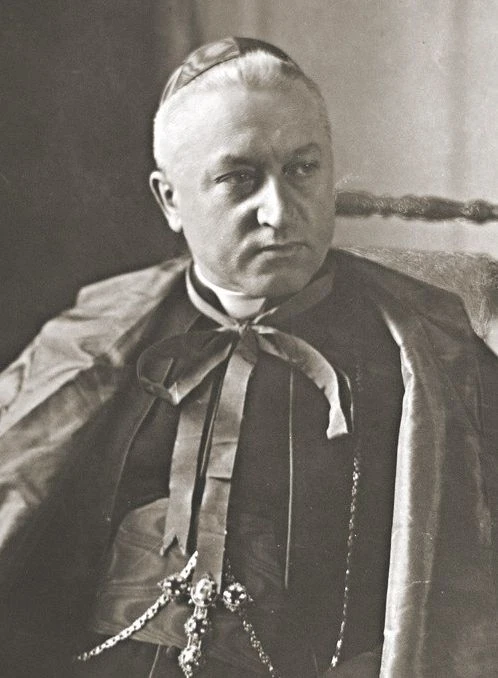
Cardinal Hlond — the Vatican's instruction
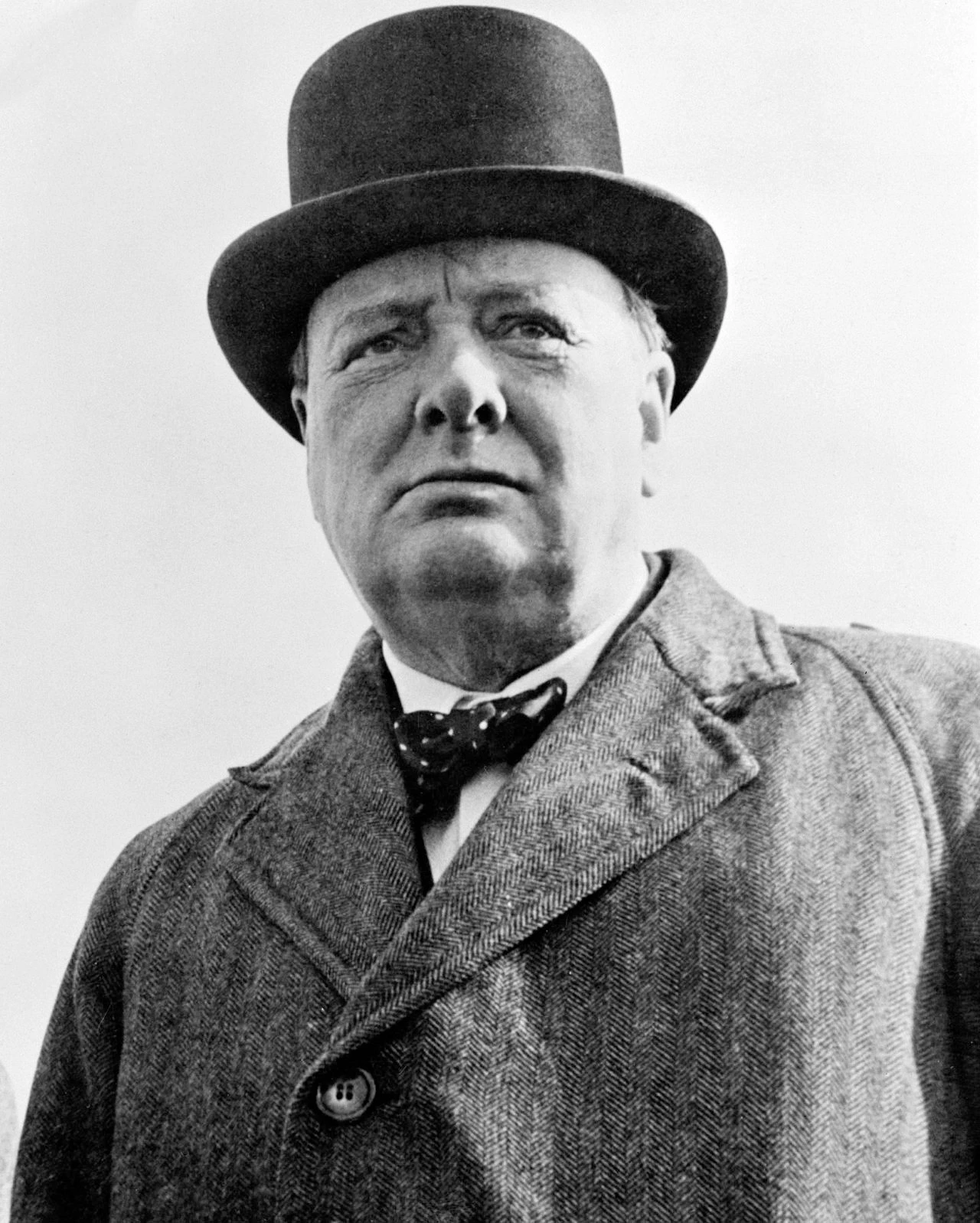
Churchill in power
Cardinal Sapieha — Krakow under Occupation
De Gaulle at the BBC microphone — 18 June, 18:00
Bishop Adamski in annexed Katowice
Karaszewicz-Tokarzewski — Founding the SZP
The Massilia — Bordeaux 21 June
René Cassin Reaches London — 29 June
Sosnkowski — KSK, 27 November
The Appeal of 18 June
Cardinal Hlond — the Vatican's instruction