
The German Student Facing the Nazification of the University (1939)
In the autumn of 1939, German universities have been nazified since 1933. The Nationalsozialistischer Deutscher Studentenbund (NSDStB, National Socialist German Students' League) oversees student life, monitors teachers, and took part in the exclusion of Jewish professors and students and in the book burning of 10 May 1933. Joining its organizations makes exams, scholarships, and access to careers easier.
A medical student from a modest background must register for the semester. The labor service (Reichsarbeitsdienst) and then military obligations already weigh on his generation, and war has just broken out in the East.
He can actively commit to the Nazi student leadership, conform in silence in order to continue his studies, or attempt a quiet withdrawal at the risk of marginalizing himself.
At the start of the autumn 1939 term, how does this student position himself in the face of the Nazi grip on his university?
The vast majority of German students chose conformism: membership or token participation in Nazi structures (NSDStB, student organizations, Reichsarbeitsdienst), out of career opportunism or fear, without activist commitment or resistance. As early as 1933, the NSDStB had coordinated (Gleichschaltung) the universities, supervised students, and contributed to the exclusion of Jews and opponents; by 1939 this control was routine and open opposition remained marginal and dangerous. Silent conformism was the most widespread documented behavior.
Learn more about this event
Related polls
10
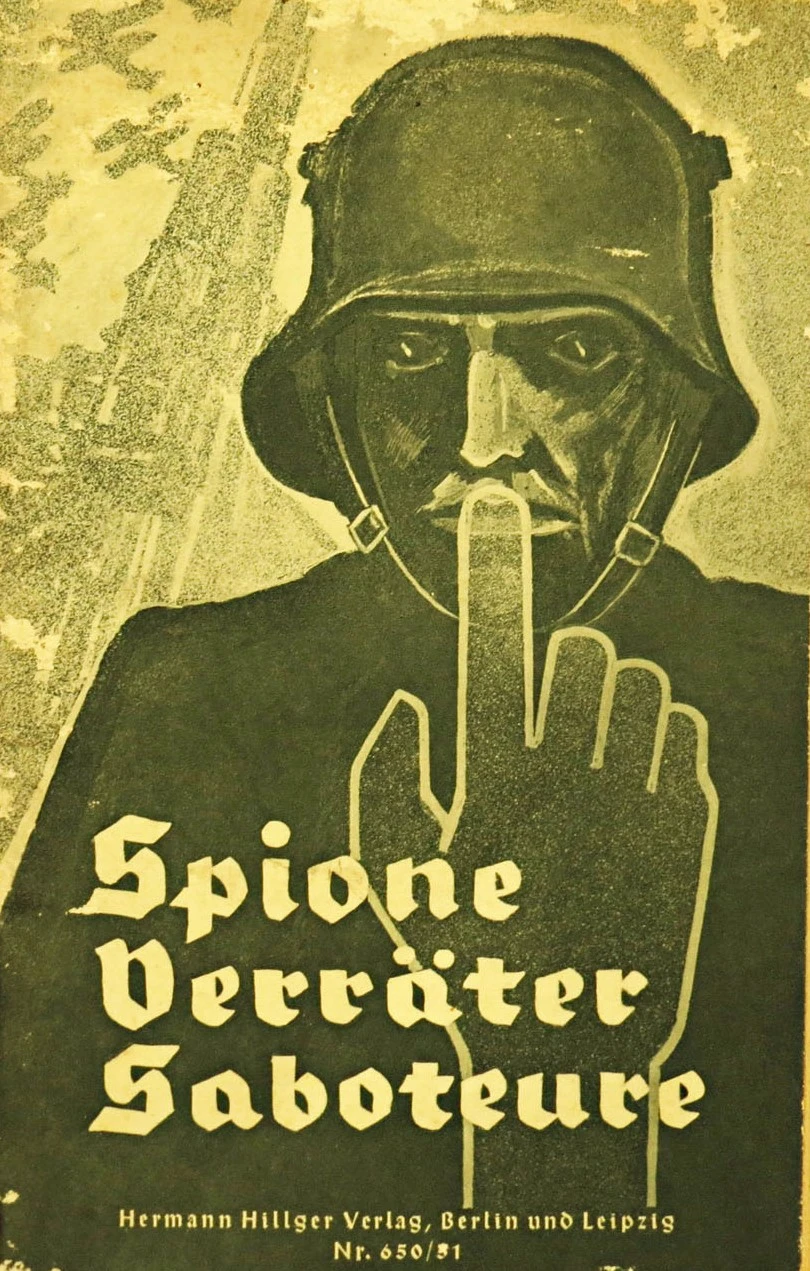
The Karten: Rationing Germany at War

Join the Party?
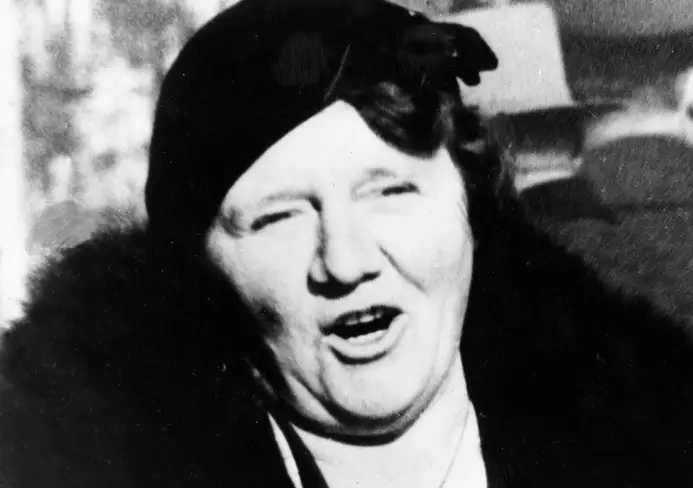
The Youth of the Reich
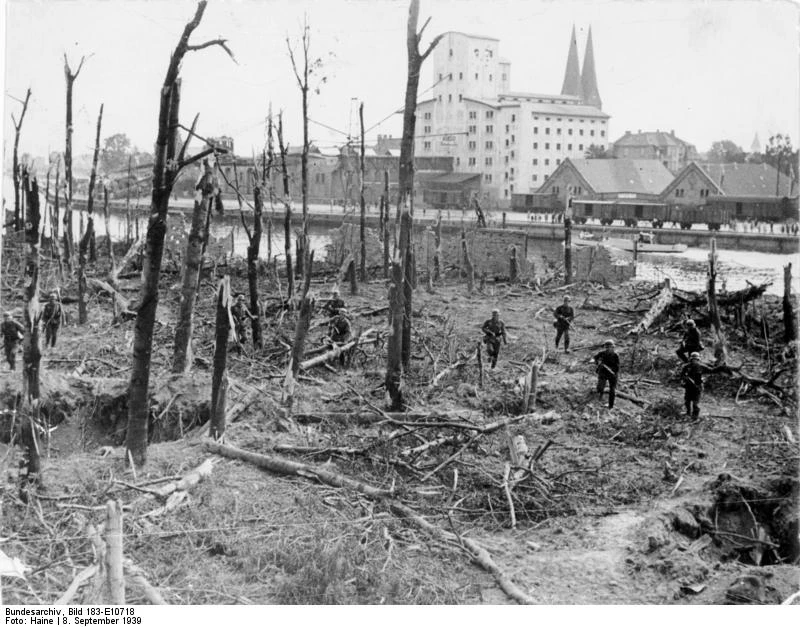
A Danzig Customs Officer on the Day of Annexation
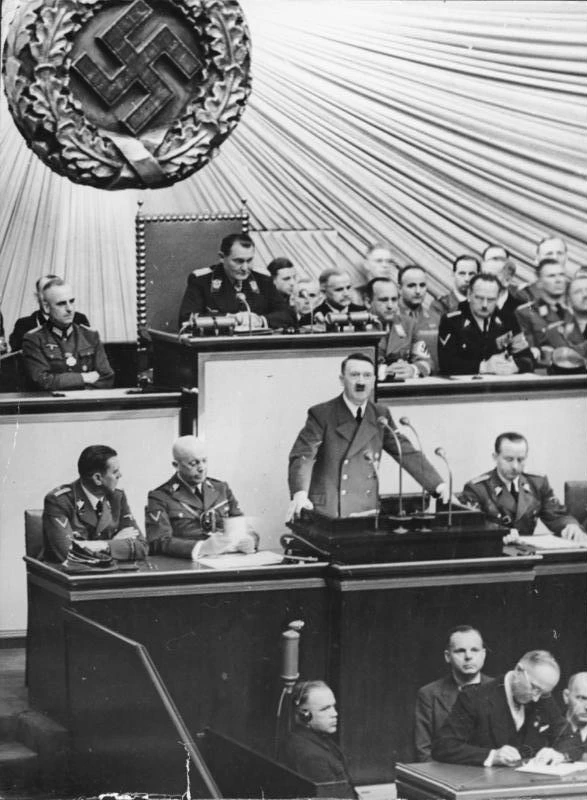
Hitler — the Reichstag Speech
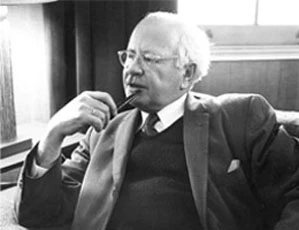
A Correspondent in Berlin
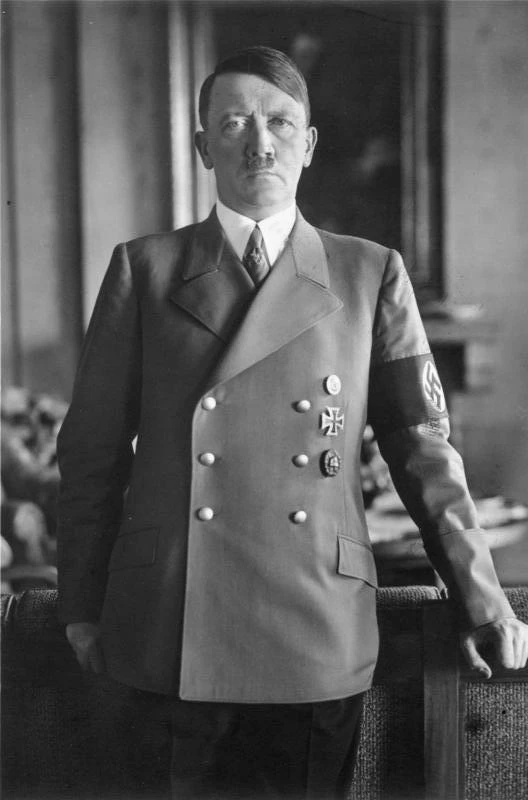
The Obersalzberg Speech
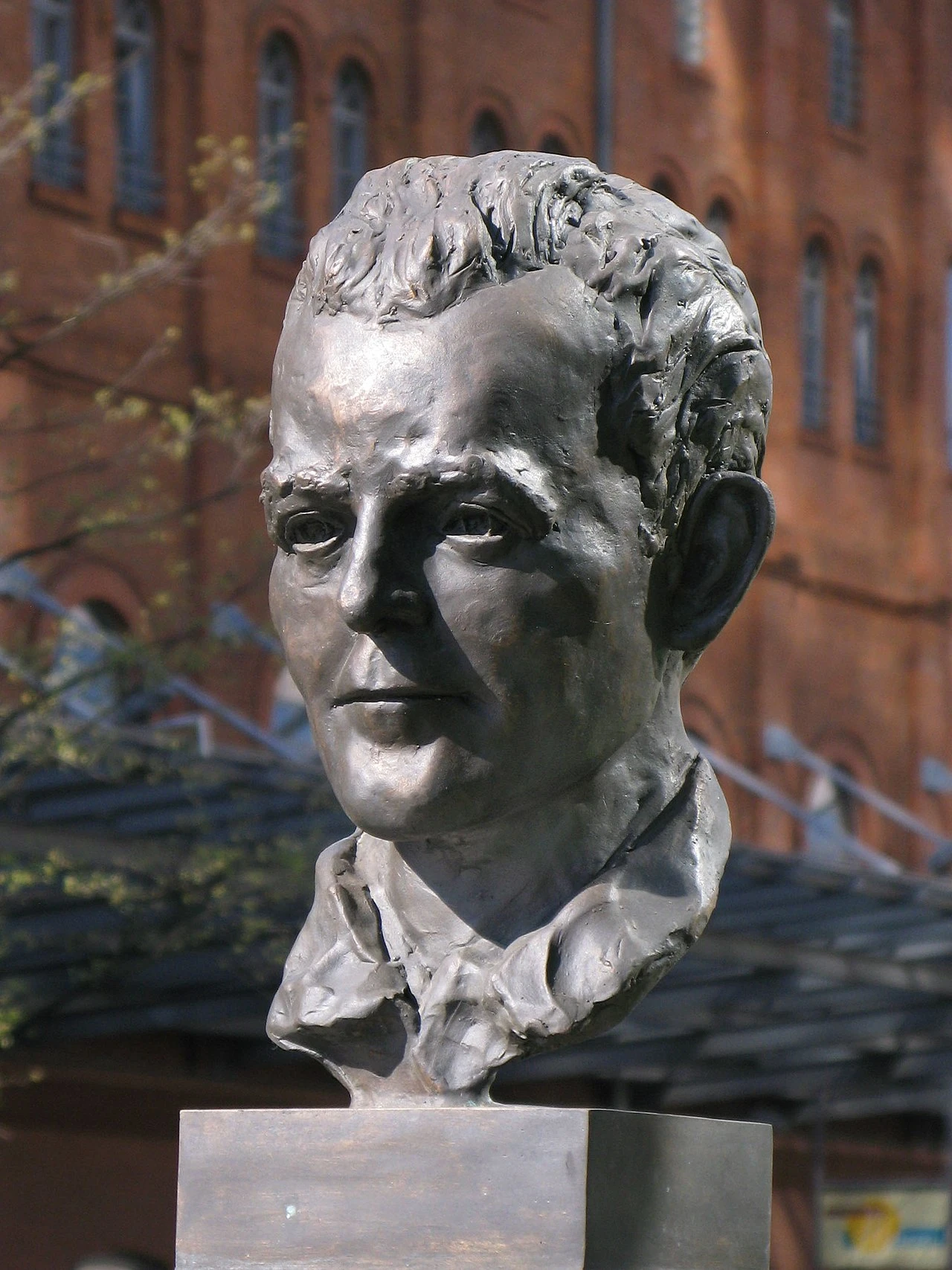
Elser in Munich — Bürgerbräukeller, 9.20 p.m.
Hannah Arendt, Stateless and Interned, Facing Exile
Hitler Postpones Fall Weiss
The Karten: Rationing Germany at War
Join the Party?
The Youth of the Reich
A Danzig Customs Officer on the Day of Annexation
Hitler — the Reichstag Speech
A Correspondent in Berlin
The Obersalzberg Speech
Elser in Munich — Bürgerbräukeller, 9.20 p.m.
Hannah Arendt, Stateless and Interned, Facing Exile