
The Champs-Élysées — 14 June, noon
On the morning of 14 June 1940, the troops of General von Studnitz () enter Paris, declared an open city. Around 09:00 a swastika flag is raised on the Arc de Triomphe, presented as a tribute to the German soldiers fallen in 1914-1918. The capital is calm, but three-quarters empty: the population has fled in the exodus.
The German staff wants to mark the taking of Paris symbolically. The idea of a parade down the Champs-Élysées — guard of honour, fanfare, military music — is on the table. The question is how to calibrate the effect: too ostentatious a show of force risks incidents among a humiliated population, while too discreet an entry would miss the chance to assert the new authority.
For von Studnitz's officers the calculation is as political as it is military: to produce the image of victory, captured by the propaganda cameramen, while avoiding the spark that would set fire to a barely occupied city.
Should the occupier stage a musical parade down the Champs-Élysées?
The occupier goes with A: a musical parade marches down the Champs-Élysées at noon on 14 June. The German newsreels make it one of the most widely circulated images of the fall of France — columns goose-stepping under the Arc de Triomphe, the avenue almost deserted. The image is partly misleading: the population had fled en masse, but those who remained often watched from afar, stunned. This parade, reused in Nazi propaganda (notably the film Sieg im Westen), becomes the global icon of French defeat and the symbol of the four years of occupation now opening. The photograph of the Arc de Triomphe under the swastika will remain one of the most reproduced images of the conflict.
Learn more about this event
Related polls
10
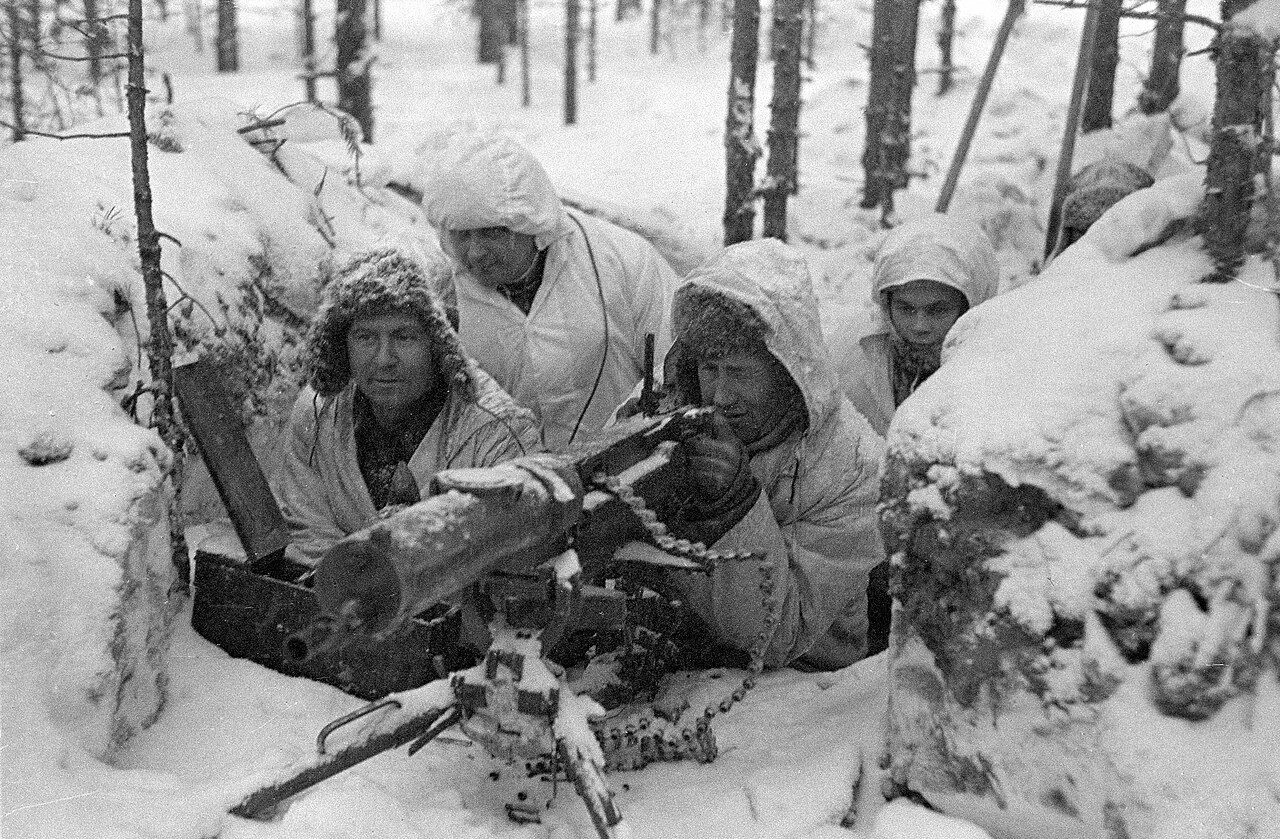
The Supreme Allied Council faces Finland
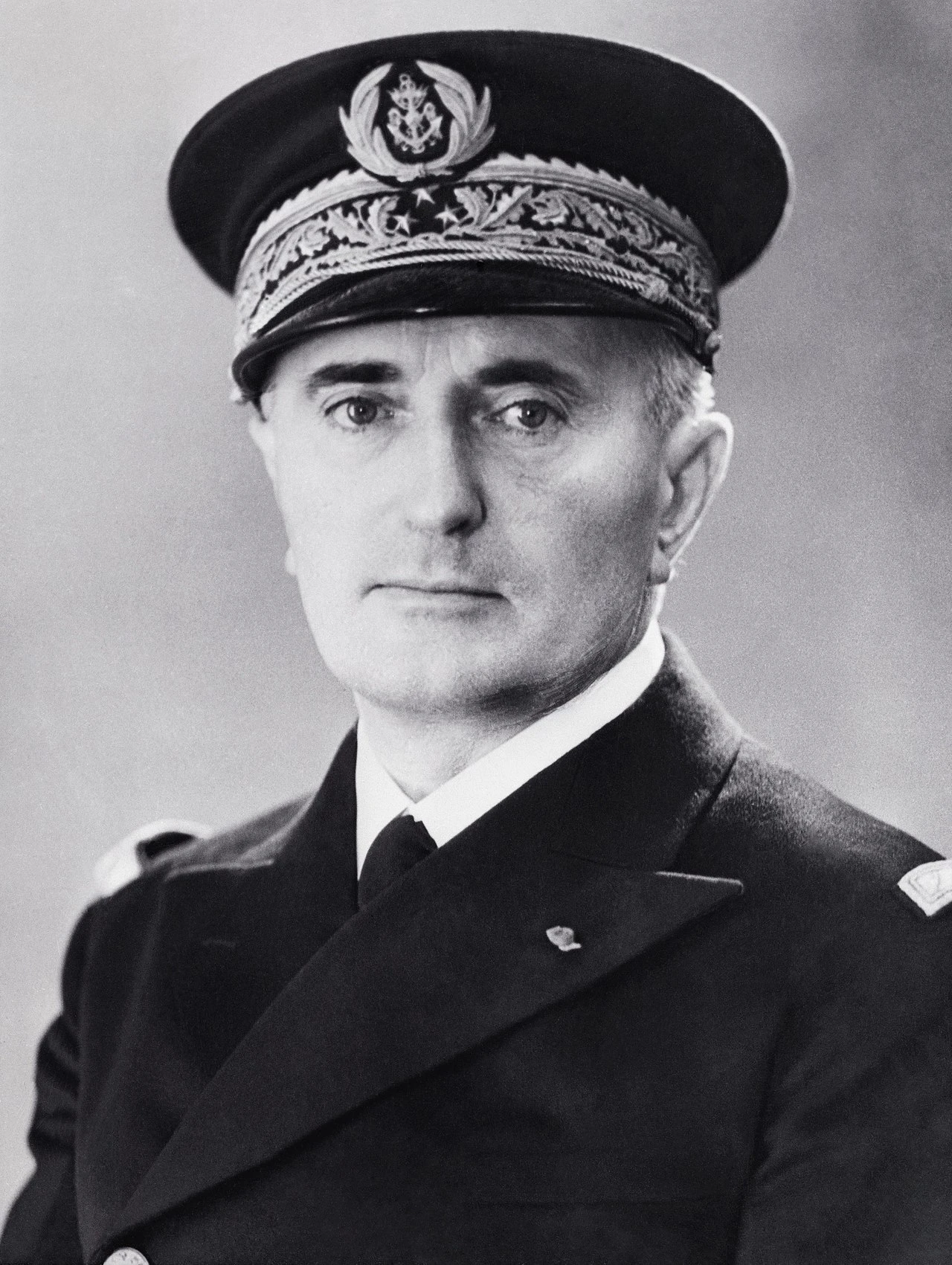
Darlan and the fleet — 20 June
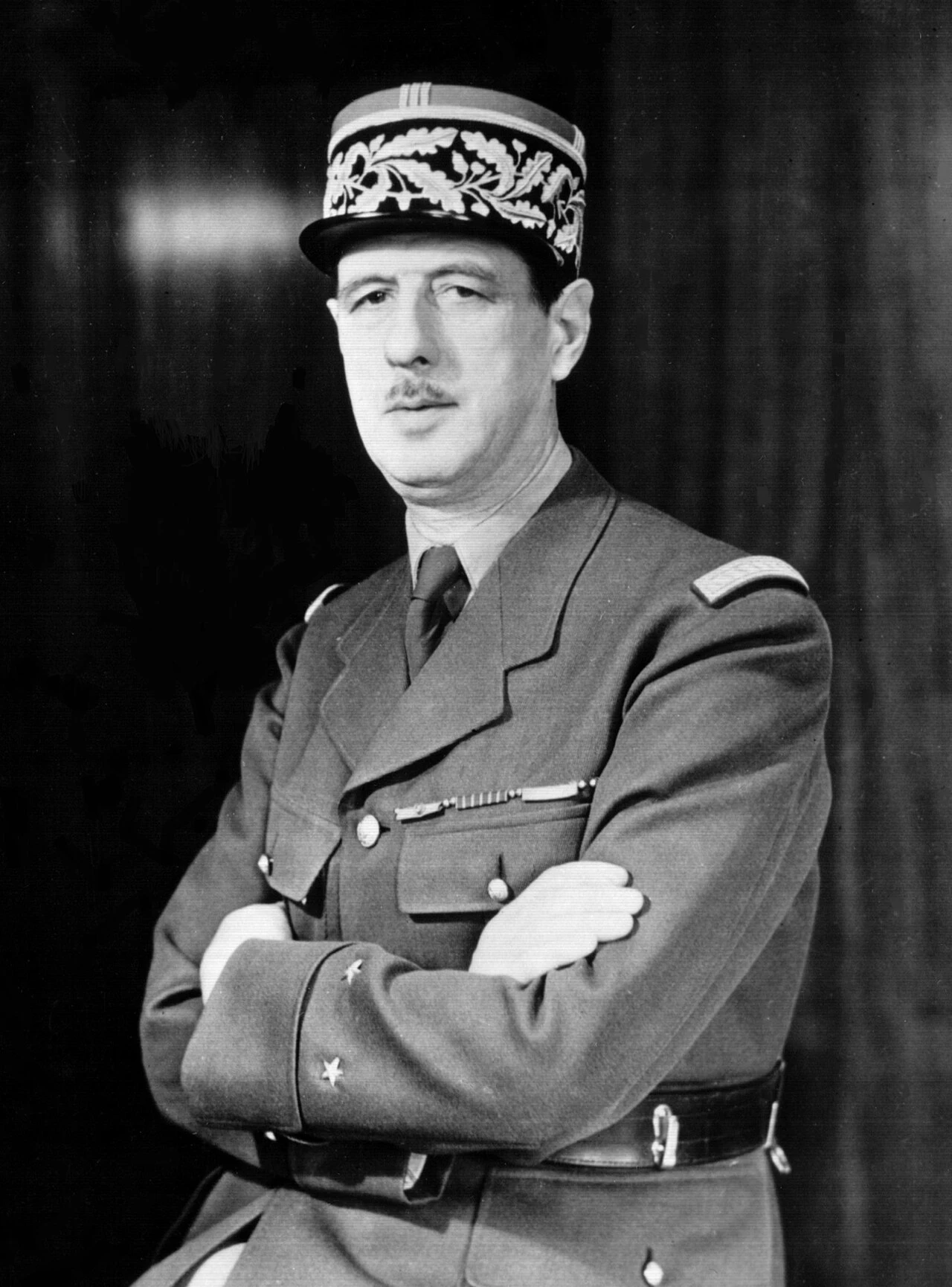
De Gaulle joins the government — 5 June
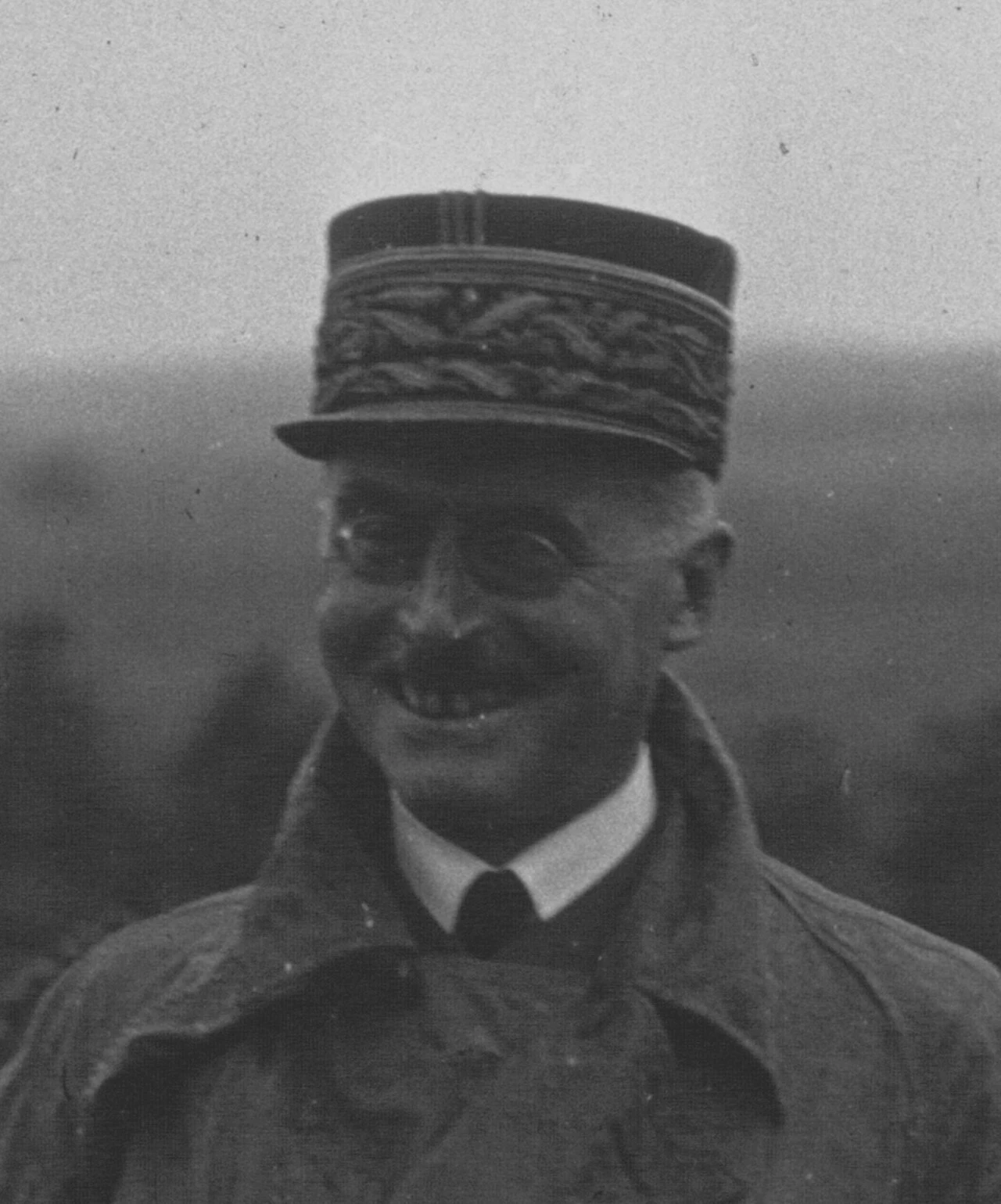
Héring — Paris open city, 13 June
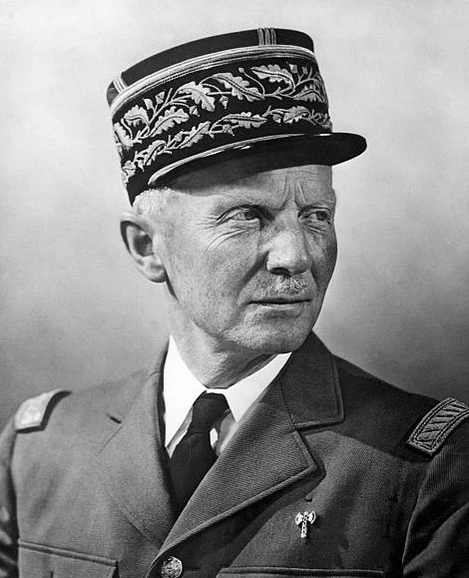
Huntziger in Foch's Carriage — 22 June
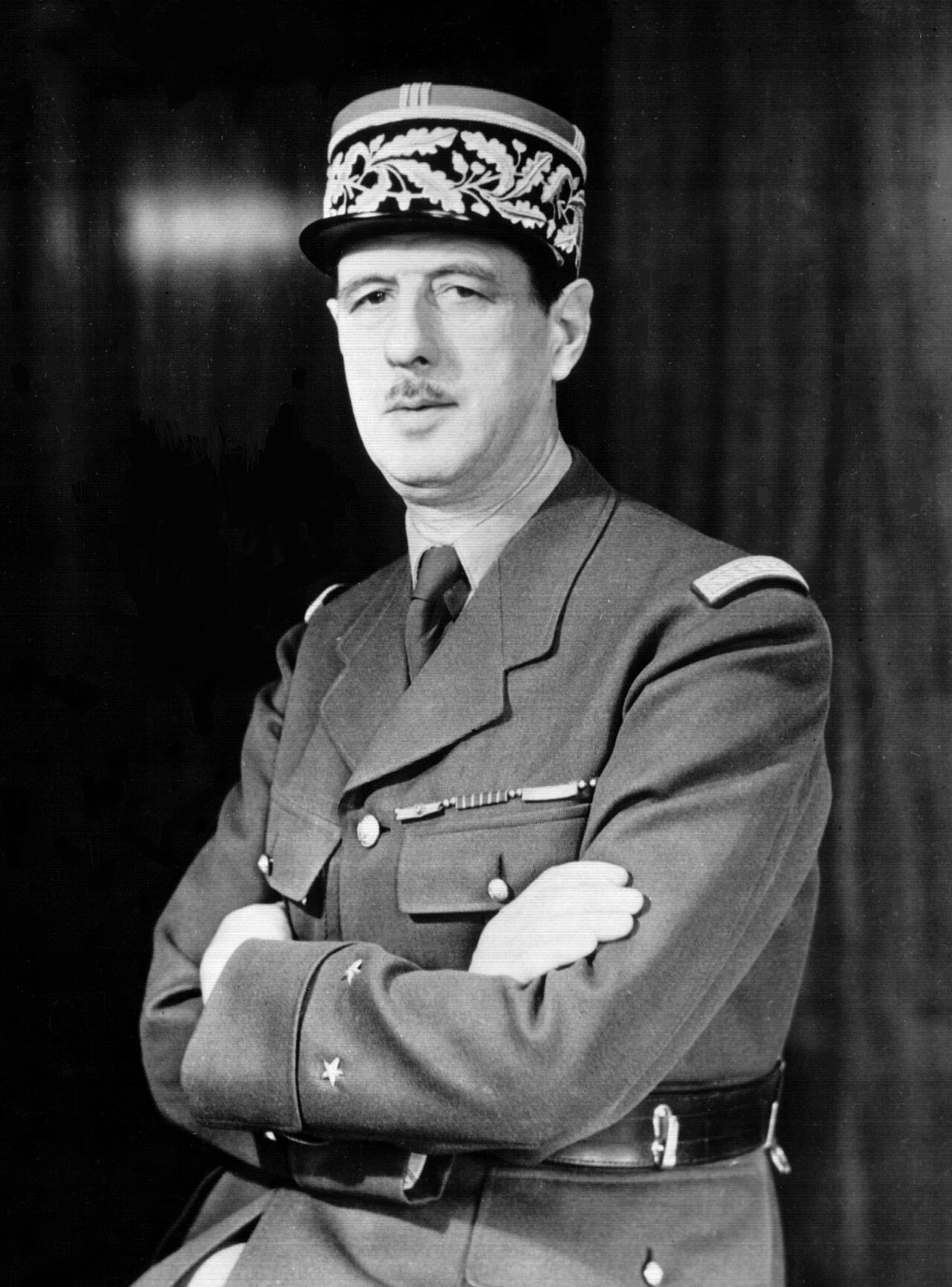
Mérignac — de Gaulle and Spears's aircraft
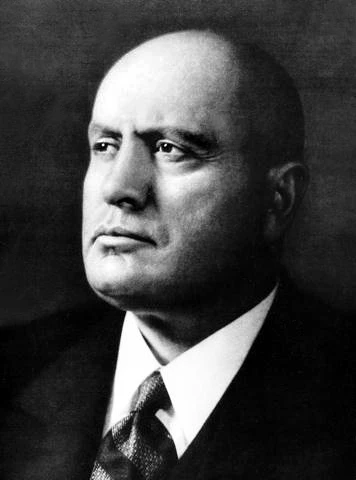
Mussolini, the Duce and the "Fait Accompli" — Rome, 15 October 1940
Olry and the Army of the Alps — Briançon
Pétain at the microphone — Bordeaux, 17 June, noon
Pétain forms his government — 16 June, 23:00
The Supreme Allied Council faces Finland
Darlan and the fleet — 20 June
De Gaulle joins the government — 5 June
Héring — Paris open city, 13 June
Huntziger in Foch's Carriage — 22 June
Mérignac — de Gaulle and Spears's aircraft
Mussolini, the Duce and the "Fait Accompli" — Rome, 15 October 1940
Olry and the Army of the Alps — Briançon
Pétain at the microphone — Bordeaux, 17 June, noon