
The Press under German Control
As soon as the occupation was installed, Germany brought the press into line. The major Belgian dailies, read by hundreds of thousands of people, were ordered to reappear under German censorship — or to fall silent. The occupier wanted newspapers that looked normal but relayed its propaganda and kept silent about what displeased it.
For our editor-in-chief, the choice was agonising. To continue publishing under control was to keep an informational link with the population and preserve the editorial staff's jobs, but at the cost of censorship and the dissemination of enemy propaganda. To cease publication was to save the title's honour, but to leave the field open to the openly collaborationist newspapers.
Our editor could continue publishing under censorship while trying to preserve some margin; scuttle the newspaper by refusing to appear under German control; or let the occupier "steal" the title by withdrawing from it. Some newspapers would indeed be confiscated and published against their owners' will — this was the phenomenon of the "stolen press".
Should our editor continue publishing under censorship, scuttle the newspaper, or withdraw?
The reactions were divided. Several major titles chose B: their owners refused to appear under censorship and voluntarily ceased publication — the daily Le Soir, for example, was taken over against its directors' will and became the "stolen Soir", an instrument of propaganda, which would inspire one of the most famous coups of the Resistance (the fake Soir of 1943). Other newspapers continued to appear under control (option A). The press landscape split between scuttled, "stolen" and collaborationist titles, illustrating the dilemmas of information under the occupation.
Learn more about this event
Related polls
10
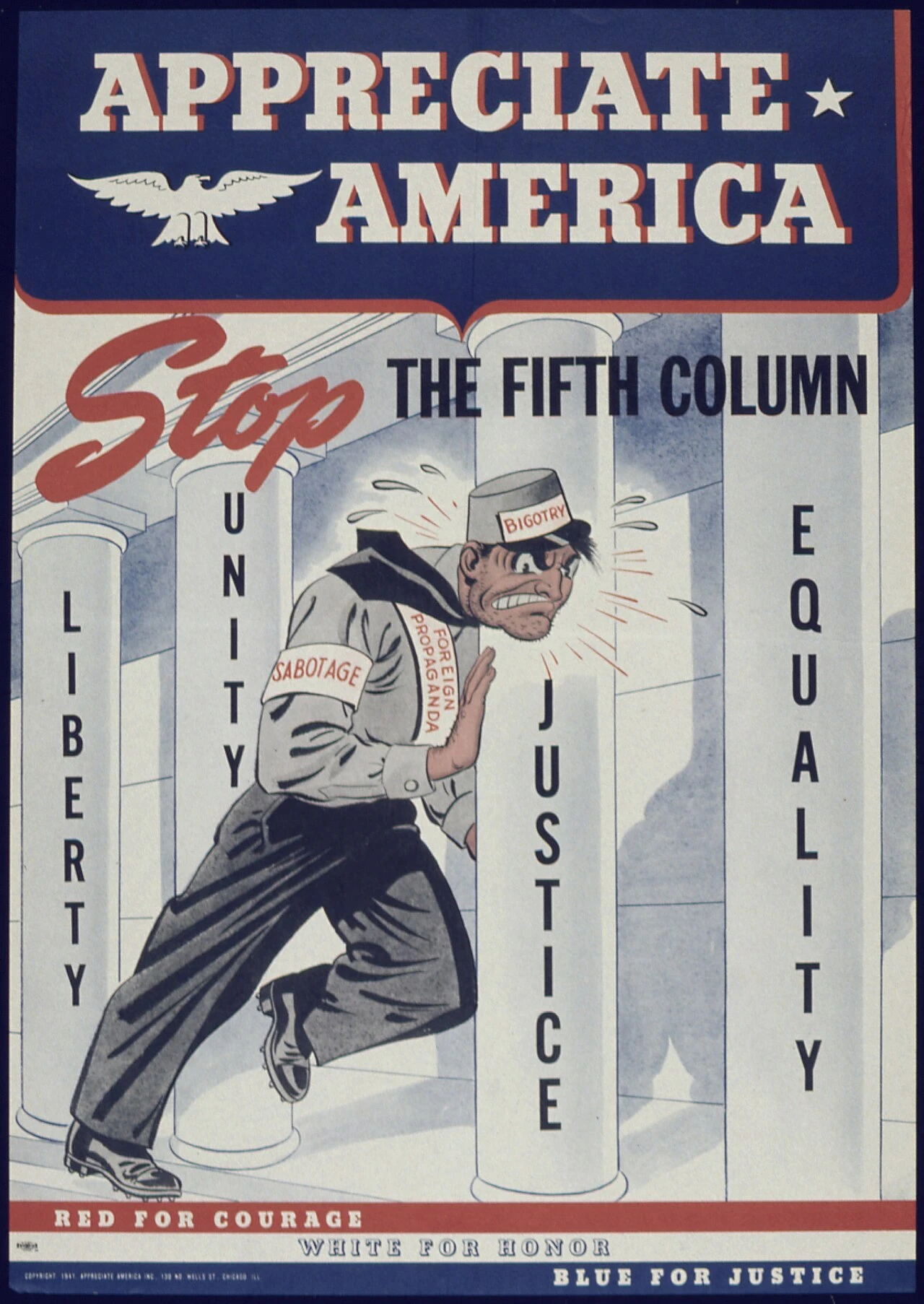
The fifth-column psychosis
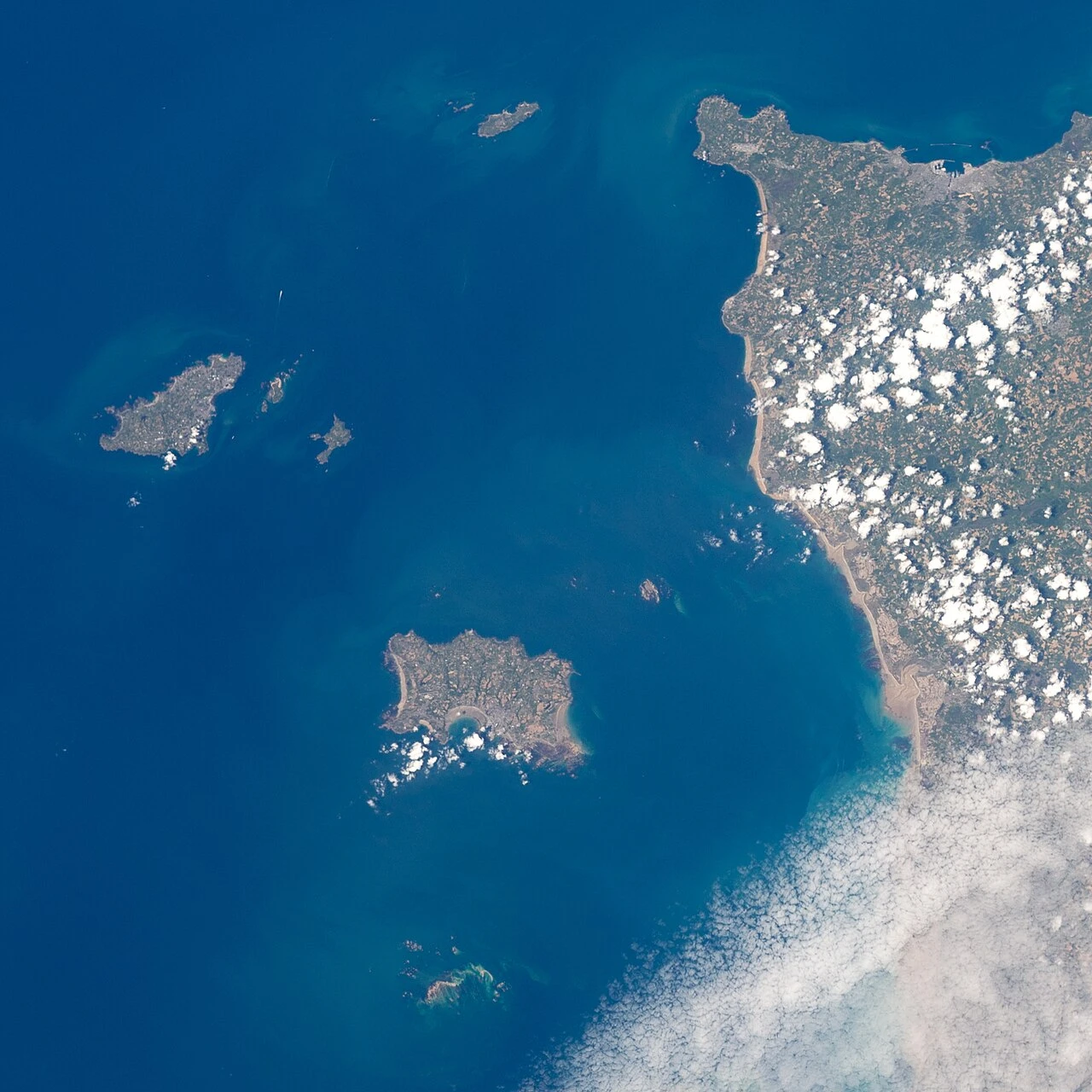
The Channel Islands — open city?
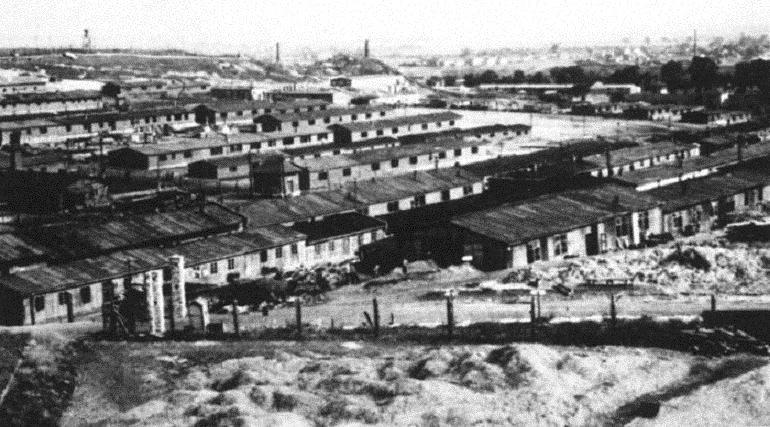
The Upper Silesian Pole Subjected to Forced Labour
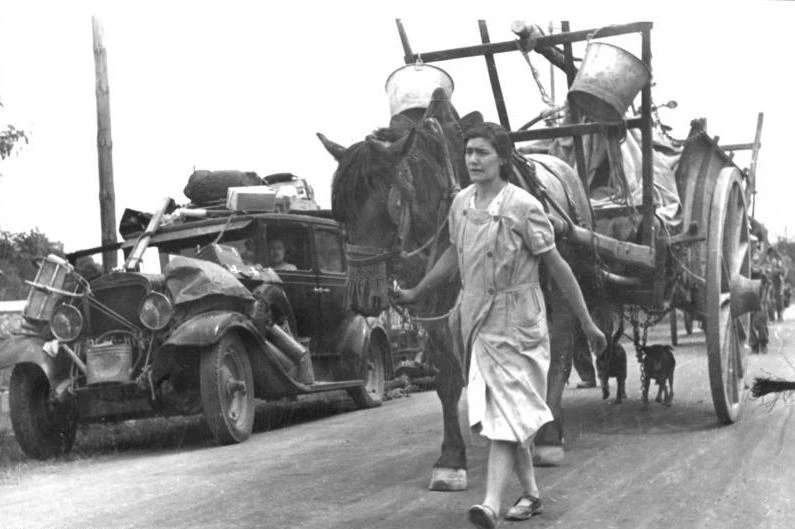
The return from the exodus

The burgomaster faced with requisitions
Cambridge, 1939: The Evacuated LSE Student and Conscription

The Camps of the Retirada
The Capitulation of 28 May
Czerniaków — the offer of the Judenrat
Danzig, September 1939 — the policeman of the Free City
The fifth-column psychosis
The Channel Islands — open city?
The Upper Silesian Pole Subjected to Forced Labour
The return from the exodus
The burgomaster faced with requisitions
Cambridge, 1939: The Evacuated LSE Student and Conscription
The Camps of the Retirada
The Capitulation of 28 May
Czerniaków — the offer of the Judenrat