
Chasselay — the captured tirailleurs
In June 1940, as France collapsed, West African riflemen ("tirailleurs sénégalais") of the French army fiercely defended the approaches to Lyon, notably around Chasselay. These colonial soldiers, integrated into the French army, fought valiantly to delay the German advance.
After the fighting, these riflemen were taken prisoner. Yet Nazi ideology, profoundly racist, regarded black soldiers with hateful contempt. The local German command, to which units of the Wehrmacht and the Waffen-SS belonged, then faced a choice that should never have been one regarding the fate of these disarmed combatants.
The Germans could respect the prisoner-of-war status of the captured riflemen, as the laws of war required. Or mistreat them without going so far as murder. Or separate them from the other prisoners and reserve for them a treatment dictated by racial ideology. What would the troops holding them at their mercy decide?
Should the captured riflemen be treated as prisoners of war, or separated to be executed?
German units, including the , chose C: on 19–20 June 1940, at Chasselay and its surroundings, several dozen captured West African riflemen (estimates vary, from several dozen to around 50 at this site, more in the region) were summarily executed, sometimes crushed beneath tanks, for the sole reason of their skin colour. This massacre, one of several committed against French colonial troops in 1940, bears witness to the racist and criminal character of the Wehrmacht and the SS from the very start of the war, and demolishes the myth of a German army respectful of the laws. The victims rest at the Tata of Chasselay, a necropolis raised in their memory. The crime recalls the specific fate reserved for the black soldiers of the French army.
Learn more about this event
Related polls
10
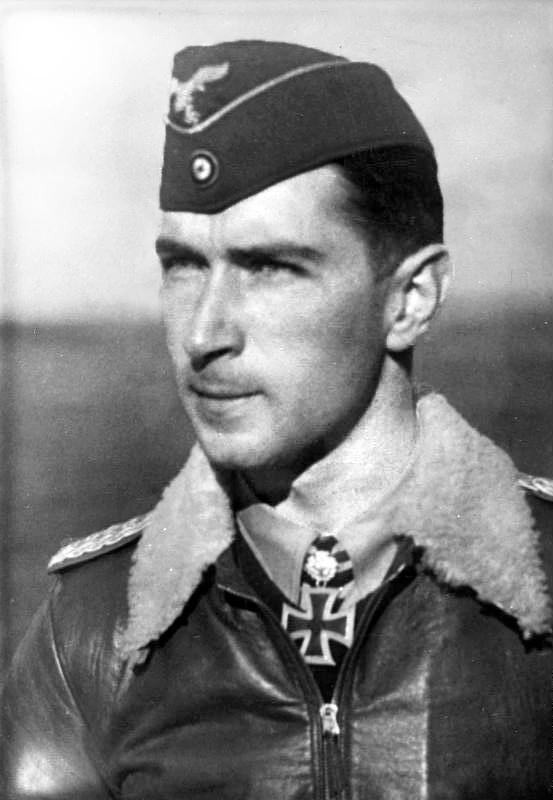
Mölders above the columns — 18 May
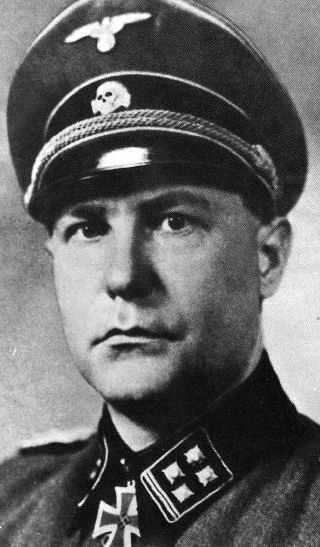
Le Paradis — the barn at Cornet-Malo
Wormhoudt — the 7th company SS-LAH
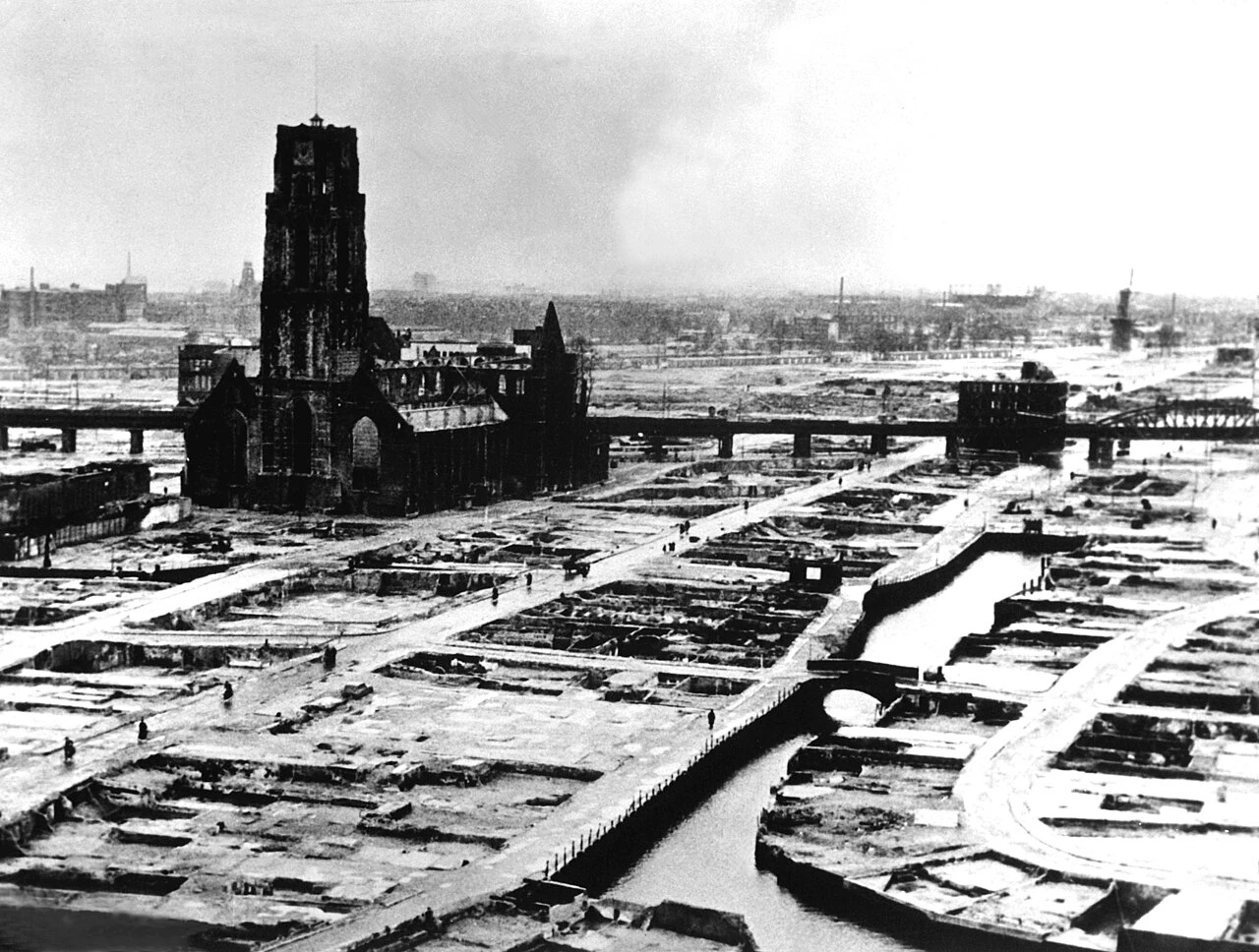
Rotterdam under the threat from the air
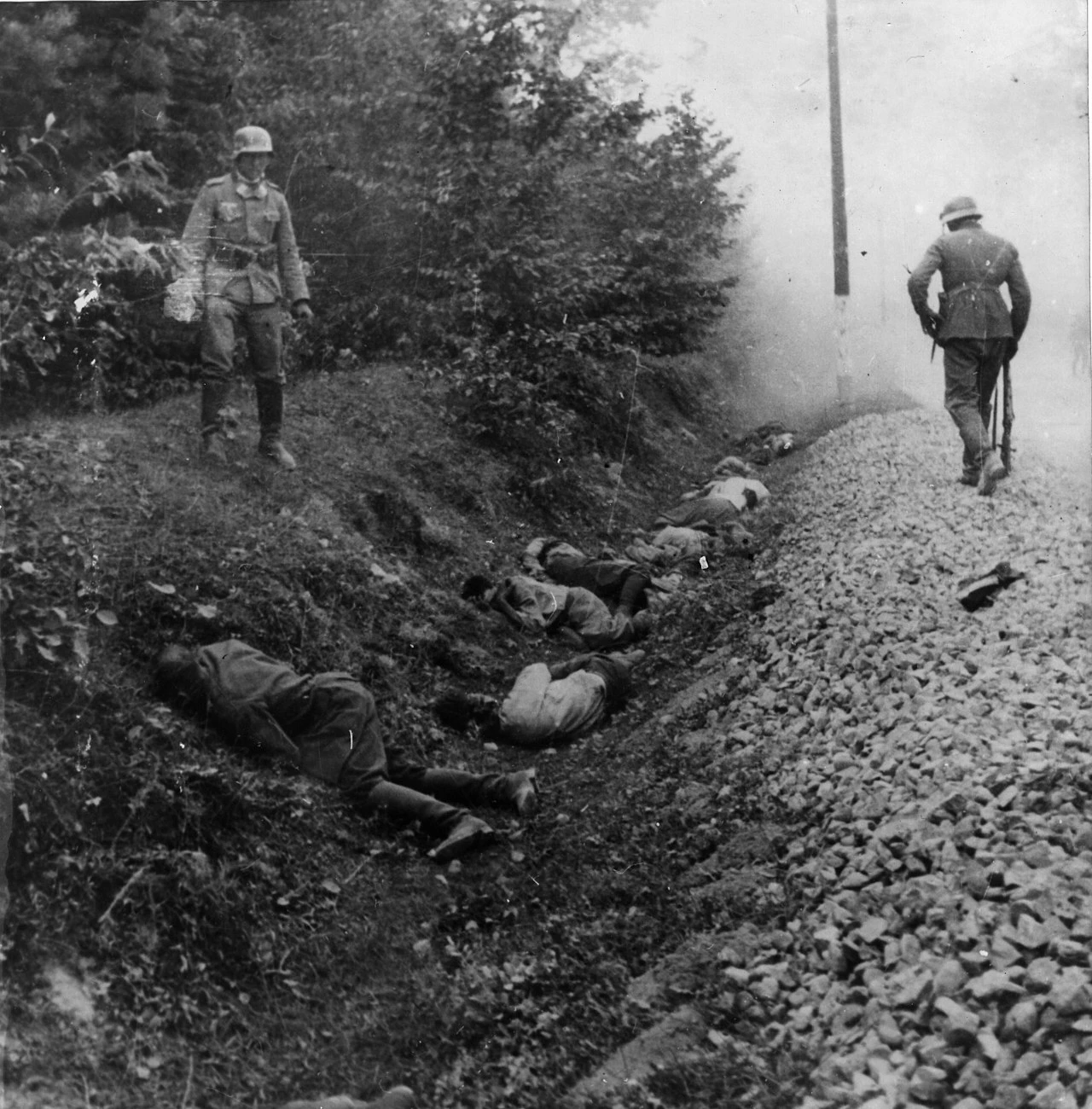
Vinkt — the suspicion of francs-tireurs
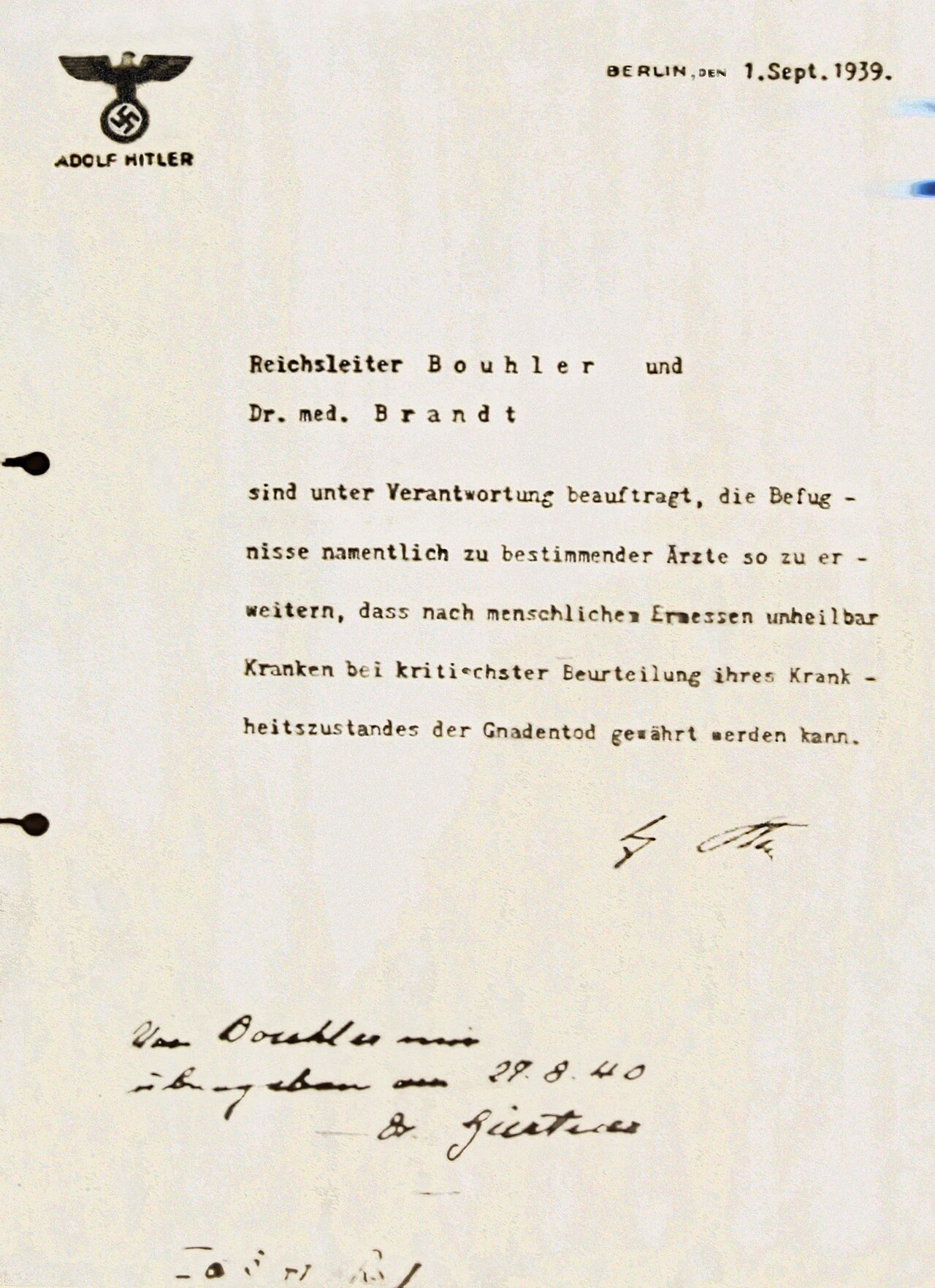
A doctor and the grey form
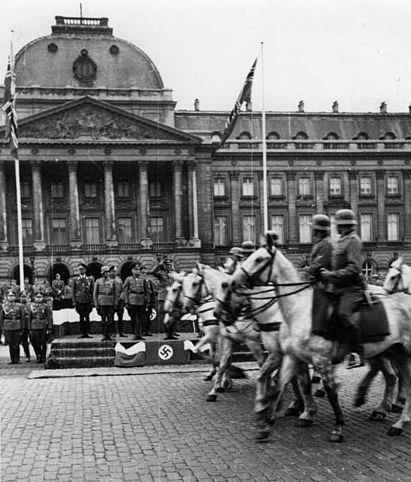
Civilian hostages
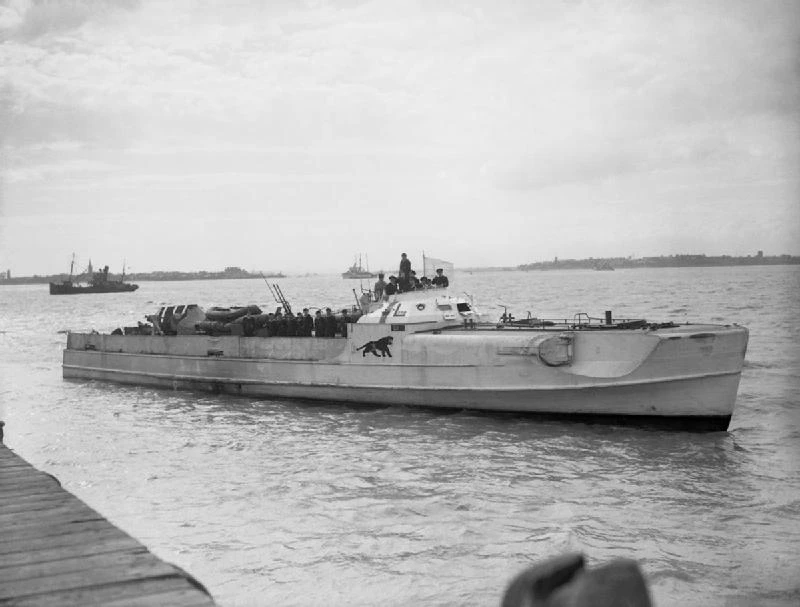
The torpedo boat and the lit Meknes
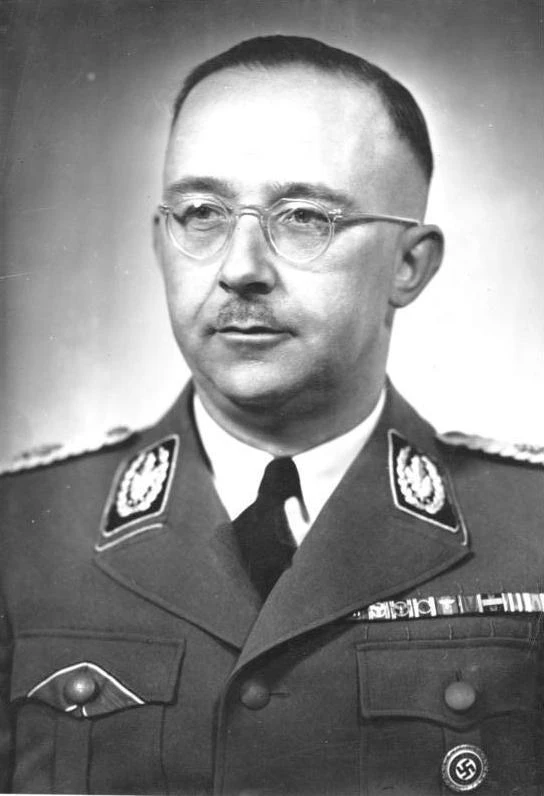
Himmler's memorandum to the Führer
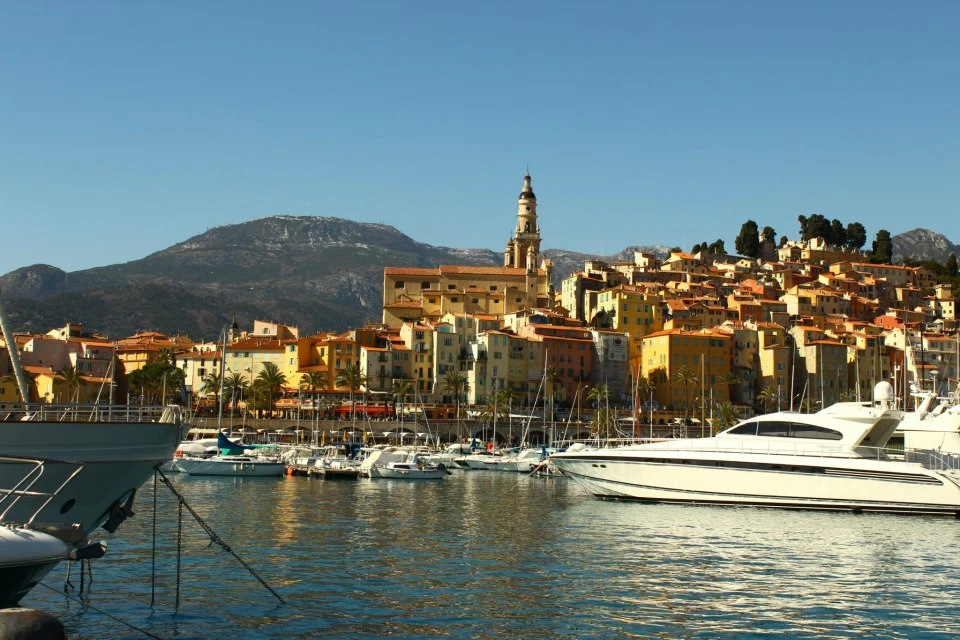
Menton, the sole Italian gain
Mölders above the columns — 18 May
Le Paradis — the barn at Cornet-Malo
Wormhoudt — the 7th company SS-LAH
Rotterdam under the threat from the air
Vinkt — the suspicion of francs-tireurs
A doctor and the grey form
Civilian hostages
The torpedo boat and the lit Meknes
Himmler's memorandum to the Führer