
The garrison of Ében-Émael
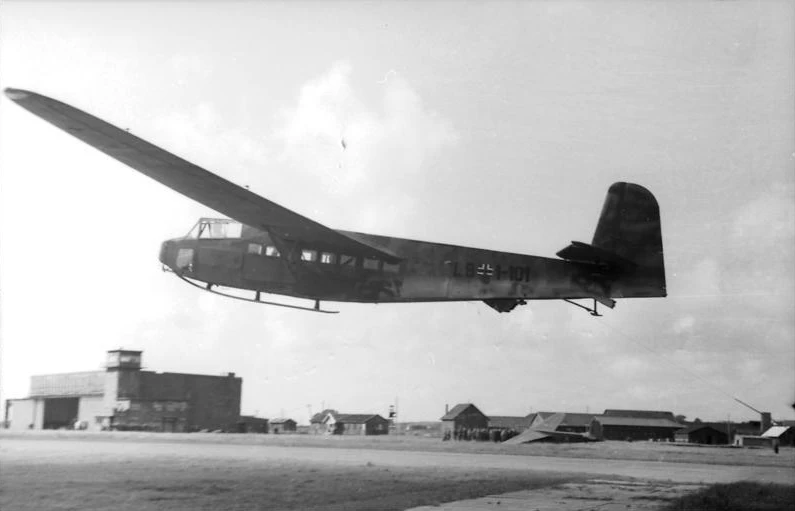
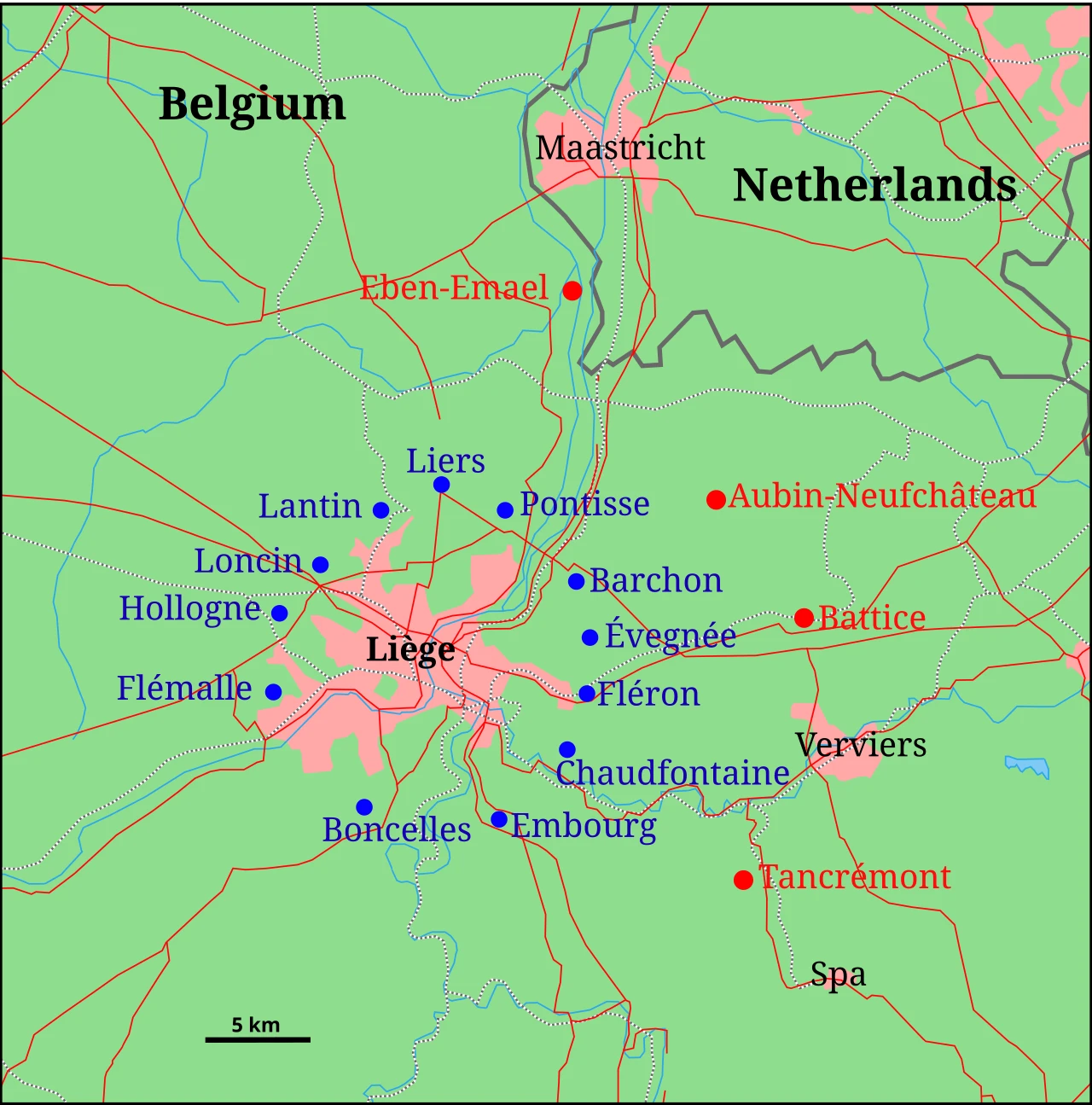
On the morning of 10 May 1940, the garrison of Ében-Émael — more than a thousand men in the fortress reputed impregnable — was struck by the unexpected: German gliders landed on the roof of the fort and neutralised its cupolas one by one with shaped charges. The enemy was above them, inside the deployment, where no one had expected him.
The garrison, stunned, nevertheless still had men and means. It could attempt a counter-attack towards the roof to retake the cupolas and dislodge the commandos, at the risk of losses. It could hold the interior of the fort and resist underground, awaiting relief from the field army. Or it could surrender, judging the situation lost once the artillery was neutralised.
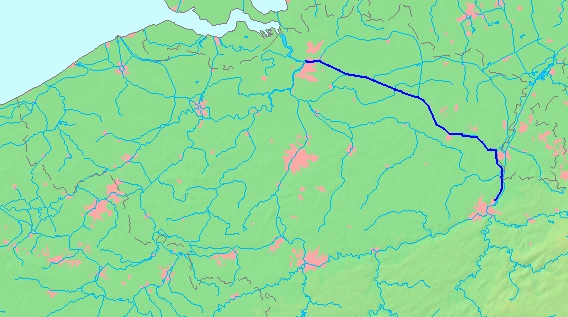
The confusion was total: communications cut, complete surprise, doctrine caught out. External relief was slow to come, the bridges of the Albert Canal fell. What to do when a fort reputed inviolable is paralysed from within in a few hours? The garrison's reaction would decide the duration of the resistance.
Should the garrison of Ében-Émael counter-attack towards the roof, hold the interior, or surrender?
The garrison wavered between A and B, but the situation was untenable: a few counter-attacks towards the roof failed, the relief from the field army did not break through, and the German commandos, soon reinforced, locked down the work. Ében-Émael surrendered on 11 May 1940, about twenty-four hours after the assault — the most modern fortress in Europe neutralised by some fifty engineer paratroopers. The speed of the fall, due to the total surprise and to a defensive doctrine caught off guard (nothing had been planned against an assault from the roof), makes it a textbook case. For the defenders, the episode remains a trauma: defeated not by numbers, but by the enemy's audacity and tactical innovation.
Learn more about this event
Related polls
10
The abatis of the Chasseurs Ardennais
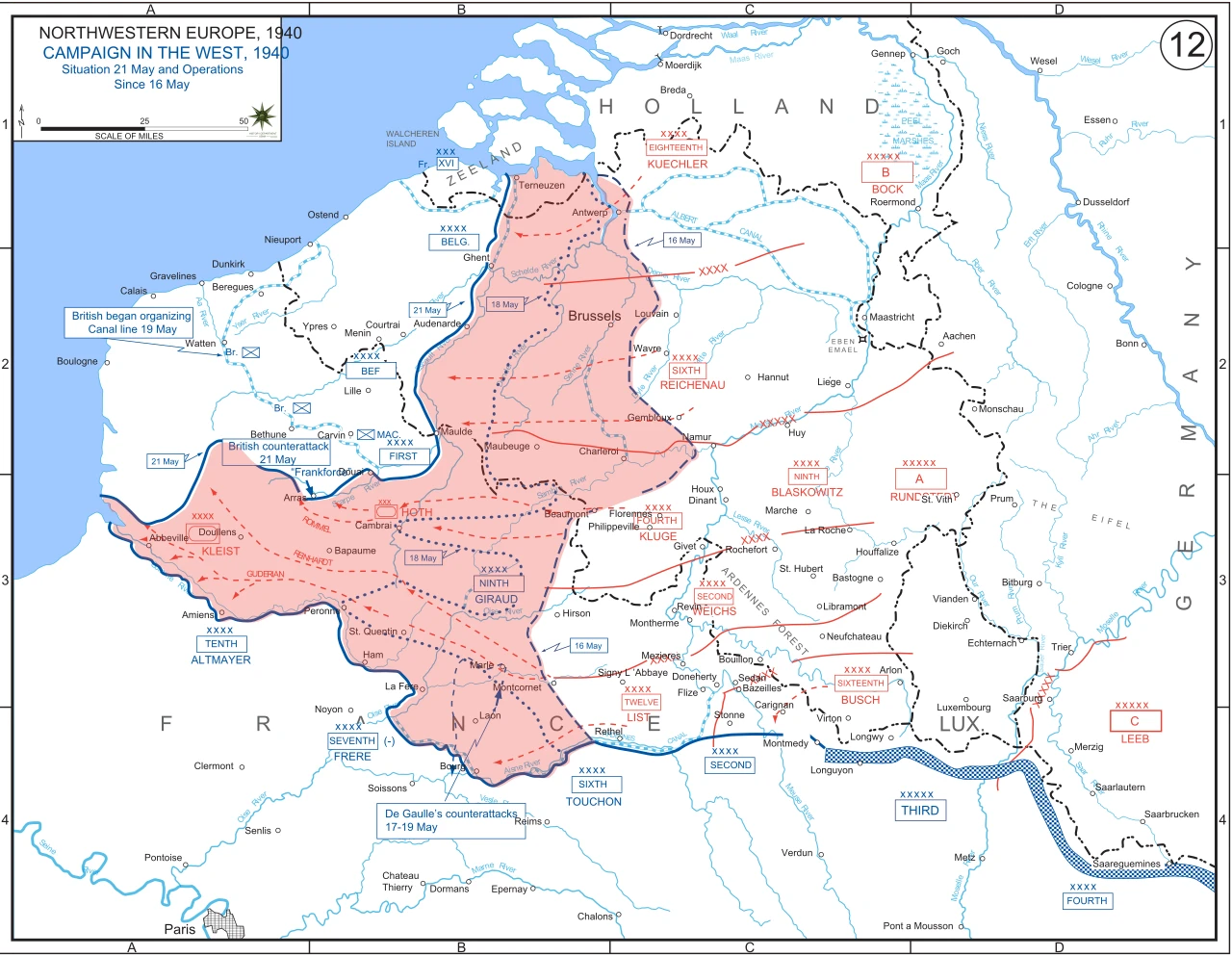
The Battle of the Lys
The bridges of the Meuse
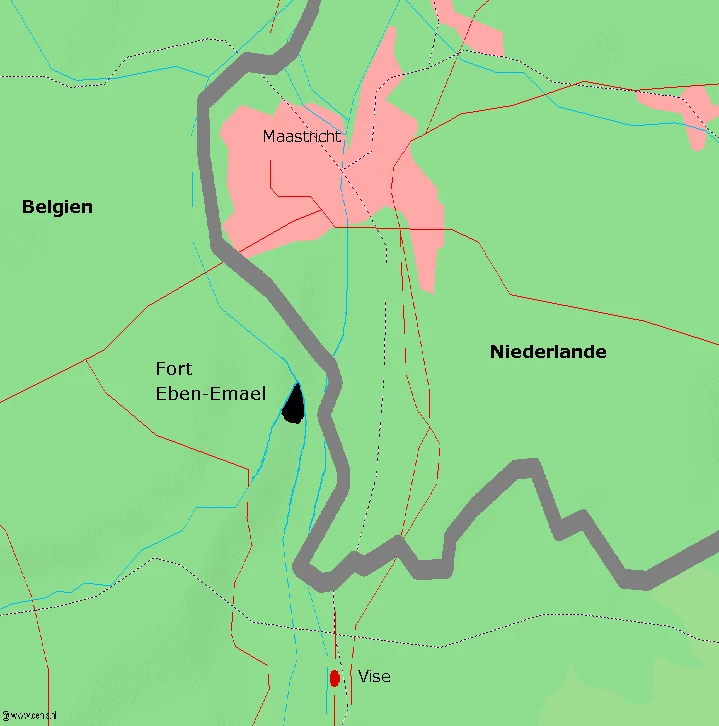
Eben-Emael — Jottrand under the explosions
The charges are set beneath the deck
Kanne bridge — fourth airborne target
Veldwezelt bridge — Beert and the demolition officer
Vroenhoven bridge — the demolition order
The bridges of the Albert Canal
The fortified position of Liège
The abatis of the Chasseurs Ardennais
The Battle of the Lys
The bridges of the Meuse
Eben-Emael — Jottrand under the explosions
The charges are set beneath the deck
Kanne bridge — fourth airborne target
Veldwezelt bridge — Beert and the demolition officer
Vroenhoven bridge — the demolition order
The bridges of the Albert Canal