
Daladier — Thorez's Defection
, fifty-five, has been President of the French Council since April 1938 and Minister of National Defence. The Parti Communiste Francais (PCF) numbers 320,000 members in 1938 and seventy-two deputies in the Chamber, and controls several large municipalities — notably the Paris "red belt." Its general secretary is one of the leading political figures of the 1936 Popular Front.
The German-Soviet Pact of 23 August 1939 plunges the PCF into an existential crisis. Until then it had supported the antifascist line. On 25 August, L'Humanite publishes a communique: it is necessary to "fight the fascists and defend the Republic." But on 30 August, on direct instructions from the Comintern, the PCF reverses its line: the Franco-British war against Germany is "imperialist," support for national defence is refused.
On 4 September the Minister of the Interior orders the seizure of L'Humanite and Ce Soir. On 8 September several communist trade-unionists (CGTU) are arrested. On 25 September, at Brussels, deserts his regiment (the at Saint-Nicolas) and takes refuge in the USSR via Belgium. Daladier faces an unprecedented political situation: a major legal party openly defying the national war effort.
What to do about the PCF in the forty-eight hours after Thorez's desertion?
Daladier chooses A. On 26 September 1939, by decree-law, the Parti Communiste Francais is administratively dissolved. All the assets of the party and of affiliated bodies (CGT-U, Secours Rouge International, the journals L'Humanite, Ce Soir, Regards) are seized. The communist municipalities are placed under prefectural administration. From 8 October 1939 to 5 April 1940, forty-four communist deputies are arrested and sent to the so-called "trial of the Forty" before the Paris military tribunal (April 1940): sentences of two to five years. Thorez is tried in absentia and condemned to death for desertion (the sentence commuted in 1947). During the Occupation the clandestine PCF will fight in the Resistance from June 1941 (after the German attack on the USSR) — but individual communists fight from 1940 (, ). Daladier's decision remains politically contested: it deprives the war effort of substantial popular support, and prepares the clandestine structures that will dominate the post-1941 Resistance. Daladier himself falls from the Council in March 1940; he will be arrested by Vichy in September 1940 (Riom trial, 1942), deported to Buchenwald and Dachau. He survives and returns to post-war politics.
Learn more about this event
Related polls
10
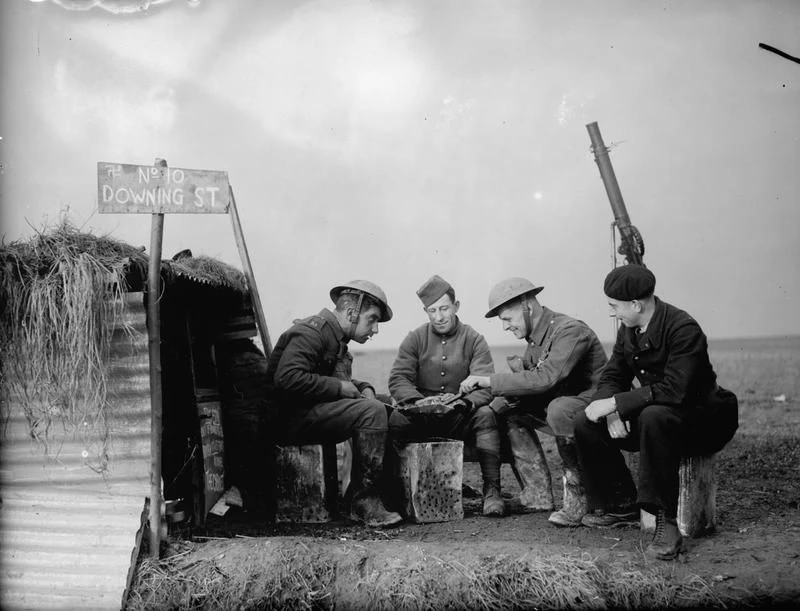
Maurras and the phoney war
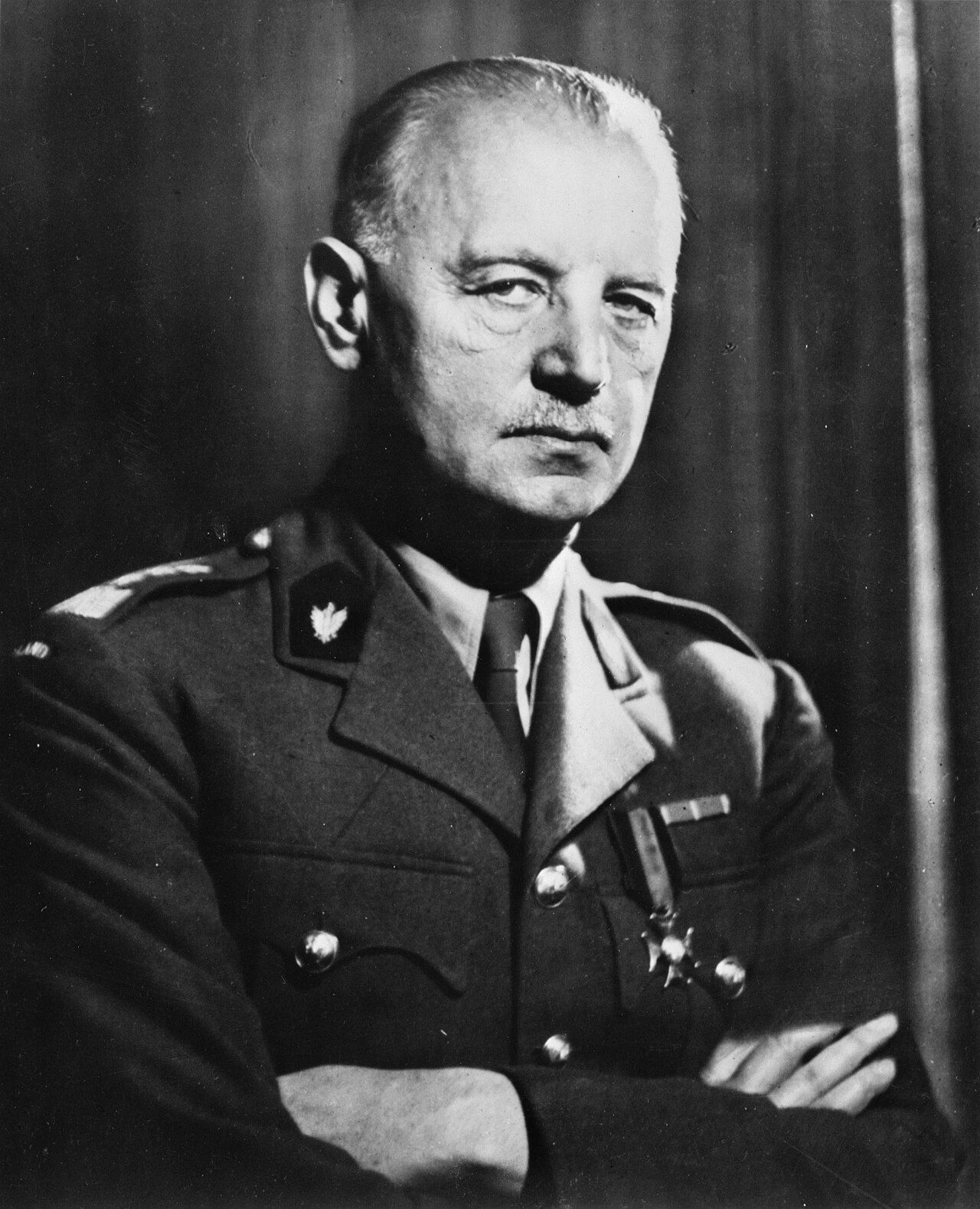
Sikorski — Paris, autumn 1939
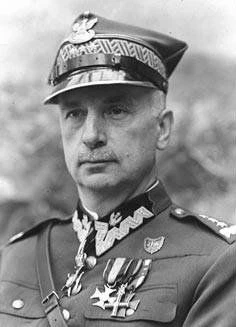
Sosnkowski — KSK, 27 November
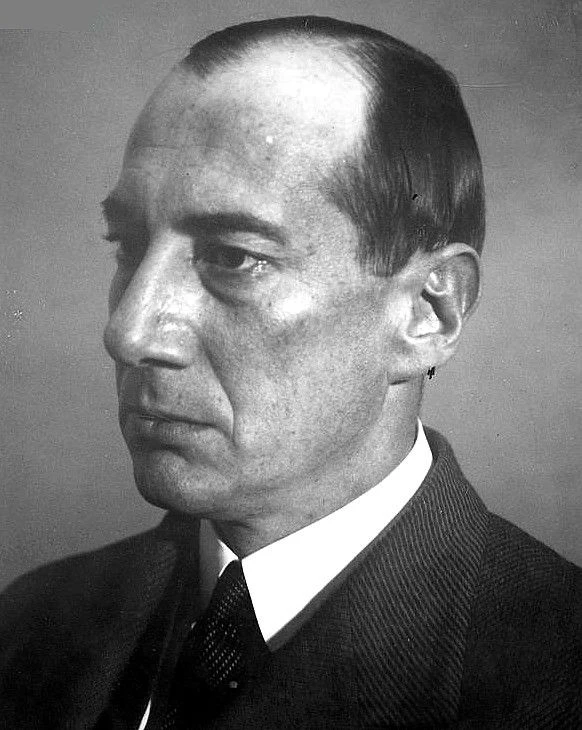
Beck in Bucharest — the Internee
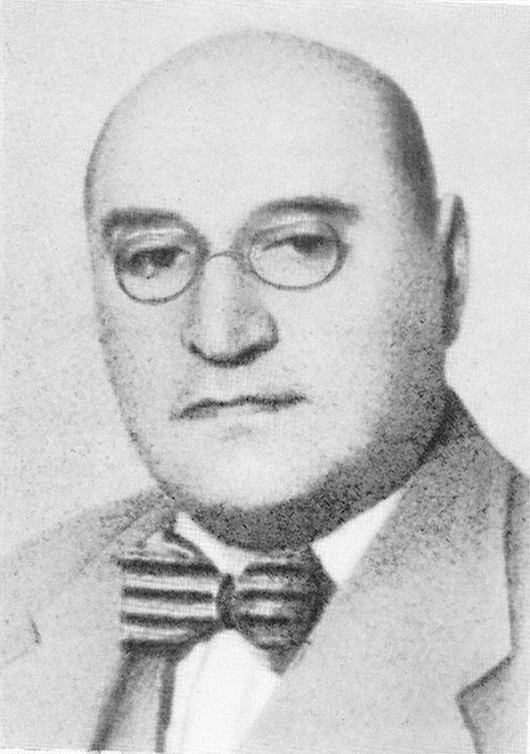
Czerniaków — the offer of the Judenrat

Moscicki — the Succession from Bicaz
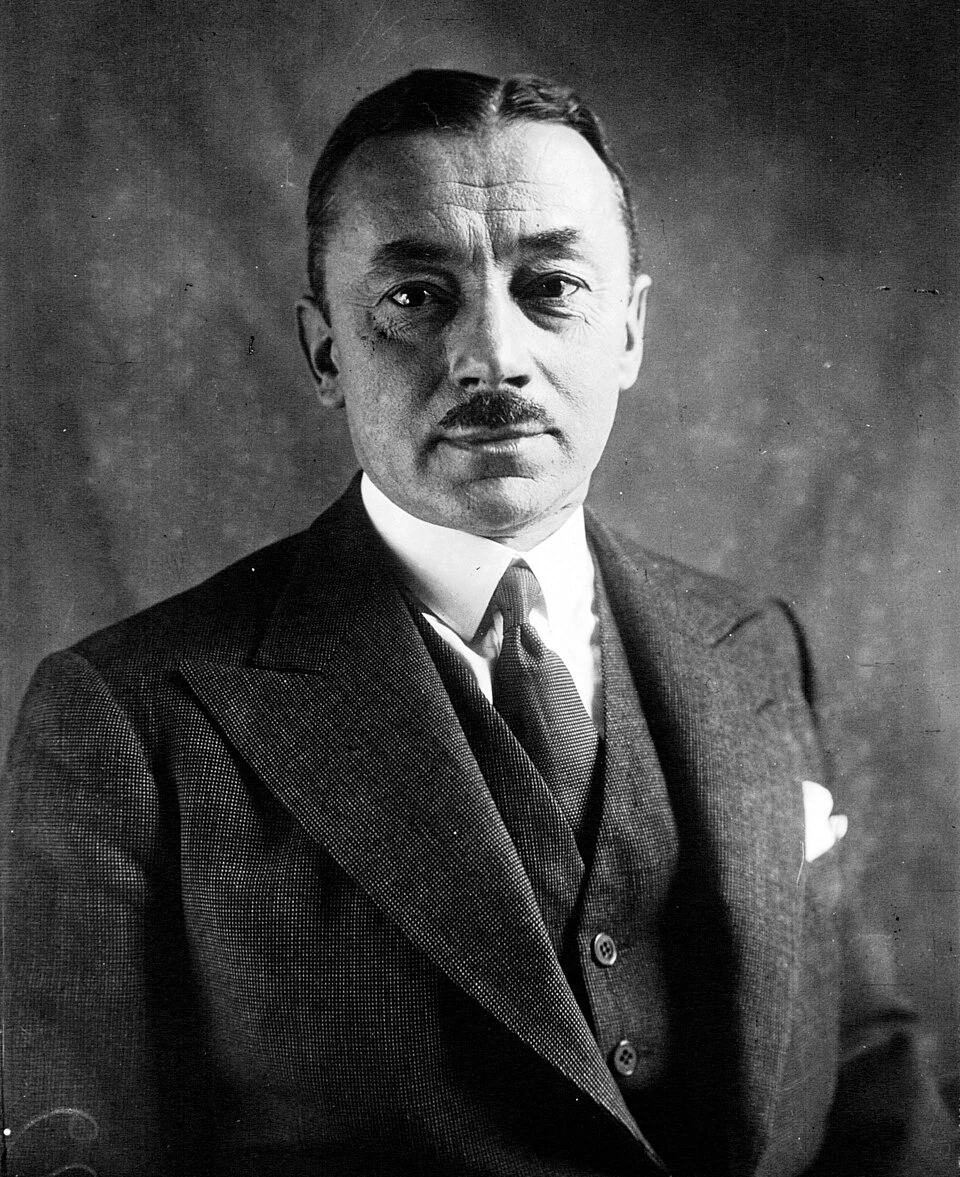
Reynaud against Daladier — February 1940
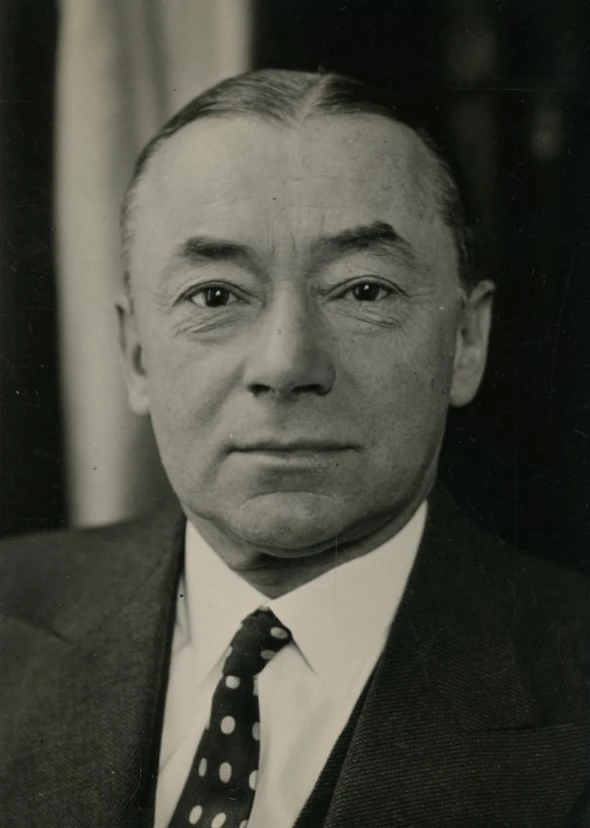
Reynaud — Matignon 21 March
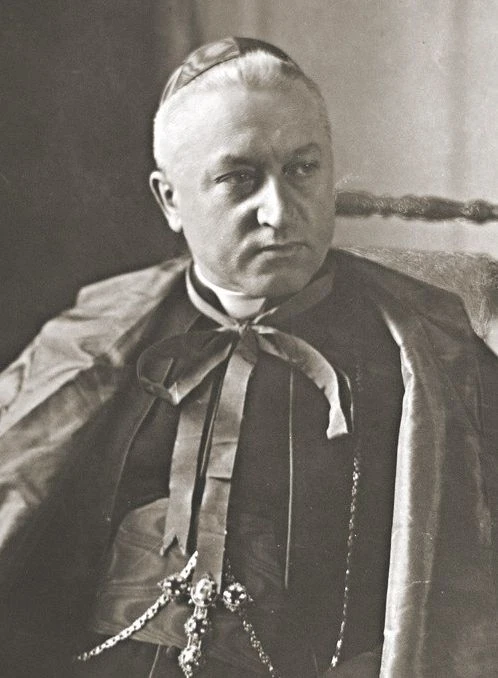
Cardinal Hlond — the Vatican's instruction
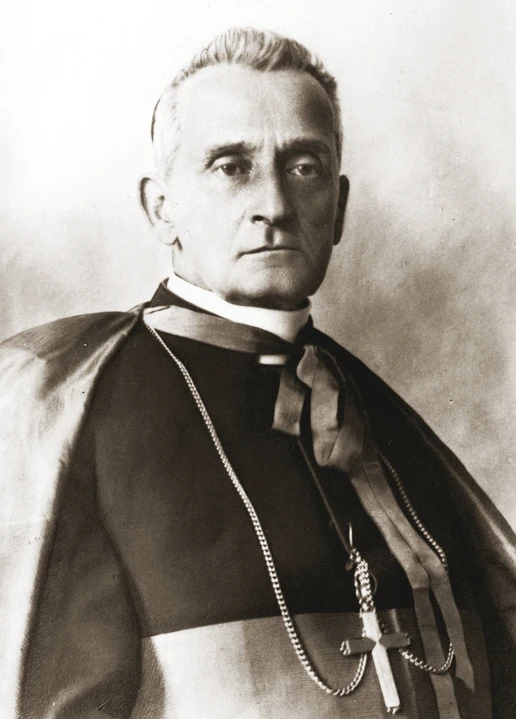
Cardinal Sapieha — Krakow under Occupation
Maurras and the phoney war
Sikorski — Paris, autumn 1939
Sosnkowski — KSK, 27 November
Beck in Bucharest — the Internee
Czerniaków — the offer of the Judenrat
Moscicki — the Succession from Bicaz
Reynaud against Daladier — February 1940
Reynaud — Matignon 21 March
Cardinal Hlond — the Vatican's instruction