
Beck in Bucharest — the Internee
, forty-five, has been Polish Foreign Minister since November 1932 — one of the longest diplomatic tenures in interwar Europe. Architect of Sanacja's foreign policy, he held to a doctrine of equilibrium: refusing to align Poland on Berlin or Moscow. He had refused Munich in 1938 (for want of an explicit invitation), then took part in the Polish annexation of Cieszyn (Teschen) in October 1938 — a gesture for which historical opinion will judge him harshly. On 5 May 1939, in a speech to the Sejm, he had refused Hitler's territorial demands with the formula that has remained famous: "We will not yield a single grain of Polish dust."
On 17 September 1939, Beck crosses into Romania with the government at Cernauti (Chernivtsi). Like Moscicki, he is interned by Romania under Franco-British pressure. His assigned residence: the Constantinescu villa in Brasov (Transylvania), then the Stanesti manor near Bucharest.
Under pressure from Sikorski (who sees in Beck the embodiment of the Sanacja "that lost Poland"), he is given no official function. Beck has already been suffering since September 1939 from declared pulmonary tuberculosis. His family (his wife Jadwiga, his stepchildren) joins him in November. He is forbidden to leave Romanian territory. Romania falls under German tutelage in June 1940 and becomes an open ally of the Reich in November 1940.
What to do in 1940, when escape to London becomes impossible?
Beck chooses B. He explicitly refuses two German proposals (in 1941 and 1943) implying some form of collaboration. He continues writing to the end. His tuberculosis worsens in 1942-1943. In September 1943, himself (passing through Romania) calls — Beck refuses the audience. dies on 5 June 1944 at Stanesti, in isolation, two days before the Normandy landings of which he will never know. Buried temporarily in Bucharest, his body is transferred to Warsaw in 1991 and interred at the military cemetery of Powazki. His book Last Report appears in London in 1951 and is translated into several languages. The historiographical controversy over his role remains fierce: for his defenders (, ) he held to a coherent policy of independence with the means available; for his critics (, ) his refusal in April 1939 of the defensive alliance proposed by the USSR contributed to the catastrophe.
Learn more about this event
Related polls
10

Moscicki — the Succession from Bicaz
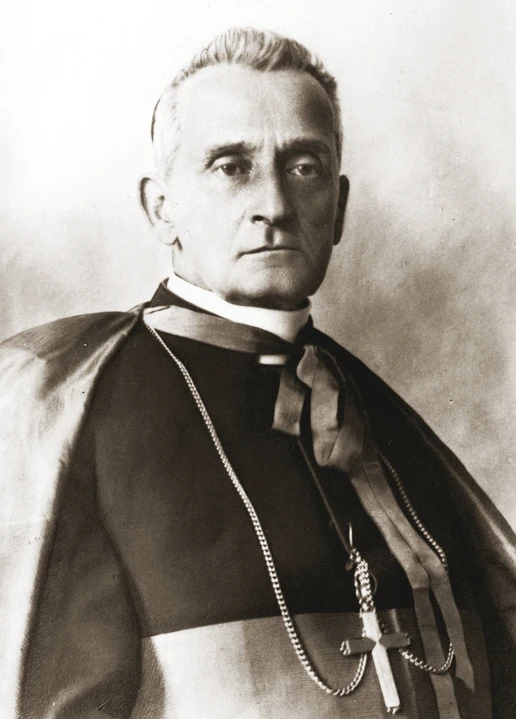
Cardinal Sapieha — Krakow under Occupation
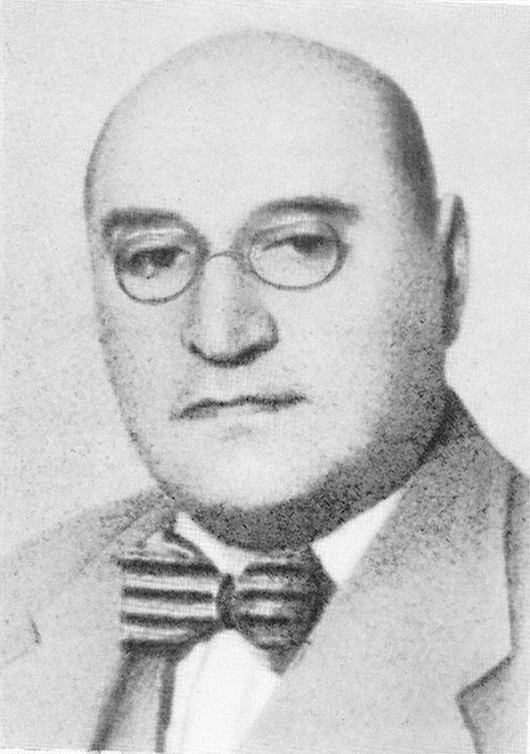
Czerniaków — the offer of the Judenrat

Daladier — Thorez's Defection
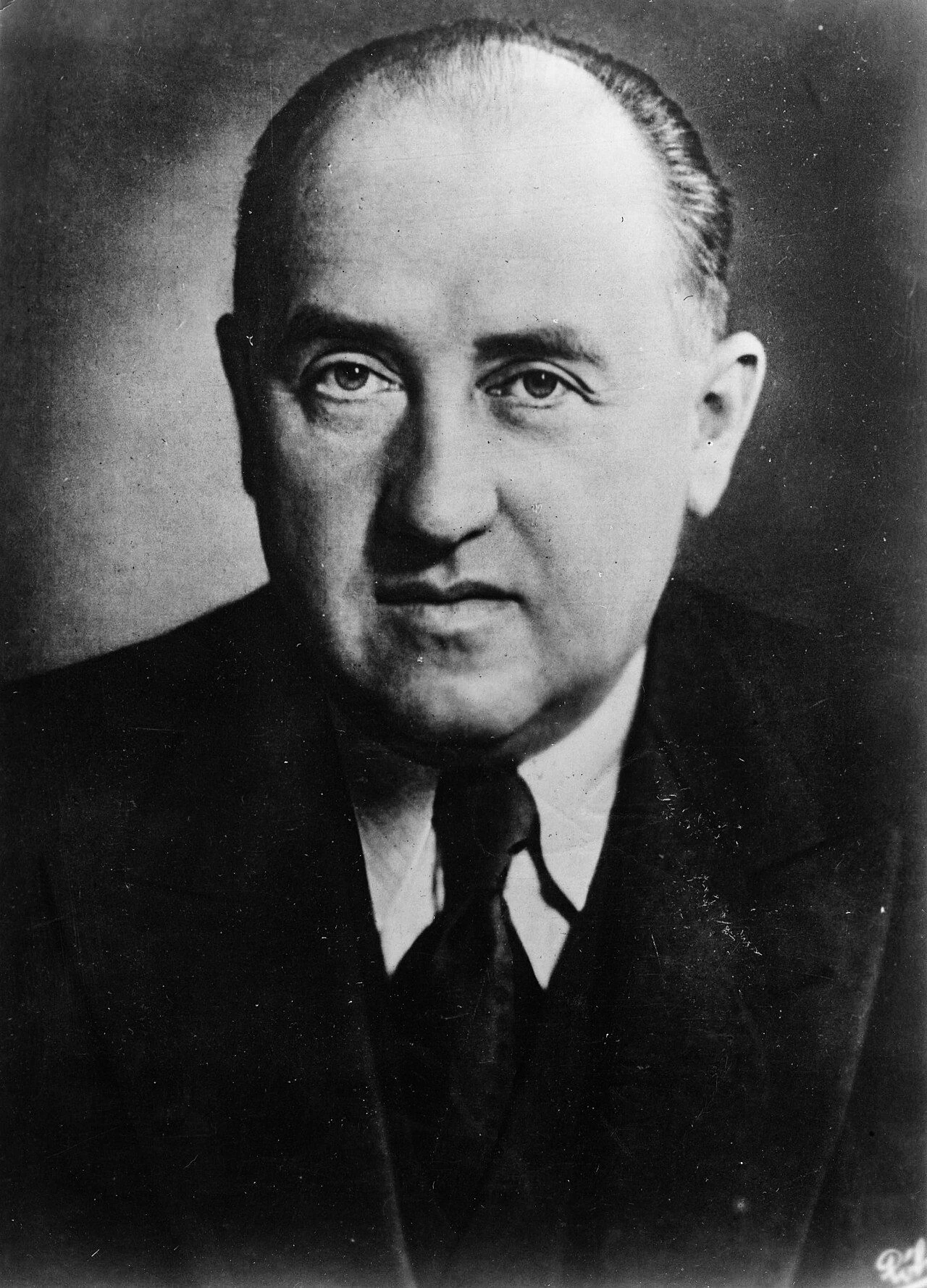
The Gold of the Bank of Poland — the destination of the SS Eocene
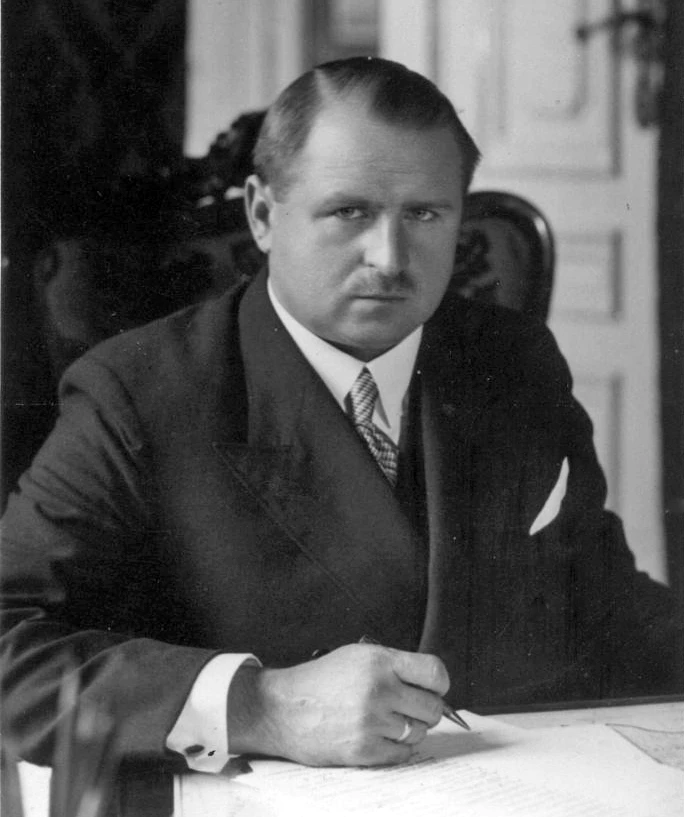
Starzyński — Mówi Warszawa
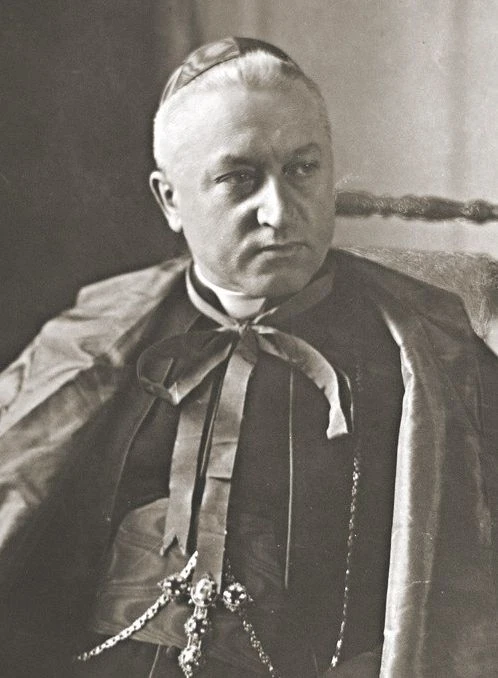
Cardinal Hlond — the Vatican's instruction
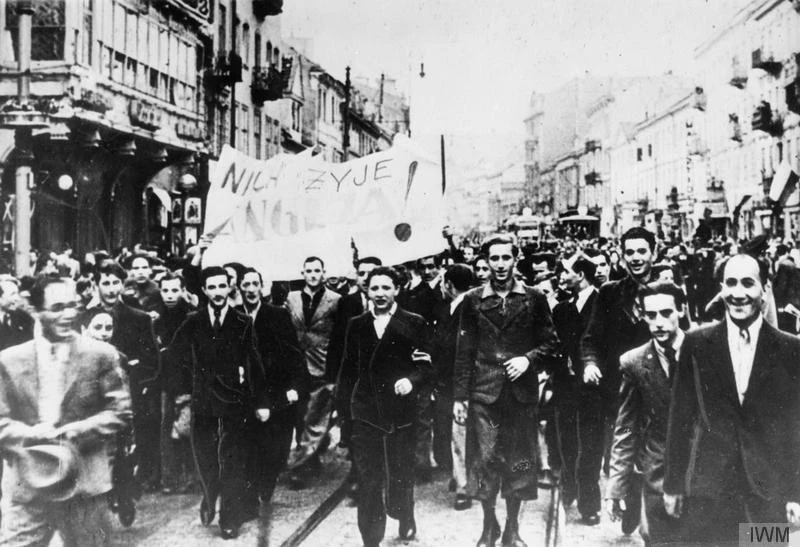
Chamberlain — 11:15 BST
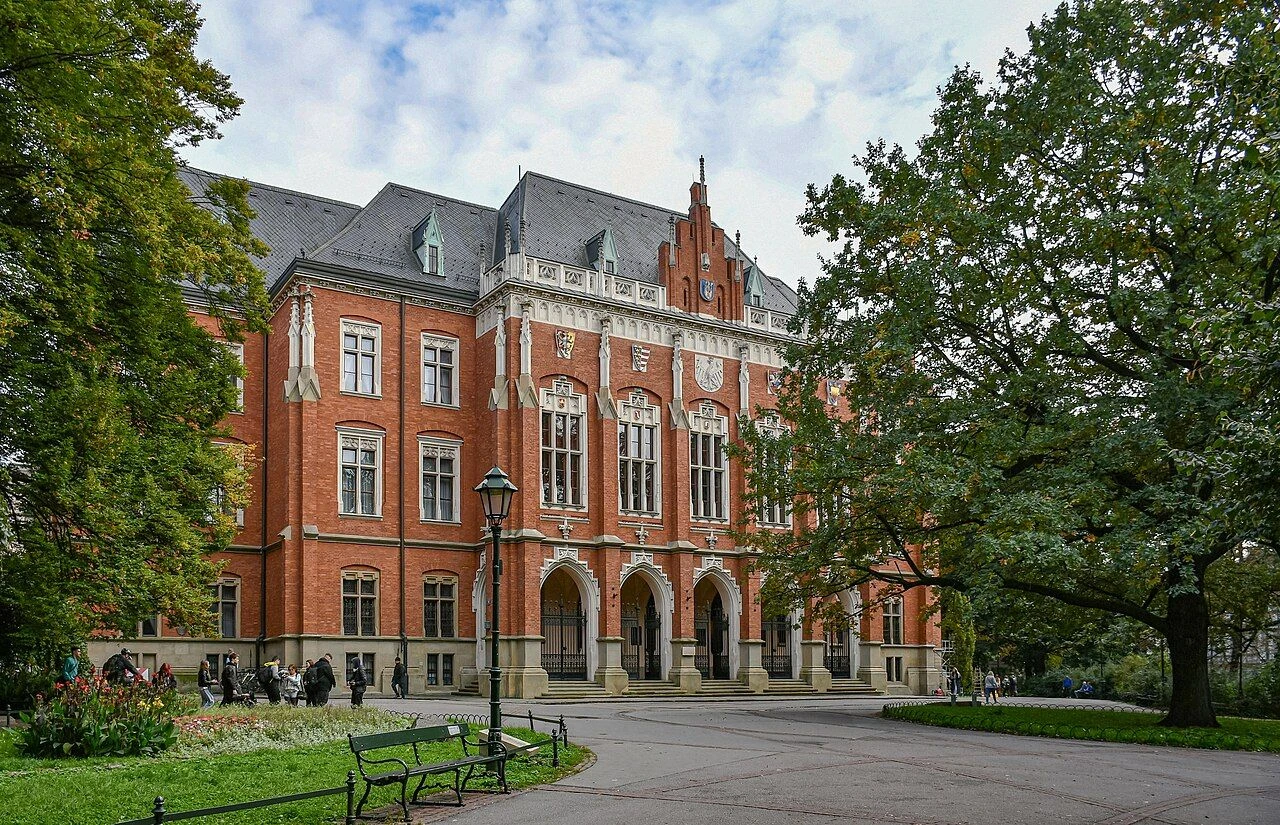
Hans Frank — the taking of the Wawel
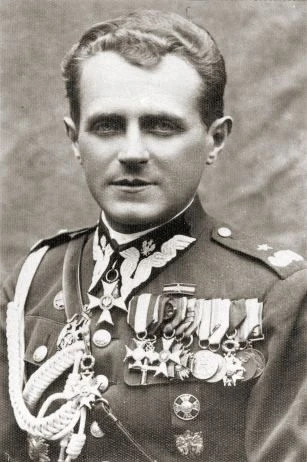
Karaszewicz-Tokarzewski — Founding the SZP
Moscicki — the Succession from Bicaz
Cardinal Sapieha — Krakow under Occupation
Czerniaków — the offer of the Judenrat
Daladier — Thorez's Defection
The Gold of the Bank of Poland — the destination of the SS Eocene
Starzyński — Mówi Warszawa
Cardinal Hlond — the Vatican's instruction
Chamberlain — 11:15 BST
Hans Frank — the taking of the Wawel