
Italy possesses almost no coal. Its industry and railways depend entirely on it, and until the mid-1930s most of it came by sea from Great Britain. With the war, London tightens the blockade and prepares to declare German coal transported by sea to be contraband.
Two doors then open for Rome. London proposes a sweeping trade agreement: deliver several million tonnes of coal to Italy, and allow German coal to pass by sea, in exchange for Italian industrial supplies and armaments. Berlin, for its part, promises to deliver coal overland, by trains crossing the Alps at the Brenner, beyond the reach of the British fleet.
Accepting London ties the Italian war economy to the power Mussolini judges to be in decline and jeopardizes the rapprochement with Hitler; relying on Berlin shifts the entire burden onto a single Alpine railway line.
Faced with the coal shortage, how should Italy secure its supply at the start of 1940?
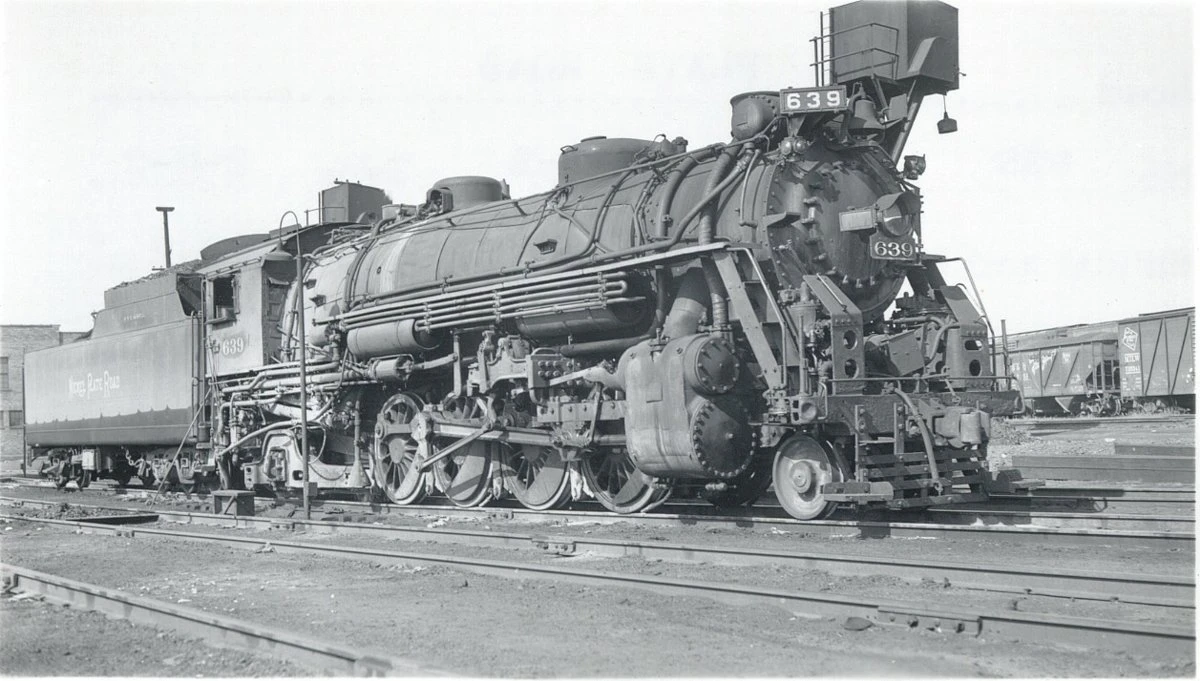
Mussolini chose the German option. While the Anglo-Italian trade negotiations appeared to be nearing success, he vetoed the agreement with London in mid-February 1940, refusing to supply armaments to the Allies. Great Britain then declared German coal transported by sea to be contraband (1 March 1940), cutting off that route. Italy bet entirely on German coal delivered overland: from the spring of 1940, Germany delivered around one million tonnes per month, carried by some thirty freight trains crossing the Brenner. This dependence on a single railway artery became a structural vulnerability of the Italian war effort.
Learn more about this event
Related polls
10
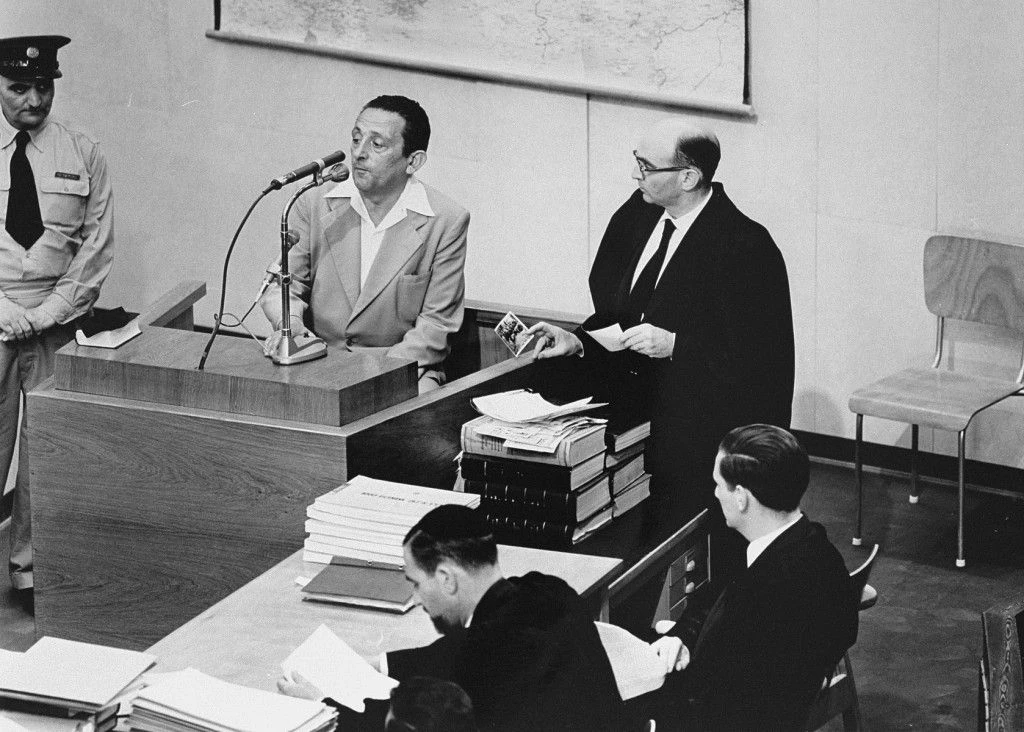
Biebow at Litzmannstadt — 8 February
The Heavy Water of Vemork — a Race Against Germany
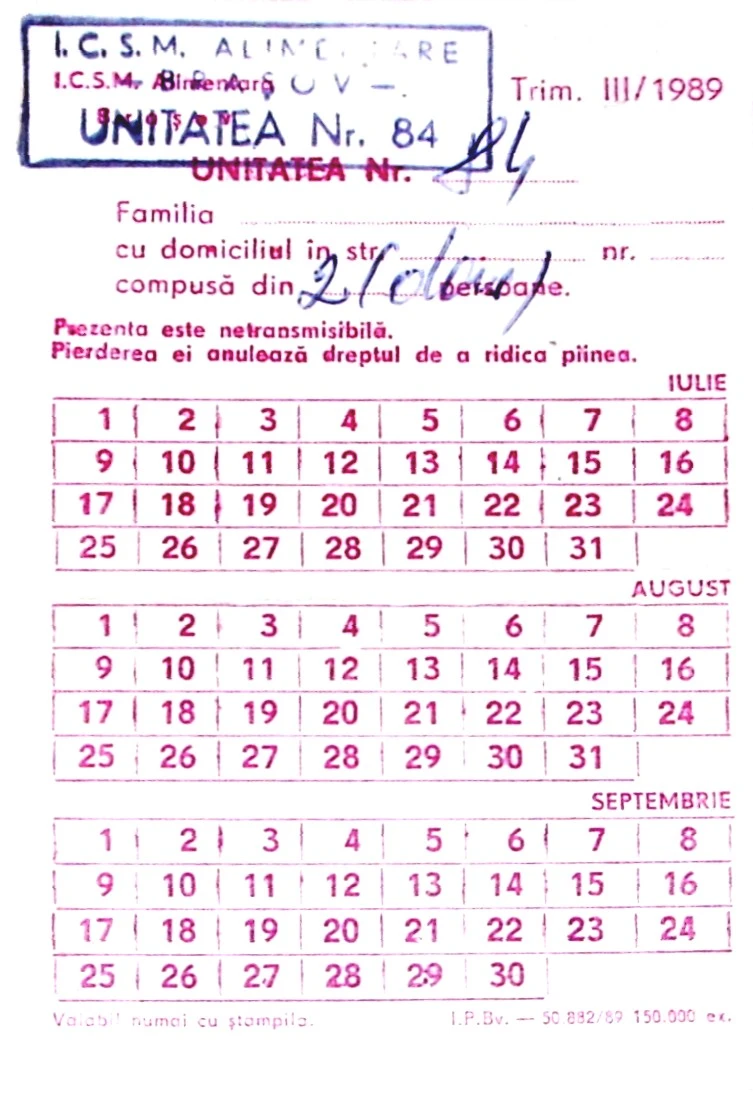
France's March 1940 Ration Card
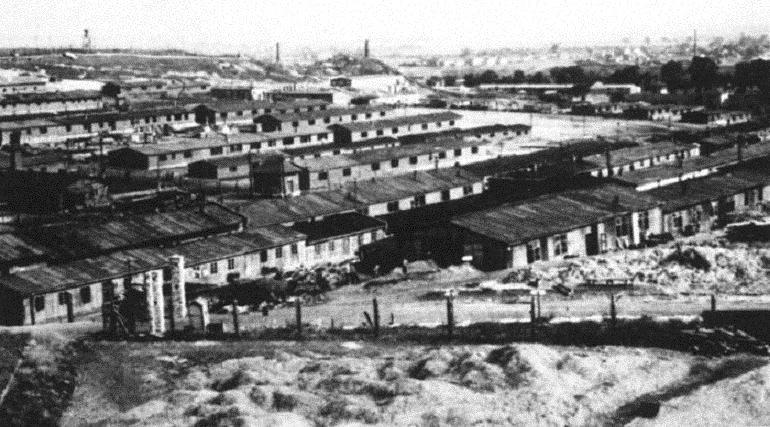
The Upper Silesian Pole Subjected to Forced Labour
Winter rationing
Valletta, Fiat and the German Occupier
Buy Each for Themselves or with a Single Voice
Article 13: the SNCF and the occupier
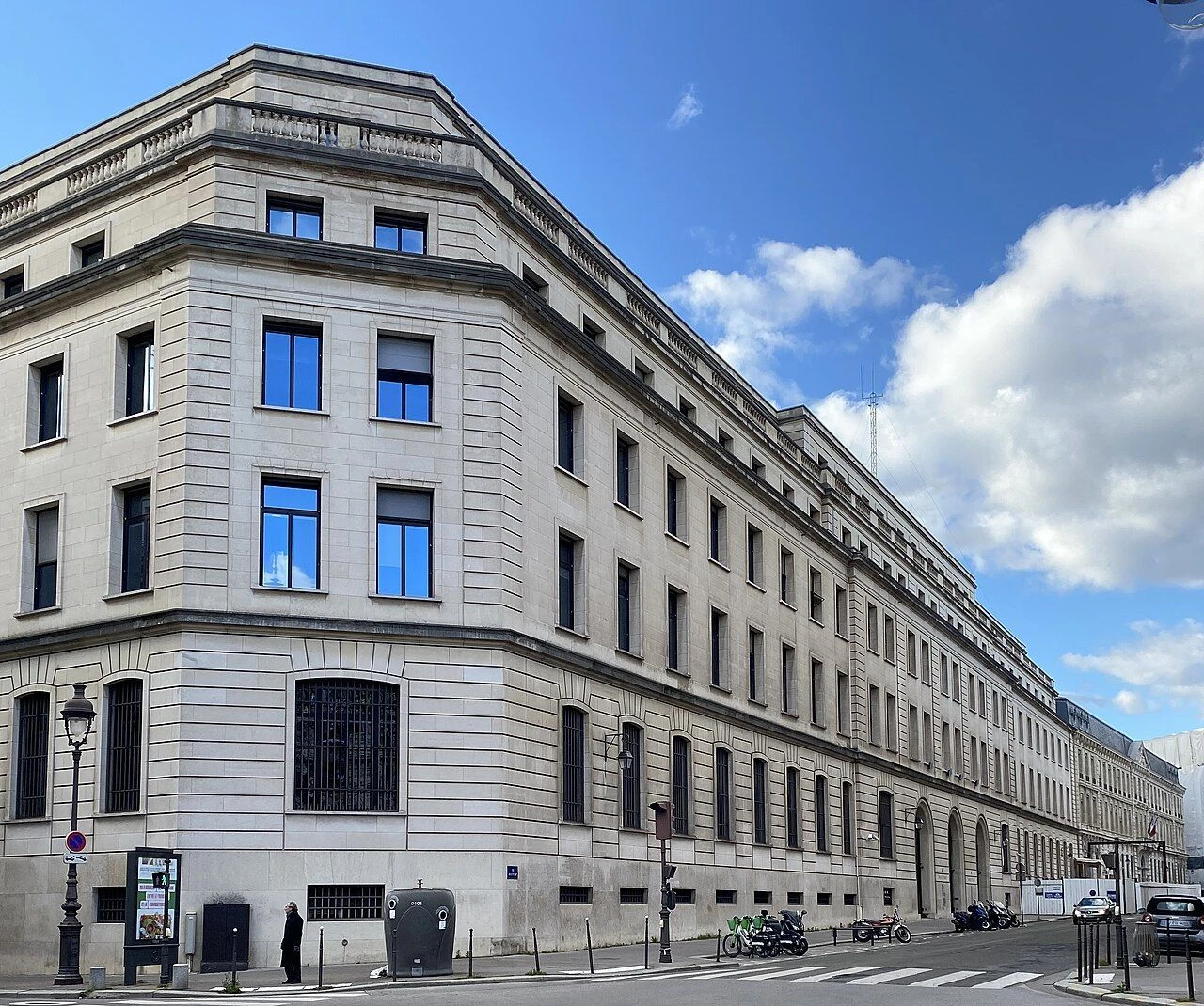
Baumgartner and the gold of the Banque de France
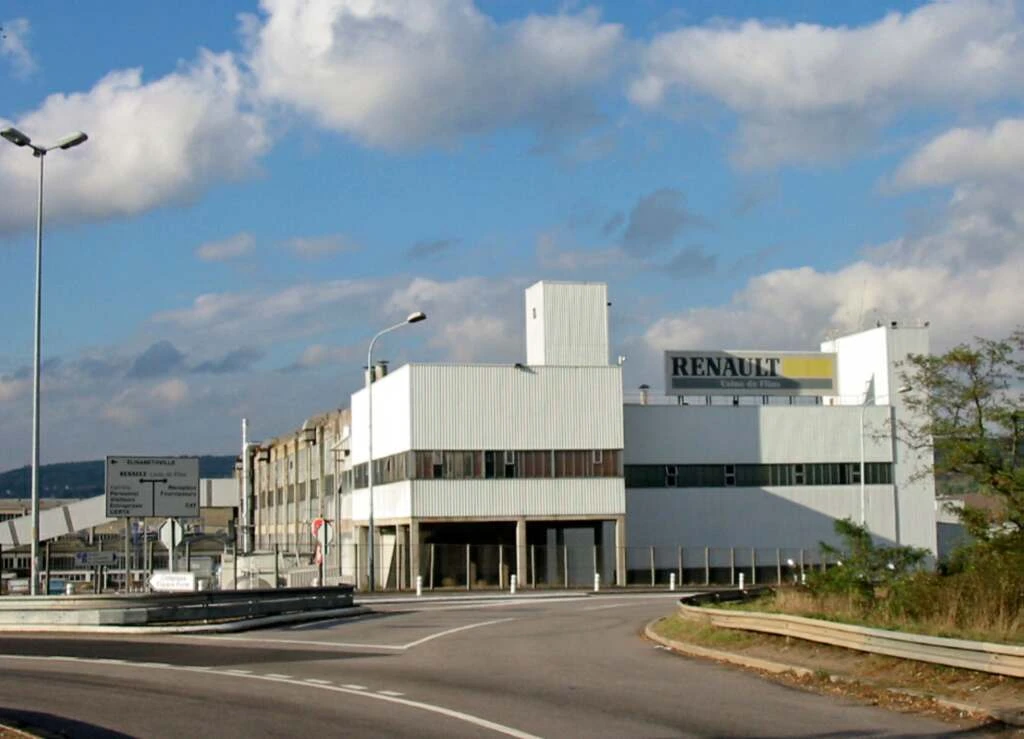
Billancourt under threat: the old boss and his machines
Biebow at Litzmannstadt — 8 February
The Heavy Water of Vemork — a Race Against Germany
France's March 1940 Ration Card
The Upper Silesian Pole Subjected to Forced Labour
Winter rationing
Valletta, Fiat and the German Occupier
Buy Each for Themselves or with a Single Voice
Article 13: the SNCF and the occupier
Baumgartner and the gold of the Banque de France