
Since Munich, Czecho-Slovakia is a weakened state, shorn of the Sudetenland and hastily federalised. Slovakia holds autonomy within it, led by the People's Party of Msgr , a Catholic priest and nationalist. But Prague and Bratislava are at each other's throats, and Hitler watches for the chance to complete the dismemberment.
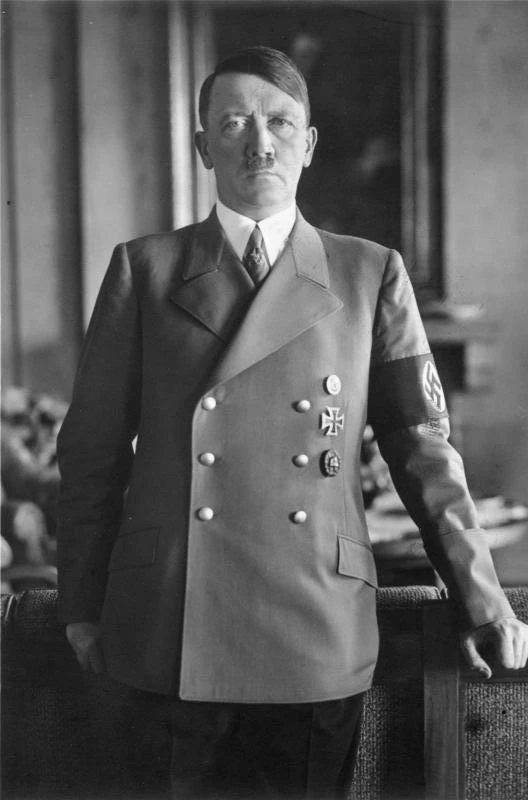
On 13 March 1939, Tiso is summoned to Berlin. Hitler delivers a coercive speech: either Slovakia immediately proclaims its independence under German protection, or he abandons it to the appetites of Hungary and Poland, who would carve up the country. A draft declaration of independence, written by the Germans, is handed to him.
Tiso is trapped. To proclaim independence is to gain a state — but a vassal one, bound to the Reich. To refuse is to risk Slovakia's carve-up by its neighbours. Remaining in a dying Czecho-Slovakia offers no guarantee. Back in Bratislava, he must put the decision to the Slovak Diet, under the pressure of the German timetable. The future of the Slovak nation is decided in a few hours.
Should Tiso proclaim Slovak independence under German protection, or refuse at the risk of carve-up?
Tiso chooses A: on 14 March 1939, the Slovak Diet proclaims the independence of Slovakia, which at once becomes a client state of Germany. The next day, the dismemberment is completed with the occupation of the Czech lands. Slovak "independence" is a trompe-l'œil: the new state's diplomacy, economy and soon its army are tethered to Berlin. Tiso, becoming president, will lead an authoritarian, clerical regime that collaborates with the Reich, up to the deportation of the majority of Slovakia's Jews in 1942. Tried after the war, he will be executed in 1947. The Slovakia of 1939 illustrates the illusion of independence granted by a protector.
Learn more about this event
Related polls
10
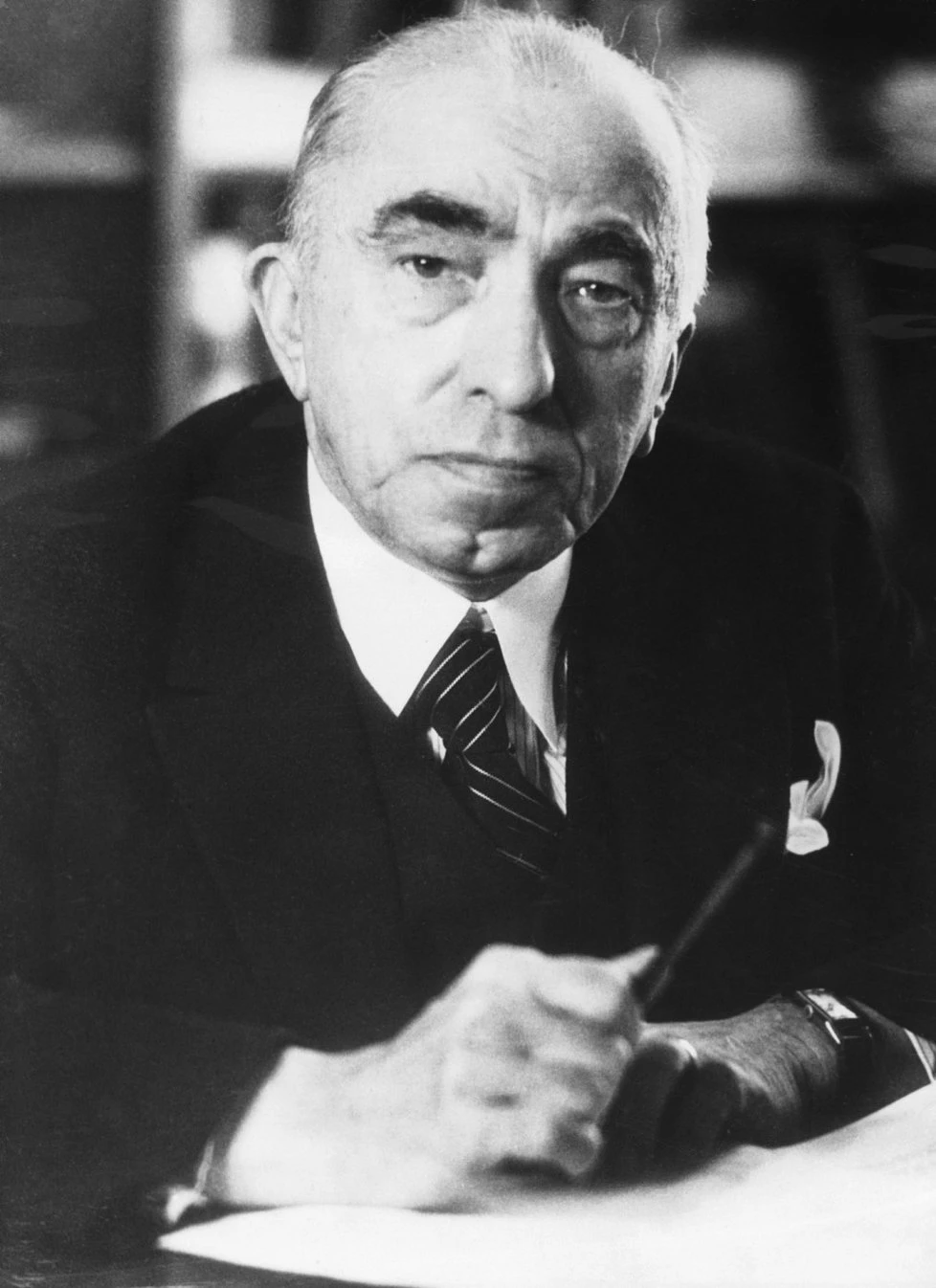
Hácha in Berlin
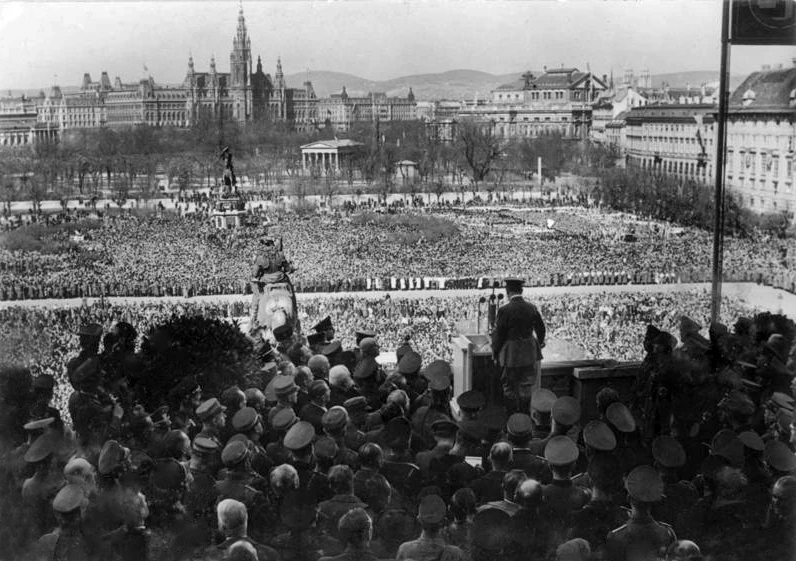
The Austrian Railwayman and the Party Card
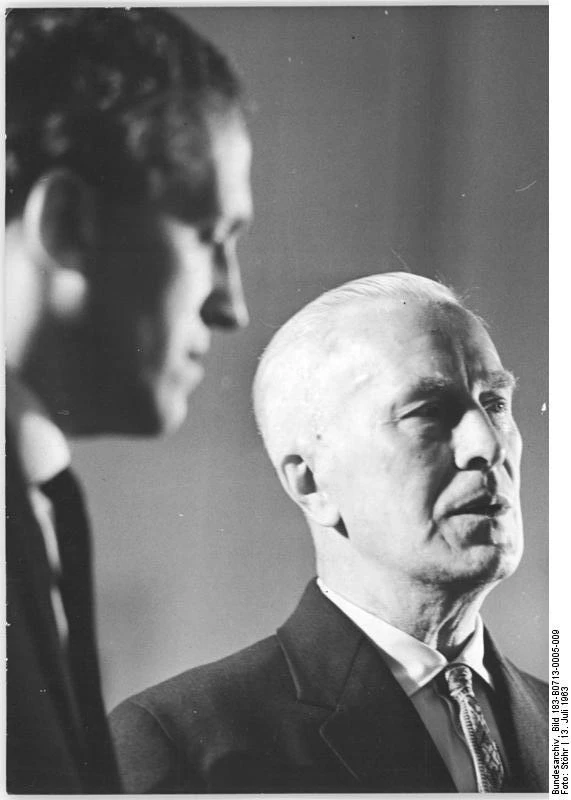
Memel — the Ultimatum to Lithuania
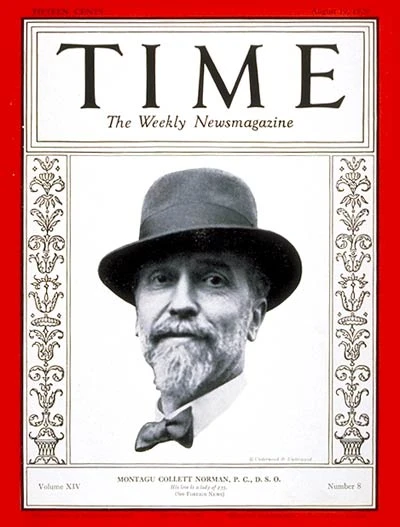
The Czech Gold

Join the Party?
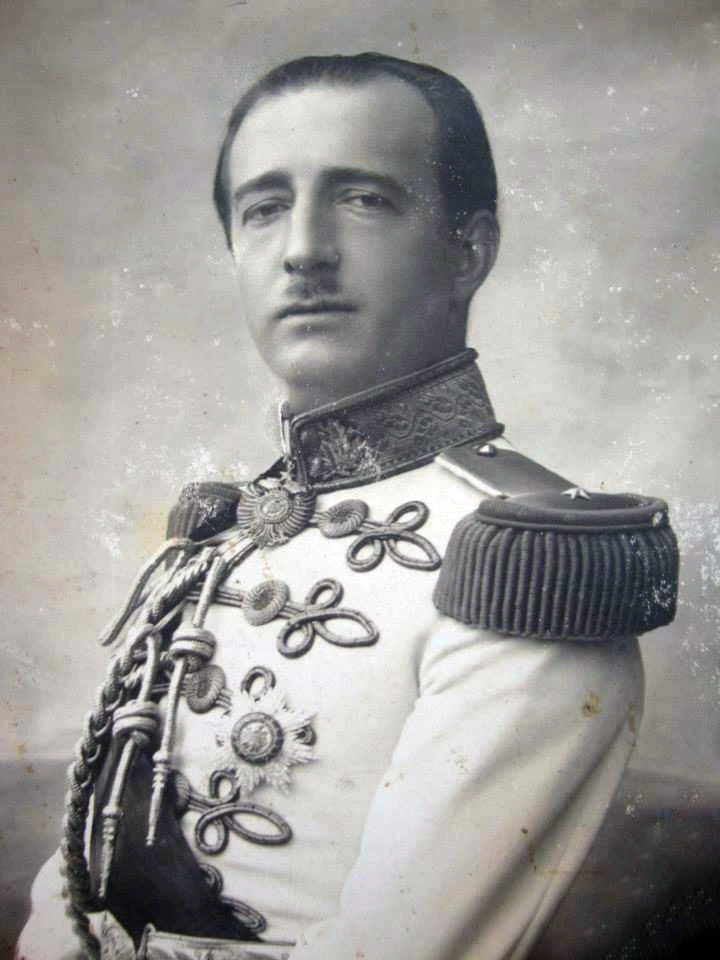
Albania Invaded — King Zog
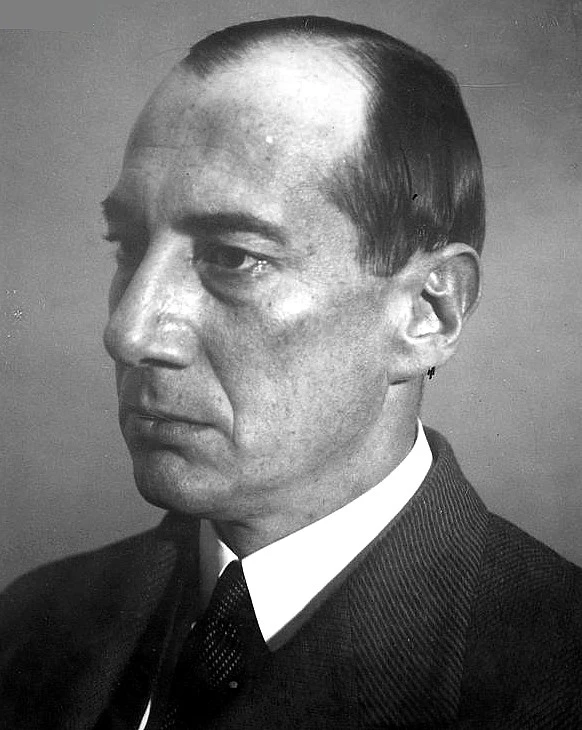
Beck Before the Sejm
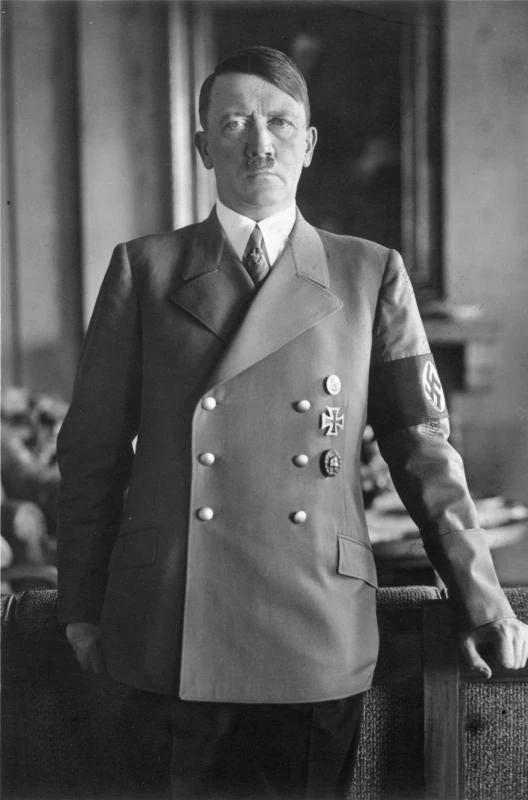
The Prophecy Speech
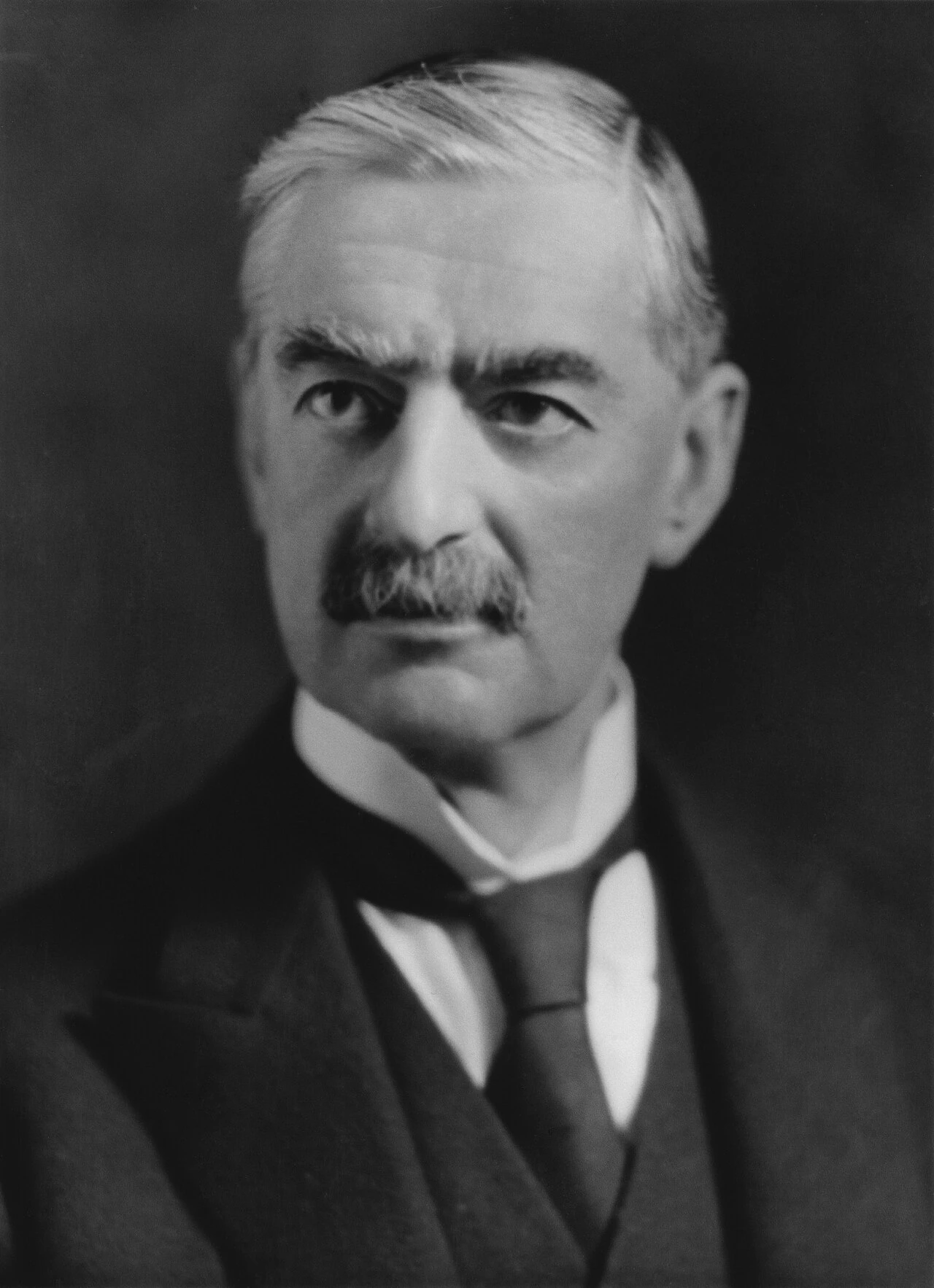
The Guarantee to Poland
Hitler at the Reichstag rostrum
Hácha in Berlin
The Austrian Railwayman and the Party Card
Memel — the Ultimatum to Lithuania
The Czech Gold
Join the Party?
Albania Invaded — King Zog
Beck Before the Sejm
The Prophecy Speech
The Guarantee to Poland