
Malta besieged — defending the Mediterranean island
Governor-General , 61, an engineer officer and devout Baptist, has commanded the British colony of Malta since the spring. The archipelago, midway between Sicily and Libya, locks down the central Mediterranean: whoever holds it can cut the Italian convoys to North Africa. Dobbie knows his position is as vital as it is exposed.
Since Italy entered the war in early June, the island has been besieged. The Regia Aeronautica, the Italian air force, is a few minutes' flight from the Sicilian airfields and regularly bombs the harbours and runways. For air defence, Malta long fielded only a handful of Gloster Sea Gladiator fighters, obsolete biplanes drawn from Royal Navy reserve crates. Anti-aircraft batteries are scarce, shelters inadequate for a dense population.
At the end of July 1940, the Admiralty is studying a risky operation: bringing the old aircraft carrier Argus from Gibraltar to catapult a dozen modern Hurricane fighters to the island. The manoeuvre would oblige to venture into waters dominated by Italian aviation and submarines. Dobbie must tell London what his island needs.
Should one demand this perilous fighter delivery by carrier, or hold Malta defensively with the few aircraft available?
Dobbie obtains A: Operation Hurry is launched from 31 July to 4 August 1940. leaves Gibraltar, repels an Italian air attack on 1 August, then mounts a diversionary raid on Cagliari on the 2nd. The Argus catapults twelve Hurricanes which reach Malta — the first of the 'Club Run' operations that will resupply the island with fighters. The reinforcement shores up an air defence still skeletal, at a moment when the island holds out chiefly thanks to a handful of Gladiators. Malta will never fall: it will become one of the most heavily bombed places of the war and will receive the George Cross collectively in 1942. Dobbie will remain governor until 1942, a figure of Maltese resistance, before being relieved for exhaustion. The defence of Malta is cited as one of the major logistical successes of the Mediterranean war.
Learn more about this event
Related polls
10
The Polish Pilots of 303 Squadron
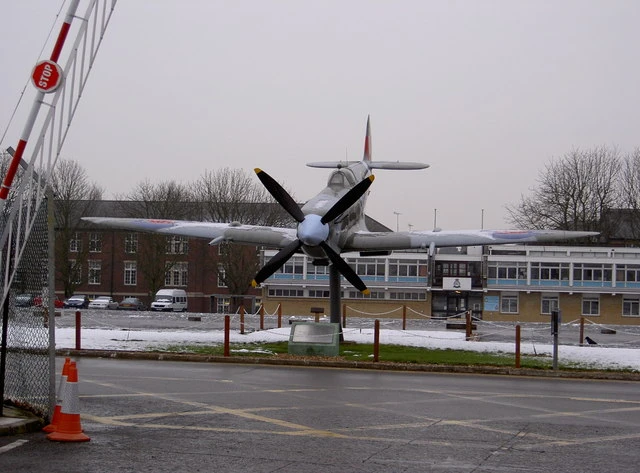
The Uxbridge plotter
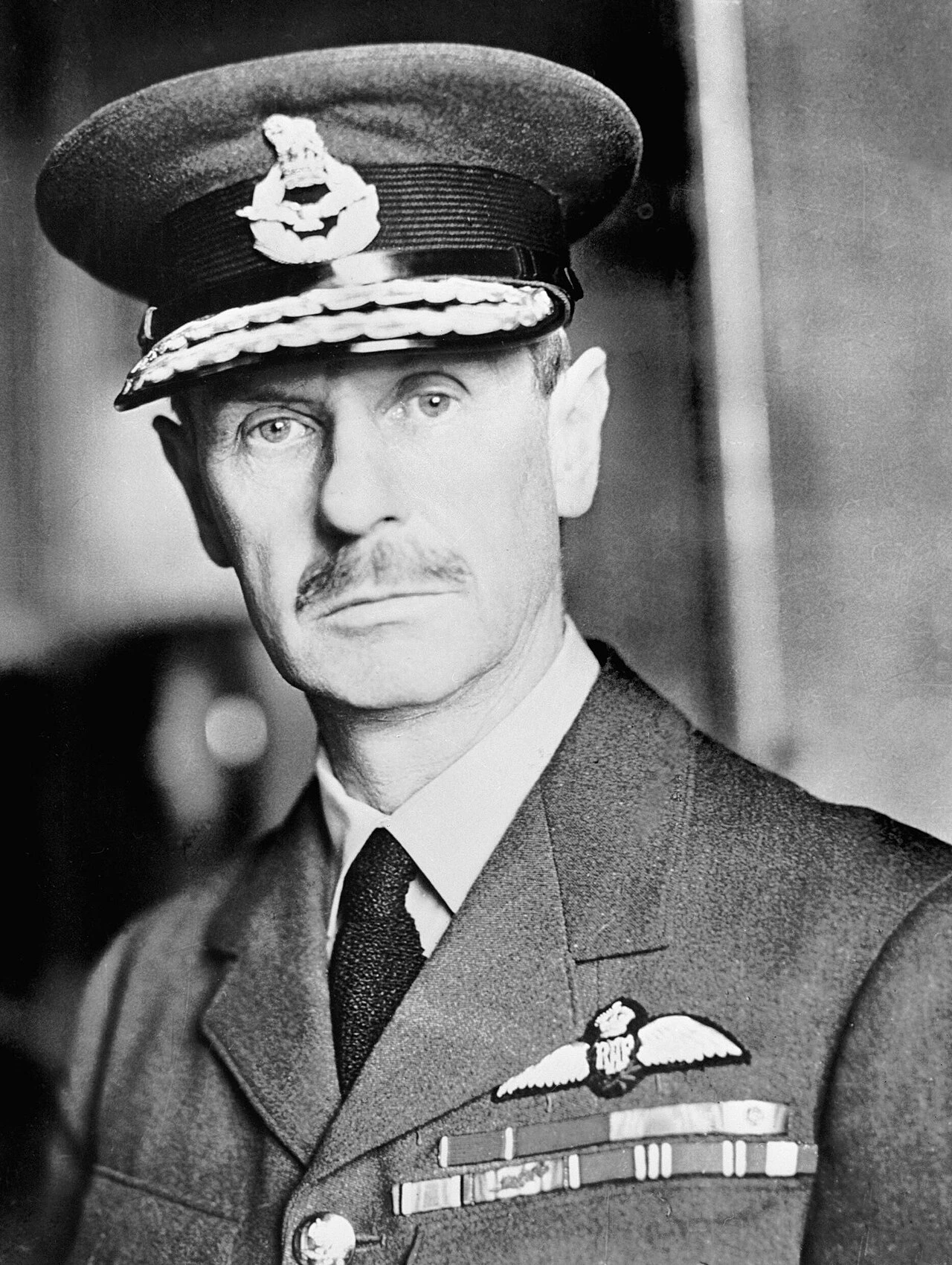
Dowding and the Last Reserves — 15 September 1940
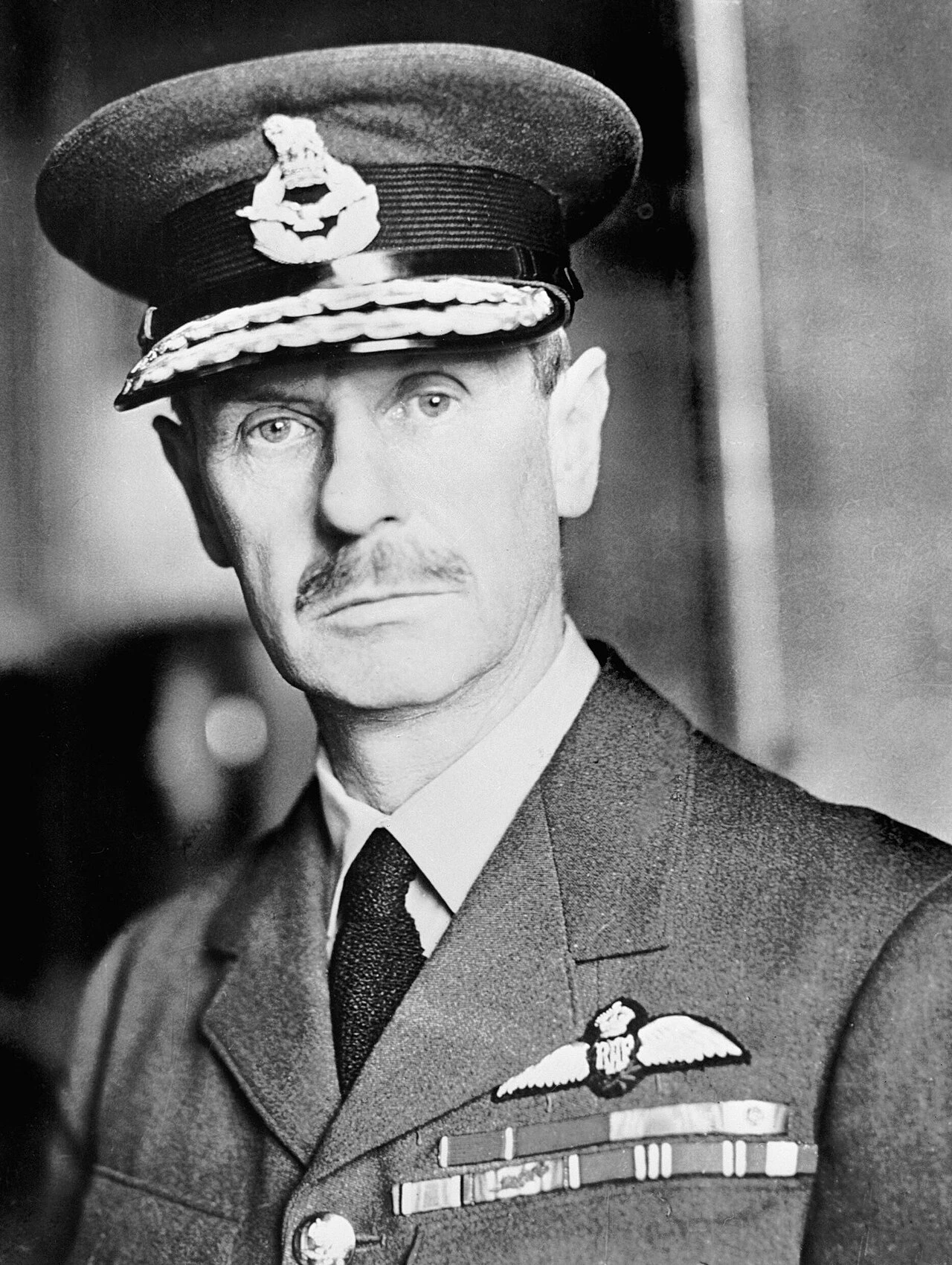
Dowding — Keep the Fighters?
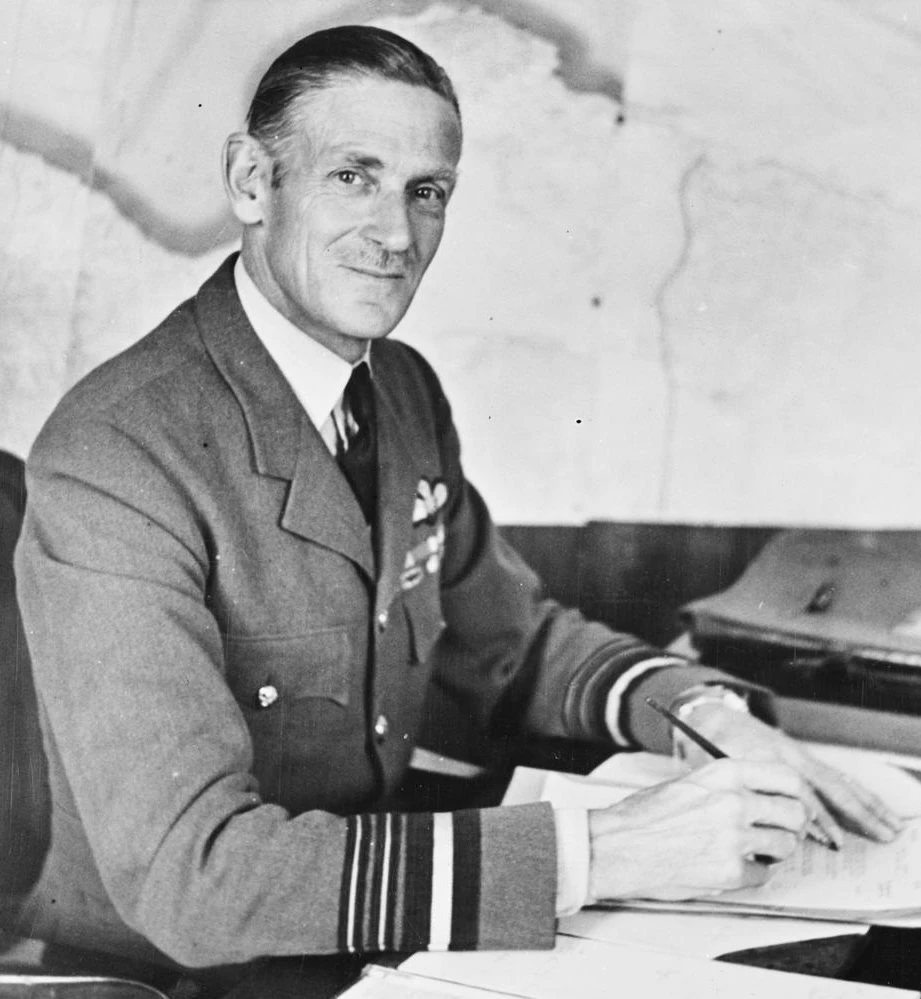
Keith Park at Uxbridge — September 15
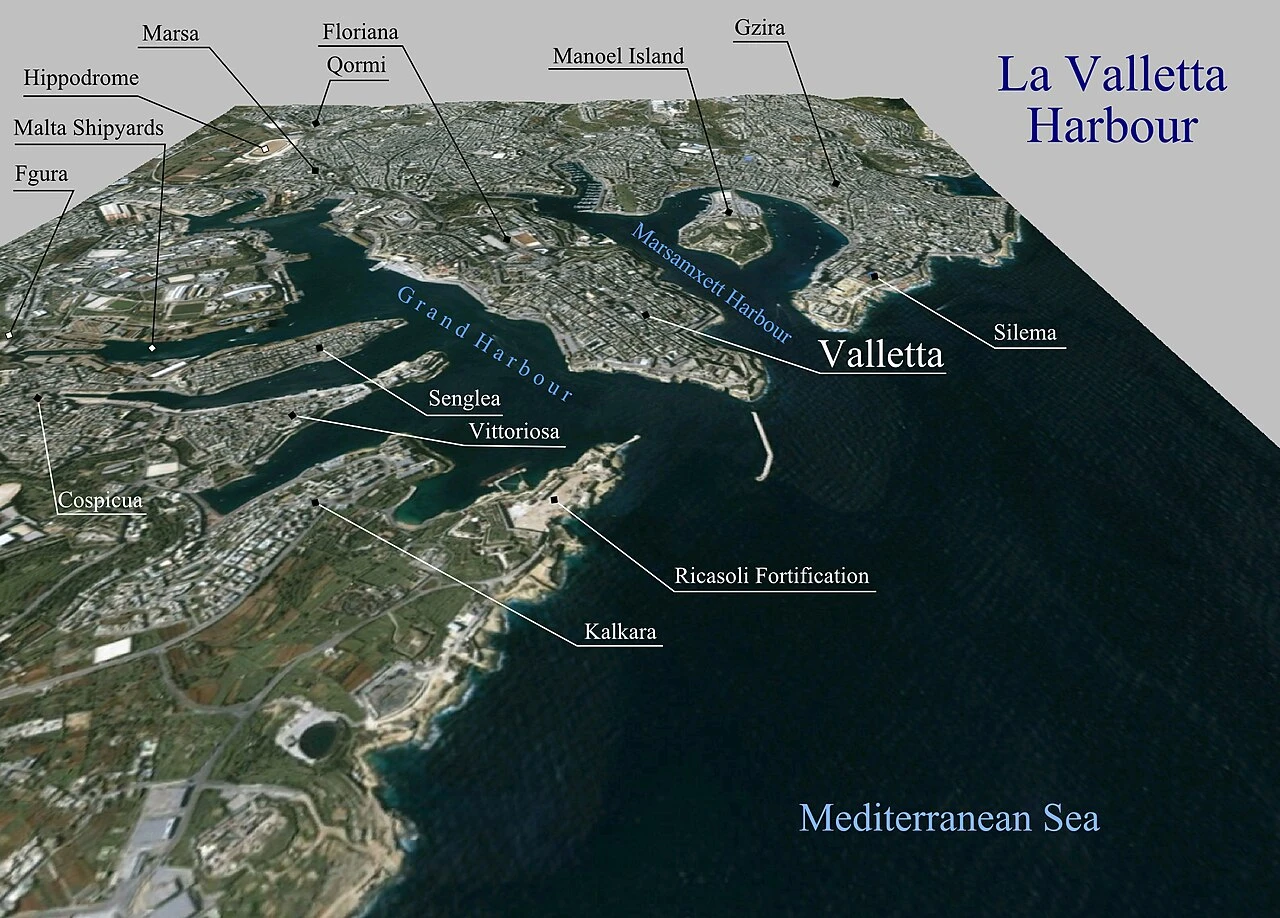
Malta under the 'Illustrious Blitz'
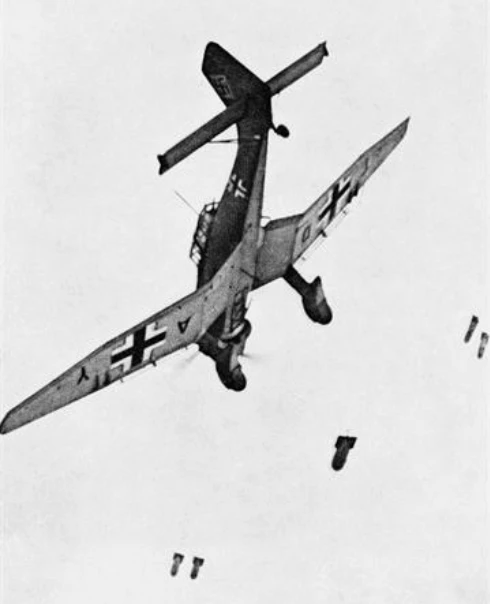
Withdrawing the Stukas
The Belgian air force on the ground
Valkenburg — paras on a grass strip
Chain Home — the Invisible Wall
The Polish Pilots of 303 Squadron
The Uxbridge plotter
Dowding and the Last Reserves — 15 September 1940
Dowding — Keep the Fighters?
Keith Park at Uxbridge — September 15
Malta under the 'Illustrious Blitz'
Withdrawing the Stukas
The Belgian air force on the ground
Valkenburg — paras on a grass strip