
Olry and the Army of the Alps — Briançon
General has commanded the since the spring of 1940. With about 175,000 men — Alpine chasseurs, fortress troops, — he holds nearly 300 km of frontier from Switzerland to the Mediterranean, facing a far more numerous Italy. His dispositions rest on the roughly one hundred works of the Alpine Maginot Line, which bolt the passes.
From 21 June, the Italian offensive breaks on his positions. Olry must also guard his rear: the Wehrmacht, having come down the Rhône Valley after the collapse of the main front, threatens to take him from behind. He thus fights a two-fronted battle — Italians to the east, Germans to the north.
With the armistice imminent, the strategic question is whether to turn the defensive success into a counter-attack toward Piedmont, to maintain a strict defensive, or to settle for limited raids. The stake: to preserve a victory which, amid the general disaster, has the value of a symbol.
Should Olry counter-attack toward Italy or stick to the defensive?
Olry chooses B: he holds his positions without dispersing. By 25 June, the has yielded on no fortified point, inflicting on Italy losses far higher than its own (on the order of a few thousand to a few hundred) while containing the German push from the north. It is the only incontestable defensive victory of the French army in 1940. Pushed aside by Vichy, judged too attached to the Republic, Olry dies in 1944. His battle, long forgotten, is now reassessed as proof that the defeat of 1940 was not inevitable, but the product of doctrine and command unsuited to the main front.
Learn more about this event
Related polls
10
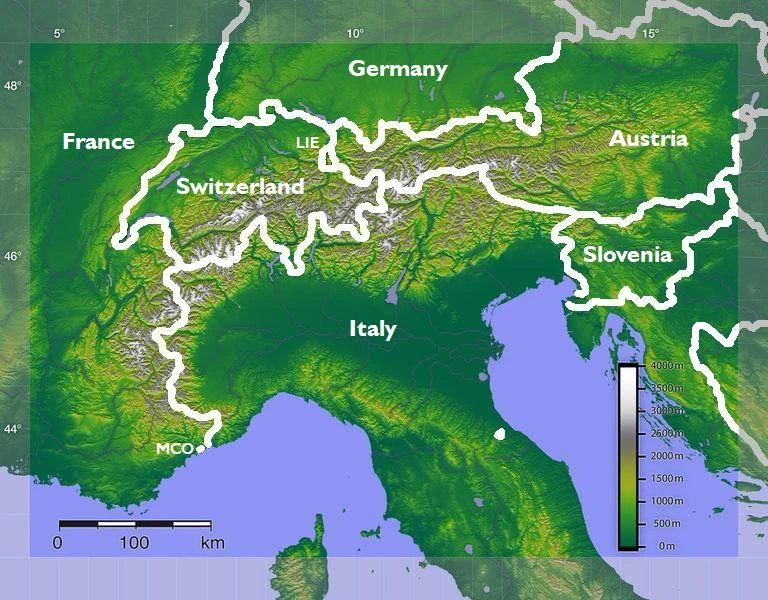
The Army of the Alps against the Italians
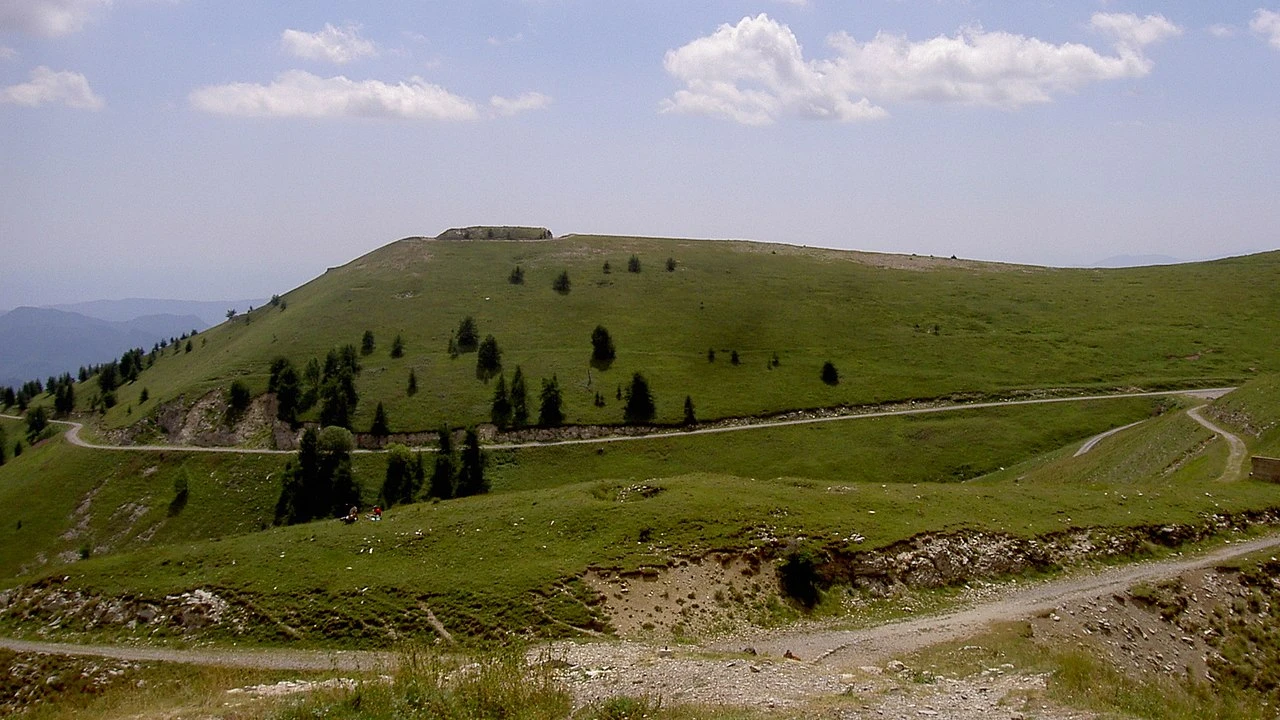
Boutmy at Mont-Cenis
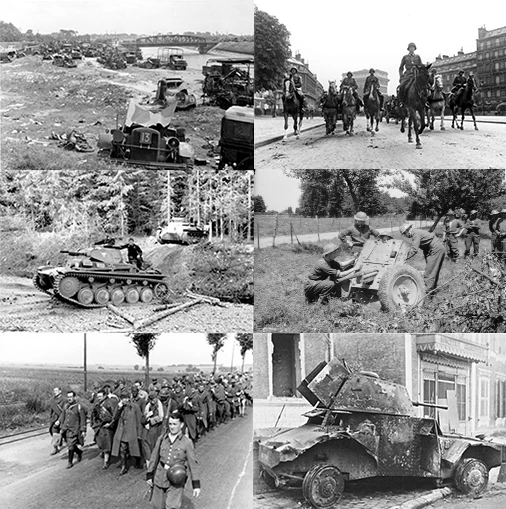
The Maginot surrenders
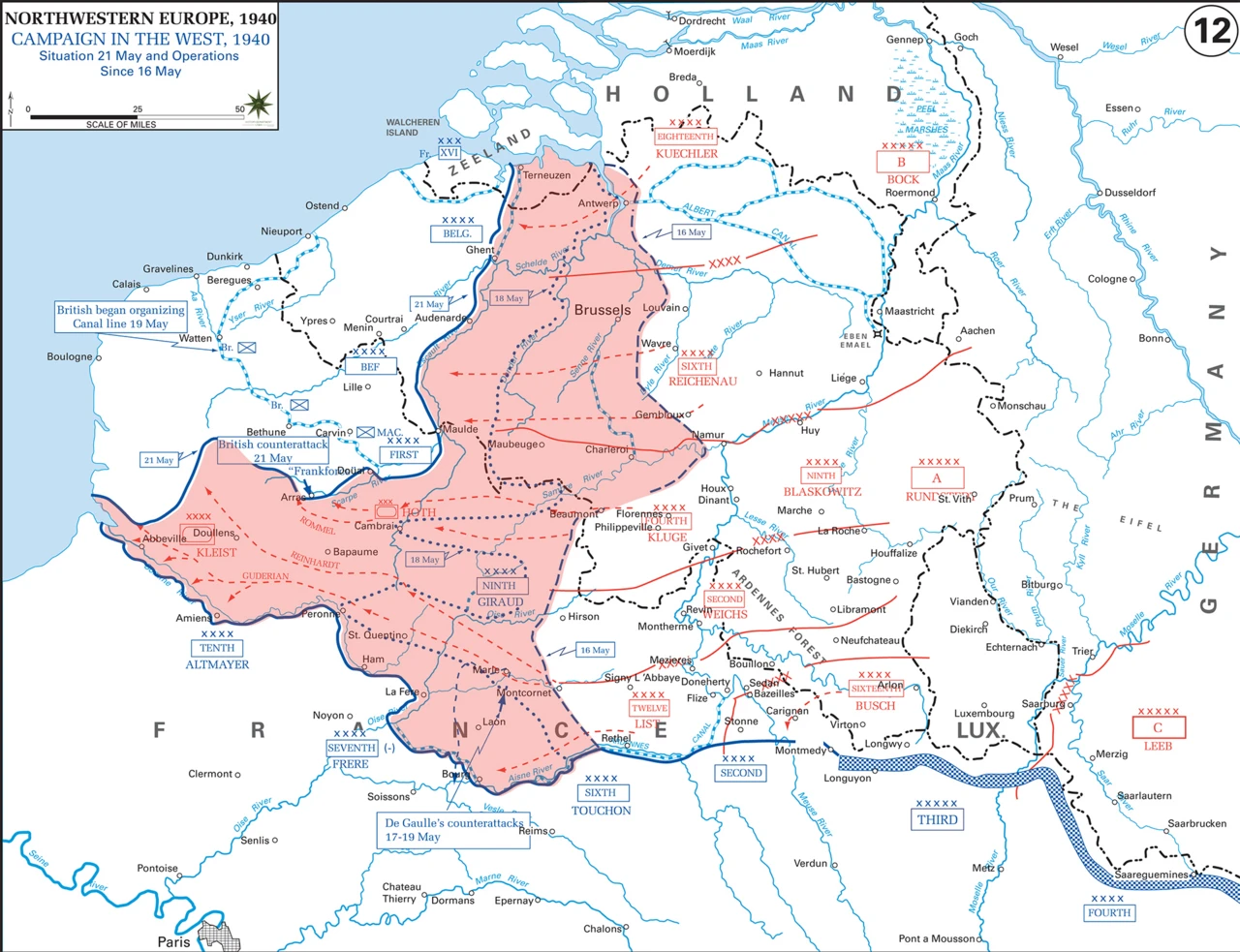
Arras — the Matildas against Rommel's flank
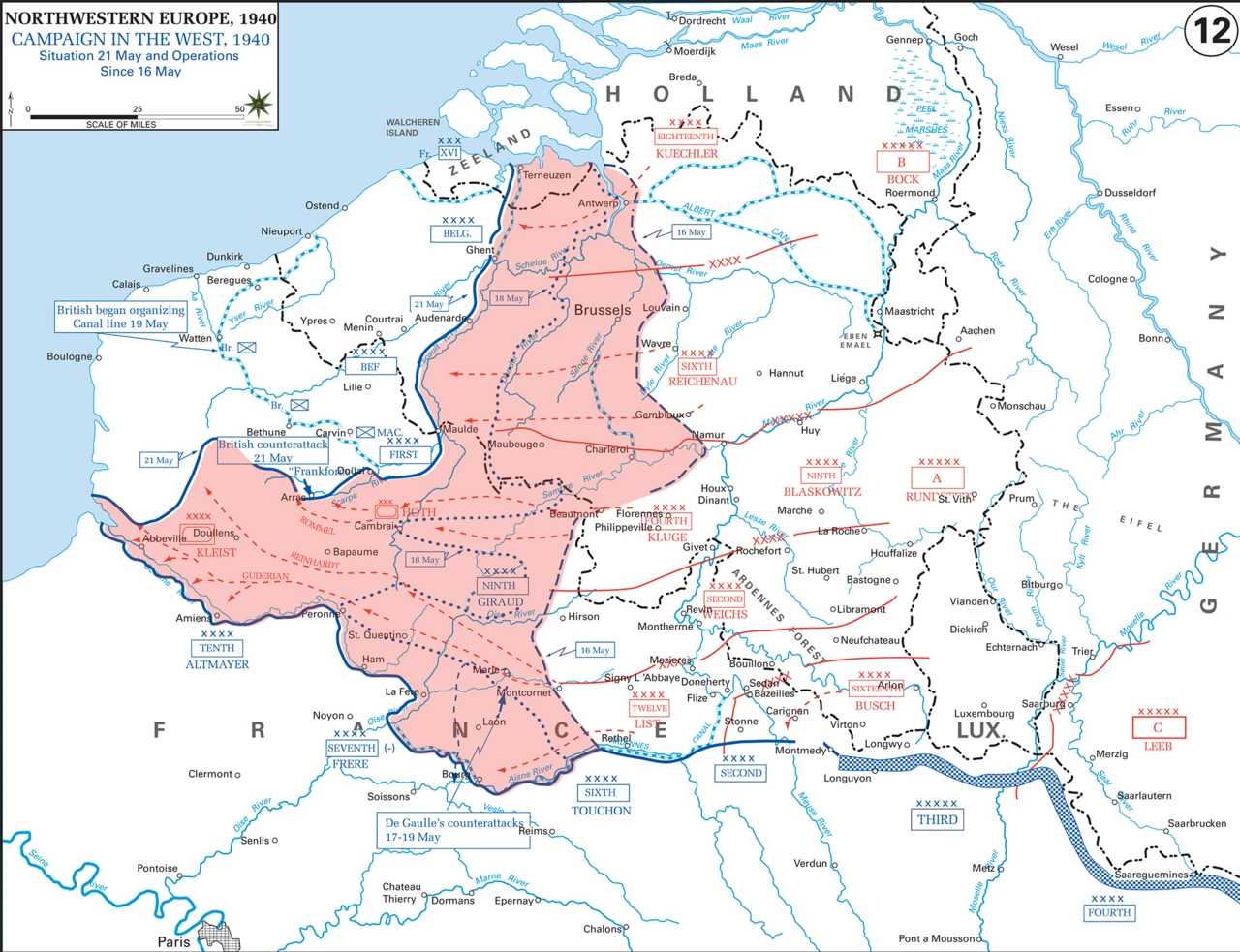
Boulogne — Fox-Pitt and the Guards facing the port
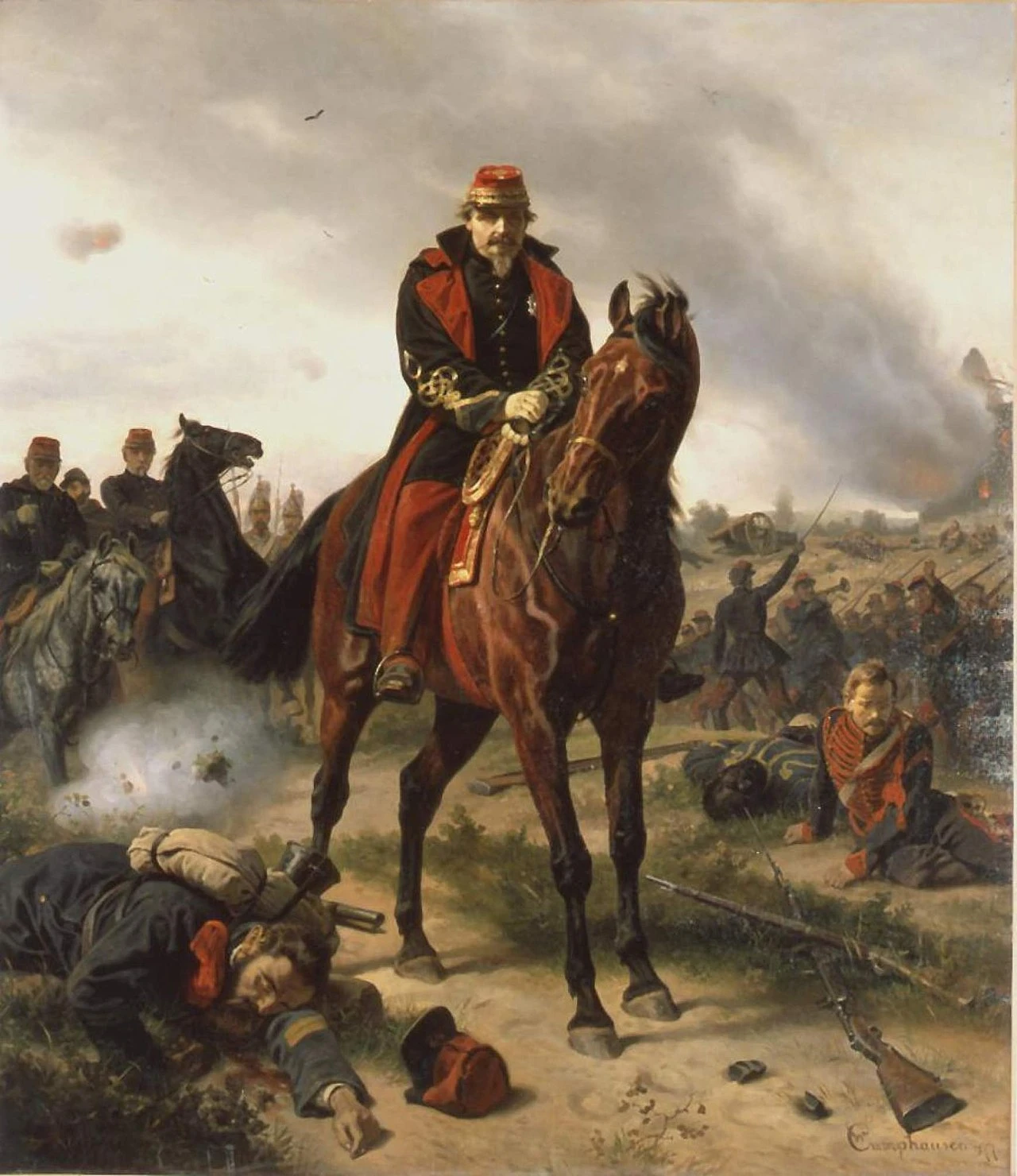
Bulson — Lafontaine and the 02:00 rumour
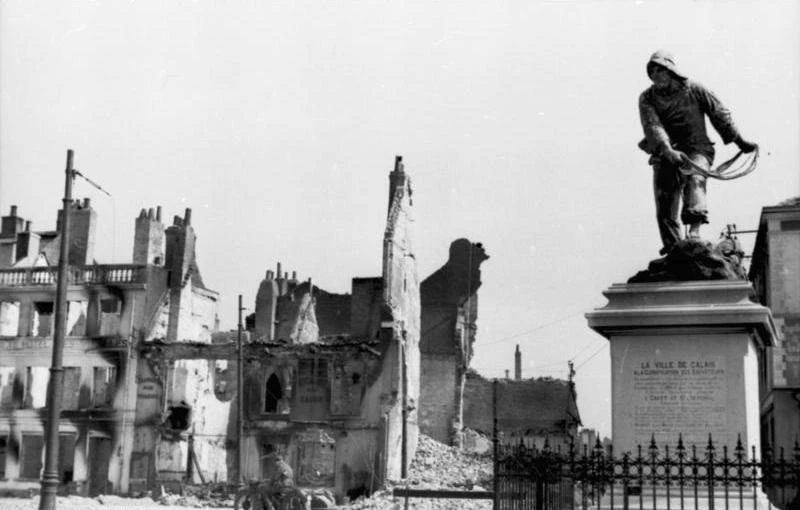
Calais — Nicholson facing the ultimatum
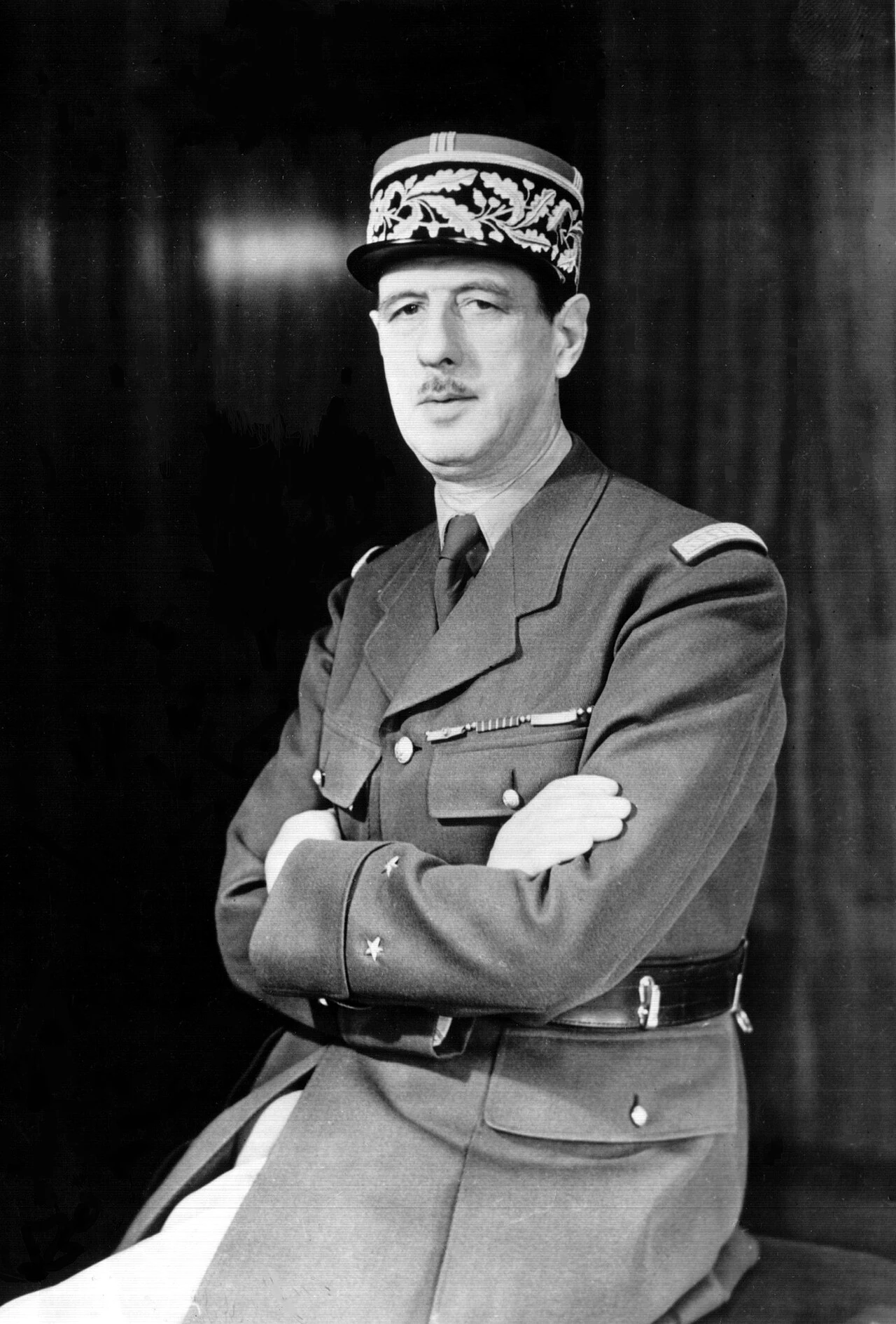
De Gaulle at Abbeville
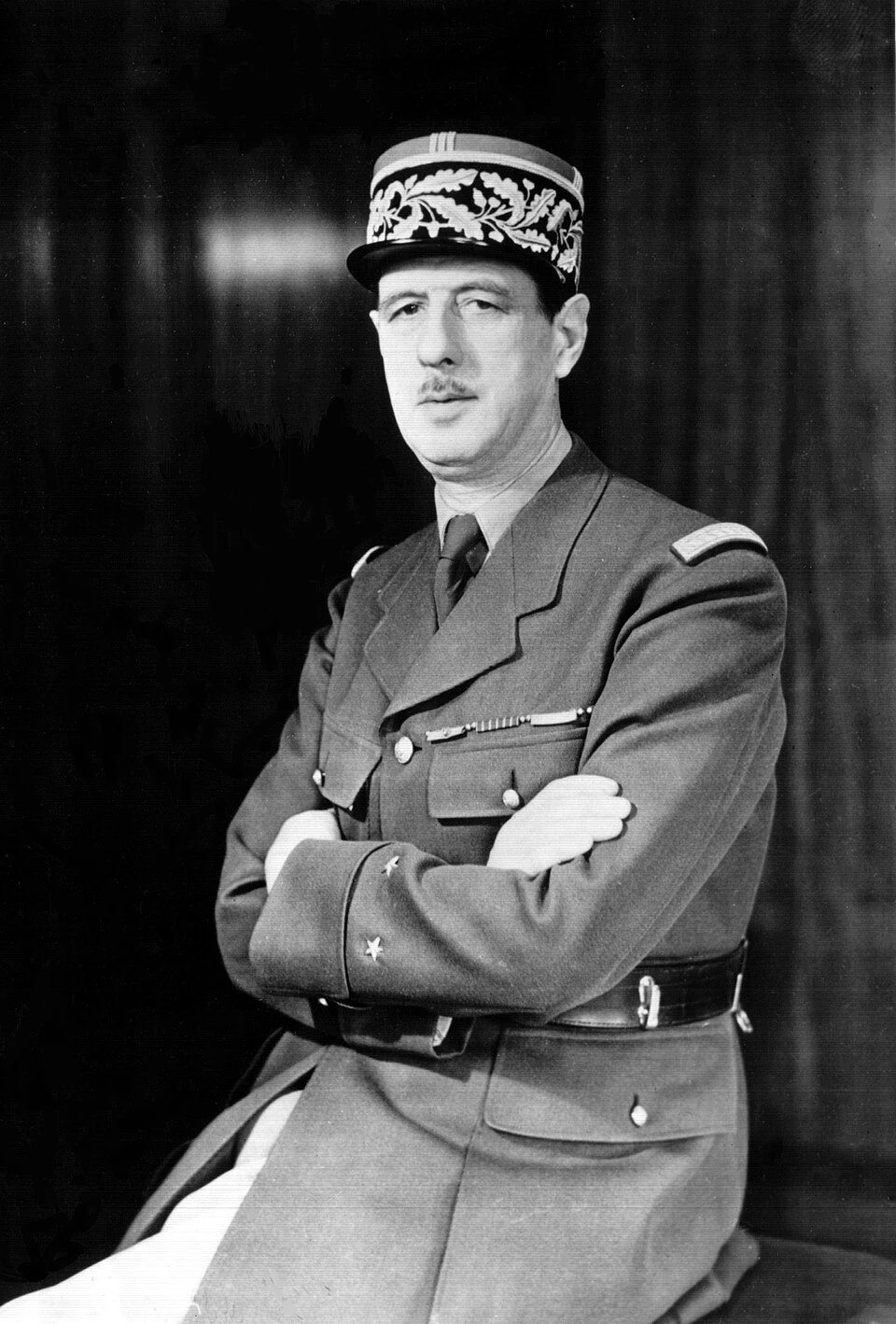
De Gaulle at Montcornet — 17 May
The Defence of Boulogne
The Army of the Alps against the Italians
Boutmy at Mont-Cenis
The Maginot surrenders
Arras — the Matildas against Rommel's flank
Boulogne — Fox-Pitt and the Guards facing the port
Bulson — Lafontaine and the 02:00 rumour
Calais — Nicholson facing the ultimatum
De Gaulle at Abbeville
De Gaulle at Montcornet — 17 May