
On the night of 29-30 December 1940 the Luftwaffe launches against London one of the most destructive incendiary raids of the Blitz. Hundreds of bombers drop tens of thousands of incendiary bombs on the City, the historic and financial heart of the capital, aiming to kindle a general conflagration. The tide on the Thames is low, depriving the firemen of much of their water, and many offices are locked and shuttered for the weekend.
Our fire watcher is one of those volunteers posted on the rooftops — clergy, clerks, civilians — tasked with spotting and smothering incendiaries before they set off a major blaze. Around St Paul's Cathedral, London's iconic dome, fires are springing up everywhere; St Paul's is the symbol London dreads to lose.
The volunteers are few, water is short, and the bombs fall faster than they can be put out. Each must decide where to throw his effort: defend St Paul's above all else, smother the fires in the empty buildings around it, or fall back before a blaze that is becoming uncontrollable.
Where should the fire watchers concentrate their effort that night?
The volunteers and the fire brigade gave priority to A: Churchill had let it be known that the cathedral must be saved at all costs for the sake of national morale, and they fought wherever they could. St Paul's was saved — a photograph of its dome rising out of the smoke and flames would become the iconic image of London's defiance. But the City was devastated: whole districts, Wren churches, the Guildhall and millions of books and records went up in smoke in what the press called the 'Second Great Fire of London,' echoing that of 1666. The human toll was lighter than in other raids — the offices were empty — but the material damage was colossal. The episode led to the compulsory organization of fire watchers across the country.
Learn more about this event
Related polls
10
Coventry — the night of November 14
The last great night of the Blitz
Dowding and the Last Reserves — 15 September 1940
Keith Park at Uxbridge — September 15
The Polish Pilots of 303 Squadron
The Uxbridge plotter
Chain Home — the Invisible Wall
Dowding — Keep the Fighters?

The Belgian air force on the ground
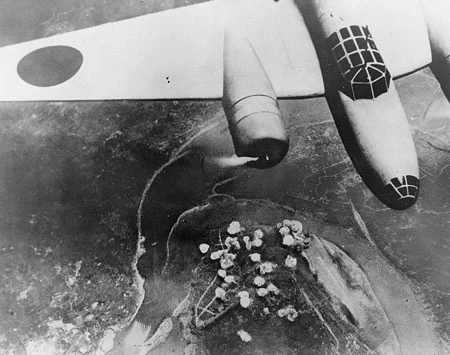
Chongqing Under the Bombs
Coventry — the night of November 14
The last great night of the Blitz
Dowding and the Last Reserves — 15 September 1940
Keith Park at Uxbridge — September 15
The Polish Pilots of 303 Squadron
The Uxbridge plotter
Chain Home — the Invisible Wall
Dowding — Keep the Fighters?
The Belgian air force on the ground