
Rotterdam — 100 He 111s over the city
On the morning of 14 May 1940, the situation in Rotterdam is confused. The Wehrmacht — General , at the head of the — holds the south of the city, in the Charlois-Feijenoord sector, while the Dutch under General hold the north, that is, the historic centre. At 10:30, a German ultimatum is delivered to Scharroo: surrender or bombardment.
Negotiations are under way at 12:35 on the van Brienenoord bridge. But at Putzig, a Luftwaffe base on the Baltic coast, Oberst 's "Totenkopf" — one hundred He 111 bombers — has taken off at 13:00 to bomb Rotterdam, on the orders of on 13 May. Hoffmann is unaware that talks are taking place on the ground.
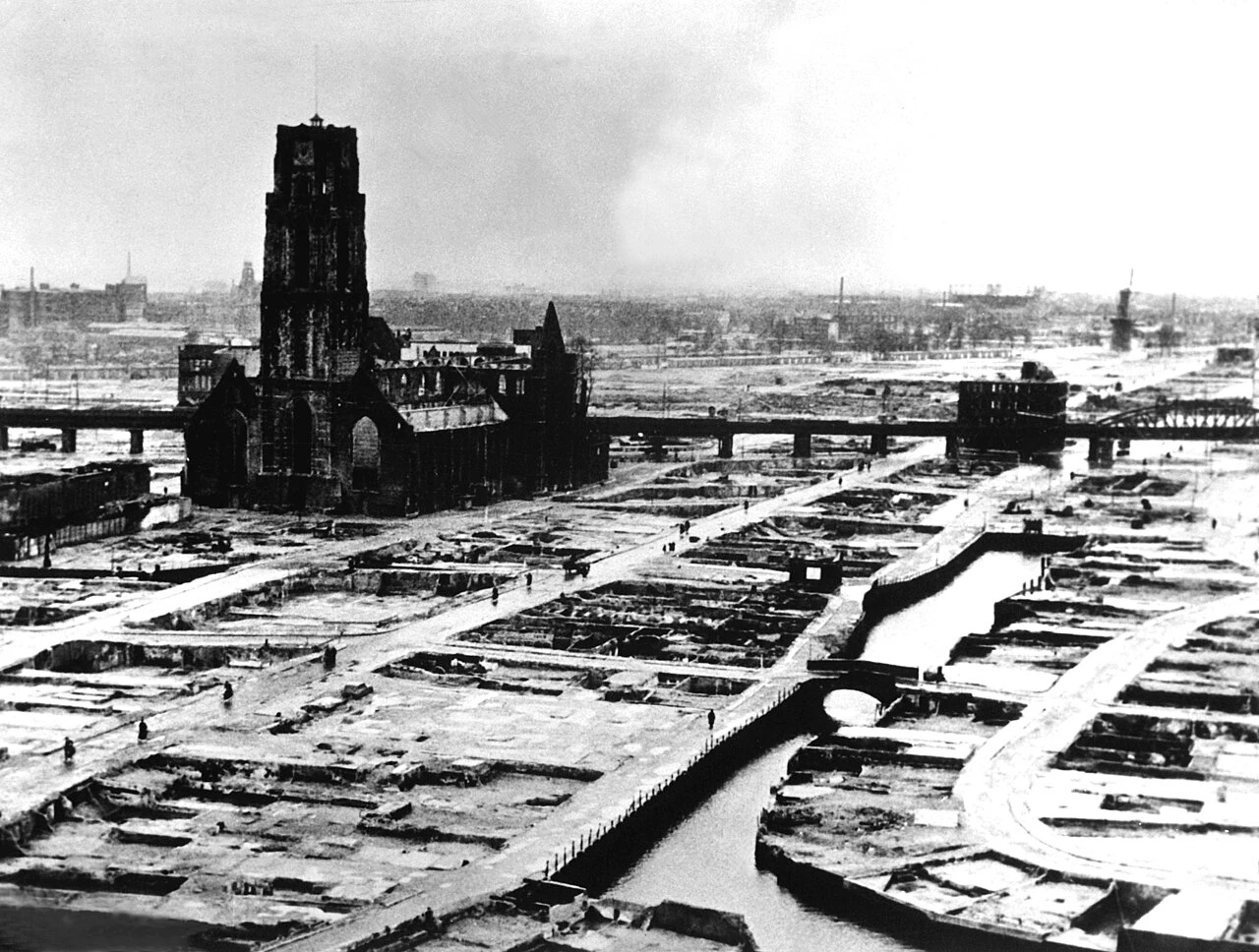
At 13:22, the first wave of 54 He 111s begins the bombing. From the ground, red flares now go up, a visual signal ordering the operation halted. Only three squadrons see them and turn back. The other 27 He 111s drop their bombs on the historic centre: 1,308 tons in fifteen minutes.
The question that has been put to the historiography remains: was that confusion avoidable? Could Hoffmann have stopped the bombing in time?
Did Hoffmann have any means of stopping the bombing in time?
The consensus historiography accepts B with elements of C. The bombardment destroys 2.6 km² of central Rotterdam: 24,978 buildings destroyed, 78,000 made homeless, about 900 civilian dead (consensus figures, long over-estimated at 30,000 by Allied propaganda). Scharroo capitulates immediately after the bombardment, at 15:00, to spare other Dutch cities. The surrender takes effect on 15 May at 11:00. Rotterdam remains the archetype of the deliberate urban bombing of civilians — it will be used as a precedent by British leaders to justify retaliation on German cities (Hamburg 1943, Dresden 1945), and invoked as a precedent on the German side for the Blitz on London (September 1940). Hoffmann survives the war, testifies at Nuremberg but is not tried. , Reichskommissar of the Netherlands, is sentenced to death at Nuremberg in part for Rotterdam. The reconstruction of Rotterdam becomes a major post-war urban project; the city is today a recognised model of modern architecture.
Learn more about this event
Related polls
10
Rotterdam under the threat from the air
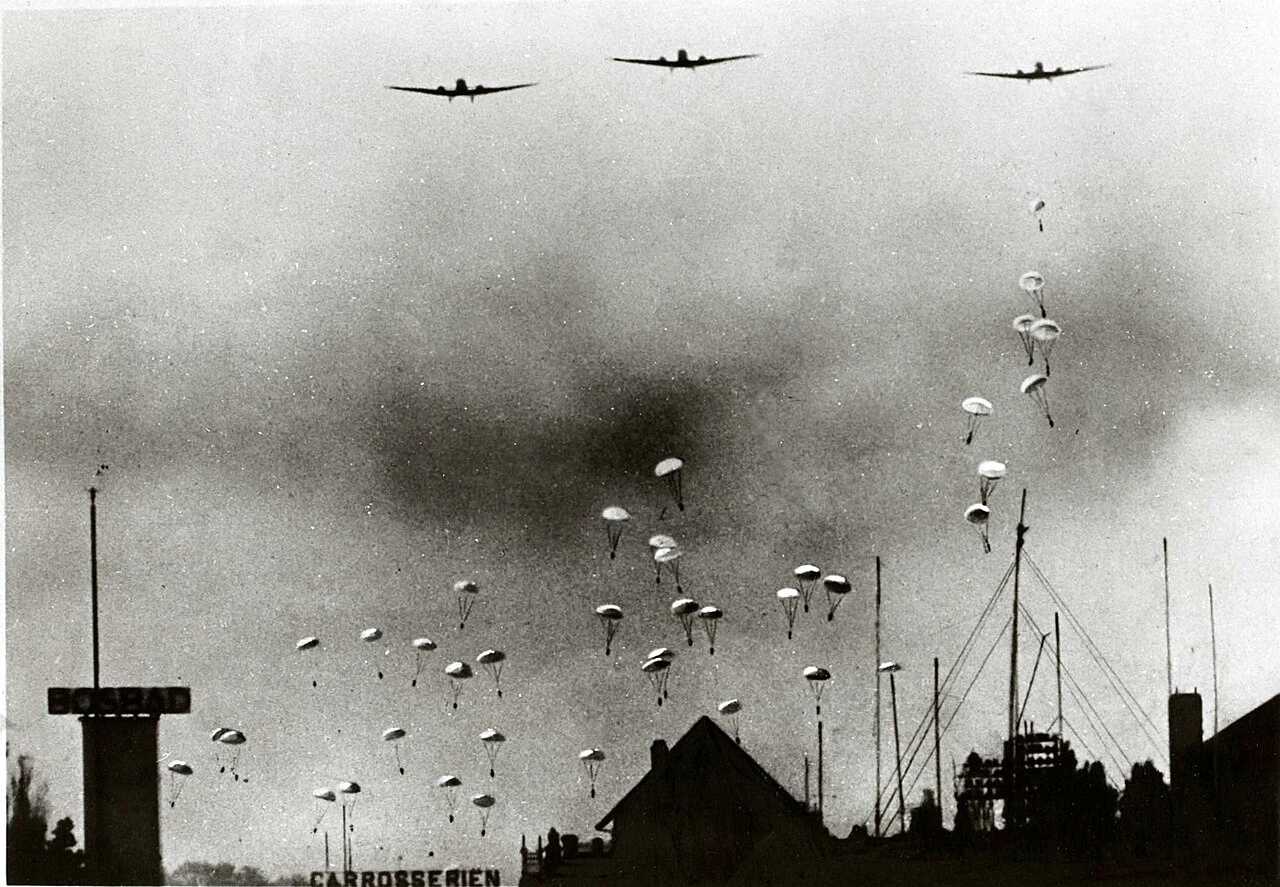
The paratroopers on The Hague
Valkenburg — paras on a grass strip
Ypenburg — German paras outside The Hague
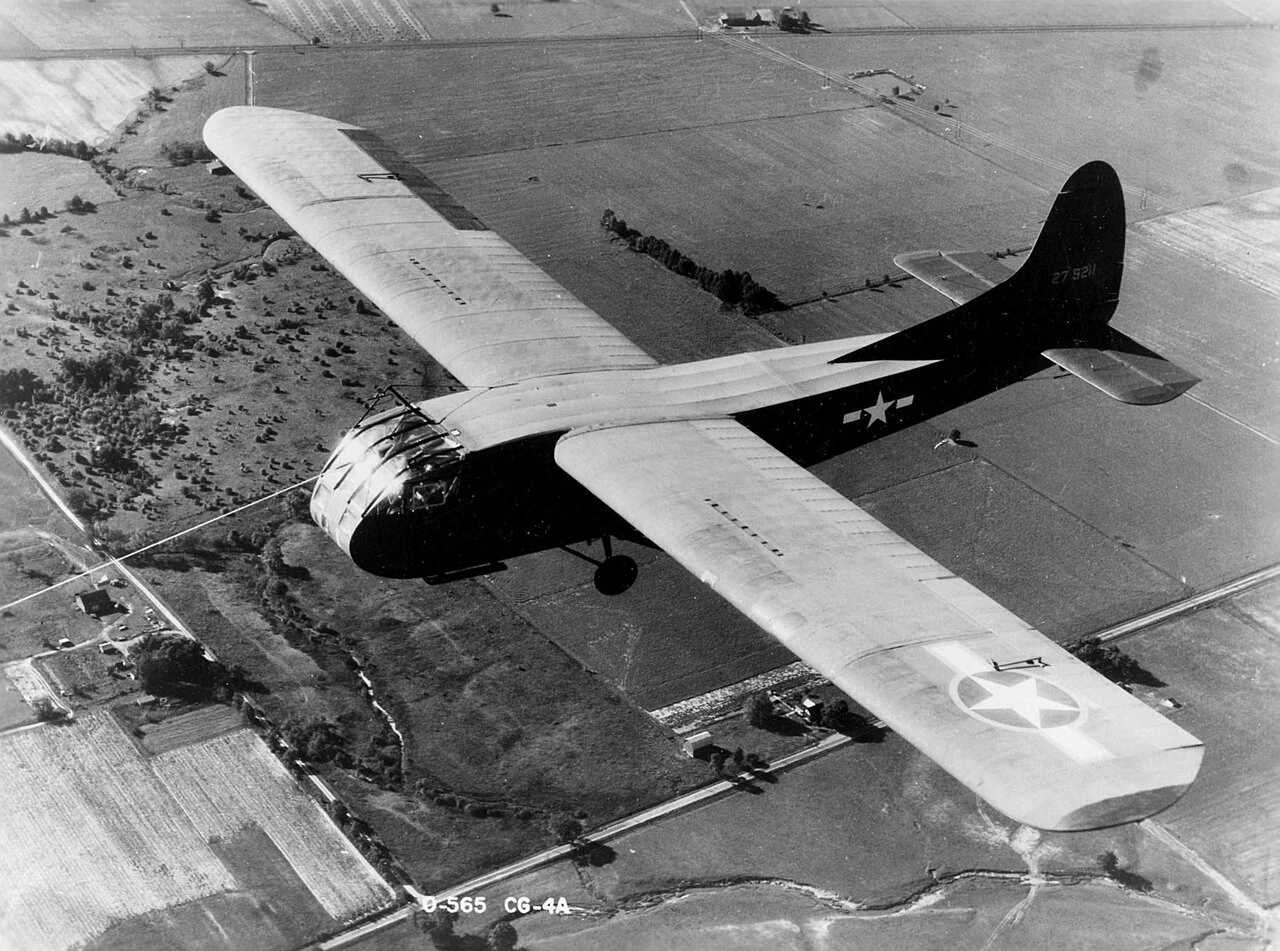
The coup de main on Ében-Émael
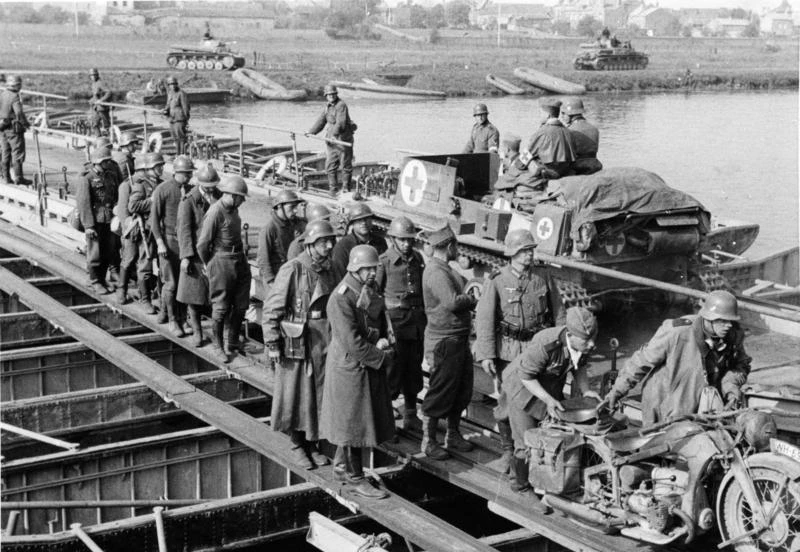
The deluge of Stukas over Sedan
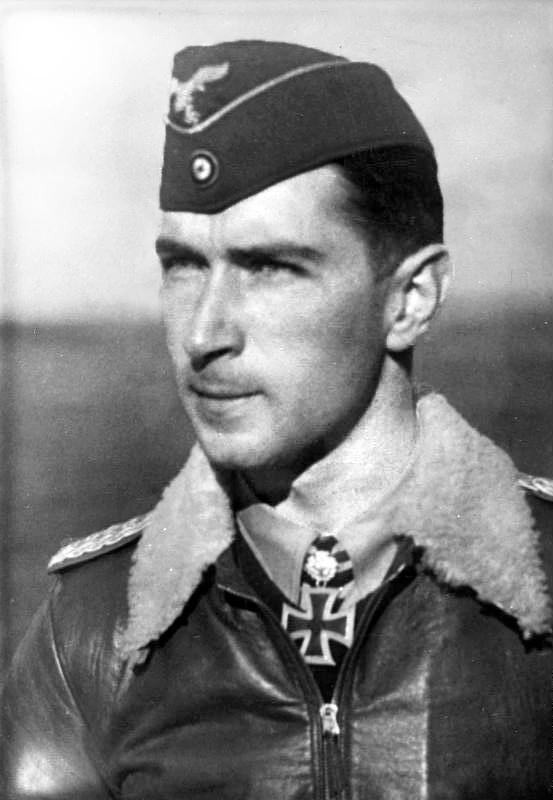
Mölders above the columns — 18 May
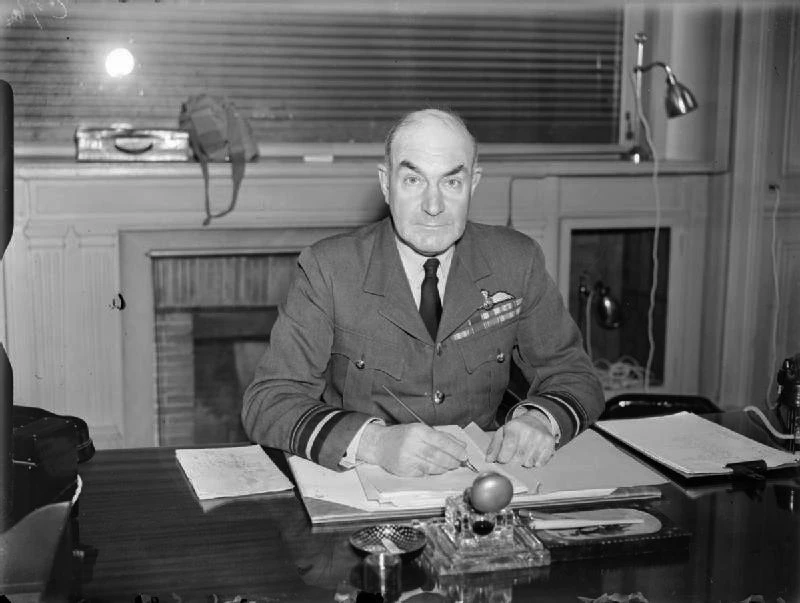
The bridges of Maastricht — the sacrifice of the Battles
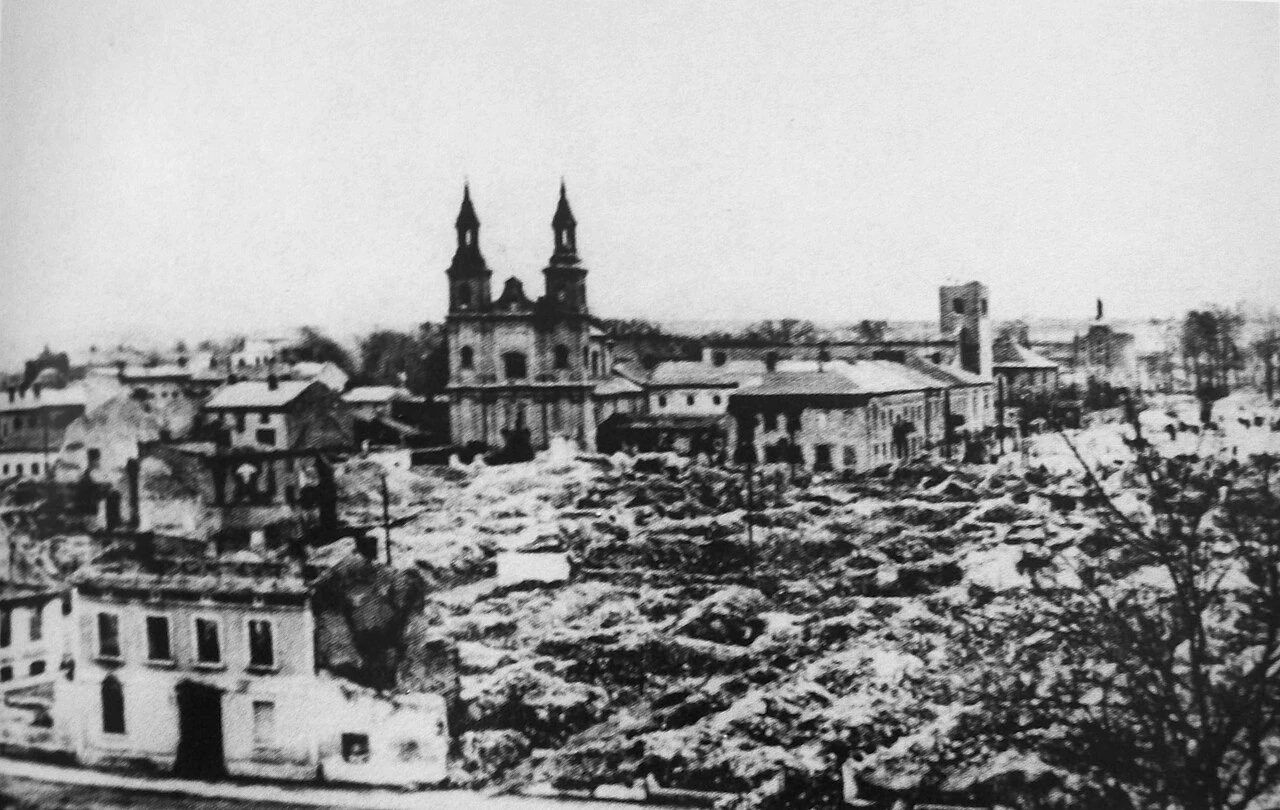
Wieluń, 1 September 1939 — the dawn before Westerplatte
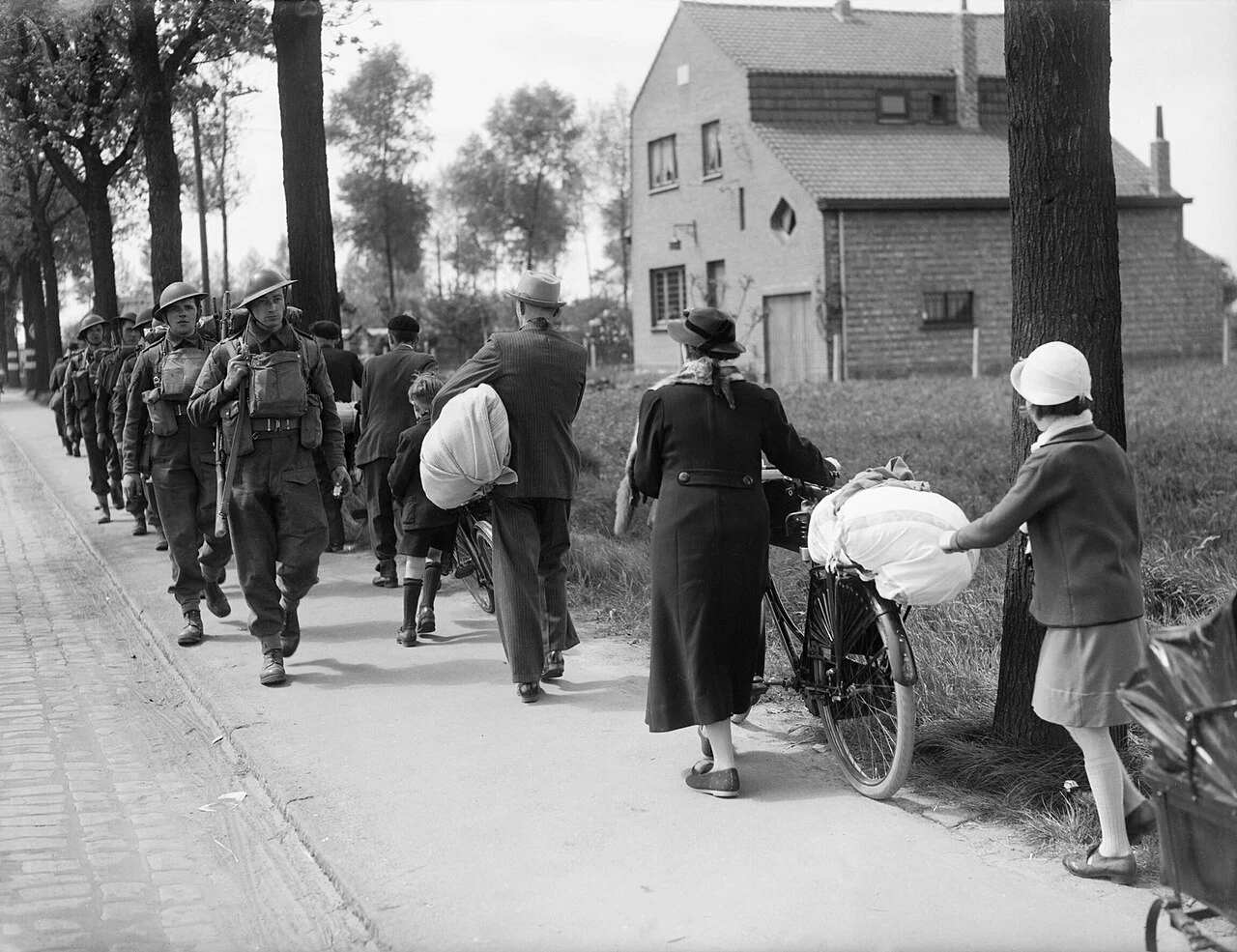
Abbeville — the roads under the fighters
Rotterdam under the threat from the air
The paratroopers on The Hague
Valkenburg — paras on a grass strip
Ypenburg — German paras outside The Hague
The coup de main on Ében-Émael
The deluge of Stukas over Sedan
Mölders above the columns — 18 May
The bridges of Maastricht — the sacrifice of the Battles
Wieluń, 1 September 1939 — the dawn before Westerplatte