
Kiev, September 1941: A Neighbor Facing Babi Yar
In late September 1941, Kiev has just fallen into the hands of the Wehrmacht. At the crossroads, posters order all the city's Jews to assemble on the morning of the 29th, near the freight station, bringing their papers, money, and warm clothing. The tone is administrative, almost reassuring: many believe in a transfer, a deportation to the east. You have lived on the same landing as a Jewish family for years. On the morning of the departure, you pass your neighbors on the staircase, suitcase in hand, convinced they will return.
The occupier has imposed a terrifying rule: helping a Jew, hiding one, feeding one means risking death, for yourself and your loved ones. The city teems with informers and watchful eyes monitoring every door. You already know, from the rumors, that the columns that set off toward the ravine at Babi Yar have not come back. Fear is everywhere, and so is uncertainty.
Your neighbors knock at your door as night falls, asking for shelter for a few days. Outside, the patrols pass. You must decide now.
What do you do when your Jewish neighbors knock at your door seeking to hide?
A minority of Kievans nonetheless chose to hide their Jewish neighbors, defying the death penalty decreed by the occupier; several were later recognized as "Righteous Among the Nations" by Yad Vashem. On 29 and 30 September 1941, around 33,771 Jews were shot dead at the ravine of Babi Yar by the , assisted by the auxiliary police, in one of the largest massacres of the Holocaust by bullets. The vast majority of the inhabitants, terrified or powerless, could not or dared not do anything. Babi Yar then remained a site of mass executions until 1943, claiming more than 100,000 victims in total.
Learn more about this event
Related polls
10
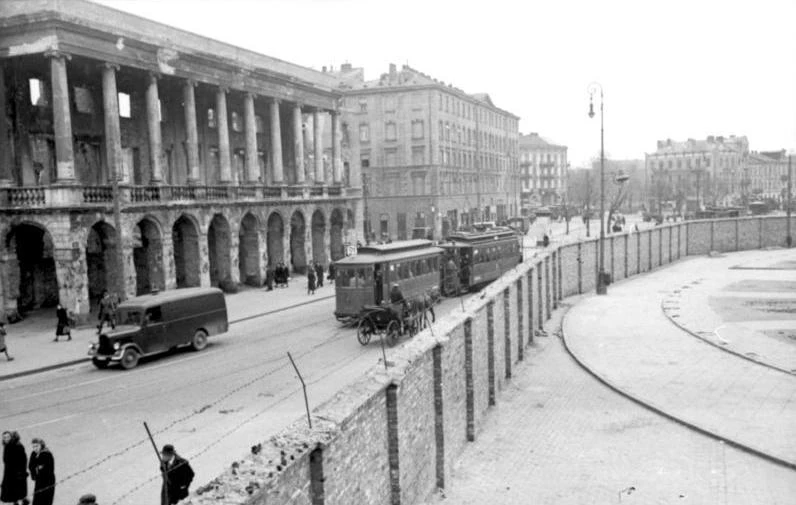
Studying in the Warsaw Ghetto
The Parisian concierge facing informing under the Occupation
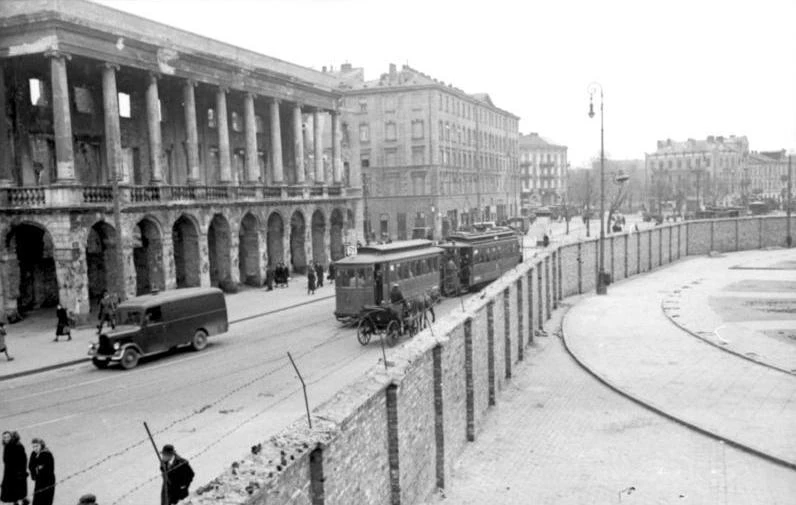
Clandestine teaching in the Warsaw Ghetto
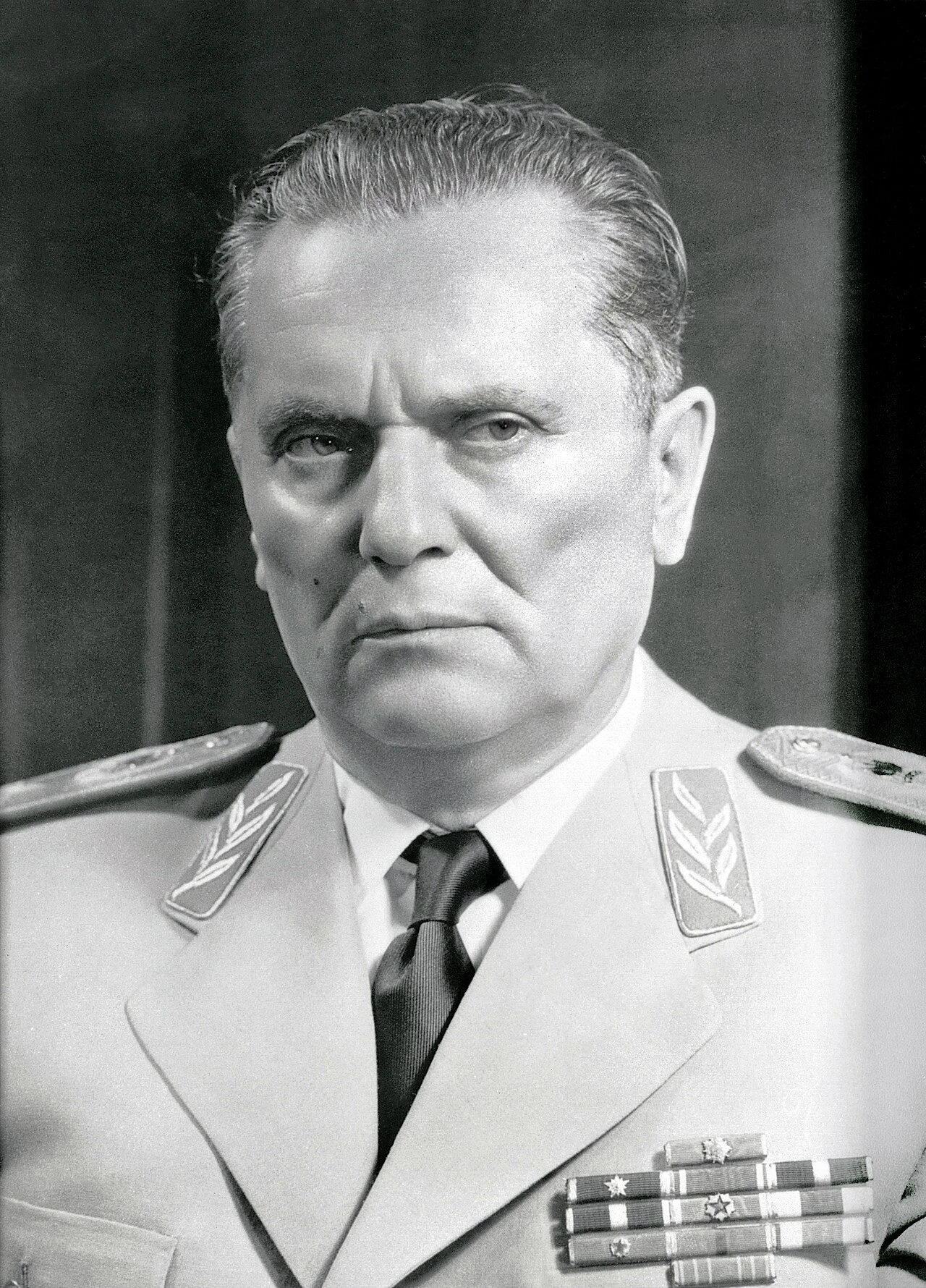
The Belgrade medical student and the call of the Partisans
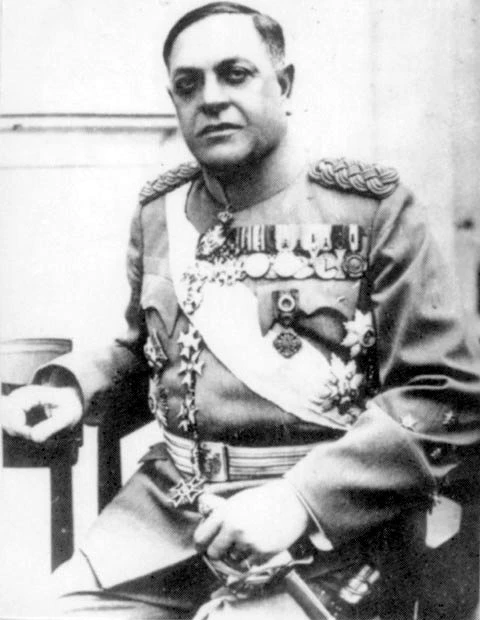
The Belgrade schoolteacher under the occupation
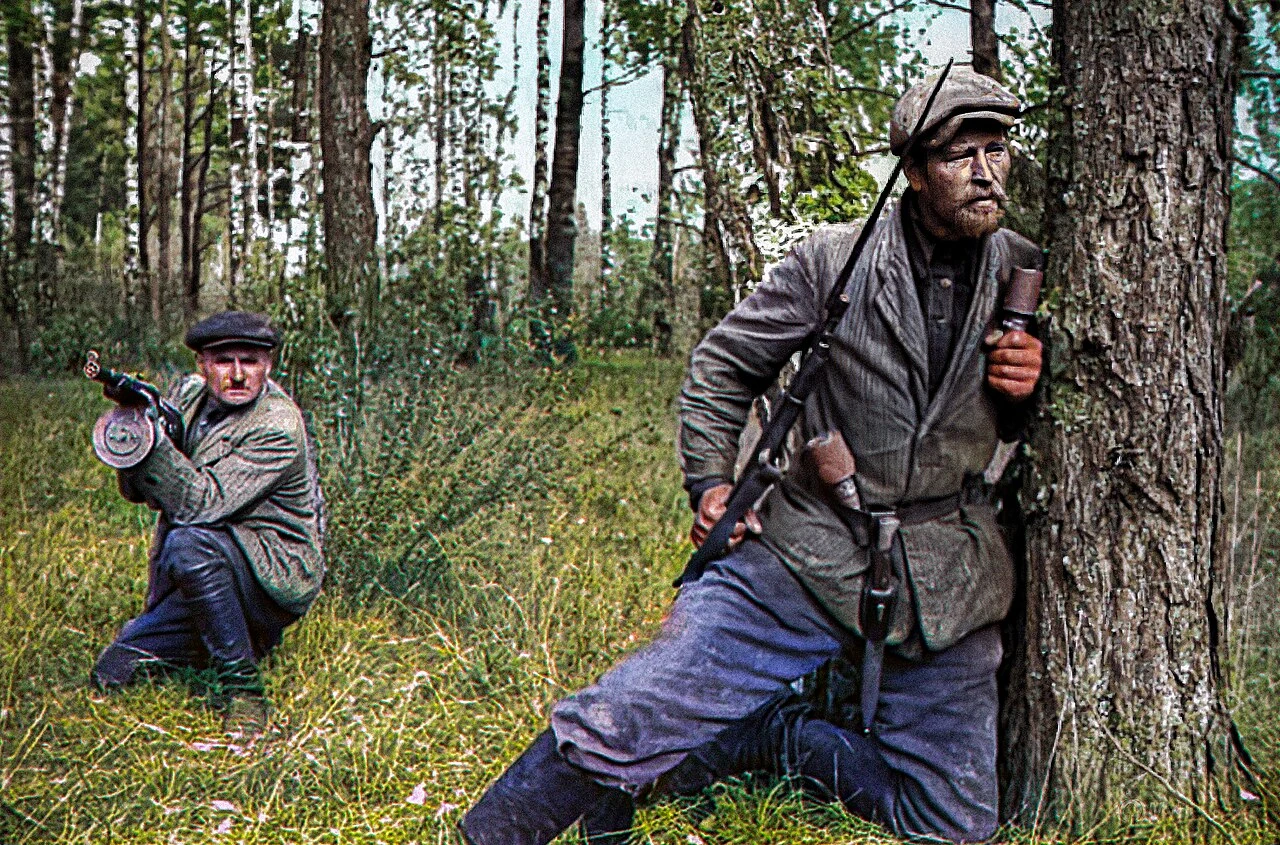
The Bryansk forests, autumn 1941
Oslo, September 1941: The Milk Strike
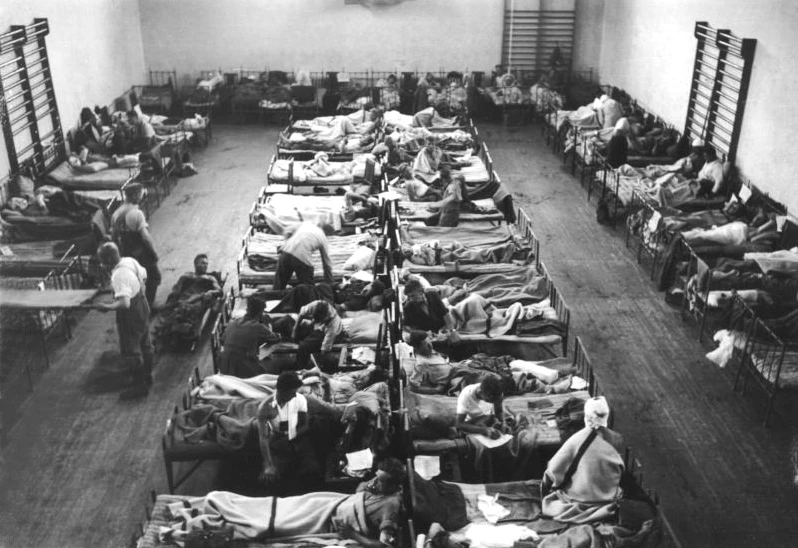
A French nurse facing a wounded enemy soldier
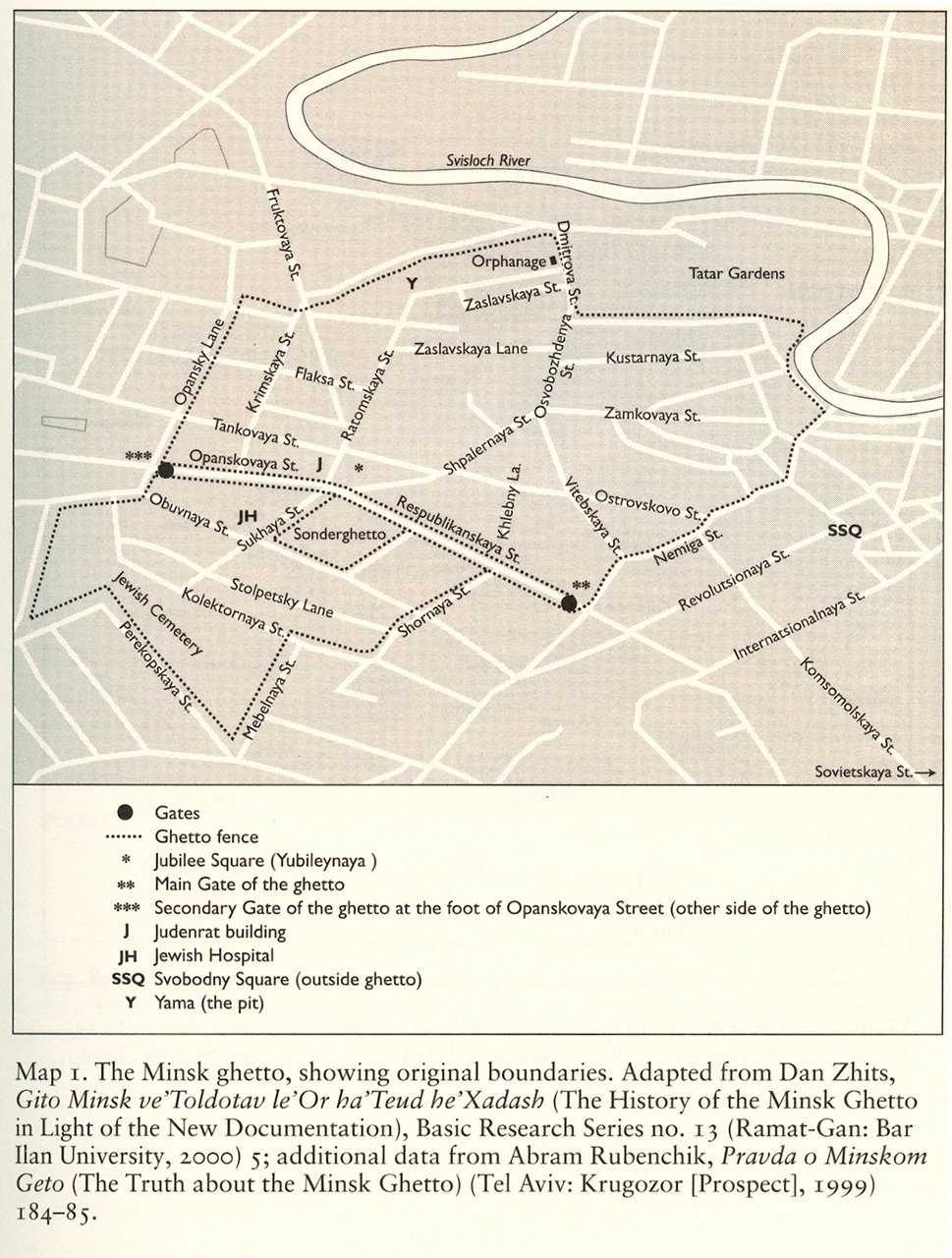
A young Belarusian woman in occupied Minsk
At the Dahomey pit, the morning of team-rate pay
Studying in the Warsaw Ghetto
The Parisian concierge facing informing under the Occupation
Clandestine teaching in the Warsaw Ghetto
The Belgrade medical student and the call of the Partisans
The Belgrade schoolteacher under the occupation
The Bryansk forests, autumn 1941
Oslo, September 1941: The Milk Strike
A French nurse facing a wounded enemy soldier
A young Belarusian woman in occupied Minsk