
The black hole of the Atlantic, October 1941
In mid-October 1941, convoy SC-48 makes its laborious way toward Great Britain, heavily laden with provisions, fuel, and matériel destined for an England still under siege. Departed from North America, the gathering of merchant ships follows the great North Atlantic route, the most vital and the most murderous of the war, the one on which the very survival of the United Kingdom depends. The Canadian escort commander knows that his convoy is entering the most dreaded zone of the passage.
For south of Iceland opens the "black hole" of the Atlantic, a vast corridor beyond the coverage of land-based aircraft, including those from Newfoundland. With no eyes in the sky, the escorts sail blind, dependent solely on their sonars and their lookouts. Intelligence and intercepts report that a wolfpack of U-boats has gathered directly across the convoy's route, lurking in the grey immensity. Night falls, the sea swells, the wind rises.
On the bridge, the commander scans the darkness where submarines he cannot see prowl. Canadian and American escorts are steaming up as reinforcements through the swell, but his units remain few against a wolfpack whose strength and exact position he does not know. Every minute counts before the first torpedoes find their target. He must decide without delay on the course to take.
Facing the U-boat wolfpack ravaging the convoy in the night, what course of action should the escort adopt?
The command chose to charge the submarines spotted on the surface, throwing its escorts into the attack to force them to dive and drive the wolfpack away from the convoy, at the cost of a fearsome exposure in the darkness. The battle of SC-48 was nonetheless one of the costliest of the autumn of 1941: from the first hours, several merchant ships were torpedoed and sent to the bottom, and their survivors drifted in the freezing water; two escorts were also lost. On 17 October, the American destroyer USS Kearny, which had rushed up as reinforcement while the United States was not yet a belligerent, was hit by a U-boat; eleven sailors lost their lives. The attack on a US Navy vessel provoked deep emotion in Washington and accelerated the American drift toward entering the war, which would soon be confirmed by the sinking of the destroyer Reuben James. These losses illustrated the vulnerability of convoys deprived of air cover in the "black hole" and weighed in the race for long-range escorts and support groups that would ultimately turn the Battle of the Atlantic.
Learn more about this event
Related polls
10
The Cherbourg arsenal in the face of Rommel
The Unfinished Battleship of Saint-Nazaire
Odessa, October 1941: The Sea or Death
The First Convoys to Murmansk

Borakowski and the merchant fleet
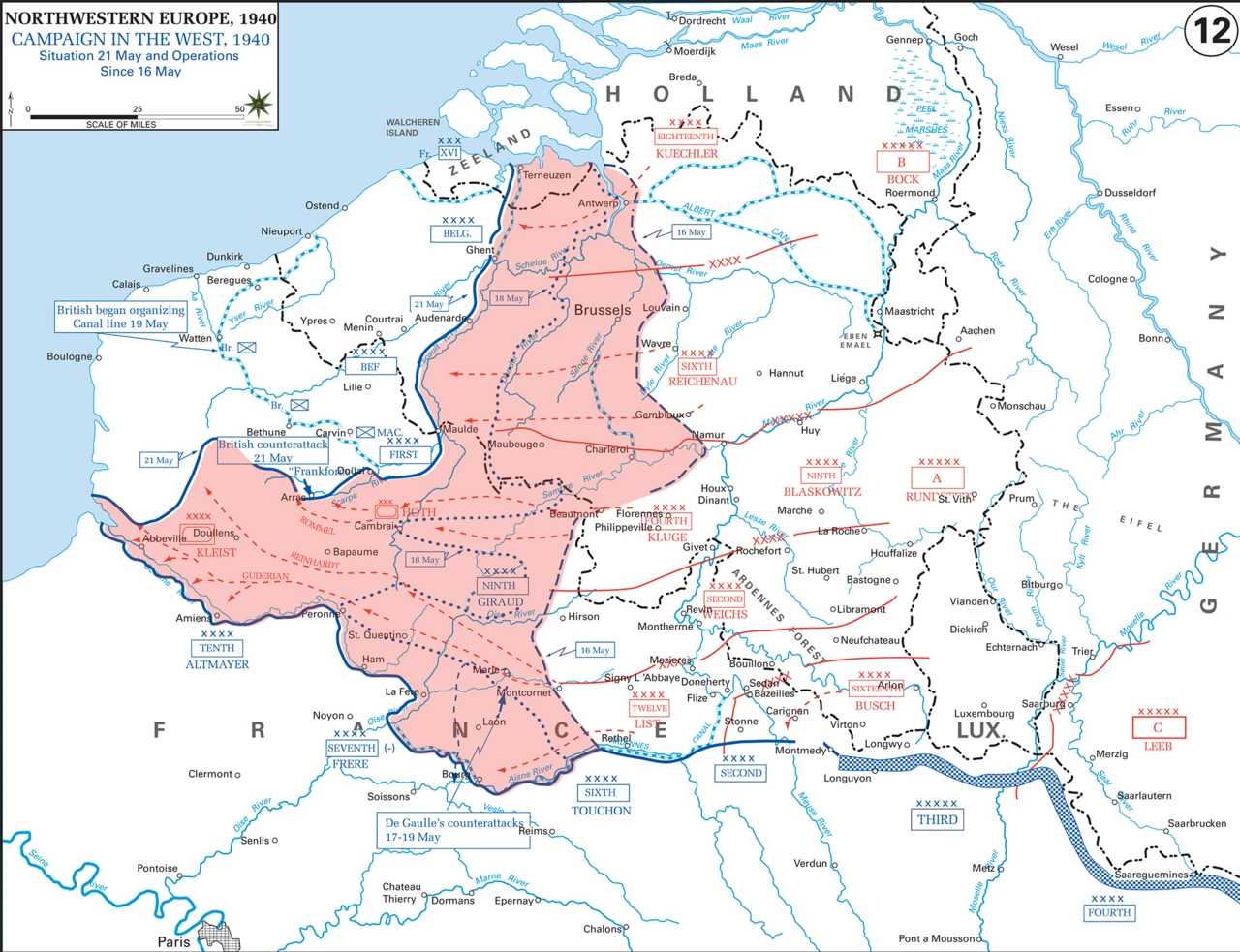
Boulogne — Fox-Pitt and the Guards facing the port
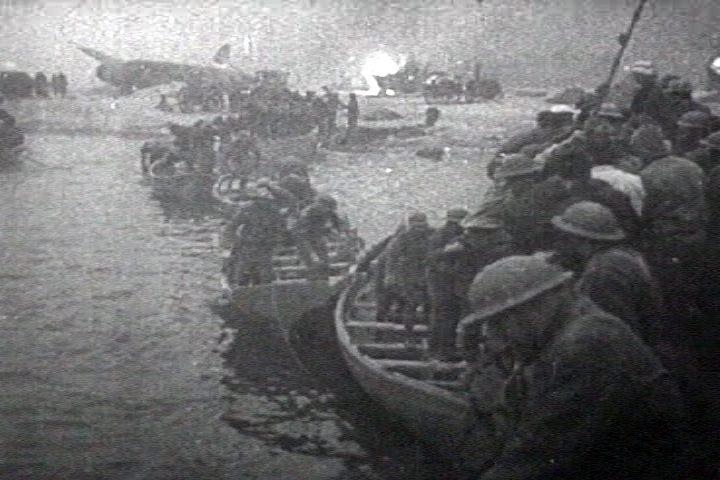
Dunkirk — Tennant and the devastated port
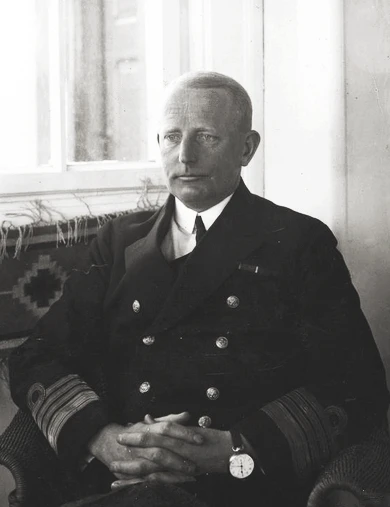
Hel — Unrug faces the German envoy
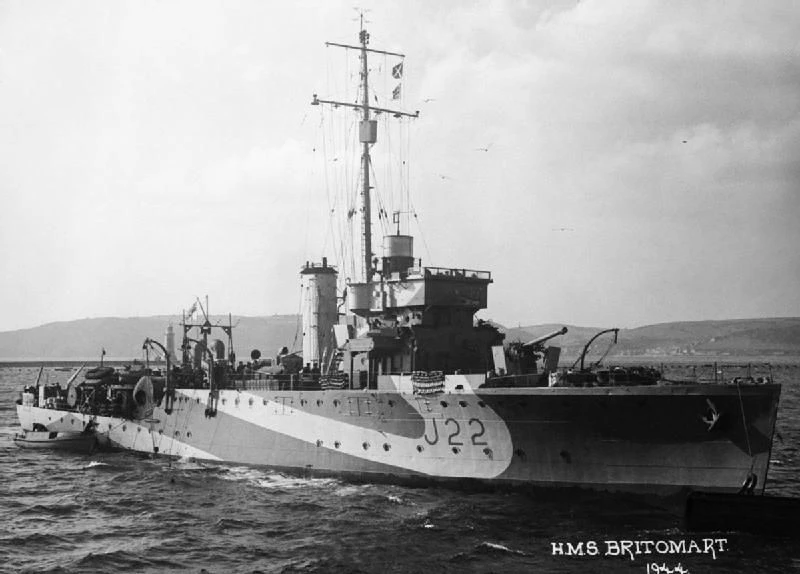
HMS Sphinx at Kinnaird Head
Illustrious under the Stukas
The Cherbourg arsenal in the face of Rommel
The Unfinished Battleship of Saint-Nazaire
Odessa, October 1941: The Sea or Death
The First Convoys to Murmansk
Borakowski and the merchant fleet
Boulogne — Fox-Pitt and the Guards facing the port
Dunkirk — Tennant and the devastated port
Hel — Unrug faces the German envoy
HMS Sphinx at Kinnaird Head