
Gudbrandsdal — Ruge imposes his line
General , 57, was appointed Commander-in-Chief of the Norwegian army on 11 April 1940, two days after the German invasion, replacing General Laake. A staff officer renowned for his rigour, he inherits an army barely mobilised, deprived of armour, of modern aviation and of part of its arms depots seized in the very first hours.
From Oslo, German forces push north through the valleys. Ruge positions himself between the Randsfjord and Lake Mjosa to slow them in the narrow passes. His reasoning: hold long enough for British reinforcements landed on the coast to arrive in strength. If the Germans come up the Gudbrandsdal valley, they will threaten the rear of the Allies aiming for Trondheim further north.
Yet Allied plans and his own diverge. The British land at Andalsnes with the intention of marching on Trondheim. Ruge, for his part, judges it priority to consolidate the Norwegian line just south of Lillehammer, where his defence is being decided. The British brigades arrive poorly equipped, without maps or reliable communications. Ruge must decide on the tone to adopt with his allies.
Will you require the British to reinforce your southern line, or follow their Trondheim plan?
Ruge chose A. When the British landed at Andalsnes, he required — and did not request — that it abandon any push on Trondheim to come and consolidate the Norwegian lines south of Lillehammer. The British troops, poorly equipped and poorly landed, went into line in the Gudbrandsdal; at Kvam, British and Norwegians held the Germans in what the historian would describe as "the first real battle, not an execution." But without air cover or sufficient reinforcements, the line gave way by stages. Ruge would carry on the fight northward, refuse to surrender and end up evacuated, then a prisoner. His insistence had briefly welded the common effort, without being able to compensate for the crushing German aerial superiority over southern Norway.
Learn more about this event
Related polls
10
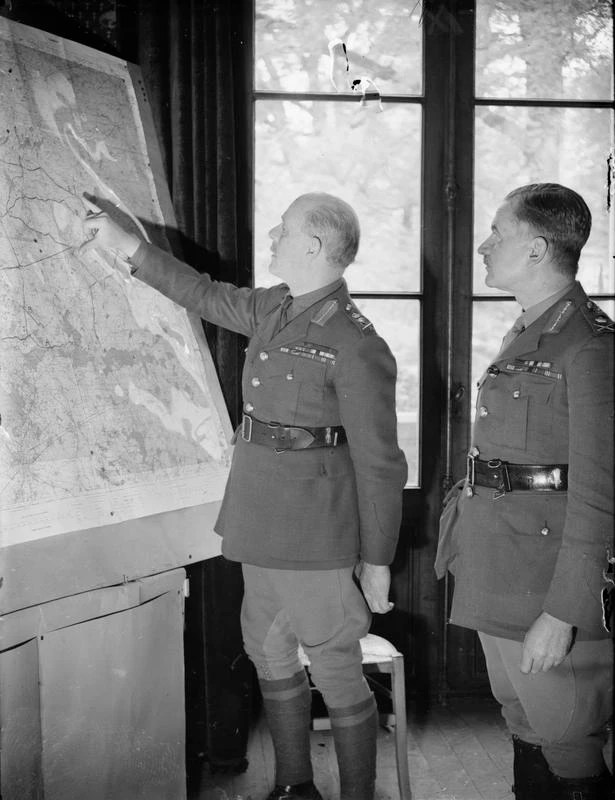
Gort at Habarcq — trust in the French plan
Touchon on the Aisne — Fall Rot
"Cromwell" — England, 7 September 1940
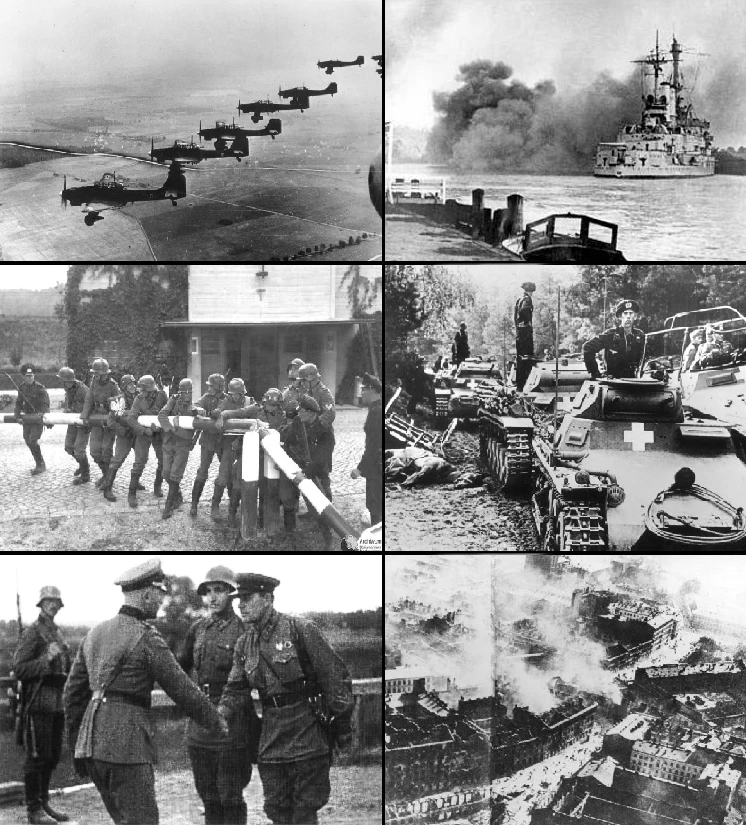
The Polish Army and the Deployment
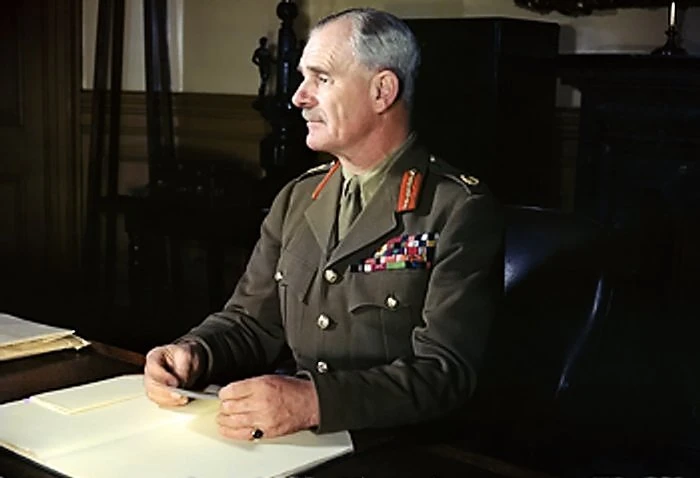
Wavell in the face of Rommel's storm
The abatis of the Chasseurs Ardennais
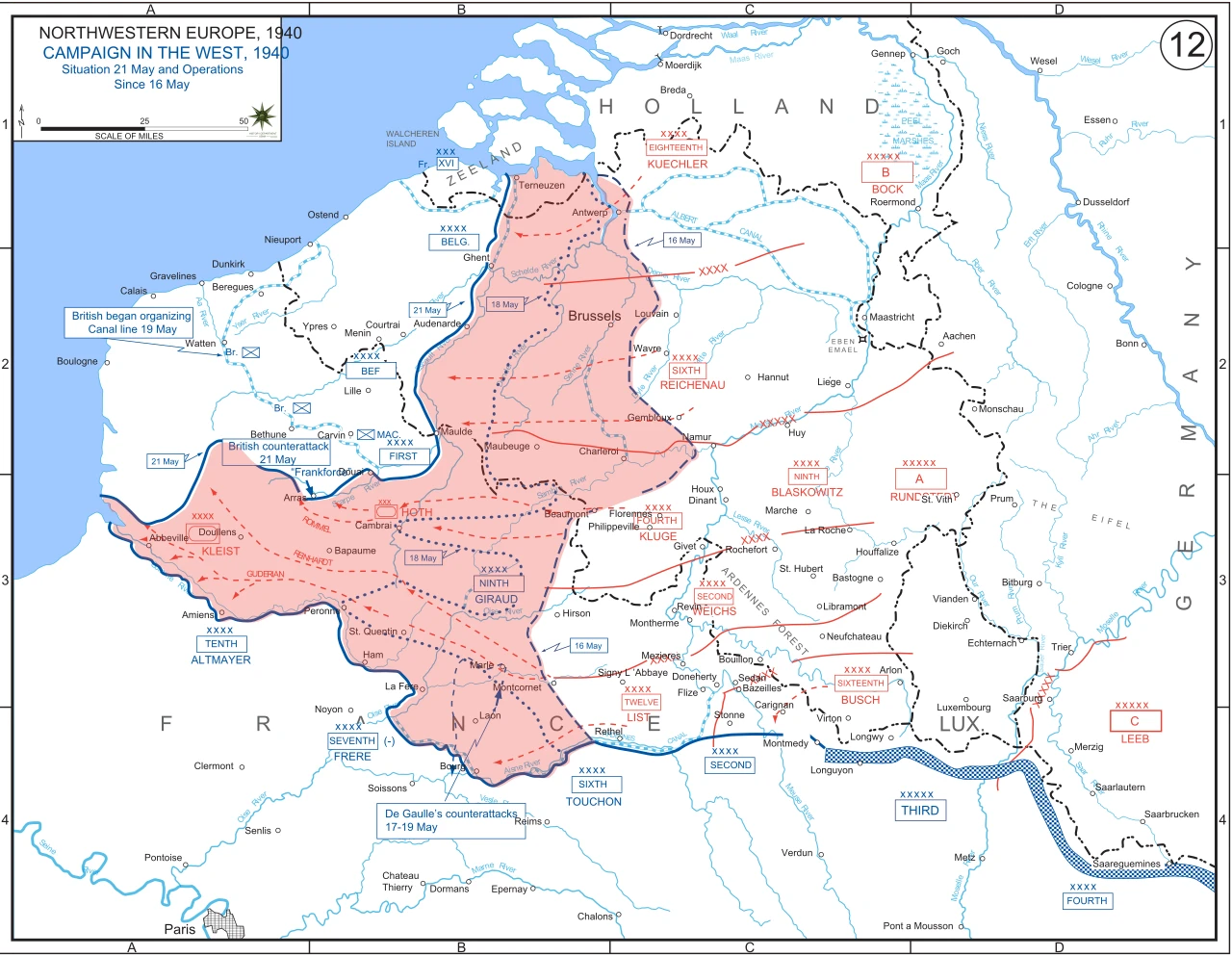
The Battle of the Lys
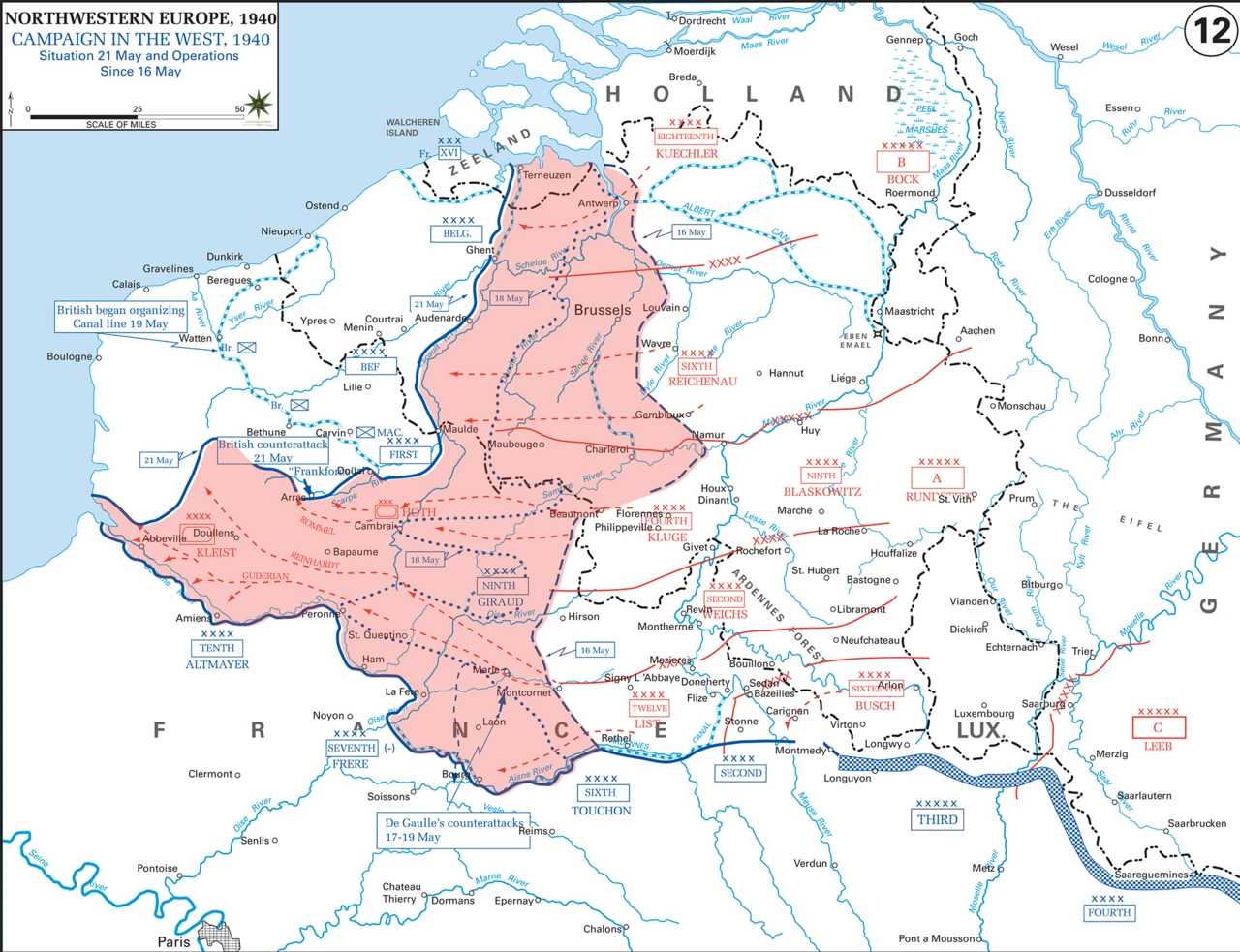
Boulogne — Fox-Pitt and the Guards facing the port
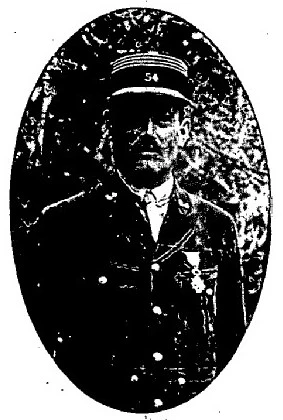
Bulson — Lafontaine and the 02:00 rumour
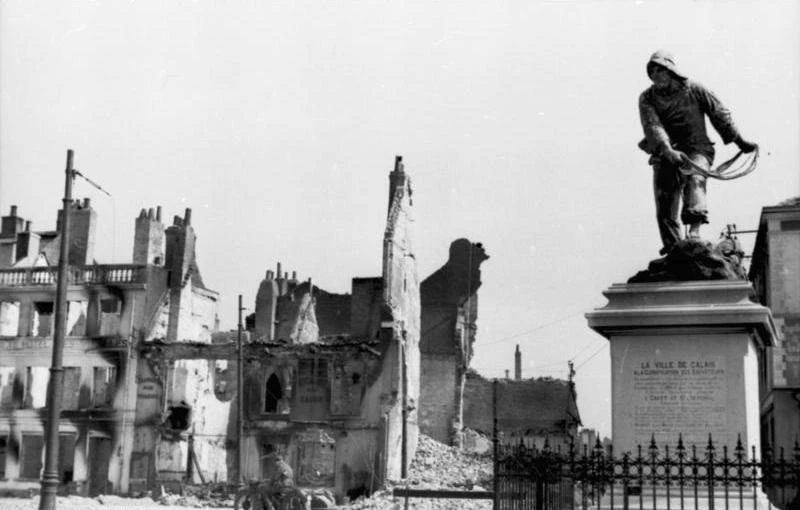
Calais — Nicholson facing the ultimatum
Gort at Habarcq — trust in the French plan
Touchon on the Aisne — Fall Rot
"Cromwell" — England, 7 September 1940
The Polish Army and the Deployment
Wavell in the face of Rommel's storm
The abatis of the Chasseurs Ardennais
The Battle of the Lys
Boulogne — Fox-Pitt and the Guards facing the port
Bulson — Lafontaine and the 02:00 rumour