
On 10 May 1940 — the very day Germany launched its offensive in the West — the British Prime Minister , discredited by the failure of the Norway campaign, resigned. The king called on , First Lord of the Admiralty, to form a government. Churchill, long marginalised for his warnings about the Nazi danger, came to power at last at the worst possible moment.
The new Prime Minister had to define from the outset Britain's line in the face of a catastrophe looming on the continent. He could affirm a will for total war, without compromise, rallying the nation to resistance whatever the cost. He could keep a margin for a possible negotiation, depending on the turn of events. Or he could play for time, the better to assess the scale of the disaster.
Churchill took the head of an ill-prepared country, of a French ally about to collapse, and of a political class where some (Halifax) did not rule out a compromise peace. His first great decision was one of tone and course: what England did he want to embody in the face of Hitler?
Should Churchill affirm a will for total war from the outset, keep a margin for negotiation, or play for time?
Churchill resolutely chose A: from his arrival in power on 10 May 1940, he embodied an inflexible determination, promising "blood, toil, tears and sweat" and affirming the will to pursue the war to victory. During the War Cabinet crisis (26–28 May), he would set aside the idea of a negotiated peace advocated by Halifax. His energy, his rhetoric and his refusal of any compromise galvanised the nation and kept the United Kingdom in the fight at the moment when all seemed lost on the continent. Churchill's accession, on the very day of the offensive, is one of the great turning points of the war: it gave the resistance to Hitler a leader equal to it.
Learn more about this event
Related polls
10
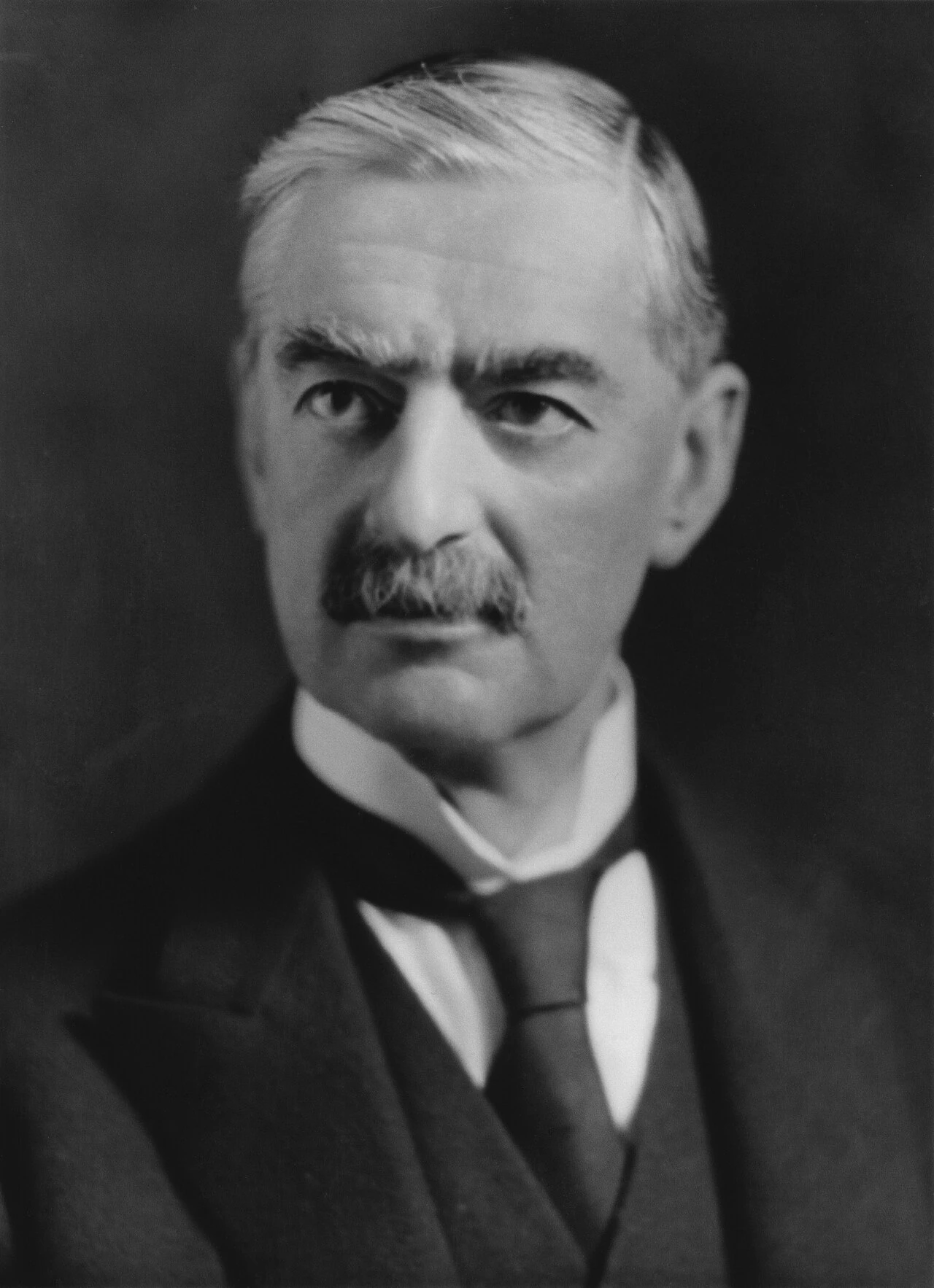
Chamberlain at Central Hall — 4 April
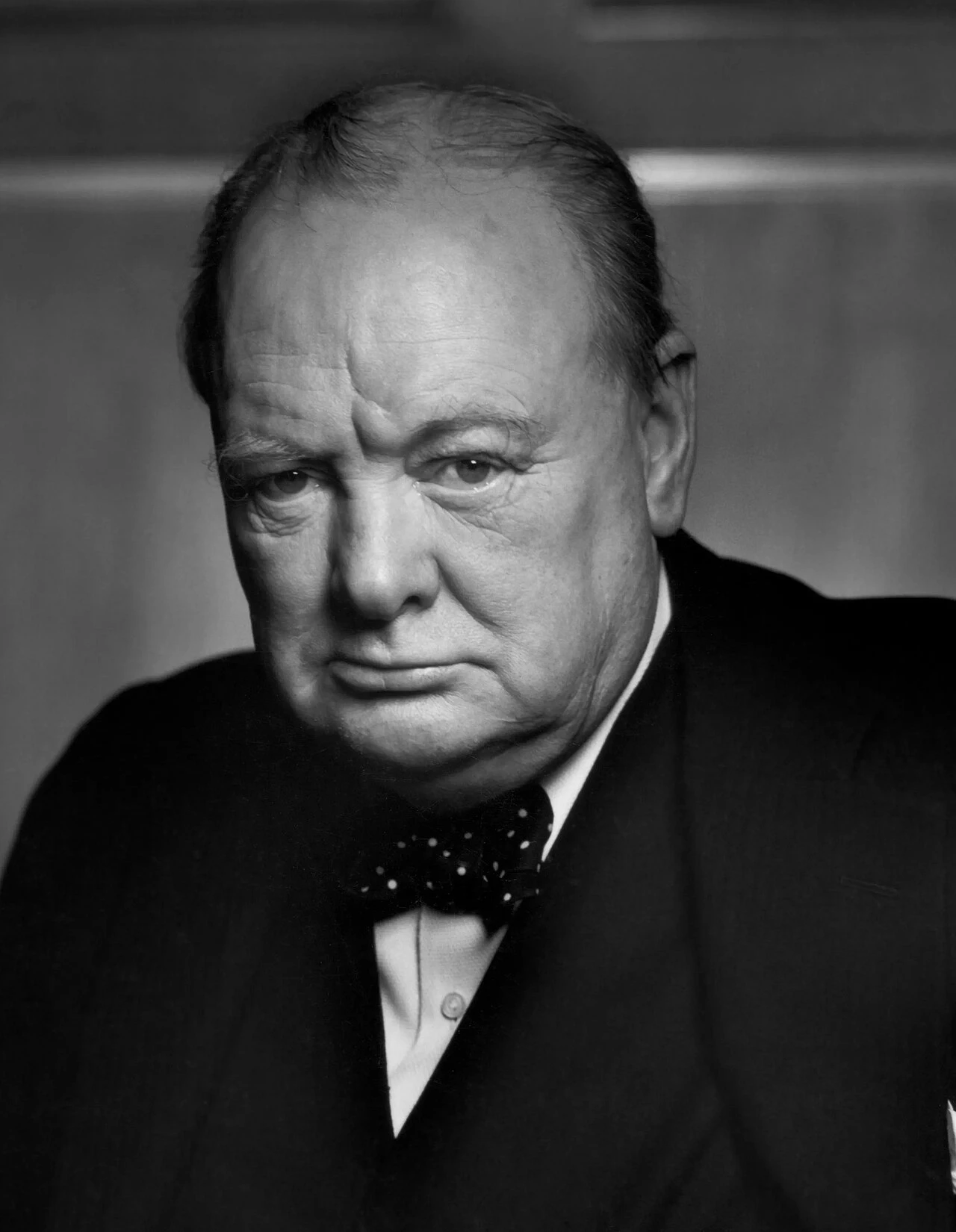
Churchill before the 25 ministers — 28 May 18:00
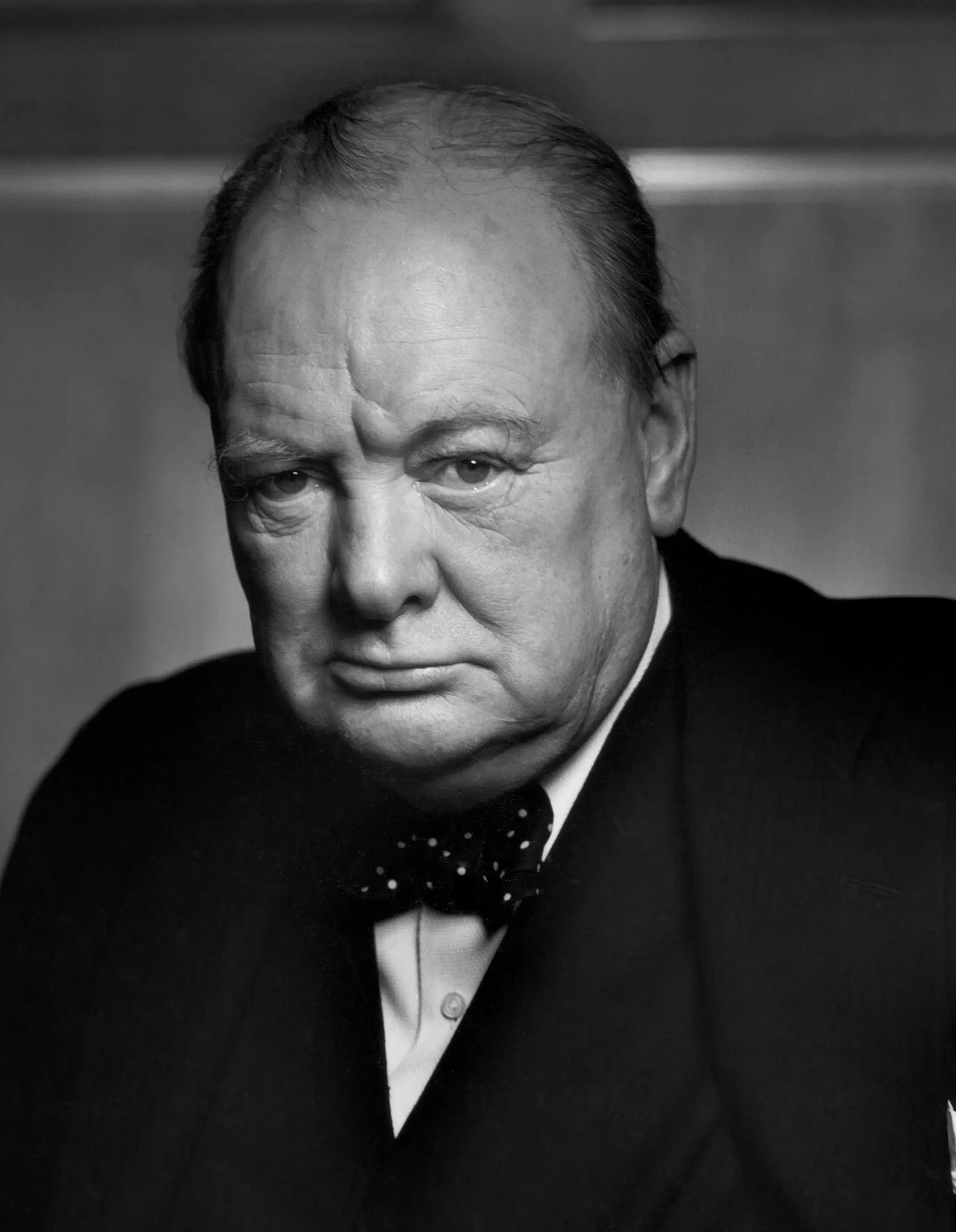
Churchill before the Commons — 4 June
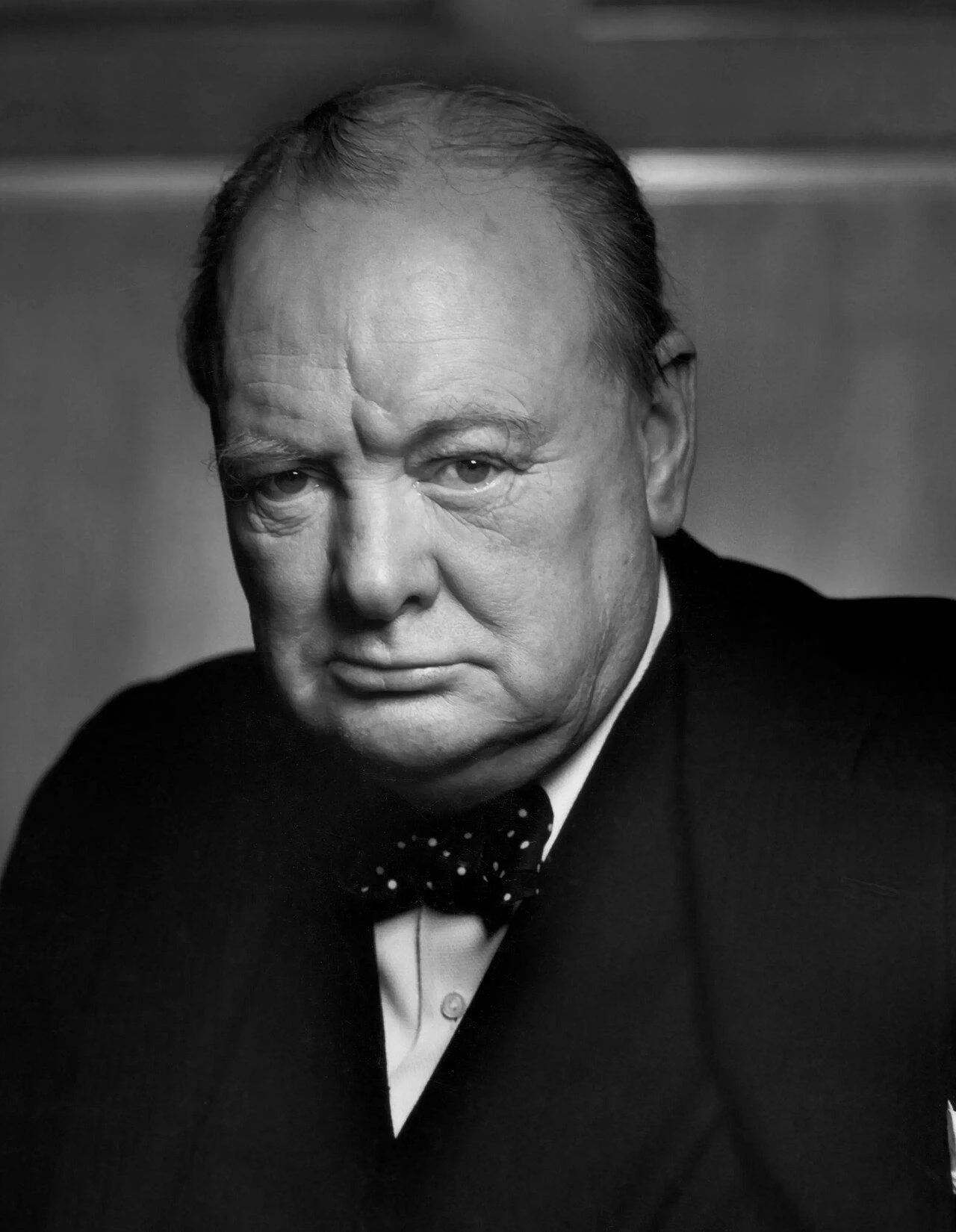
Halifax at the War Cabinet — 25 May 18:00
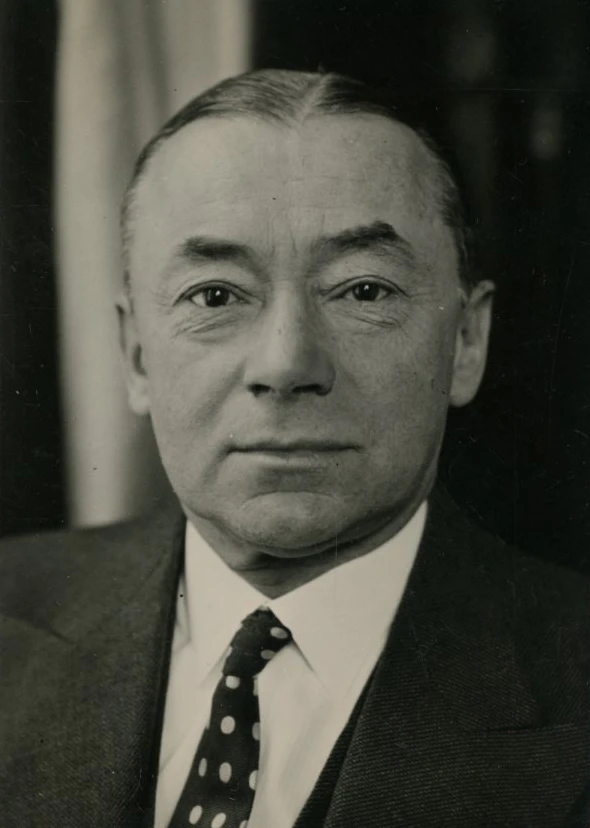
Reynaud in London — 26 May
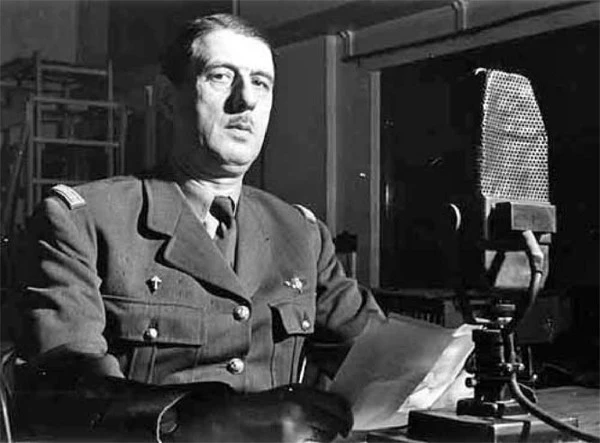
The Appeal of 18 June
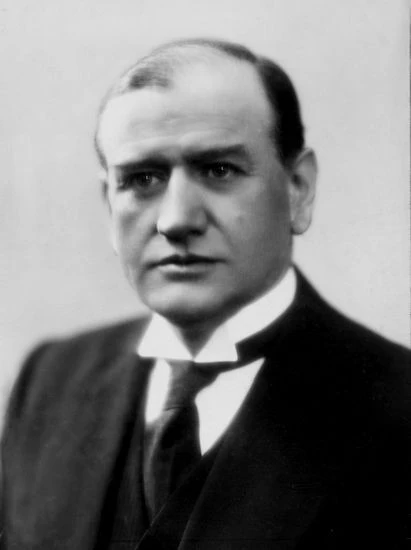
Daladier asked to leave the War Ministry
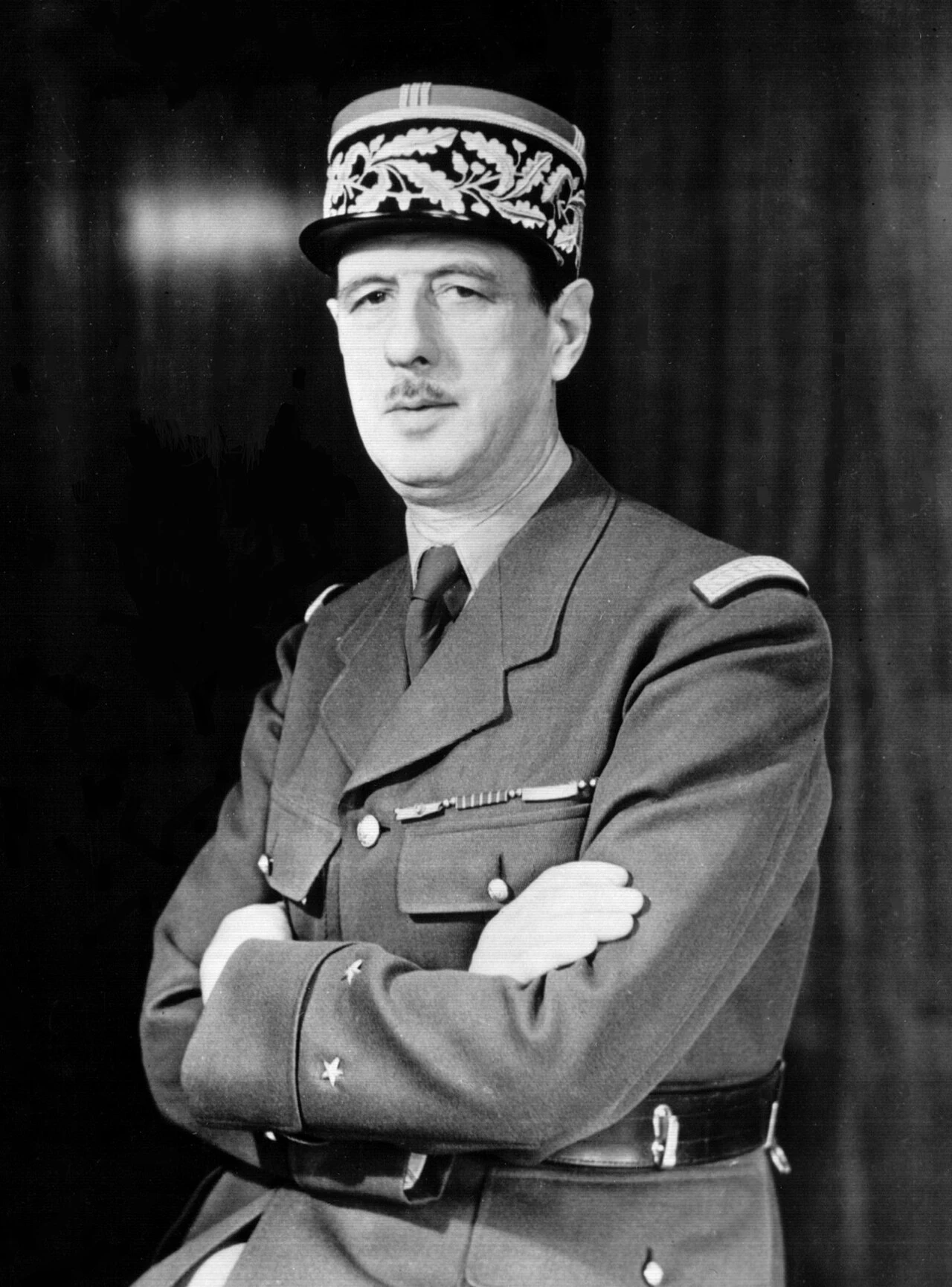
De Gaulle at the BBC microphone — 18 June, 18:00
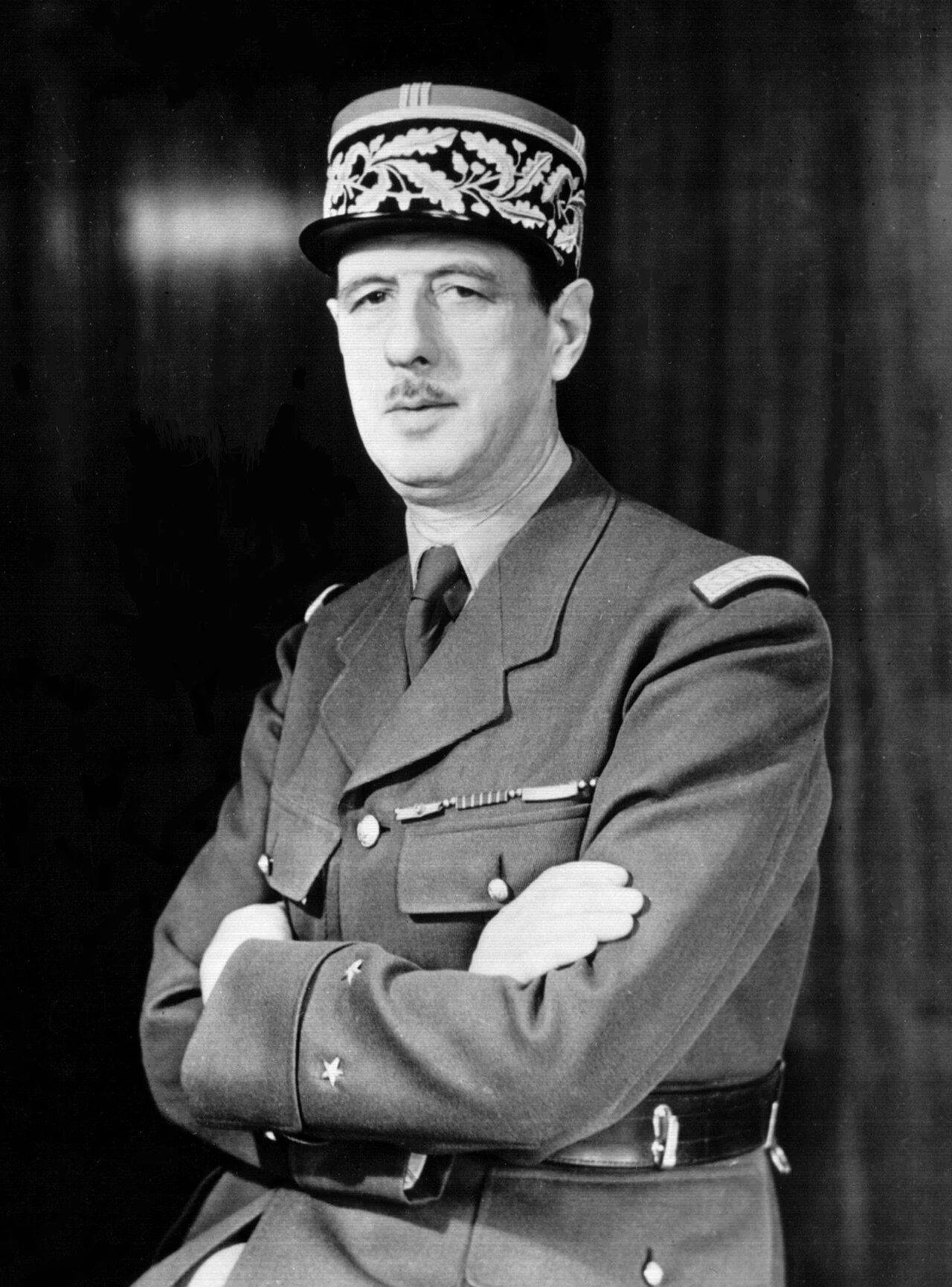
De Gaulle calls on Churchill — 9 June
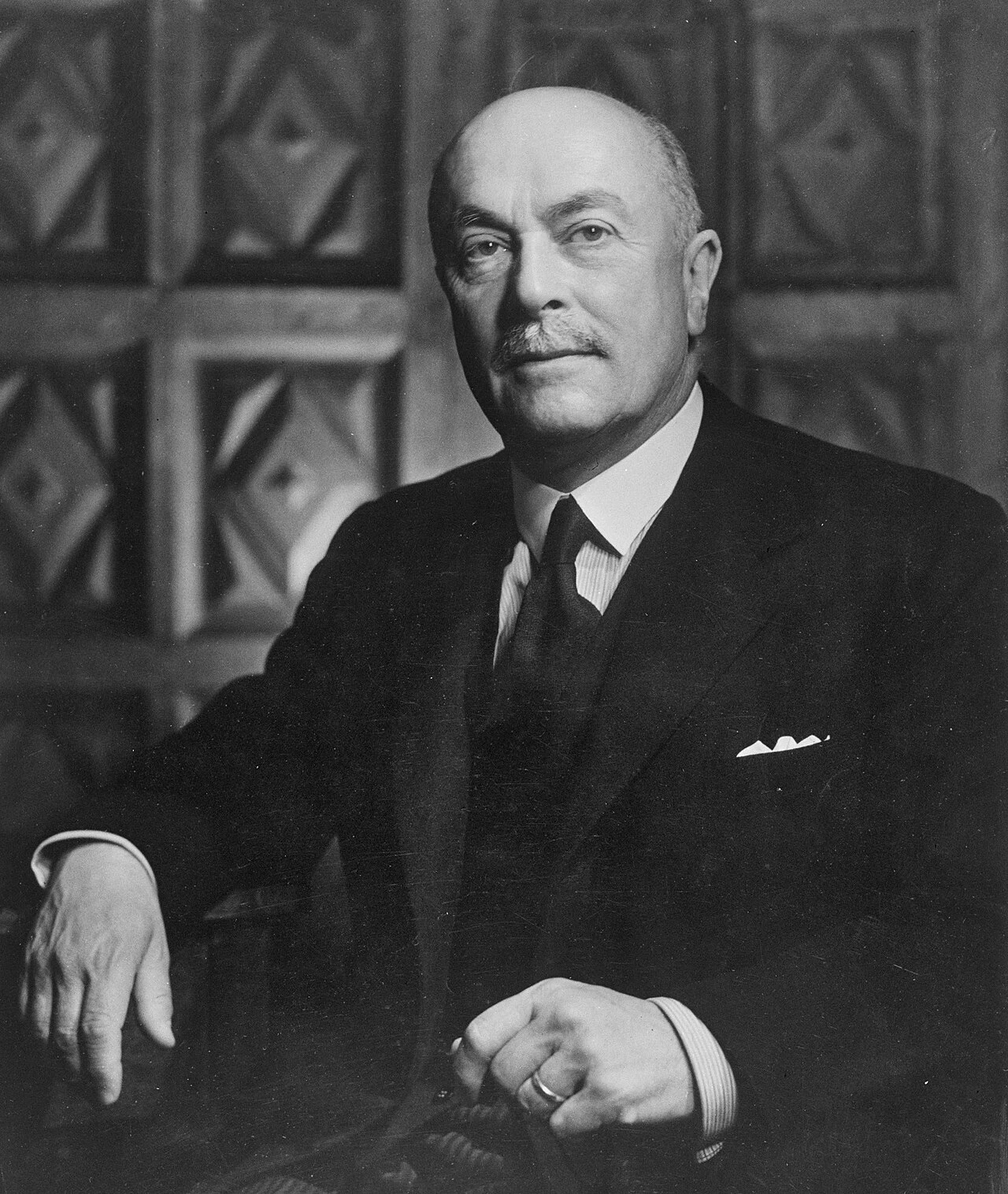
Pierlot at Limoges — from where to carry on?
Chamberlain at Central Hall — 4 April
Churchill before the 25 ministers — 28 May 18:00
Churchill before the Commons — 4 June
Halifax at the War Cabinet — 25 May 18:00
Reynaud in London — 26 May
The Appeal of 18 June
Daladier asked to leave the War Ministry
De Gaulle at the BBC microphone — 18 June, 18:00
De Gaulle calls on Churchill — 9 June