
Jedwabne — the crime of the neighbours
In the summer of 1941, the Białystok region, briefly Soviet since 1939, passes under German occupation in the wake of Barbarossa. In this territory where the recent Soviet occupation, Nazi propaganda associating Jews with Communism, and old tensions overlap, a wave of pogroms targets the Jewish communities.
At Jedwabne, a small town with Polish and Jewish populations long neighbours, the tragedy occurs on 10 July 1941. Jews are gathered, humiliated, forced to destroy a statue of Lenin, then locked into a barn that is set on fire. The crime unfolds in the presence of the German occupier, but the respective share of the forces at hand — that of the occupier and that of the local population — is bitterly debated.
The poll bears on this question of responsibility, at the heart of a controversy that shook Poland: who decides and who carries out at Jedwabne? The German occupier, who organizes and orders; the local inhabitants, who act on their own initiative; or a combination in which the German encourages and the population perpetrates.
To whom does responsibility for the Jedwabne massacre fall?
The answer adopted by historiography is A, with a persistent debate over the apportionment. The crime was committed for the most part by Polish inhabitants of the town and its surroundings, but in the presence of the German occupier. 's book Neighbors (2000) revealed to the wider public that the massacre was committed by Poles against their Jewish neighbours, shattering the narrative of a Poland that was only a victim. The investigation by the Institute of National Remembrance (IPN) confirmed the complicity 'of Germans and Polish inhabitants', establishing 'at least 340' victims where earlier commemorations had advanced as many as 1,600 and attributed the crime to the Germans alone. The German role — the presence of gendarmes and agents, encouragement — remains debated as to its exact weight. Jedwabne remains a fracture point in memory: it compels a clear-eyed reckoning with the participation of local civilians in the crimes of 1941, without thereby dissolving the responsibility of the occupier who made them possible.
Learn more about this event
Related polls
10
Generalplan Ost — the Hunger Plan
The Warsaw Ghetto — the ration of hunger
AB Aktion — planning at the Wawel
Forster — Kashubians and Kociewiacy
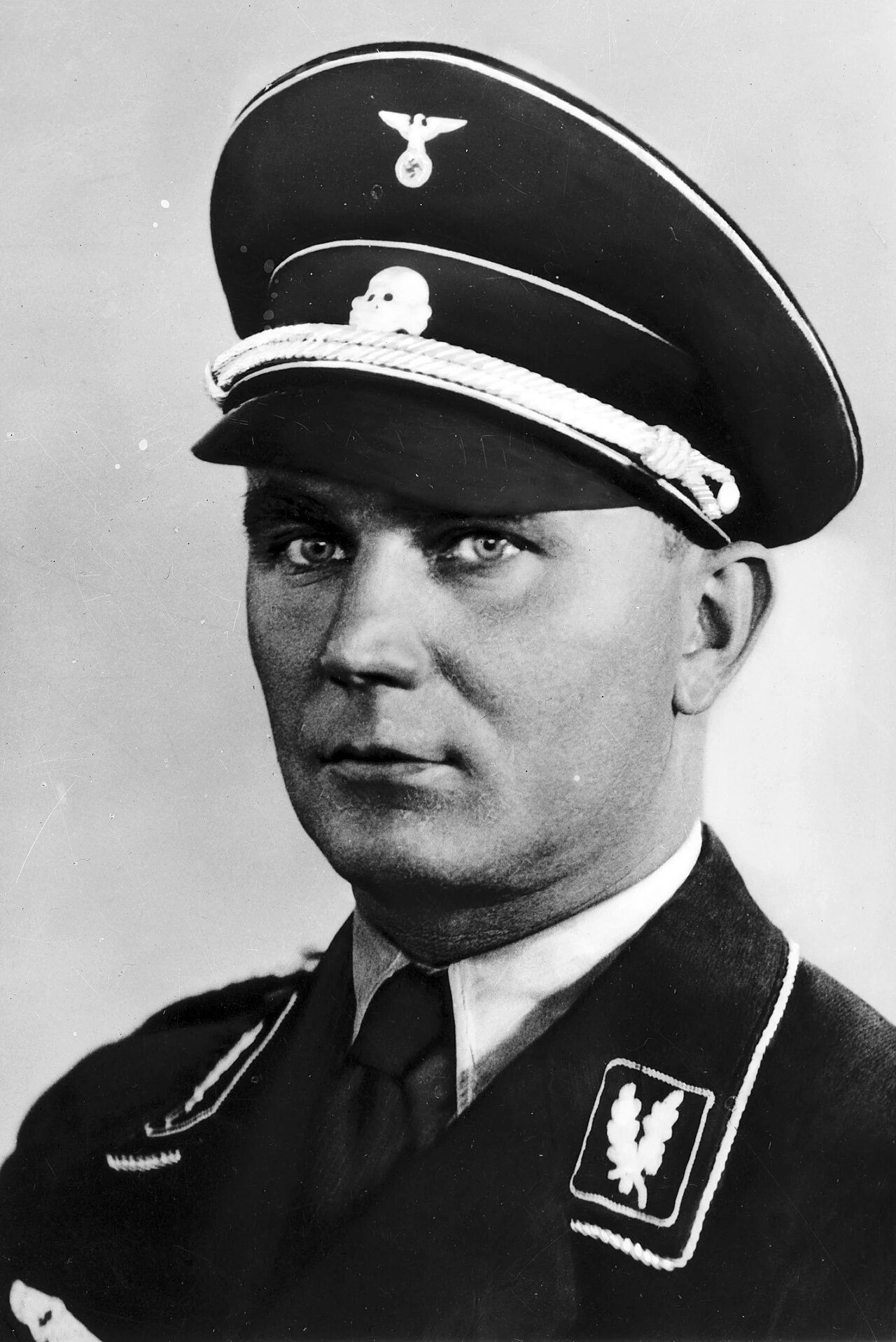
Greiser — the Priority of the Wartheland
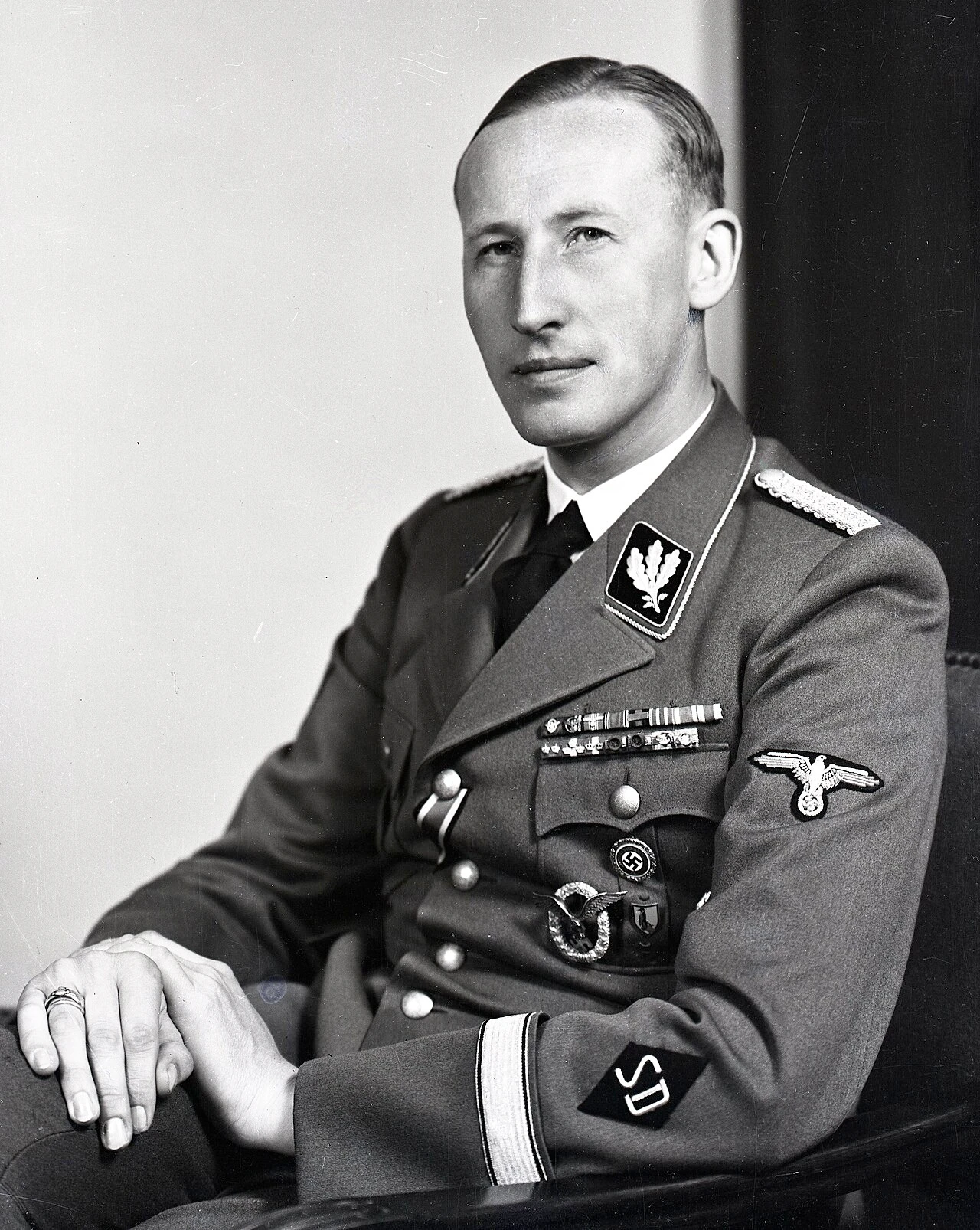
Heydrich's mandate
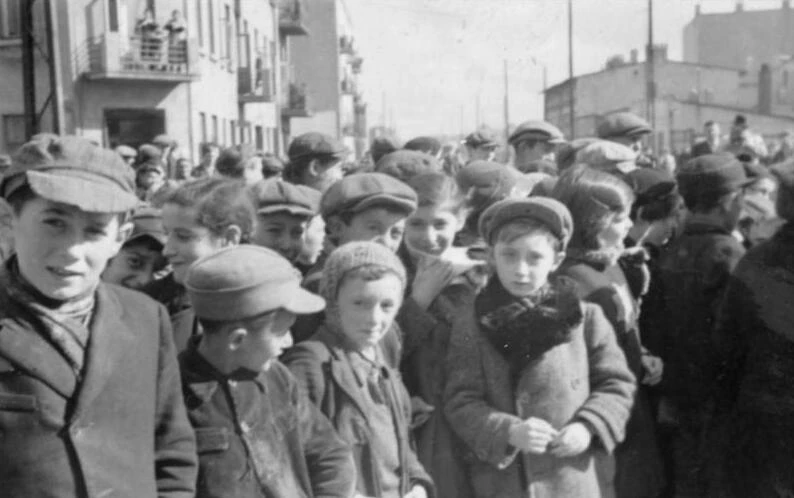
Lodz — sealing the ghetto
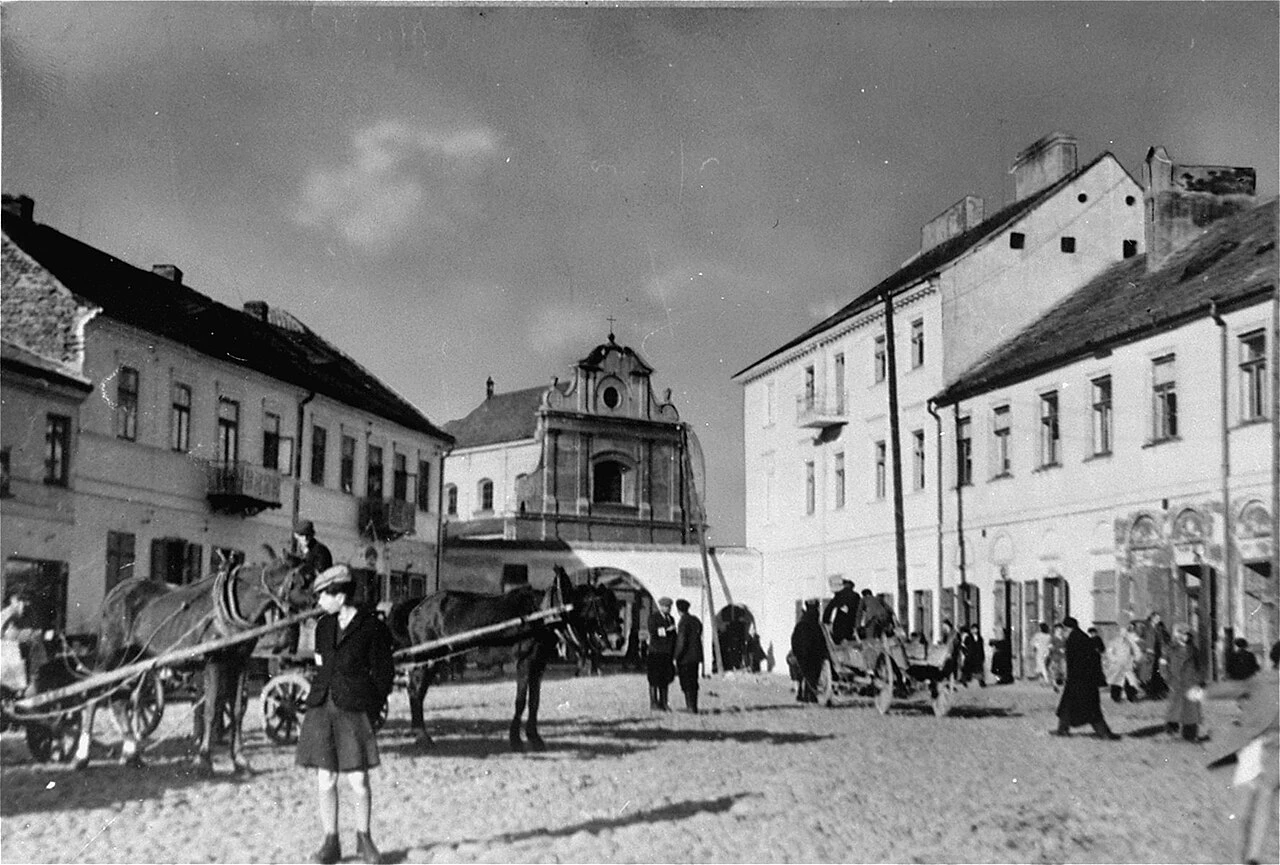
Piotrkow — Tenenberg Facing the Judenrat
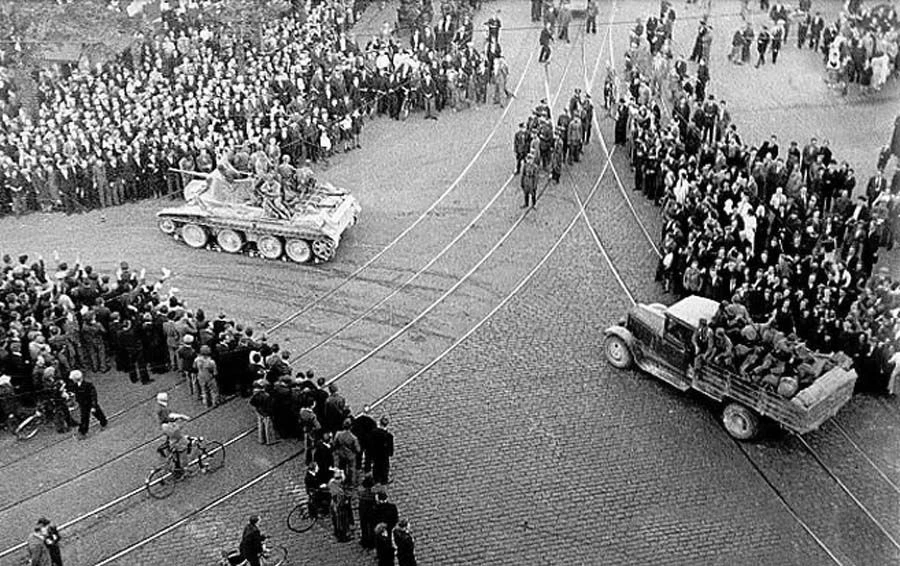
Serov — 10 February 06:00 at Lwów
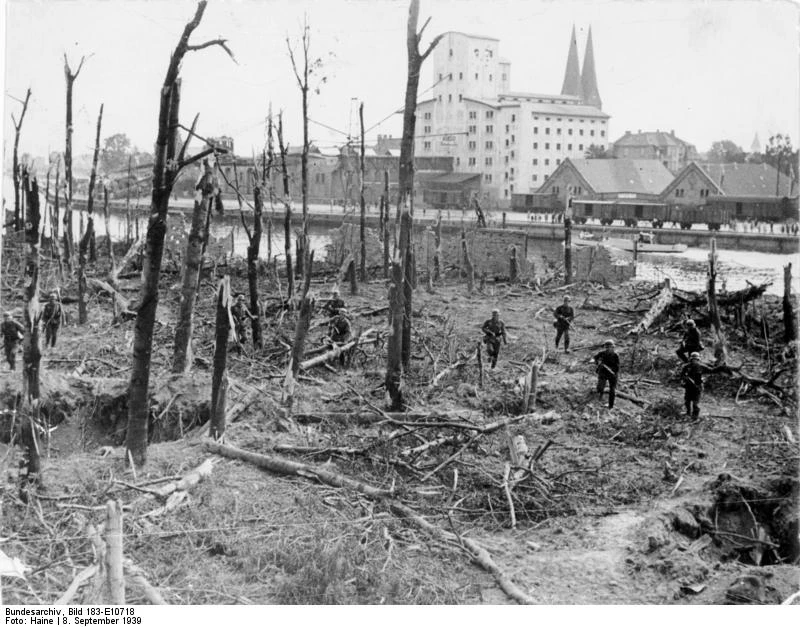
A Danzig Customs Officer on the Day of Annexation
Generalplan Ost — the Hunger Plan
The Warsaw Ghetto — the ration of hunger
AB Aktion — planning at the Wawel
Forster — Kashubians and Kociewiacy
Greiser — the Priority of the Wartheland
Heydrich's mandate
Lodz — sealing the ghetto
Piotrkow — Tenenberg Facing the Judenrat
Serov — 10 February 06:00 at Lwów