
Beneš in London — autumn 1939
, 55, is the former president of the Czechoslovak Republic (1935-1938). He resigned on 5 October 1938 after the Munich Agreement that amputated the country of the Sudetenland. He went into exile in Great Britain in October 1938, was a visiting professor at the University of Chicago until July 1939, then returned to the United Kingdom on 19 July 1939.
Following the German invasion of Bohemia-Moravia (15 March 1939) — creation of the Protectorate of Bohemia-Moravia under Neurath, then Heydrich — Beneš claims to be the continuing legitimate authority of the Czechoslovak state, considering the Munich Agreement null and void (signed under duress) and the subsequent dismemberment illegal. But the British position is delicate: London signed Munich, recognized the Protectorate de facto, and fears that recognition of Beneš would provoke German antagonism.
After the outbreak of war (3 September 1939) and the formation of the in France (September, under General ), the Allied position begins to evolve. On 12 October 1939, France recognizes a "Czechoslovak Committee in France" (chaired by ), but London still resists. Beneš wants full recognition as a government. How is he to obtain it: through pressure — British media, Czechoslovak exiles —, through a diplomatic patience accepting a transitional status, or by trading a concrete military contribution for political recognition?
What strategy does Beneš adopt in the autumn of 1939?
Beneš combines A and C. Diplomatic patience with London (Chamberlain and Halifax) while accelerating the formation of the in France (created on 17 November 1939 under General Ingr, about 3,500 men by 30 November, brought to 11,000 men by the time of the fall of France in June 1940). On 20 December 1939, London recognizes the Czechoslovak National Committee as the legitimate representative of the country — first step toward governmental recognition, which will come on 18 July 1941 (provisional government recognized) and full recognition on 5 August 1942 (the Czechoslovak government-in-exile obtains full diplomatic rights). Beneš remains president in exile throughout the war and directs from London the clandestine Czechoslovak state. Later controversial decisions: he authorizes Operation Anthropoid (assassination of Heydrich, 27 May 1942, by Gabčík and Kubiš), negotiates with Stalin the definitive cession of Subcarpathian Ruthenia to the USSR in 1944, signs the Beneš decrees (1945) that expel about 3 million Germans from the Sudetenland and Moravia. Returns to Prague in May 1945, becomes president again. Resigns after the Prague communist coup of February 1948, dies in September 1948. The historiographical debate on Beneš oscillates between praise (architect of Czechoslovak resistance) and criticism (responsible for the alliance with the USSR that handed the country over to communism).
Learn more about this event
Related polls
10
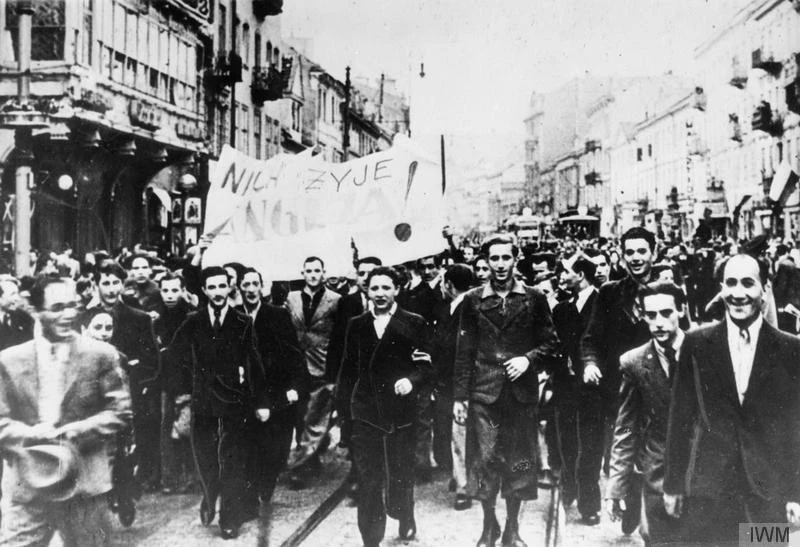
Chamberlain — 11:15 BST
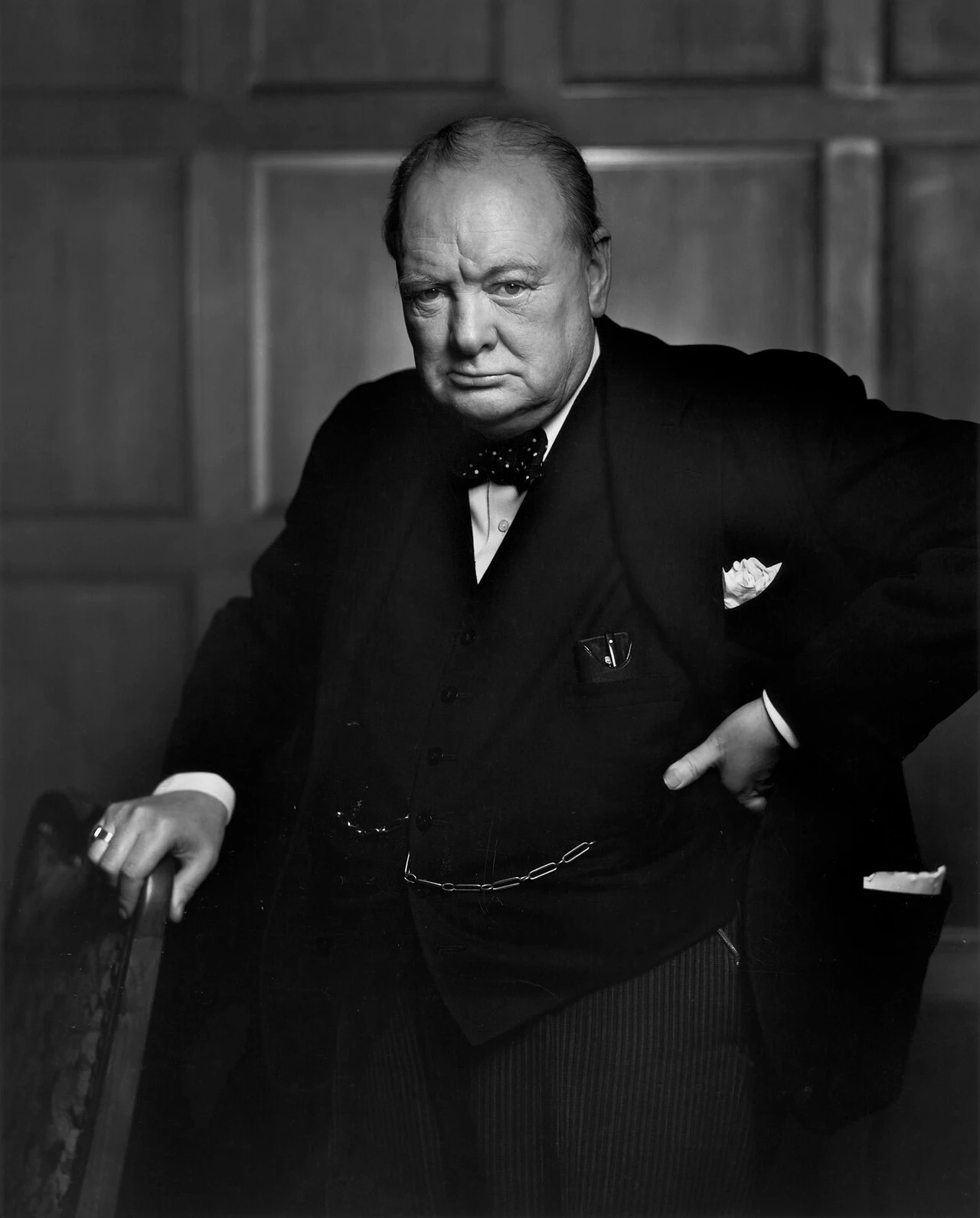
Auchinleck replaces Wavell
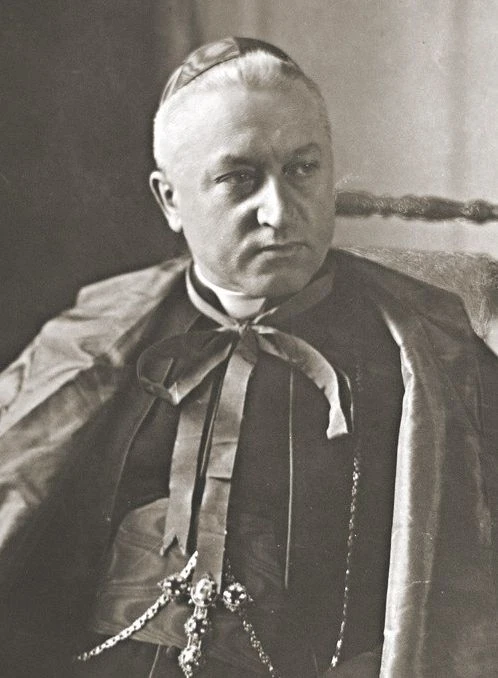
Cardinal Hlond — the Vatican's instruction
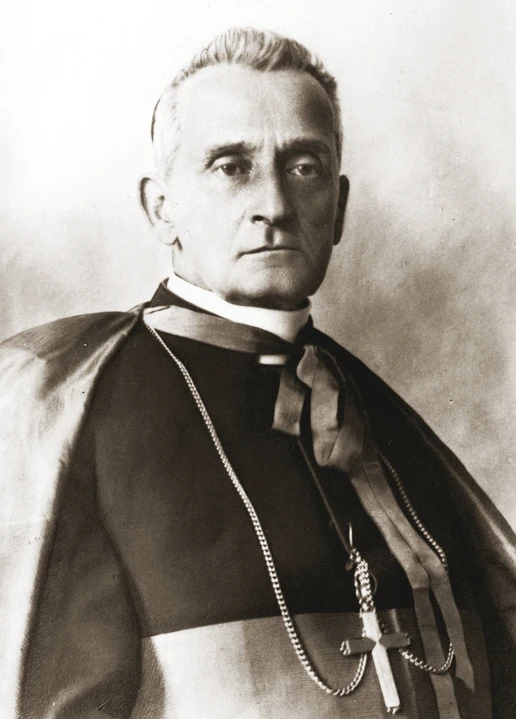
Cardinal Sapieha — Krakow under Occupation
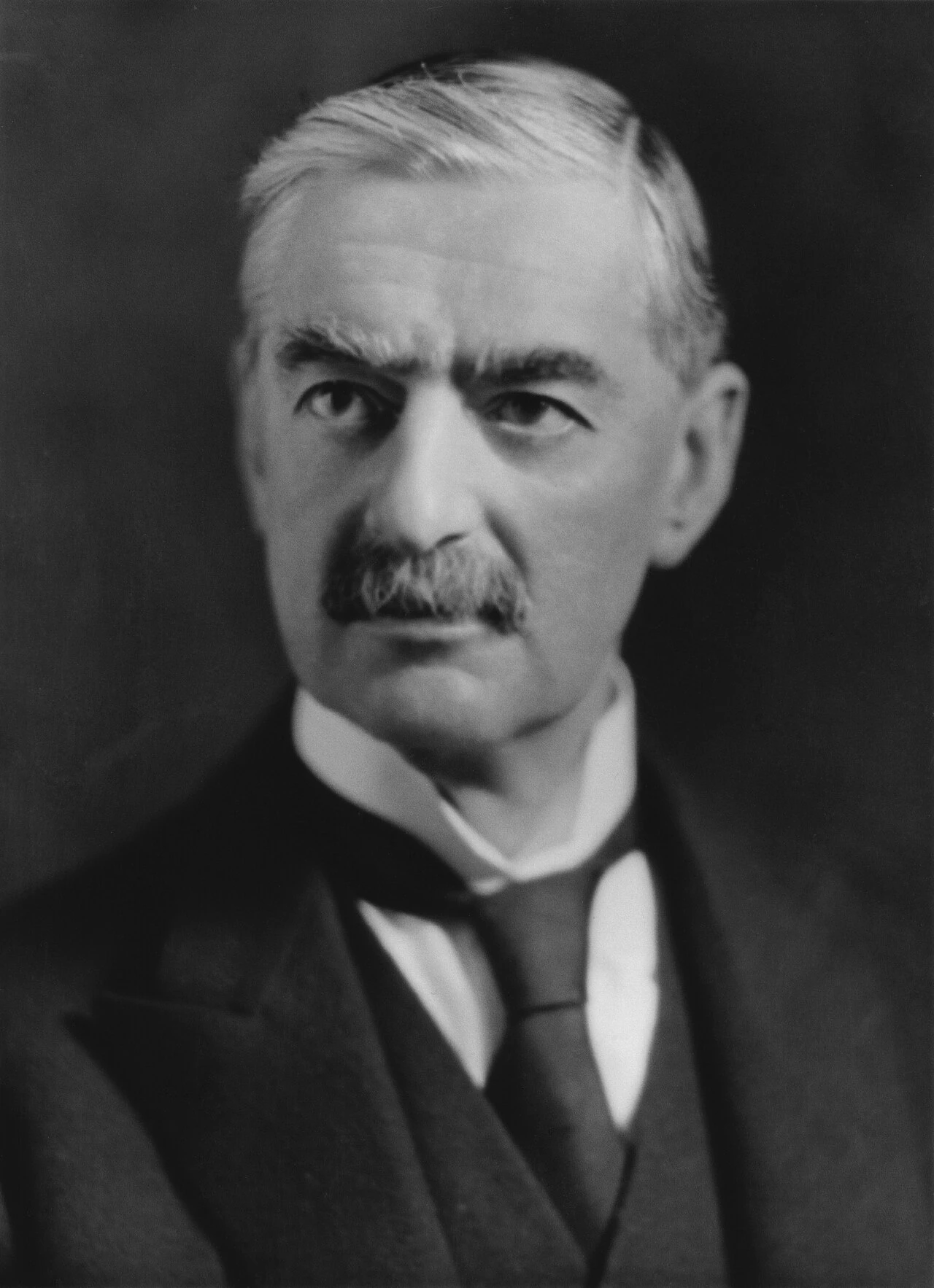
Chamberlain at Central Hall — 4 April
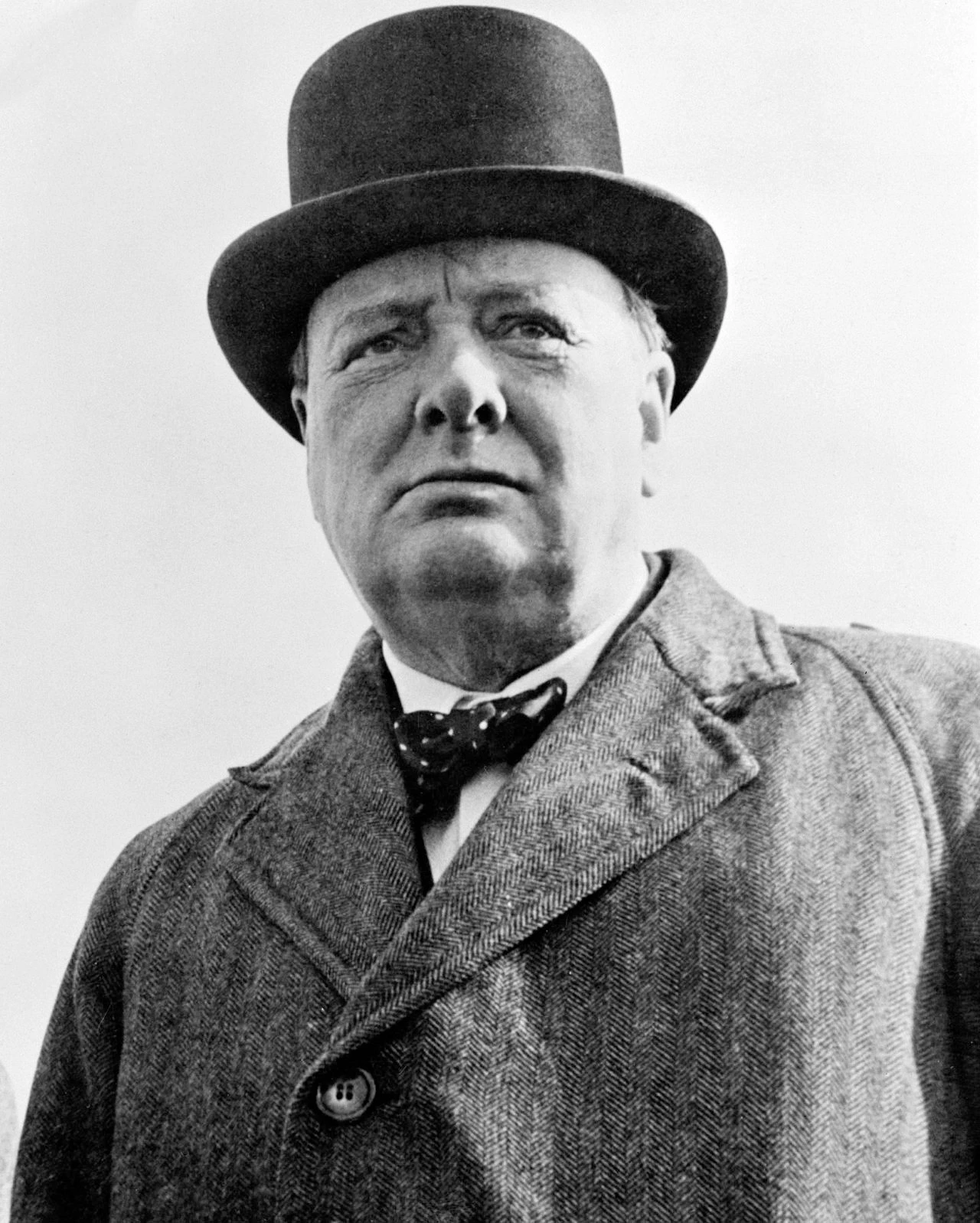
Churchill in power
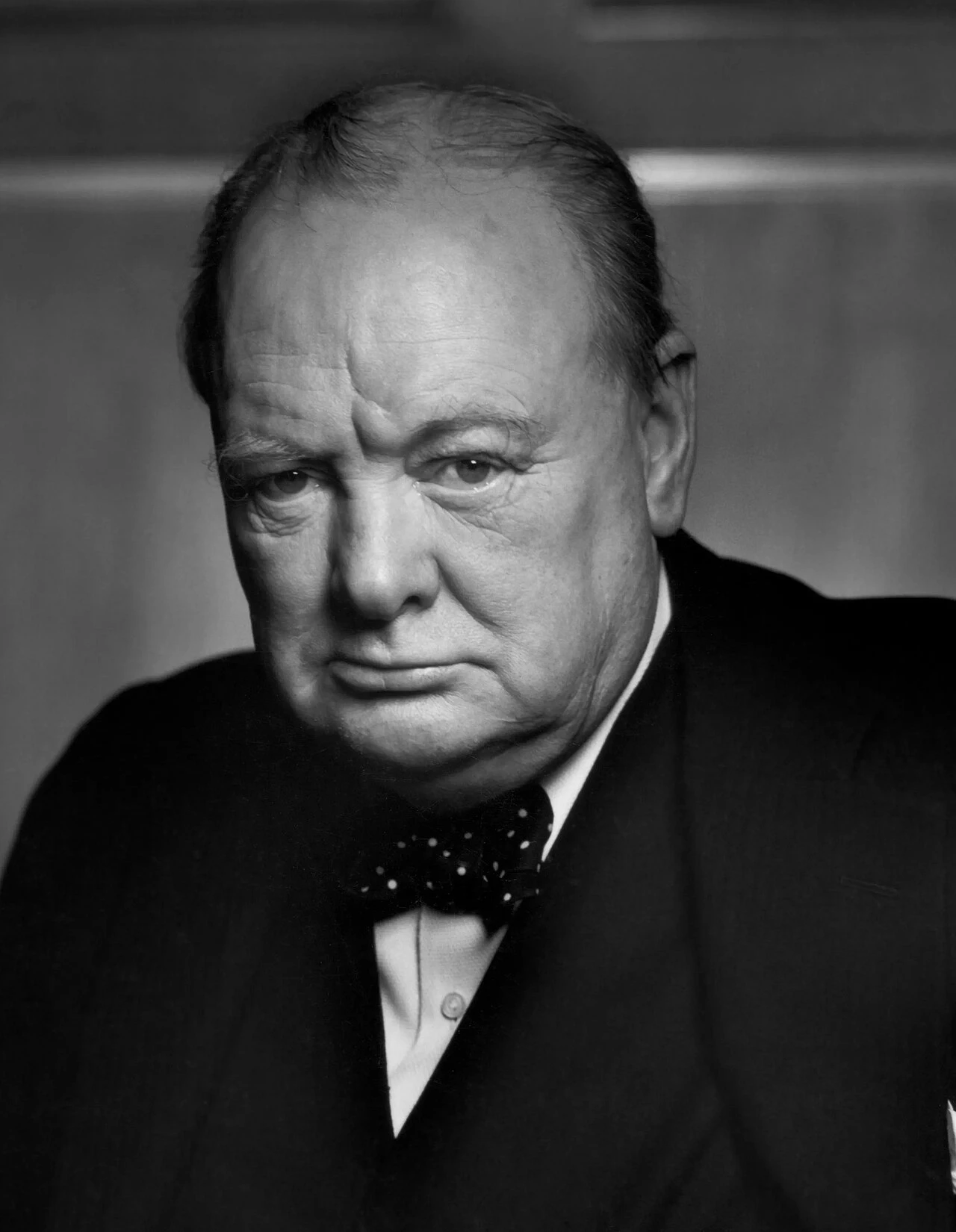
Churchill before the 25 ministers — 28 May 18:00
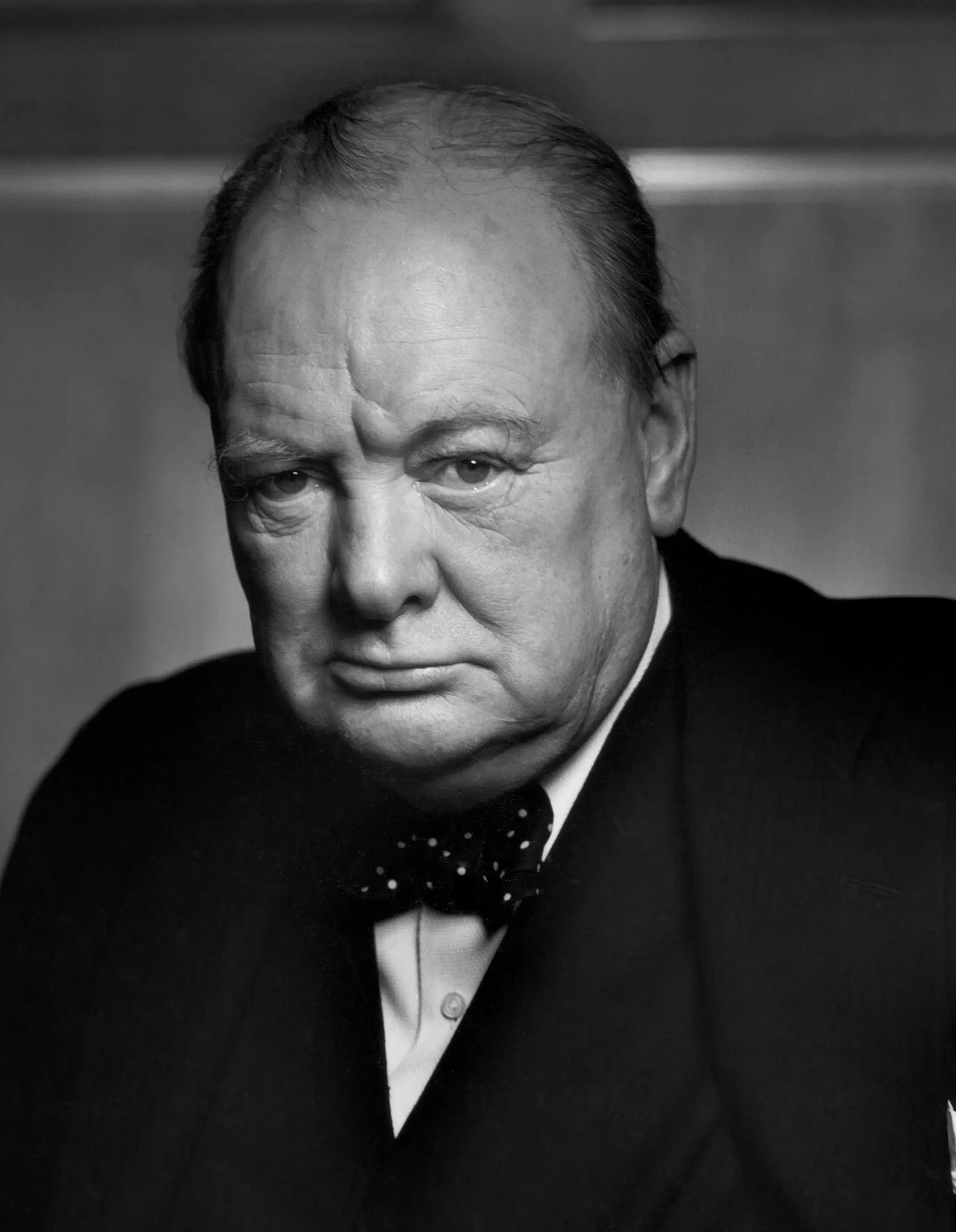
Churchill before the Commons — 4 June
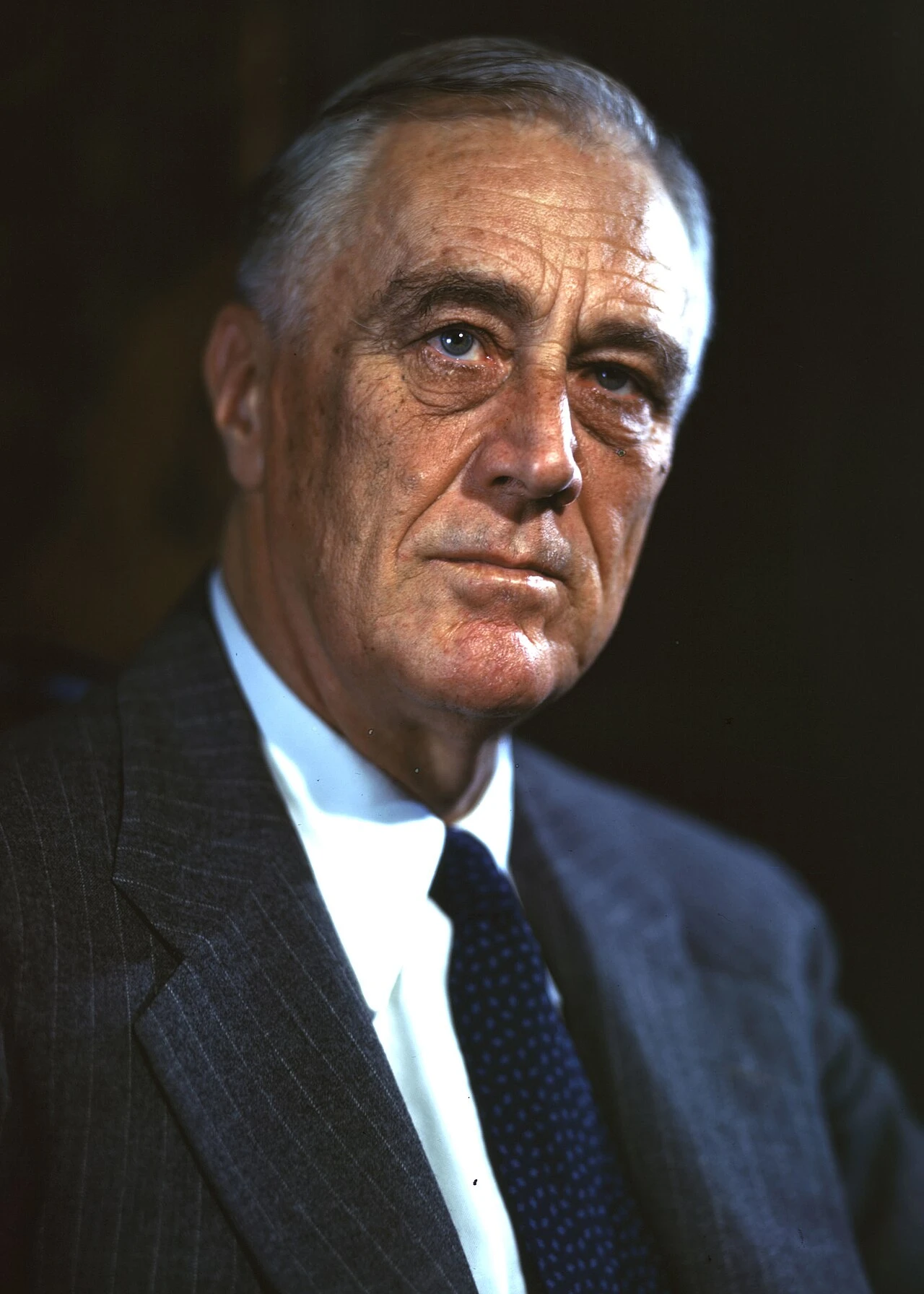
An emissary to judge whether the island will hold
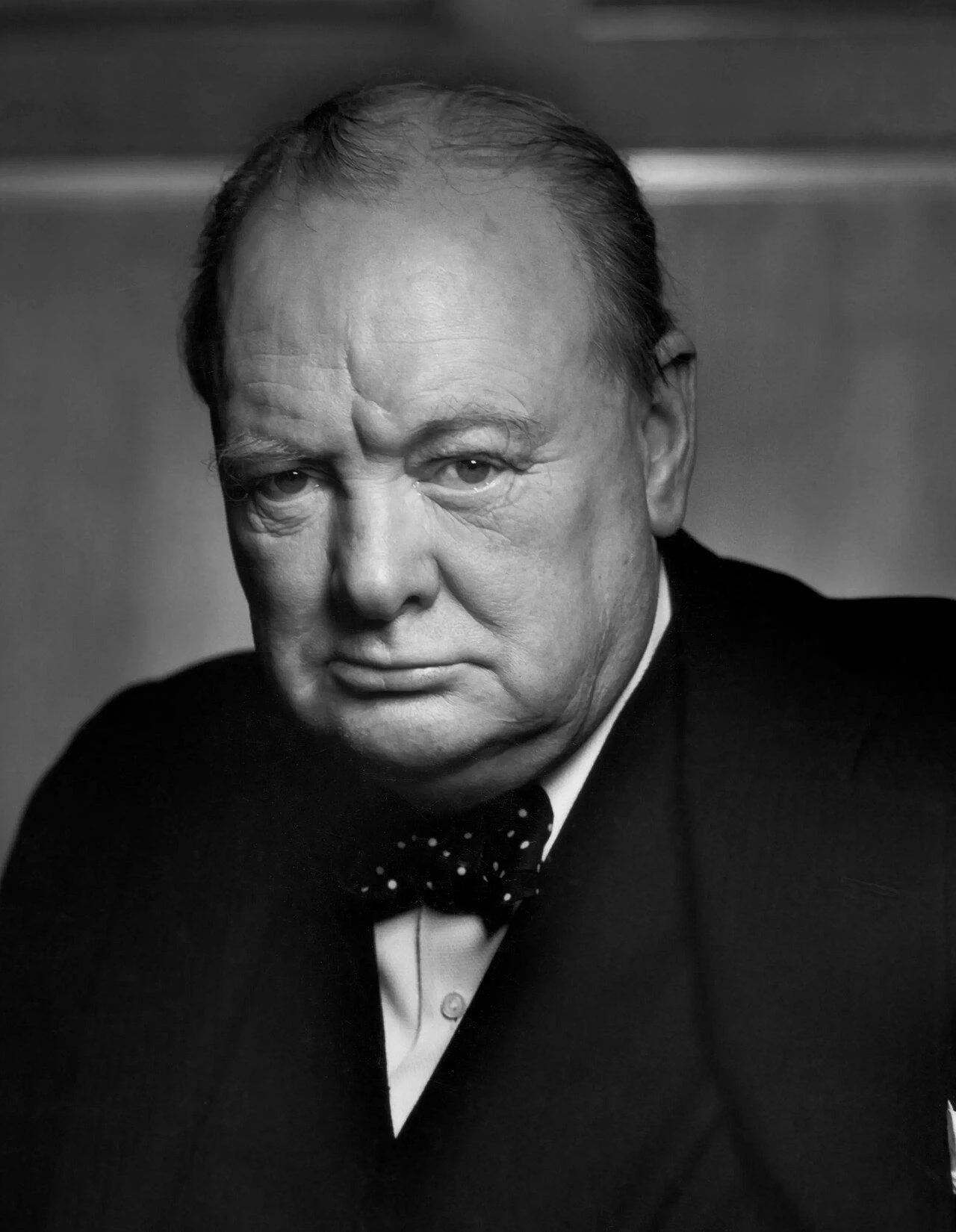
Halifax at the War Cabinet — 25 May 18:00
Chamberlain — 11:15 BST
Auchinleck replaces Wavell
Cardinal Hlond — the Vatican's instruction
Cardinal Sapieha — Krakow under Occupation
Chamberlain at Central Hall — 4 April
Churchill in power
Churchill before the 25 ministers — 28 May 18:00
Churchill before the Commons — 4 June
An emissary to judge whether the island will hold