
The Ports Gorged with Invasion Barges
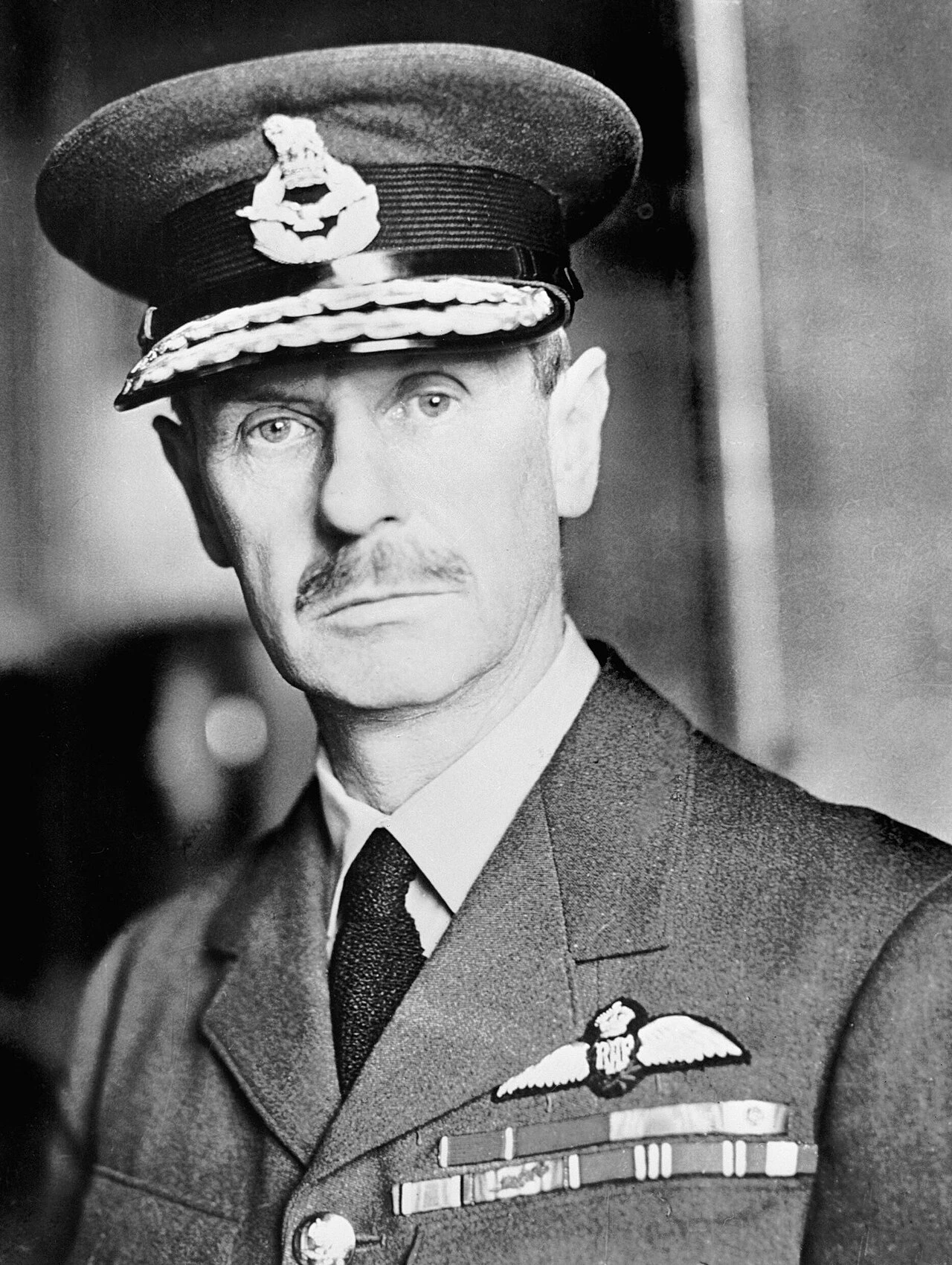
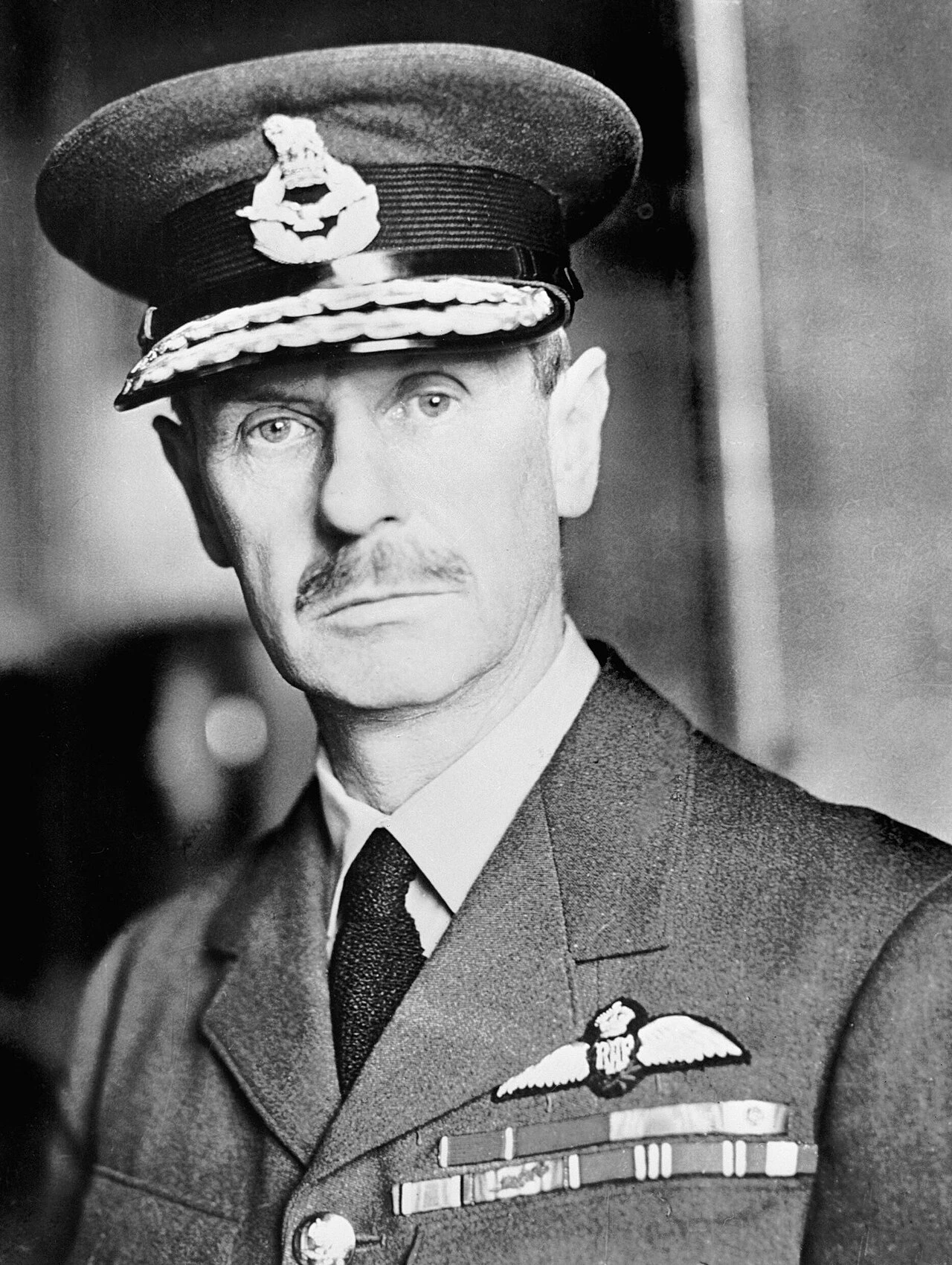
, Commander-in-Chief of since April 1940, is an officer who believes in the systematic striking of the German industrial heart. Promoted Air Marshal in July, he has a modest force of night bombers, which he would like to hurl against the Reich's factories, refineries and railway junctions.
But the summer of 1940 has overturned everything. While the Luftwaffe contests the English sky, the Kriegsmarine has gathered in the Channel ports an immense invasion flotilla. Reconnaissance photographs show hundreds of barges piling up at Boulogne, Calais, Dunkirk, Ostend and Antwerp, with tugs to tow them across the strait.
In early September, the alarm is at its height: on the 7th, the government warns that a landing may occur from one day to the next. The Admiralty and the staff demand that the bombers crush these concentrations of barges, vulnerable but scarcely "strategic" targets. On 21 September, a new Air Ministry directive places German oil back at the top of the priorities — without giving up the invasion preparations.
Portal must apportion a limited effort: his doctrine pushes towards deep Germany, the urgency of the moment towards the French and Belgian quays. Every sortie sent against a barge is a sortie subtracted from the Reich.
As the barges mass opposite, on what does Portal concentrate Bomber Command's main effort?
Portal chose A, constrained by the urgency: in September 1940, up to 60% of 's effort was directed against the invasion objectives. On 7 September, when the alert was sounded, the Air Ministry ordered that "the whole available bombing effort" of the night be aimed at the invasion shipping. The raids followed one another: on 13 September, about 80 large barges were sunk at Ostend; on the 17th, 84 more at Dunkirk; by around 19 September, nearly 200 barges had been destroyed. The British press dubbed the episode the "battle of the barges". Although only about a tenth of the assembled flotilla was actually annihilated, the bombing seriously disorganised the German preparations. They count among the factors that pushed Hitler to postpone Operation Sea Lion indefinitely — a discreet but real contribution to British survival.
Learn more about this event
Related polls
10
Bergen — the Skuas at extreme range
Bombing London — and the reply on Berlin
The bridges of Maastricht — the sacrifice of the Battles
Dowding and the Last Reserves — 15 September 1940
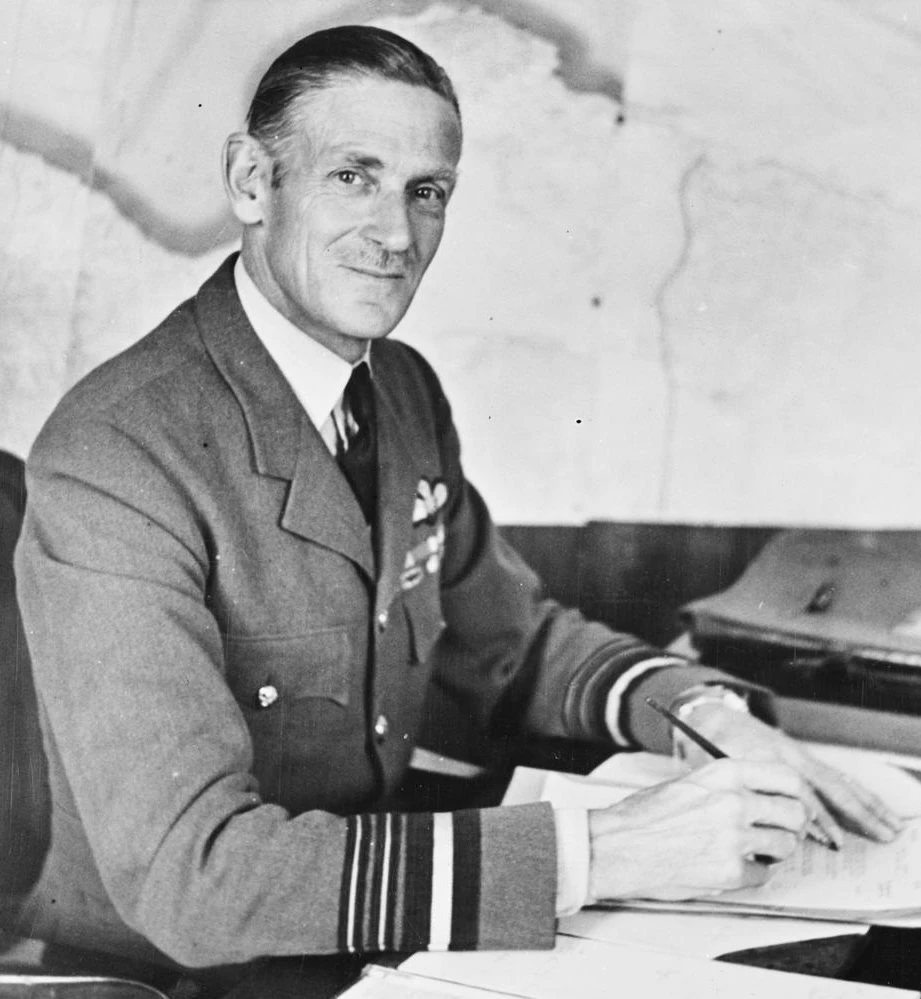
Keith Park at Uxbridge — September 15

The Polish Pilots of 303 Squadron
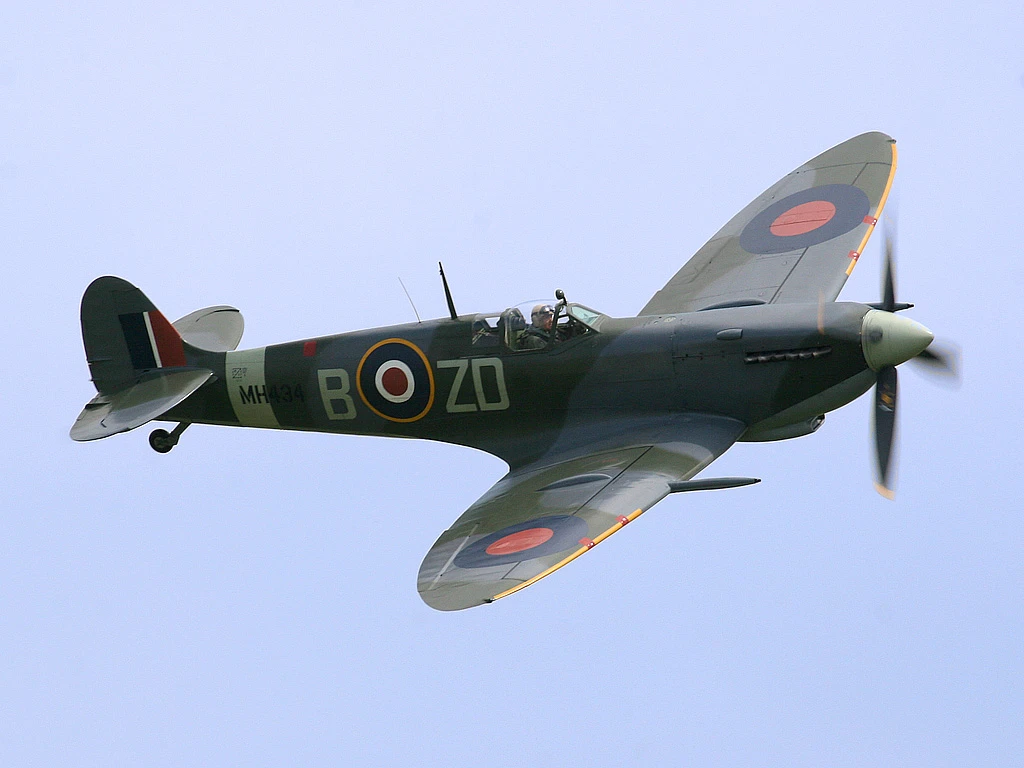
A Spitfire pilot's first combat
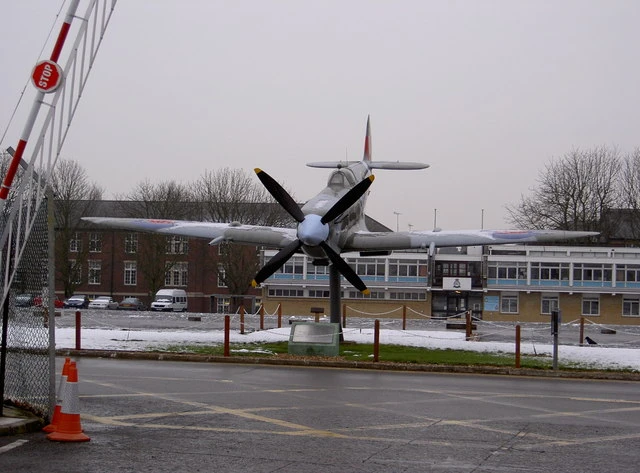
The Uxbridge plotter
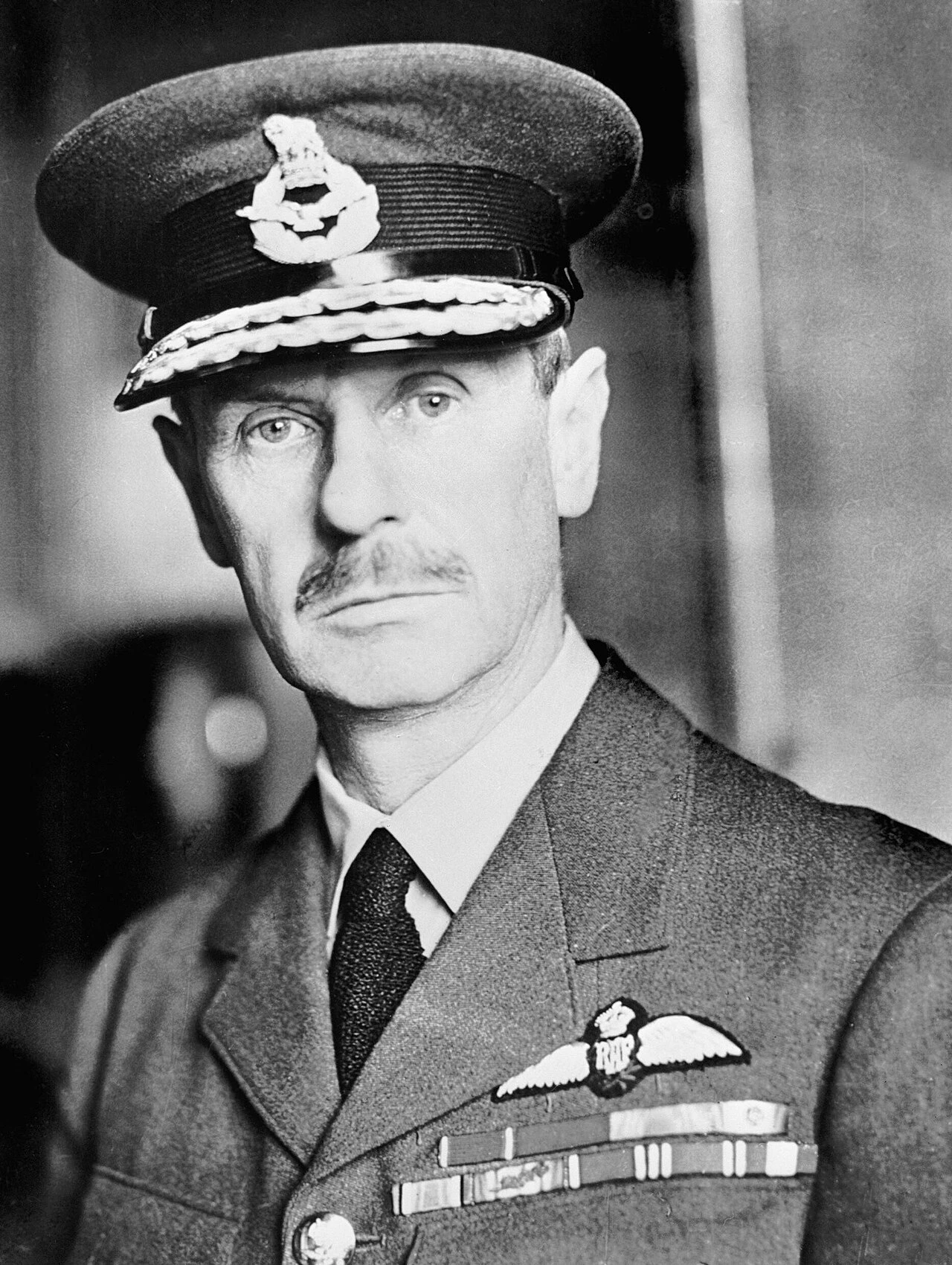
Dowding and the fighters
Dowding — Keep the Fighters?
Bergen — the Skuas at extreme range
Bombing London — and the reply on Berlin
The bridges of Maastricht — the sacrifice of the Battles
Dowding and the Last Reserves — 15 September 1940
Keith Park at Uxbridge — September 15
The Polish Pilots of 303 Squadron
A Spitfire pilot's first combat
The Uxbridge plotter
Dowding and the fighters