
Villa Incisa — the Italo-French Armistice
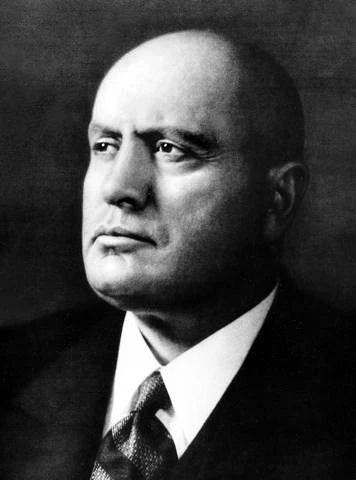
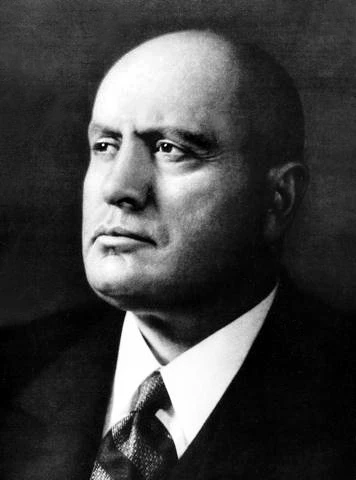
The Franco-German armistice requires France also to cease fighting against Italy. The French delegation, still led by Huntziger, reaches the Villa Incisa all'Olgiata near Rome, where it is received by Marshal , Italian Chief of Staff. The signing takes place on 24 June 1940. Alongside Badoglio sits Count , Minister of Foreign Affairs. The agreement is to enter into force six hours after its signing — at the same time as the general cease-fire with Germany, namely 25 June at 12:35 a.m. — and a control commission is to be set up in Turin to oversee its execution.
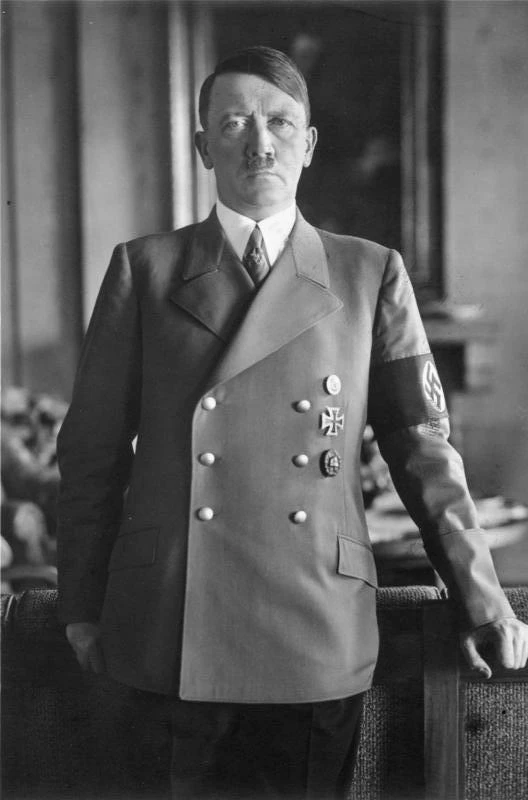
Italy's room for manoeuvre is narrow. Rome negotiates from a position of weakness: Mussolini's offensive in the Alps has failed against Olry's army, and Hitler has recommended moderation to spare the future Vichy government.
Mussolini had dreamed of a great prize — Nice, Savoy, Corsica, Tunisia, Djibouti. These demands, inherited from Italian irredentism, have been brandished by Fascist propaganda for years. What remains is to set the real scope of the demands the situation allows, between the display of victory and the reality of a stalled offensive.
What scope could Italy really give to its demands?
B prevails. The Villa Incisa armistice, signed on 24 June, grants Italy only a reduced occupation zone around Menton and a demilitarised strip — no annexation in metropolitan France, no Tunisia, no Corsica, no Djibouti. The general cease-fire takes effect on 25 June at 12:35 a.m., once both armistices have been signed. For Mussolini, it is a frustration: he obtains almost nothing from a defeat to which he so little contributed. Badoglio, for his part, will become head of the Italian government after Mussolini's fall in July 1943 and will negotiate Italy's armistice with the Allies in September 1943. The modesty of the gains of June 1940 foreshadows the Italian military setbacks of the following years.
Learn more about this event
Related polls
10
Mussolini and the entry into the war
Mussolini on the Riviera — 21 June
Ciano summons the ambassadors — 10 June
Hitler at Compiègne — 22 June 4:30 p.m.
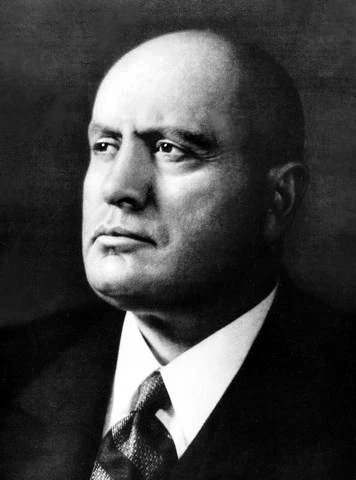
Mussolini on the balcony — 10 June, 18:00
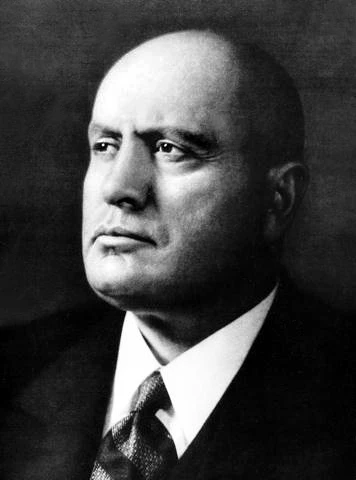
Mussolini, the Duce and the "Fait Accompli" — Rome, 15 October 1940
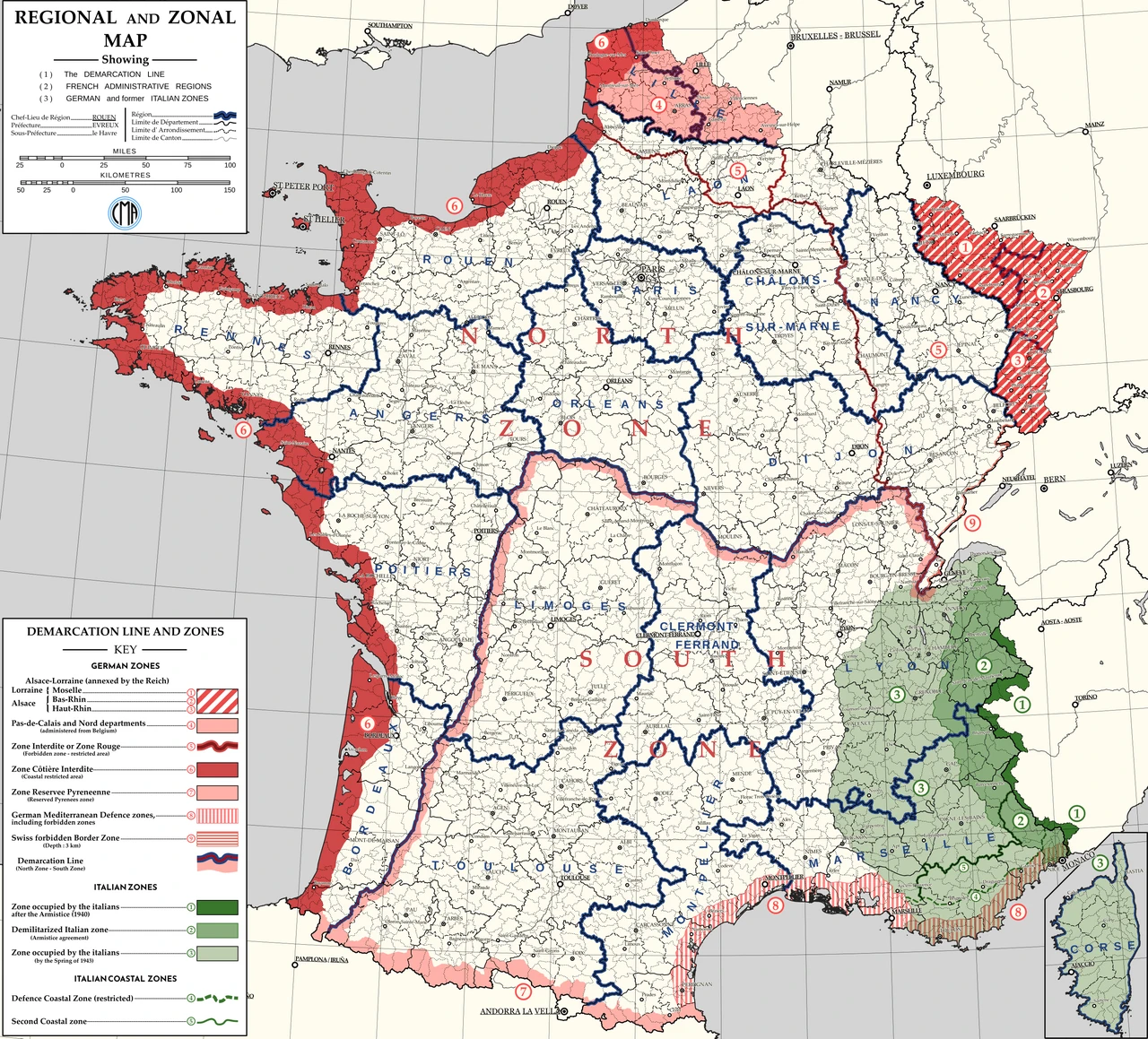
Wiesbaden — Tracing the Demarcation Line
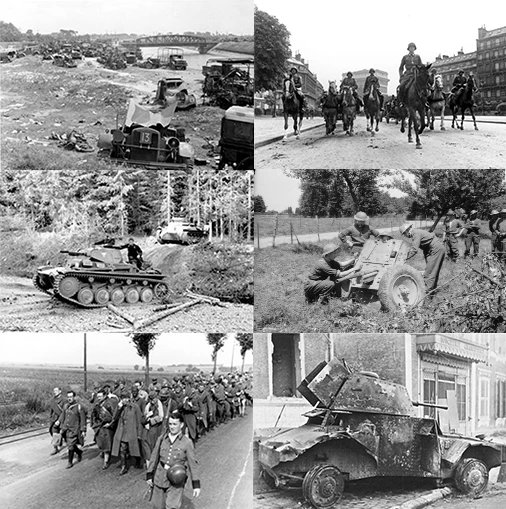
The armistice of Rethondes
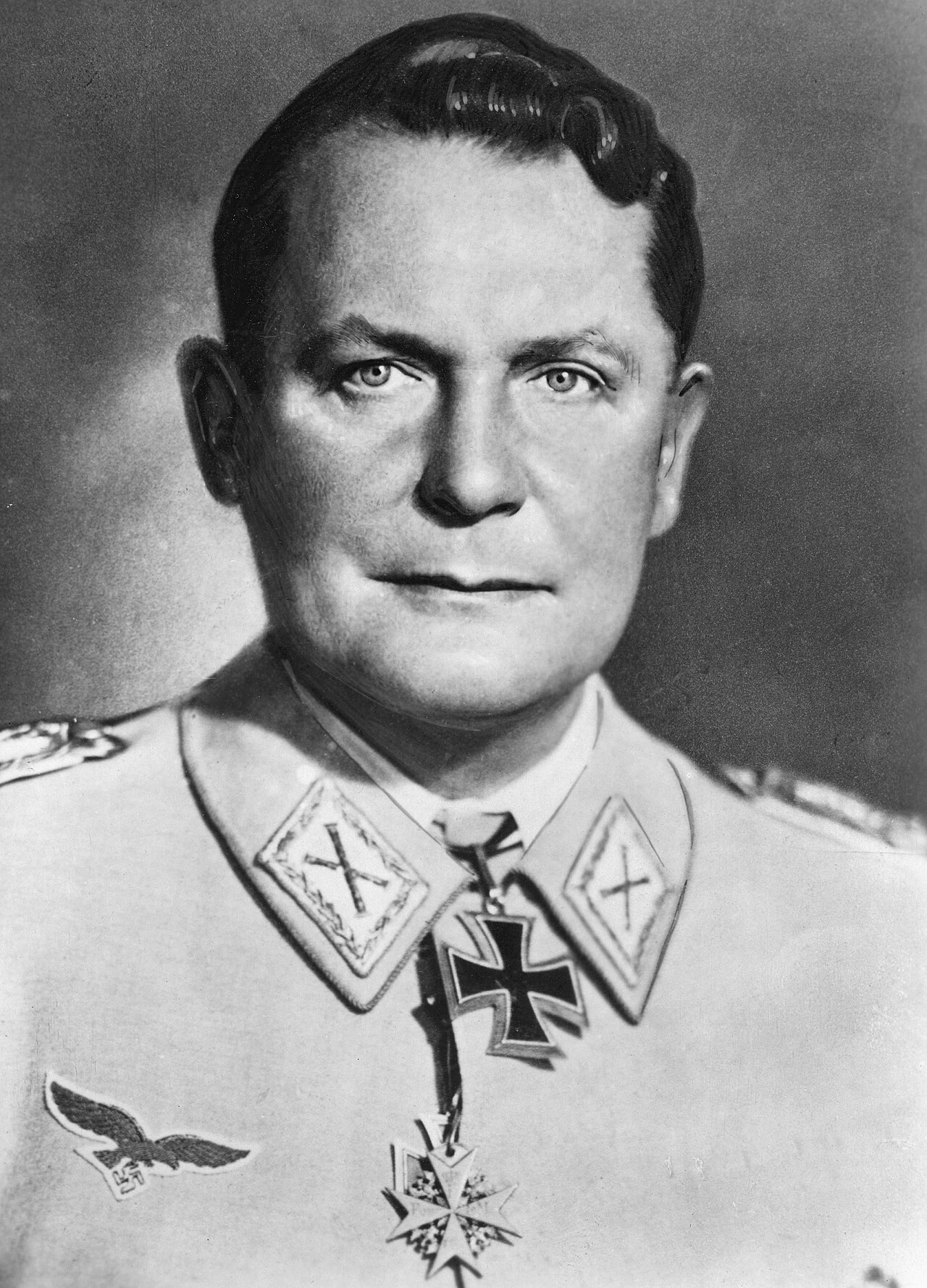
Goering at Carinhall — the promise to Hitler
The Madagascar Plan on paper
Mussolini and the entry into the war
Mussolini on the Riviera — 21 June
Ciano summons the ambassadors — 10 June
Hitler at Compiègne — 22 June 4:30 p.m.
Mussolini on the balcony — 10 June, 18:00
Mussolini, the Duce and the "Fait Accompli" — Rome, 15 October 1940
Wiesbaden — Tracing the Demarcation Line
The armistice of Rethondes
Goering at Carinhall — the promise to Hitler