
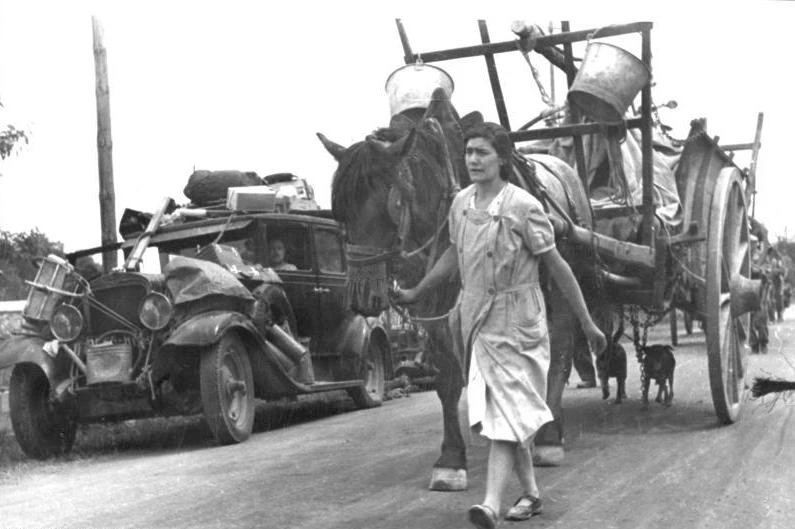
On the roads of the exodus, unbroken columns of refugees — on foot, by bicycle, in carts or in cars — trudge towards the south-west. These columns clog the routes the army needs — and at times become the target of aircraft: German planes strafe the roads, either to sow panic and block military movements, or by mistaking civilians for troops.
For you, the refugee, caught in the open during an attack, the reaction must be decided in a few seconds. Throw yourself into the ditch or under a tree and wait for the planes to pass, abandoning vehicle and baggage for a moment. Keep moving forward at all costs to get away from the danger zone. Or scatter into the fields and look for more lasting shelter, even at the risk of losing the column and your loved ones.
Fear, fatigue and the lack of information make every decision agonising. Should you lie down, flee forward, or leave the road? Hundreds of thousands of people live through this ordeal, and the strafing of refugees would remain one of the most traumatic images of May 1940.
When strafed, should our refugee throw themselves into the ditch, keep moving forward, or scatter into the fields?
Instinct most often dictates A: the testimonies agree — at the cry of alarm, refugees rush into the ditches and under the trees, flat on the ground, until the planes pass. The strafing of civilian columns, attested on numerous roads in Belgium and northern France, causes casualties and amplifies the panic and disorganisation of the exodus. Whether they deliberately targeted civilians or sought to paralyse military movements by striking the congested routes, these attacks mark the entry of civilian populations into total war. They would weigh heavily on the collective memory of the debacle.
Learn more about this event
Related polls
10
The exodus — flee or stay
Helsinki under the bombs — 30 November
The fifth-column psychosis
Under the bombs — the Belgian towns

The Belgian air force on the ground
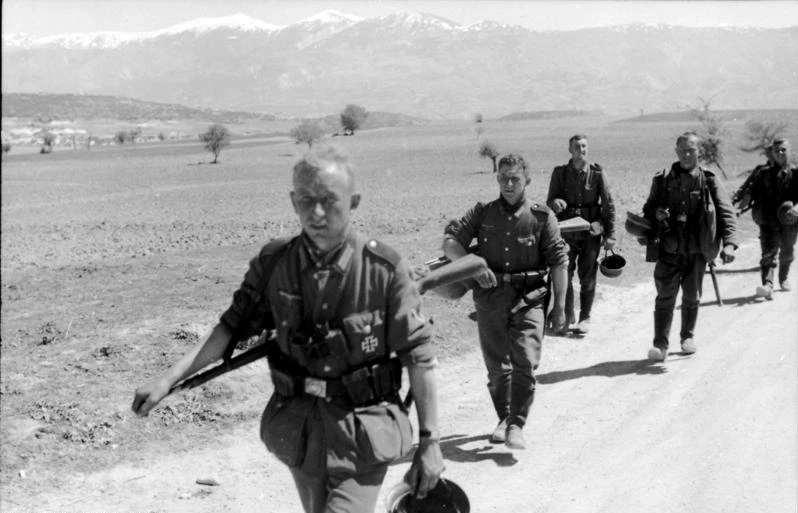
Belgrade under the bombs
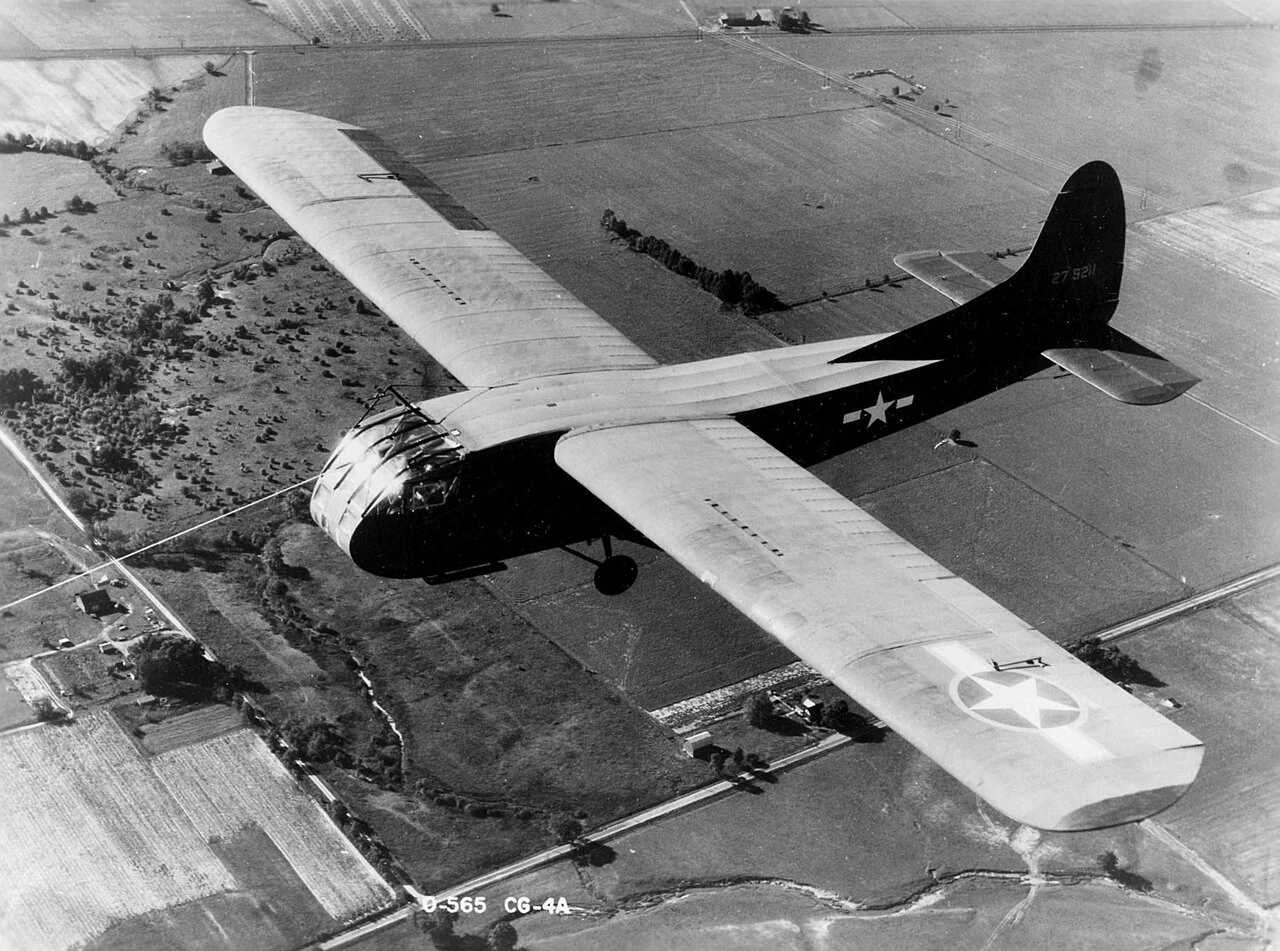
The coup de main on Ében-Émael
Coventry — the night of November 14
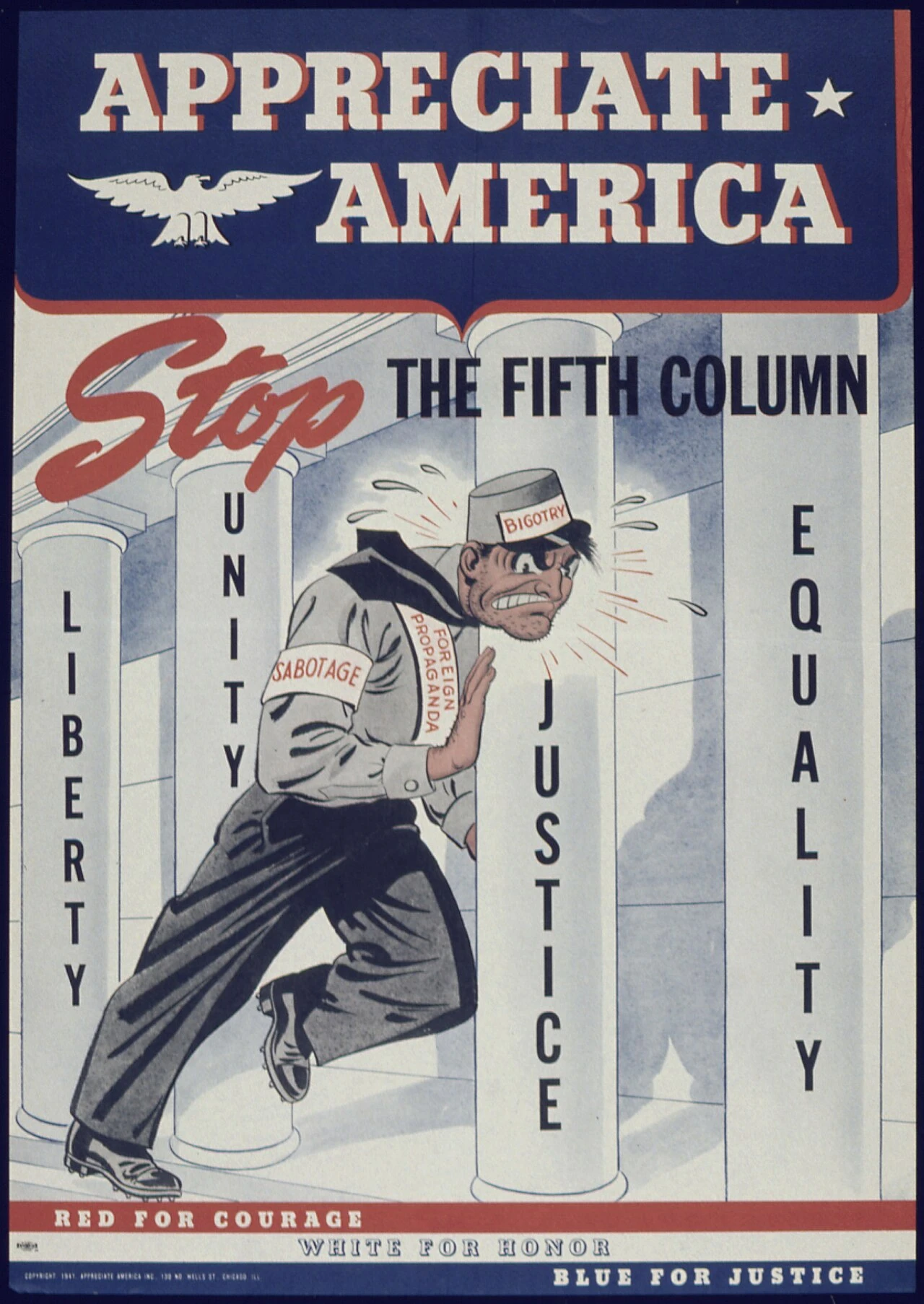
The Long Columns of Prisoners
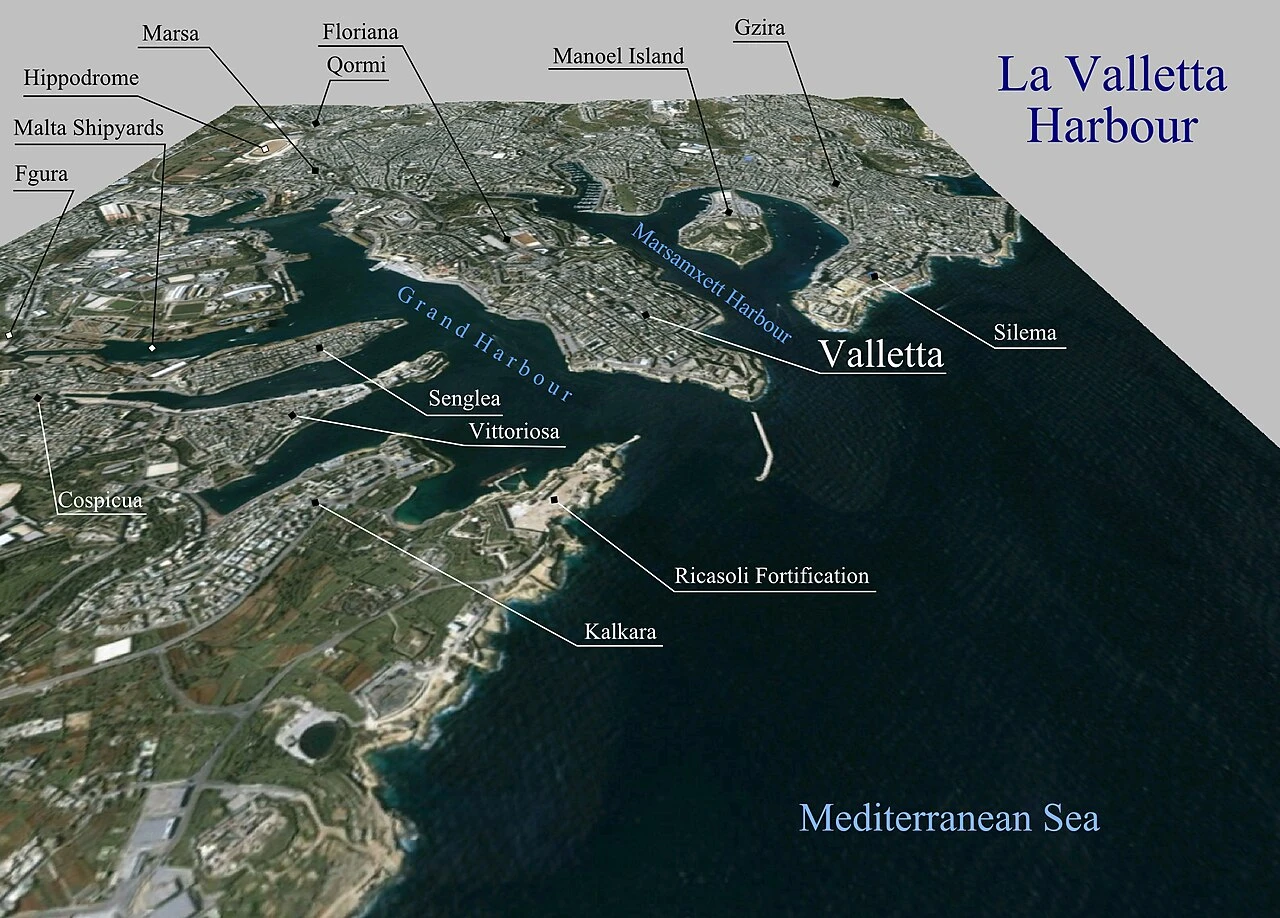
Malta under the 'Illustrious Blitz'
The exodus — flee or stay
Helsinki under the bombs — 30 November
The fifth-column psychosis
Under the bombs — the Belgian towns
The Belgian air force on the ground
Belgrade under the bombs
The coup de main on Ében-Émael
Coventry — the night of November 14
The Long Columns of Prisoners