
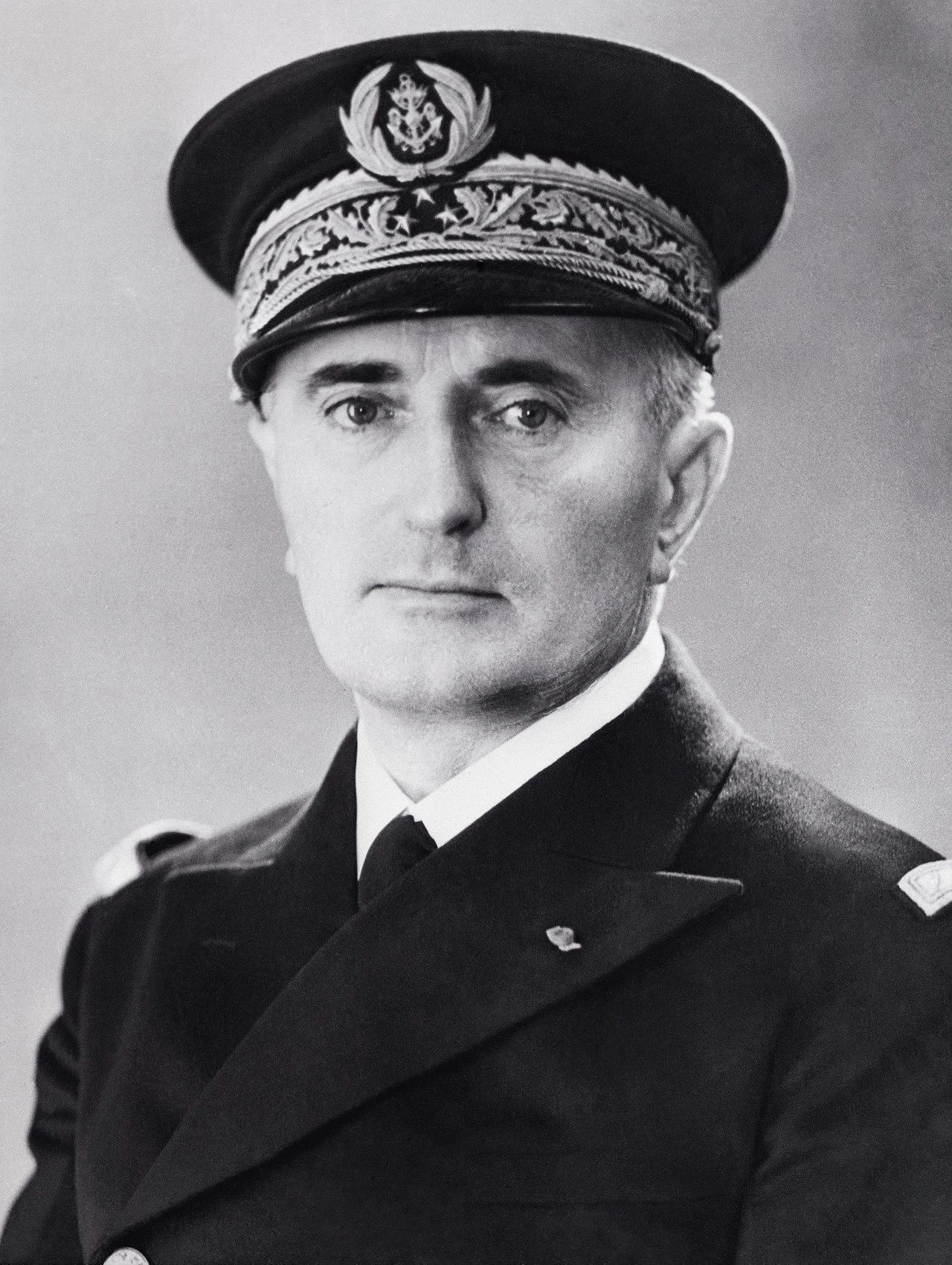
Admiral , 58, commands the French Navy — some 175,000 men and one of the most powerful fleets in the world, intact while the land army collapses. On 16 June Reynaud fell; on the 17th Pétain asked for an armistice. Darlan has sworn to the British that the French fleet will never fall into German hands. This fleet fields modern ships — the fast battleships Dunkerque and Strasbourg, the brand-new Richelieu — dispersed between Toulon, North Africa, and the Atlantic.
On 20 June he learns that Pétain accepts the principle of armistice. The draft Article 8 provides that the fleet will be gathered in ports "to be determined" and disarmed under German-Italian control — a formula whose ambiguity alarms London at the highest level.
Darlan holds considerable autonomous power and several structural options: scuttle the fleet pre-emptively before any signature; rally to England en bloc, breaking with Pétain; or disperse the ships among the ports of the Empire (Toulon, Mers-el-Kébir, Algiers, Dakar) by applying the armistice. The fate of the world's fourth navy depends on his judgement.
What should Darlan do with the great ships of the fleet?
Darlan chooses C. Refusing both immediate scuttling and rallying to London, he trusts in Article 8, which keeps the ships under French flag in French or colonial ports. On 24 June he does, however, send a secret order to commanders: scuttle the ships if the occupier tries to seize them. This trust in the armistice will prove tragic: the British, fearing the fleet might one day serve Hitler, will attack it at Mers-el-Kébir on 3 July. Darlan, rallied to Vichy, will become its dauphin and then head of government; switching to the Allies in North Africa in November 1942, he will be assassinated at Algiers on 24 December 1942. His decision of June 1940 sets in motion the chain of events leading to the drama of Mers-el-Kébir.
Learn more about this event
Related polls
10
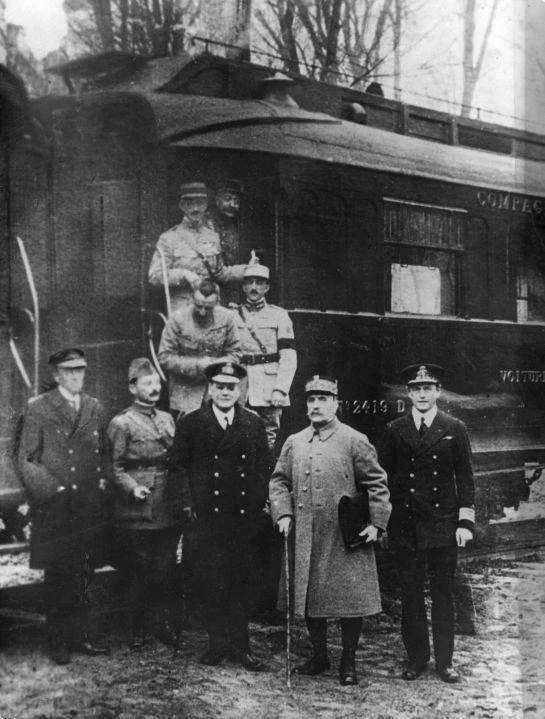
Rethondes — Article 8 on the Fleet
The Franco-British union — 16 June
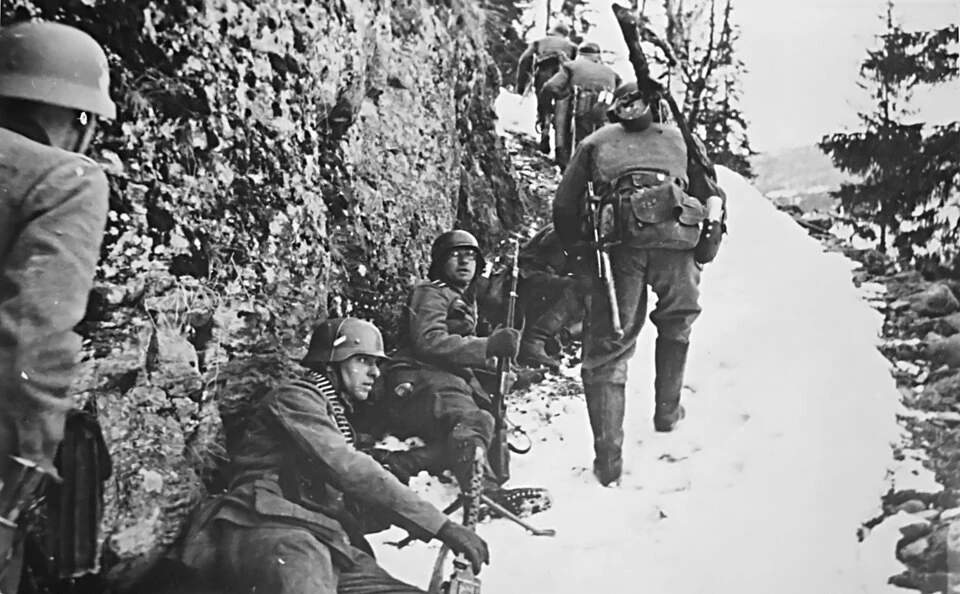
Weserübung — directive of 1 March
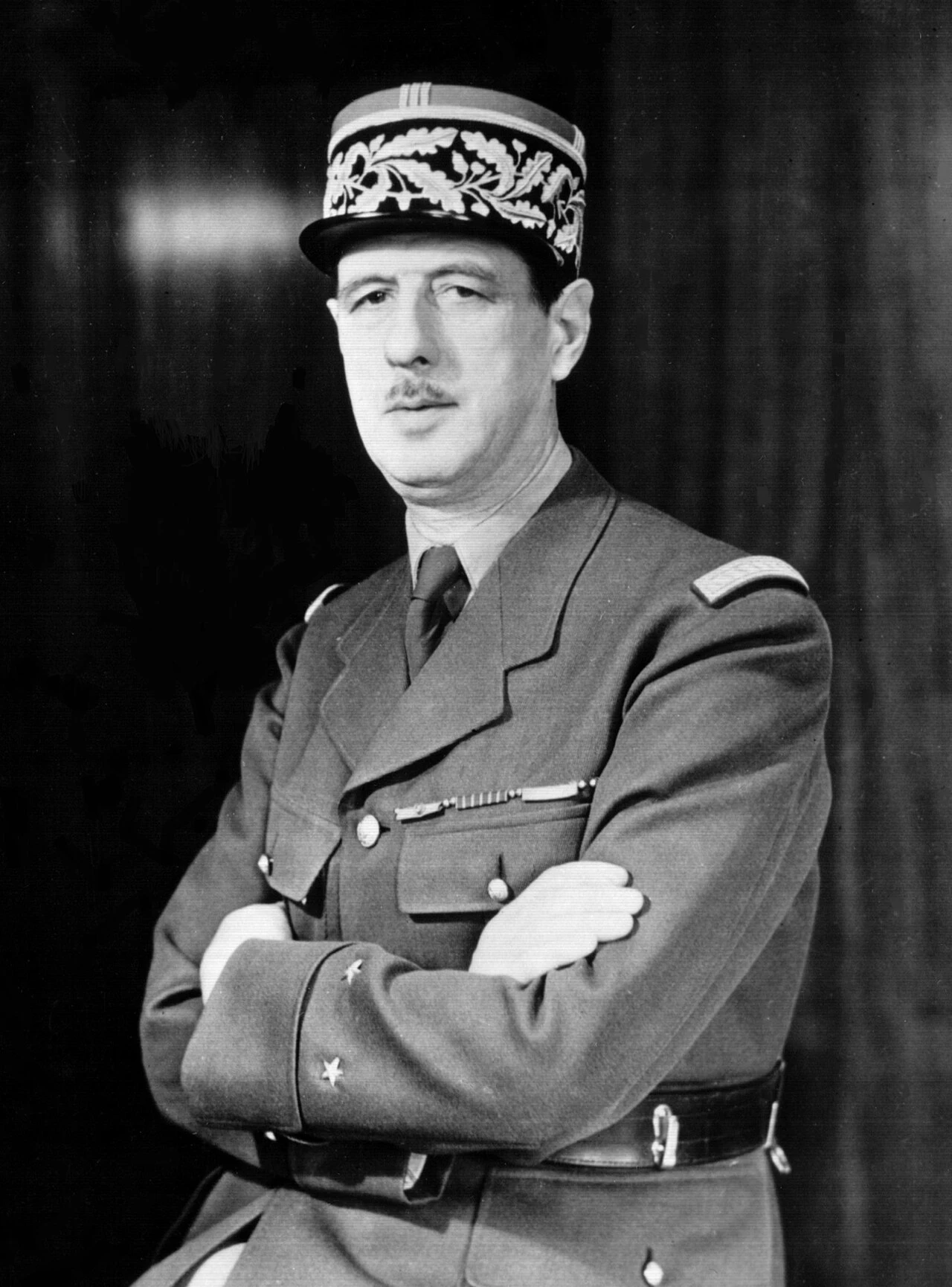
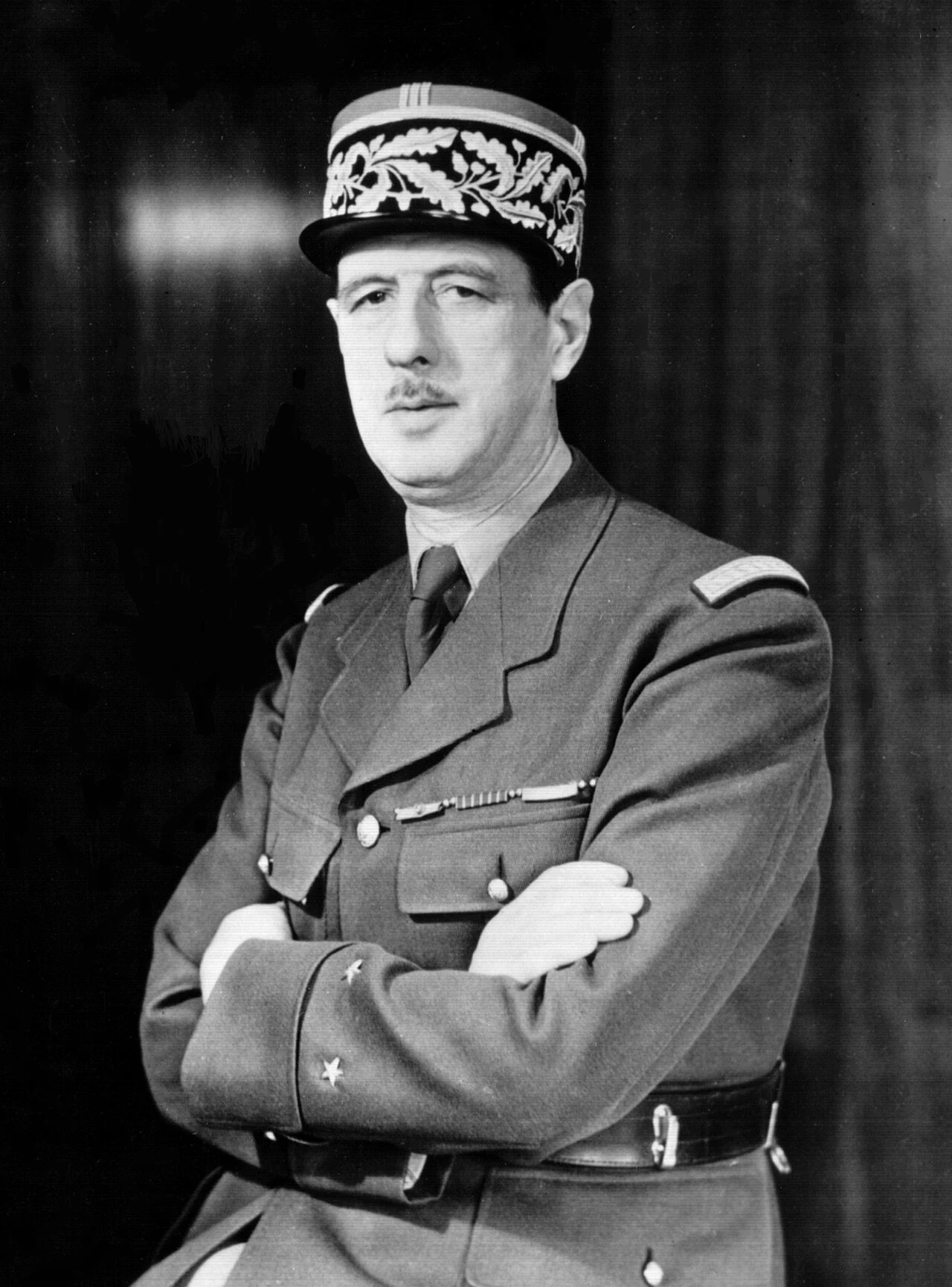
De Gaulle joins the government — 5 June
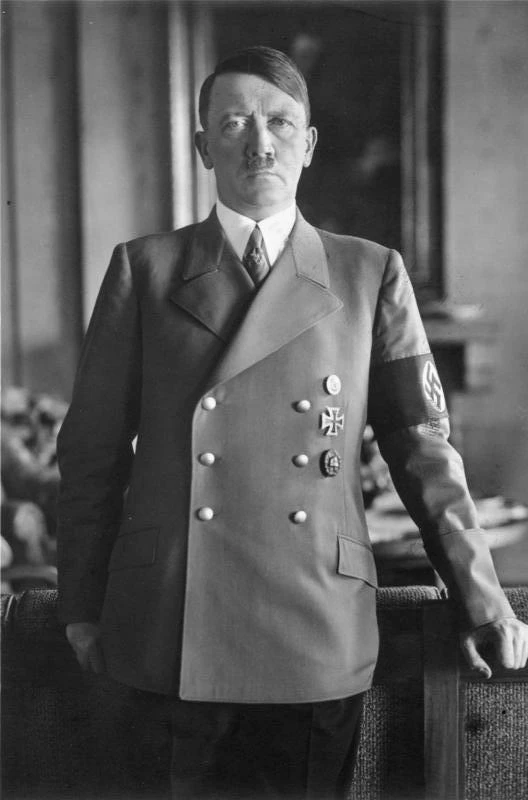
Halt-Befehl — Charleville 24 May 12:30
The French navy disperses
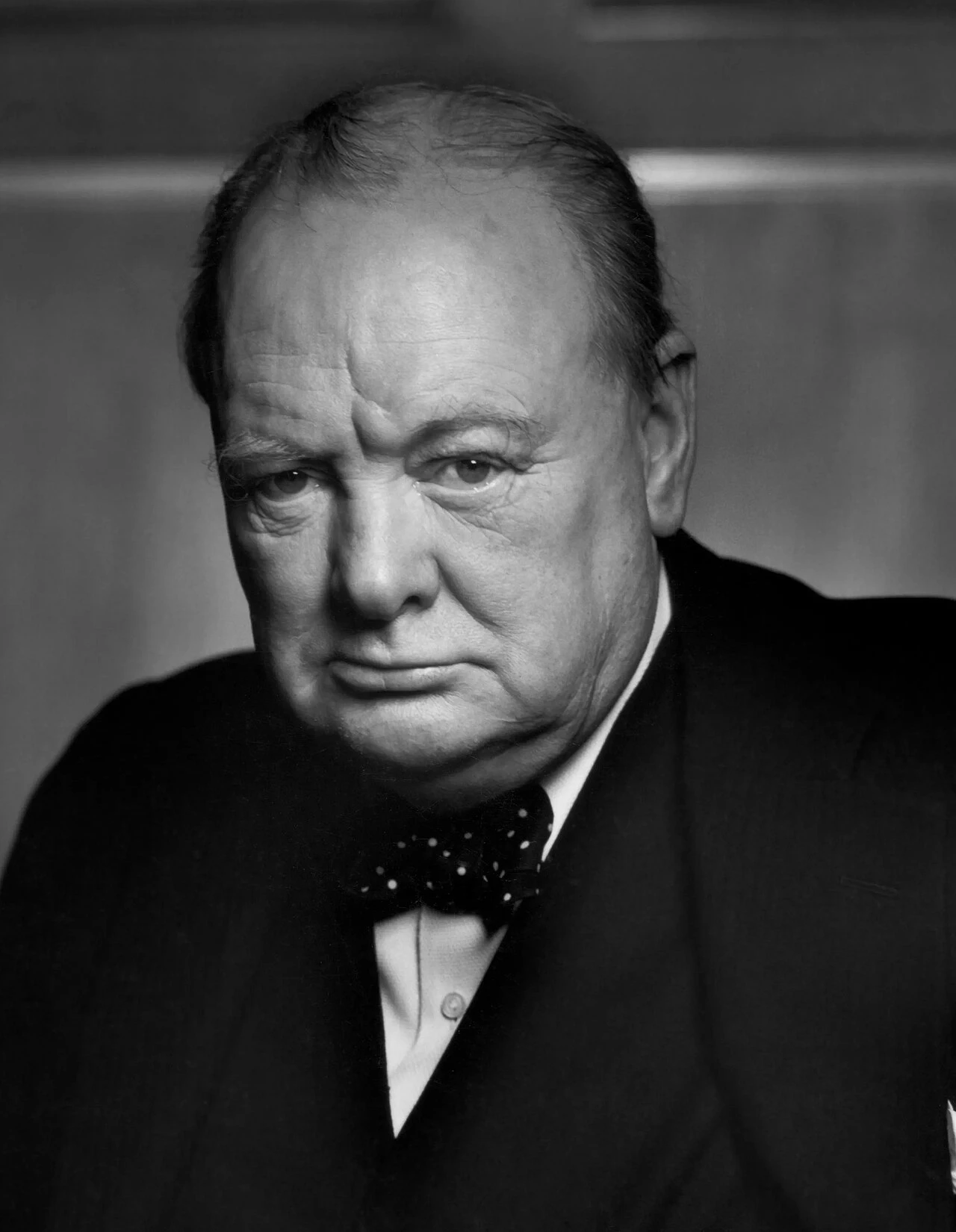
Mining the Rhine — Operation Royal Marine
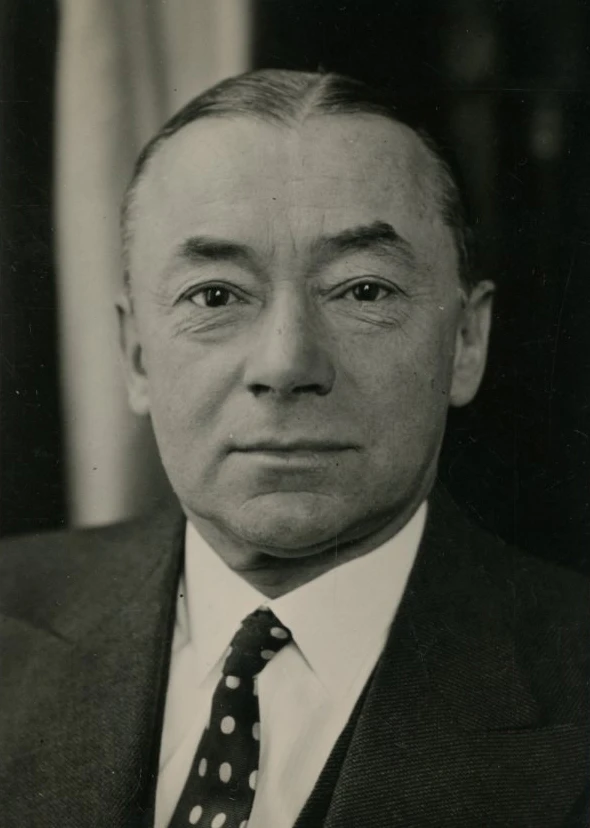
Reynaud faces the Council — Bordeaux, 16 June, 22:00
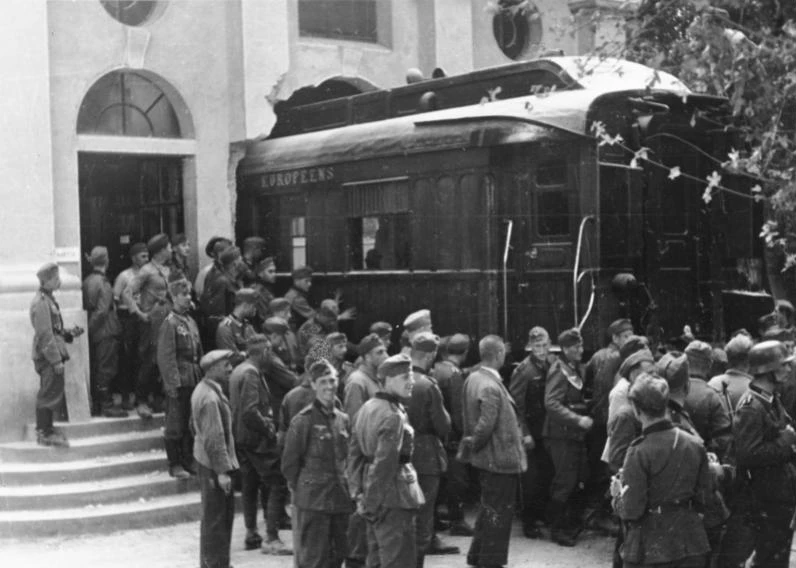
Reynaud or Pétain — Carry On or the Armistice
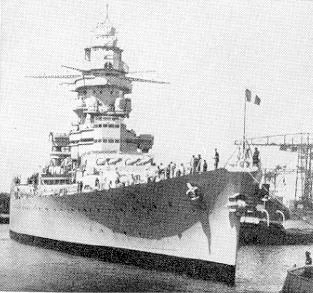
The Admiralty and the Strasbourg Rumour
Rethondes — Article 8 on the Fleet
The Franco-British union — 16 June
Weserübung — directive of 1 March
De Gaulle joins the government — 5 June
Halt-Befehl — Charleville 24 May 12:30
The French navy disperses
Mining the Rhine — Operation Royal Marine
Reynaud faces the Council — Bordeaux, 16 June, 22:00
Reynaud or Pétain — Carry On or the Armistice