
Eben-Emael — gliders on the roof
Built by Belgium between 1932 and 1935 on the Albert Canal, north of Liège, Fort Eben-Emael passes for impregnable. It extends over sixty hectares, houses a garrison of twelve hundred men under Major , fields seventeen artillery cupolas — two of 120 mm, twelve of 75 mm — and is protected by reinforced concrete walls two metres thick. It commands three vital bridges of the canal and locks any German advance towards the Netherlands.
Hitler orders it neutralised at the opening of Fall Gelb, by means of a revolutionary operation: an assault carried by silent DFS 230 gliders, the first modern airborne operation on such a scale. Oberleutnant , twenty-four, a Saxon paratrooper, commands the seventy-eight men of , trained over six months in the utmost secrecy on a replica of the fort. They carry an unprecedented weapon, never used in combat: the 50 kg Hohlladung shaped charges.
At 05:25 on 10 May 1940, the gliders land on the very roof of the fort. Surprise is total. Within minutes, the shaped charges punch through the cupolas. Disorganised, the Belgian garrison cannot return fire against attackers who dominate it from above.
But Witzig's own glider has missed its landing: a snapped tow cable has brought it down far to the rear. He must decide urgently how to keep hold of the operation.
Should Witzig rejoin the fort or command from a distance?
Witzig applies A. He has himself brought back to the fort by a second flight, crash-landing at 11:00 to coordinate the final phase of the assault. At 12:15 on 11 May 1940, after thirty-two hours of siege, Major Jottrand capitulates. The affair costs 6 German dead, 60 Belgian dead and yields 1,200 Belgian prisoners. Eben-Emael stands as one of the most audacious military operations of the early Second World War, and Hitler awards Witzig the Knight's Cross on 10 May 1940. Witzig survives the war, commands airborne operations in Tunisia in 1943, serves in the Bundeswehr after 1955 and dies in 2001 at 85. The fort of Eben-Emael becomes a museum in 1979. Its fall demonstrates that static fortifications are obsolete in the face of new airborne doctrines combined with shaped-charge weapons — a lesson that will mark post-war fortification design.
Learn more about this event
Related polls
10
The Houx weir

The crossing of the Meuse at Dinant
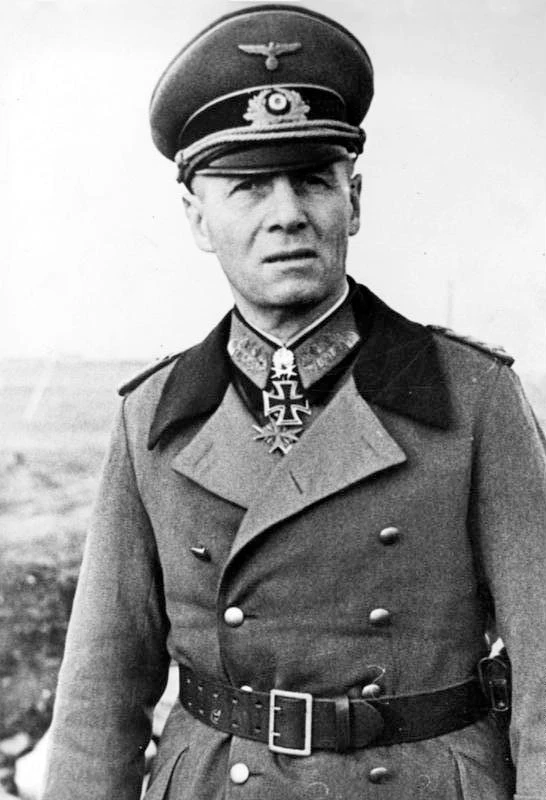
Rommel before the Meuse — Dinant, 13 May
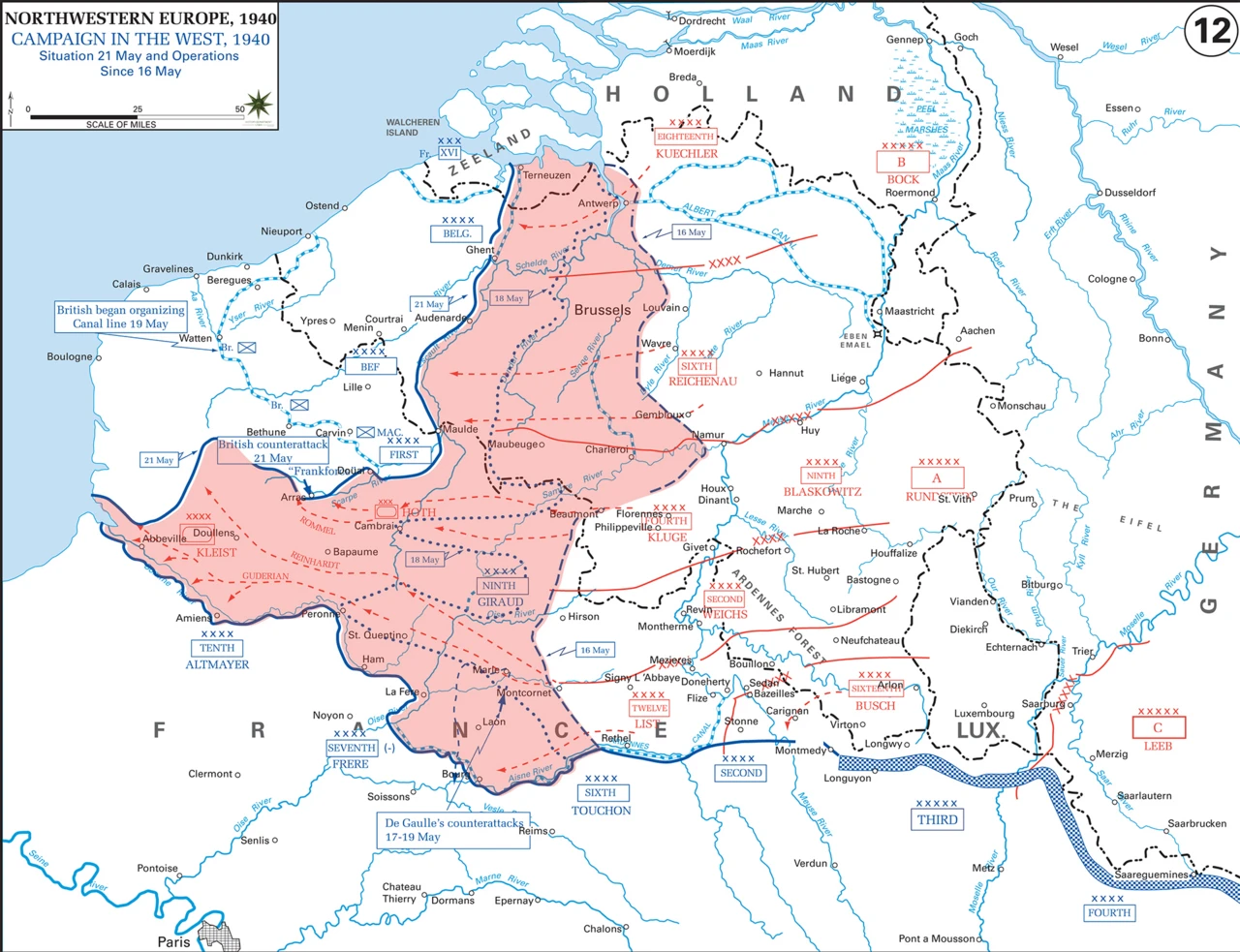
Arras — the Matildas against Rommel's flank
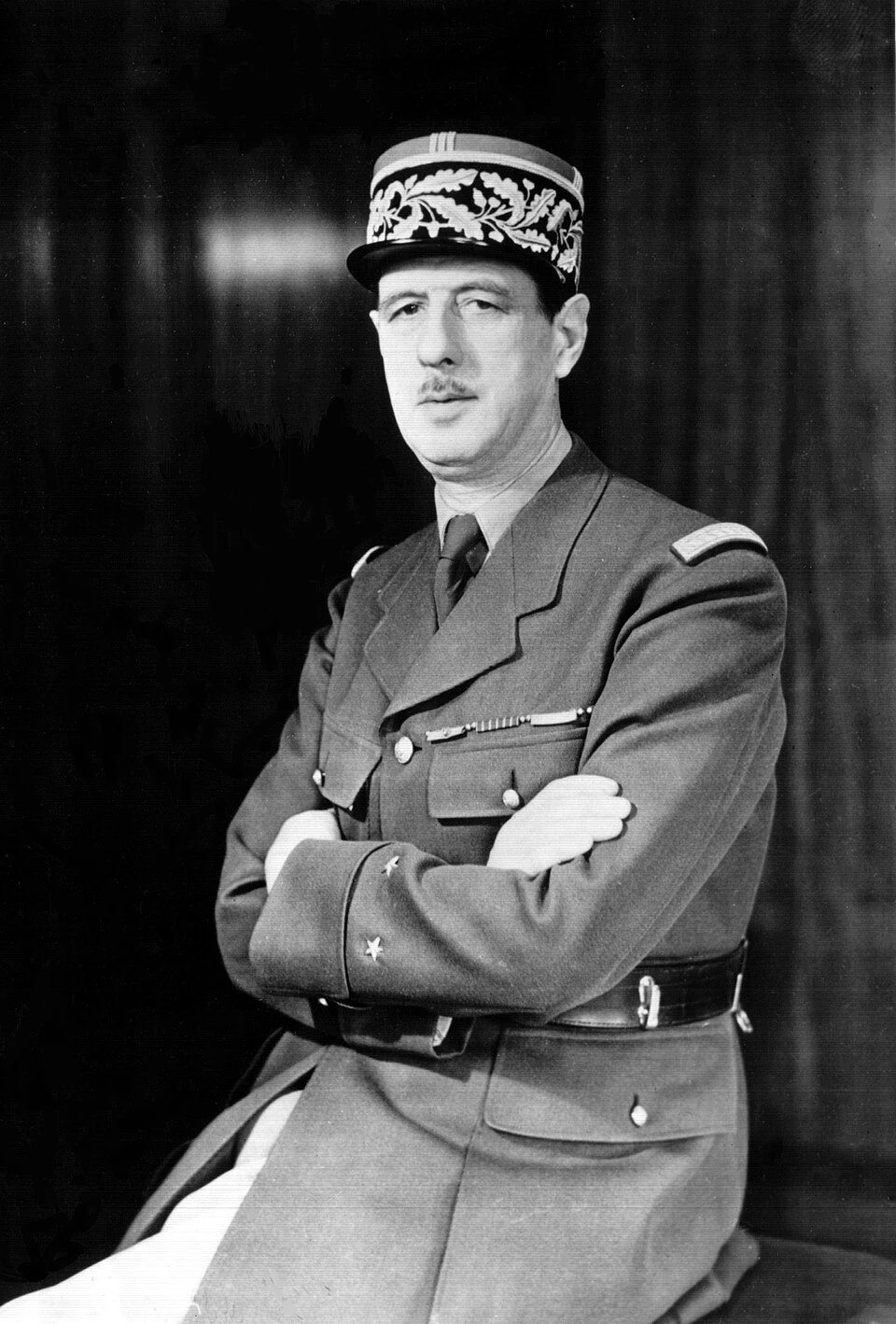
De Gaulle at Montcornet — 17 May
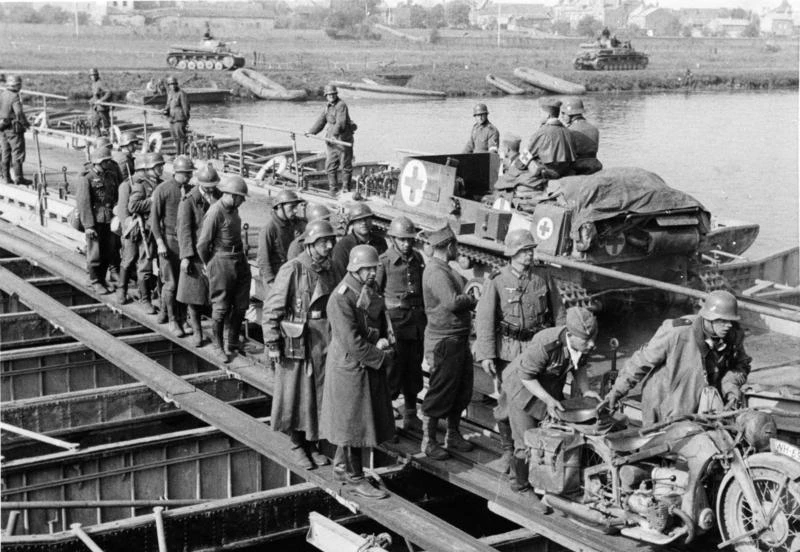
Grossdeutschland crosses at Sedan
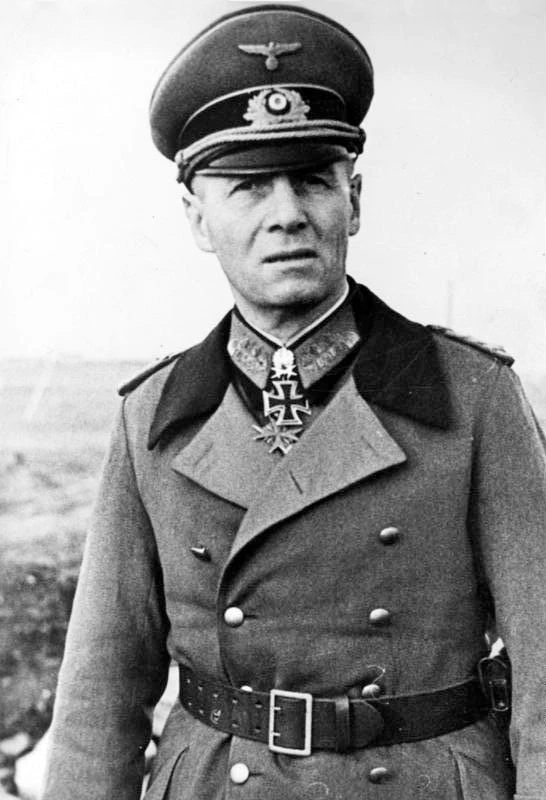
Rommel before the Serre — the Crécy bridge
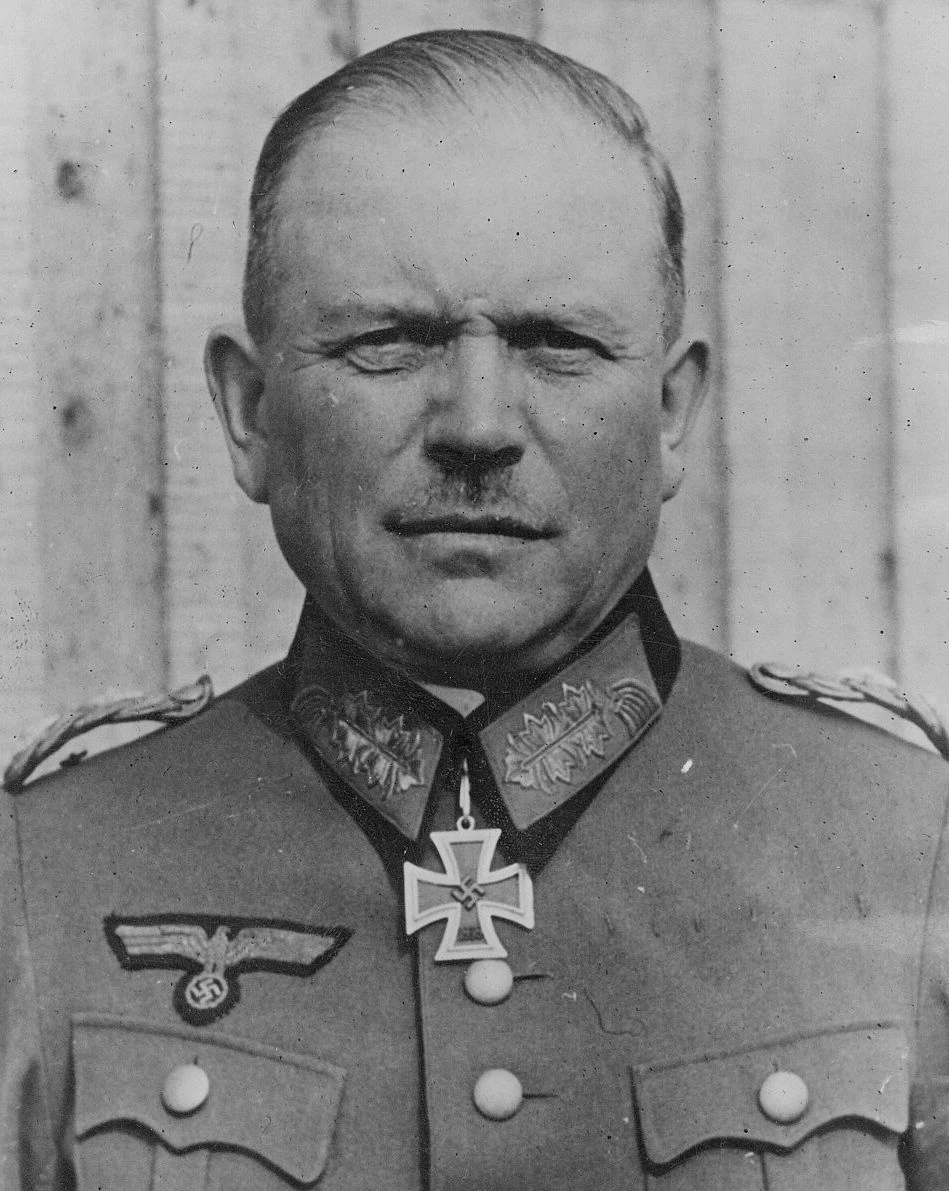
Sedan — Guderian on the Meuse
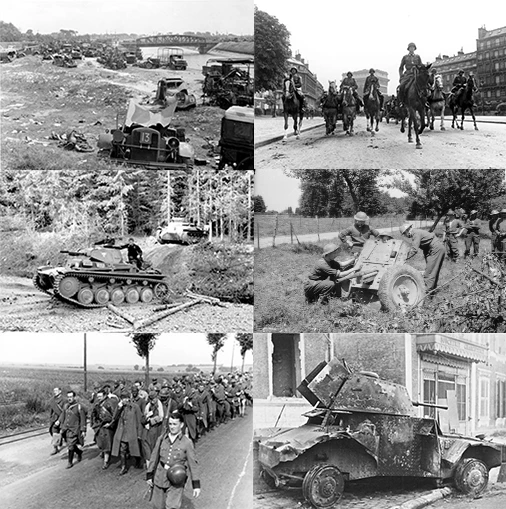
The Monthermé bottleneck
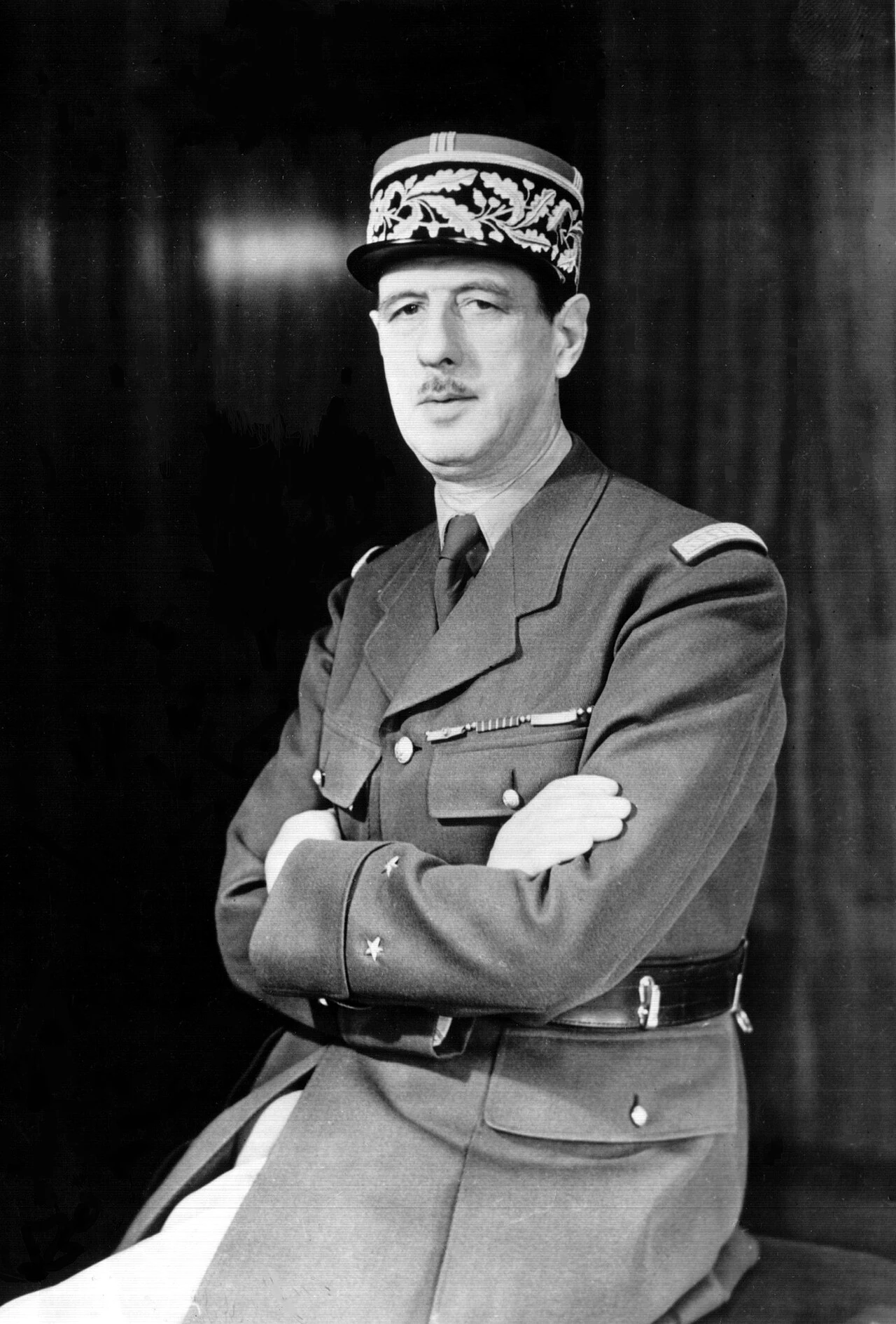
De Gaulle at Abbeville
The Houx weir
The crossing of the Meuse at Dinant
Rommel before the Meuse — Dinant, 13 May
Arras — the Matildas against Rommel's flank
De Gaulle at Montcornet — 17 May
Grossdeutschland crosses at Sedan
Rommel before the Serre — the Crécy bridge
Sedan — Guderian on the Meuse
The Monthermé bottleneck