
Moscicki — the Succession from Bicaz
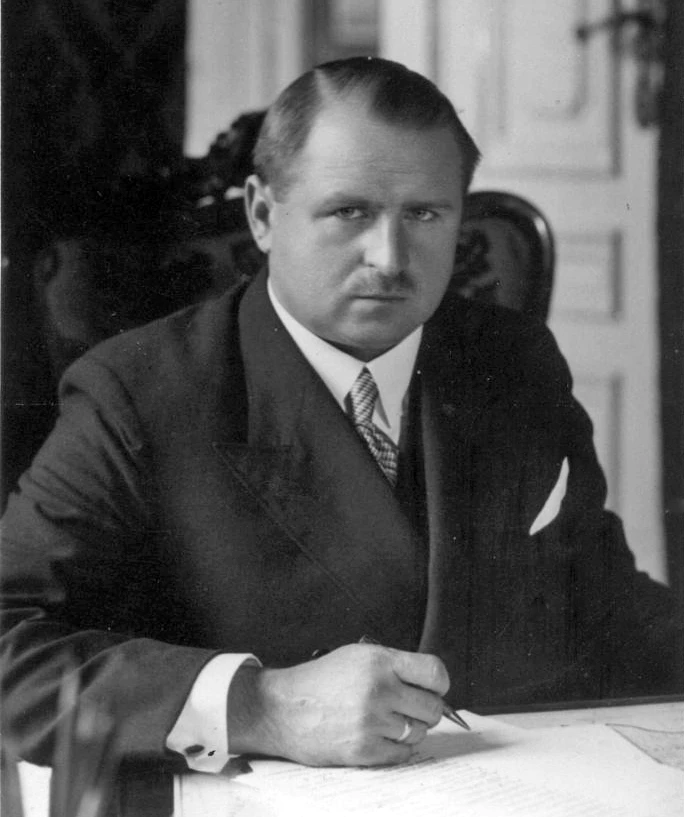
, seventy-two, a chemist by training, has been President of Poland since 1926 — elected by the National Assembly under the Sanacja regime installed by after the May 1926 coup. On 17 September 1939, following the Soviet invasion, he crosses into Romania with the Slawoj-Skladkowski government. Under the Polish-Romanian treaty of 1921, Romania was bound to grant free transit to the Polish government on its way to France. But on 18 September, under French pressure (the Daladier government fears that Moscicki, identified with Sanacja, would damage Poland's image with the Allies) and German pressure, the Romanian Foreign Minister announces that all members of the Polish government will be interned on Romanian soil.
Moscicki is placed under house arrest at Bicaz, in the Carpathians. The Polish constitution of April 1935 gives him a crucial power: in the event of presidential incapacity he may designate his successor by decree. The clause is meant to secure the continuity of the state.
On 25 September he signs a first decree naming as successor — cavalry general, intimate friend of Pilsudski, ambassador of Poland to Italy since 1938. Wieniawa is immediately contested in Paris: Daladier considers him "too Sanationist," and Sikorski (preparing the government-in-exile) refuses to serve under him. Very firm French pressure is conveyed by ambassador .
Should Moscicki change his successor under French pressure?
Moscicki chooses B. On 29 September 1939 he revokes Wieniawa's appointment by decree and names — former voivode (prefect) of Volhynia, a non-aligned moderate acceptable to Paris. Raczkiewicz takes the oath at the Polish embassy in Paris on 30 September at 11 a.m. He immediately appoints Sikorski as Prime Minister. The legal precedent set by Moscicki is crucial: it secures the unbroken legal continuity of sovereign Poland in exile — the Polish presidency-in-exile will exist officially until 1990, when (the last president-in-exile) hands the constitutional insignia to the democratically elected . Moscicki, freed by the Romanians at the end of 1939, is welcomed in Switzerland, where he dies on 2 October 1946 at Versoix (canton of Geneva). Wieniawa-Dlugoszowski, disavowed, becomes ambassador to Havana and then takes his own life in New York on 1 July 1942 — an episode often cited as the symbolic end of an entire Polish world.
Learn more about this event
Related polls
10
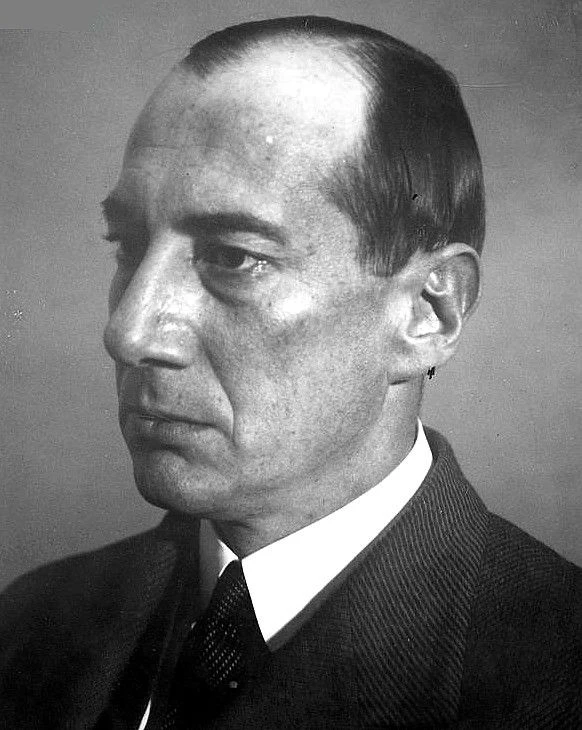
Beck in Bucharest — the Internee
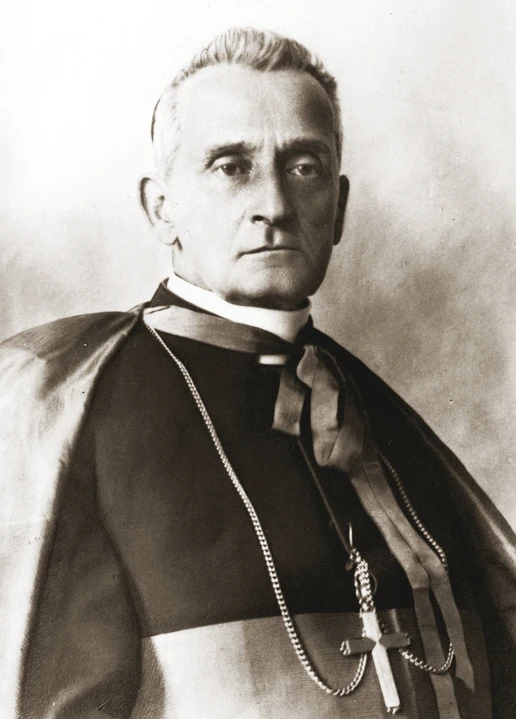
Cardinal Sapieha — Krakow under Occupation
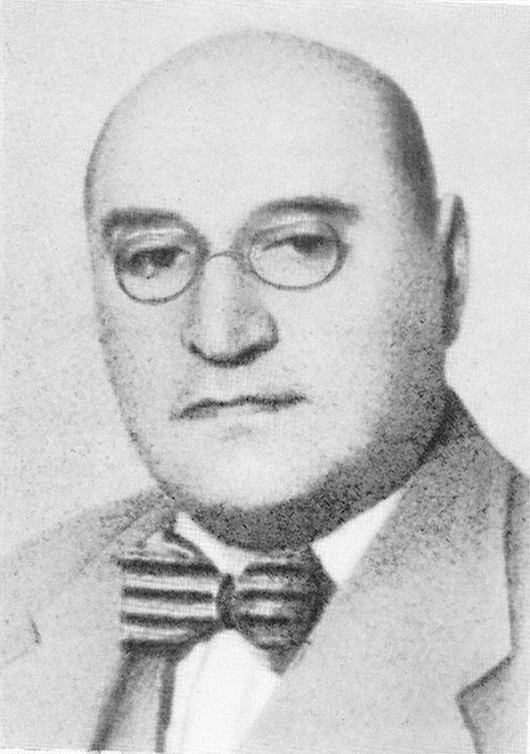
Czerniaków — the offer of the Judenrat

Daladier — Thorez's Defection
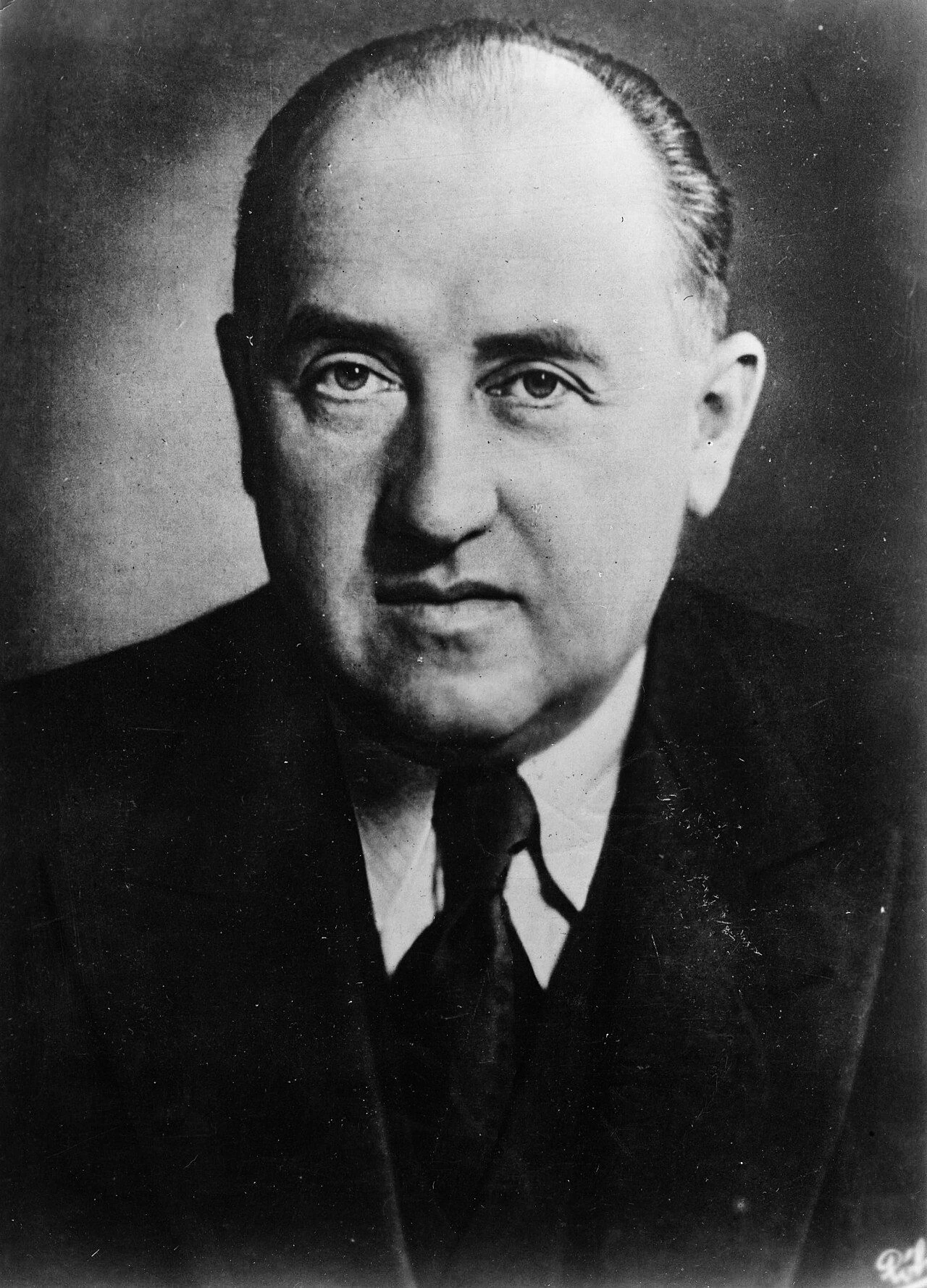
The Gold of the Bank of Poland — the destination of the SS Eocene
Starzyński — Mówi Warszawa
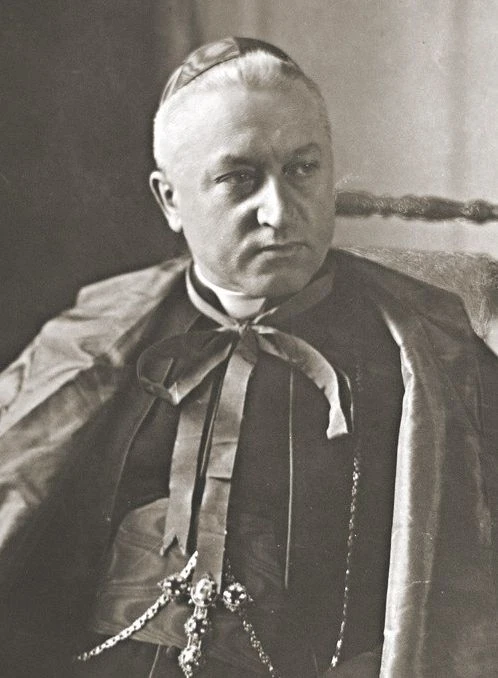
Cardinal Hlond — the Vatican's instruction
Chamberlain — 11:15 BST
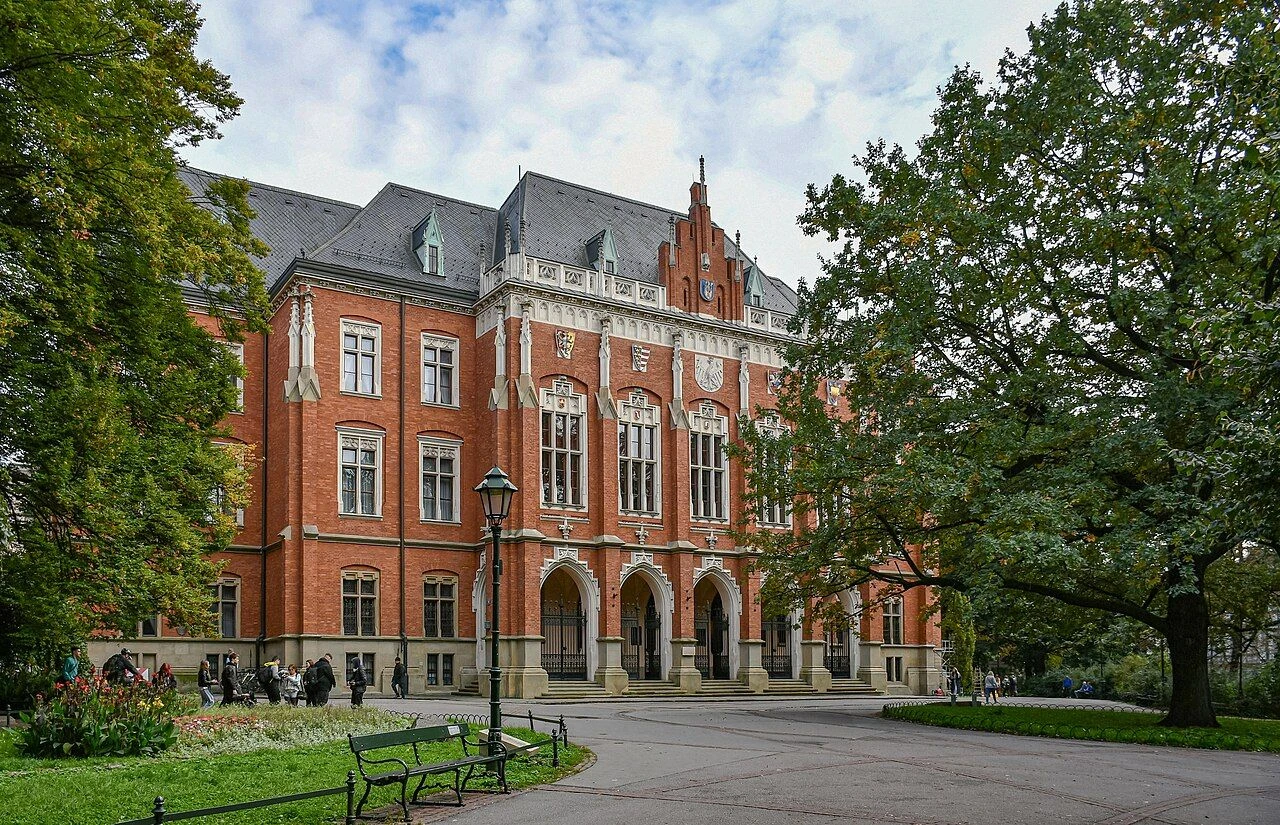
Hans Frank — the taking of the Wawel
Karaszewicz-Tokarzewski — Founding the SZP
Beck in Bucharest — the Internee
Cardinal Sapieha — Krakow under Occupation
Czerniaków — the offer of the Judenrat
Daladier — Thorez's Defection
The Gold of the Bank of Poland — the destination of the SS Eocene
Starzyński — Mówi Warszawa
Cardinal Hlond — the Vatican's instruction
Chamberlain — 11:15 BST
Hans Frank — the taking of the Wawel