
In the summer of 1940, the Belgian economy started up again under German administration. Unemployment threatened hundreds of thousands of families, and the occupier — who needed labour — offered work, in Belgium as in Germany. At this stage, departure for the Reich was still presented as voluntary, accompanied by enticing wages and benefits.
For you, the unemployed worker, the dilemma was concrete. To refuse all work connected with the occupier was to preserve your conscience but to risk destitution for your family. To accept a job in Belgium was to earn your living while remaining at home. To leave to work in Germany was the assurance of a wage, but also to serve the enemy war economy directly and to be far from your own.
You had to choose. To accept local work under the occupation in order to support your family. To leave for Germany for a better wage. Or to refuse all employment connected with the occupier and seek other means. What presented itself in 1940 as a free choice would become, from 1942, compulsory labour imposed by force — but that, no one yet knew.
Should our worker accept local work, leave to work in Germany, or refuse everything?
Most workers chose A: they took up a job locally, since families had to be supported somehow. A minority, drawn by the wages, left voluntarily to work in Germany during the summer and autumn of 1940 (option B), before the flow dried up. The logic of the "lesser evil" prevailed: to work in order to survive, without committing oneself further. This initial tolerance would change radically from October 1942, when the occupier introduced compulsory labour (forced deportation to the Reich), turning an economic choice into coercion and feeding the Resistance and the flight of the réfractaires.
Learn more about this event
Related polls
10
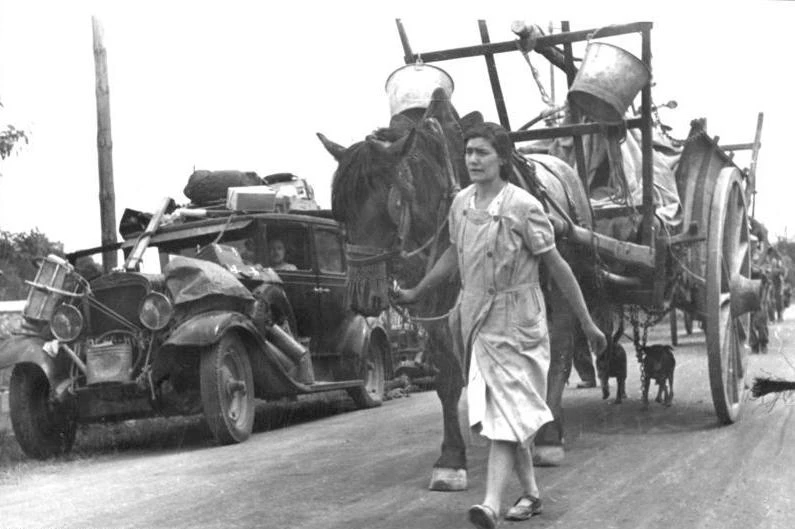
The Repatriation of the Refugees
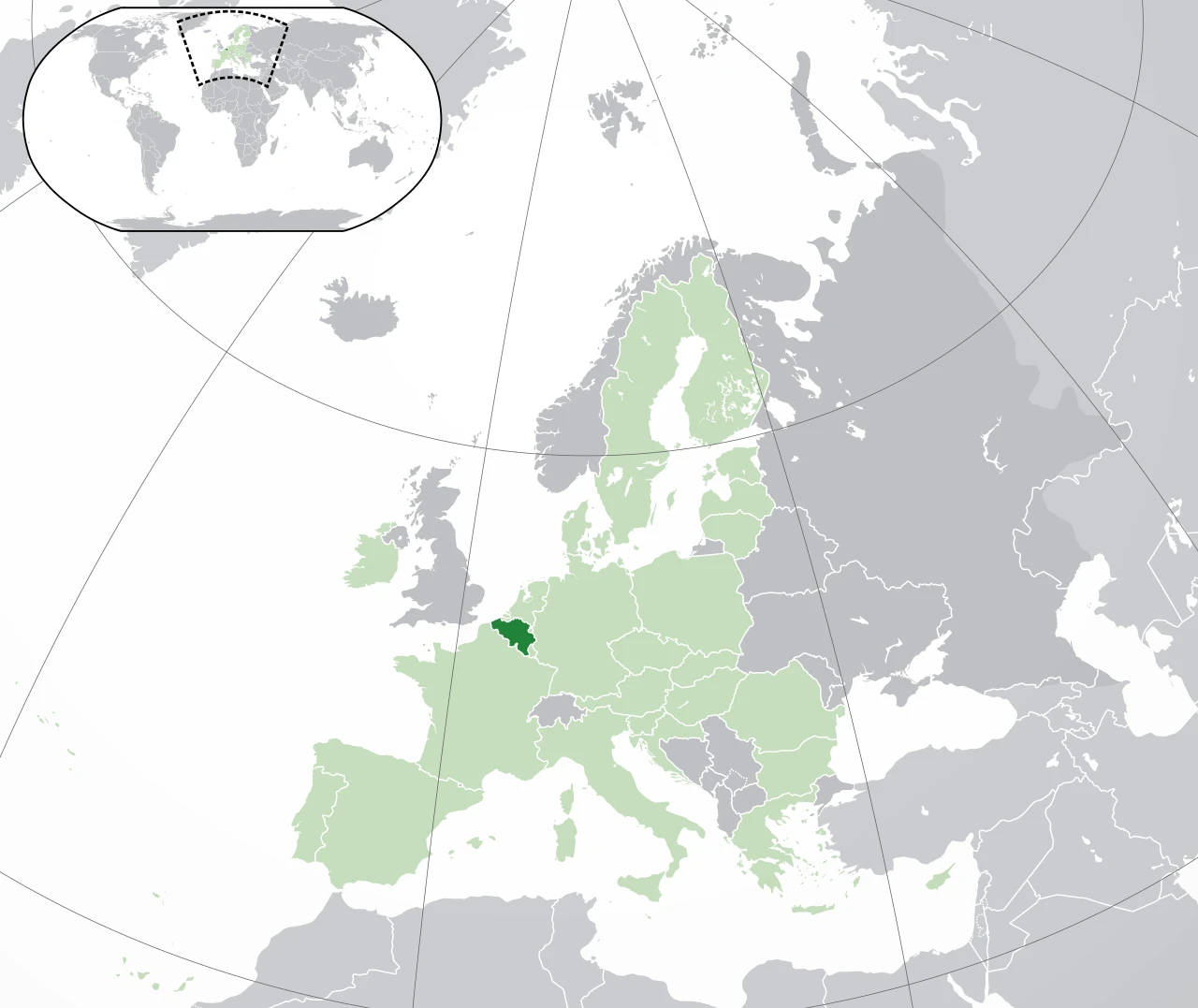
Provisioning and the Black Market
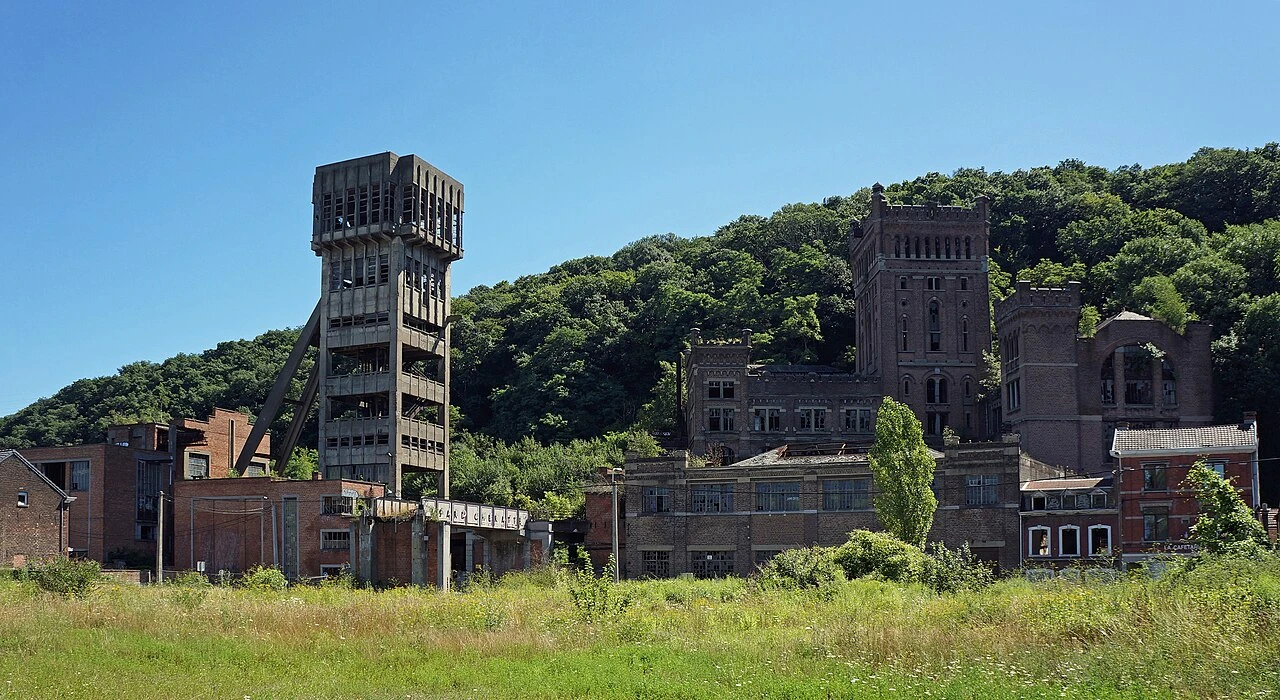
Campine Coal and the Hunger of Year One
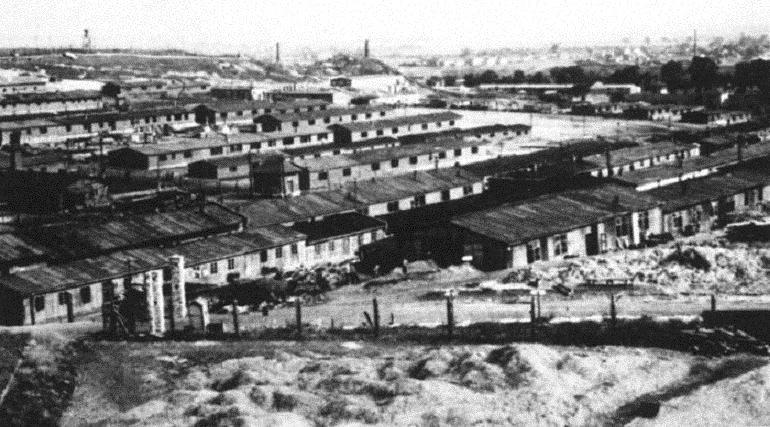
The Upper Silesian Pole Subjected to Forced Labour
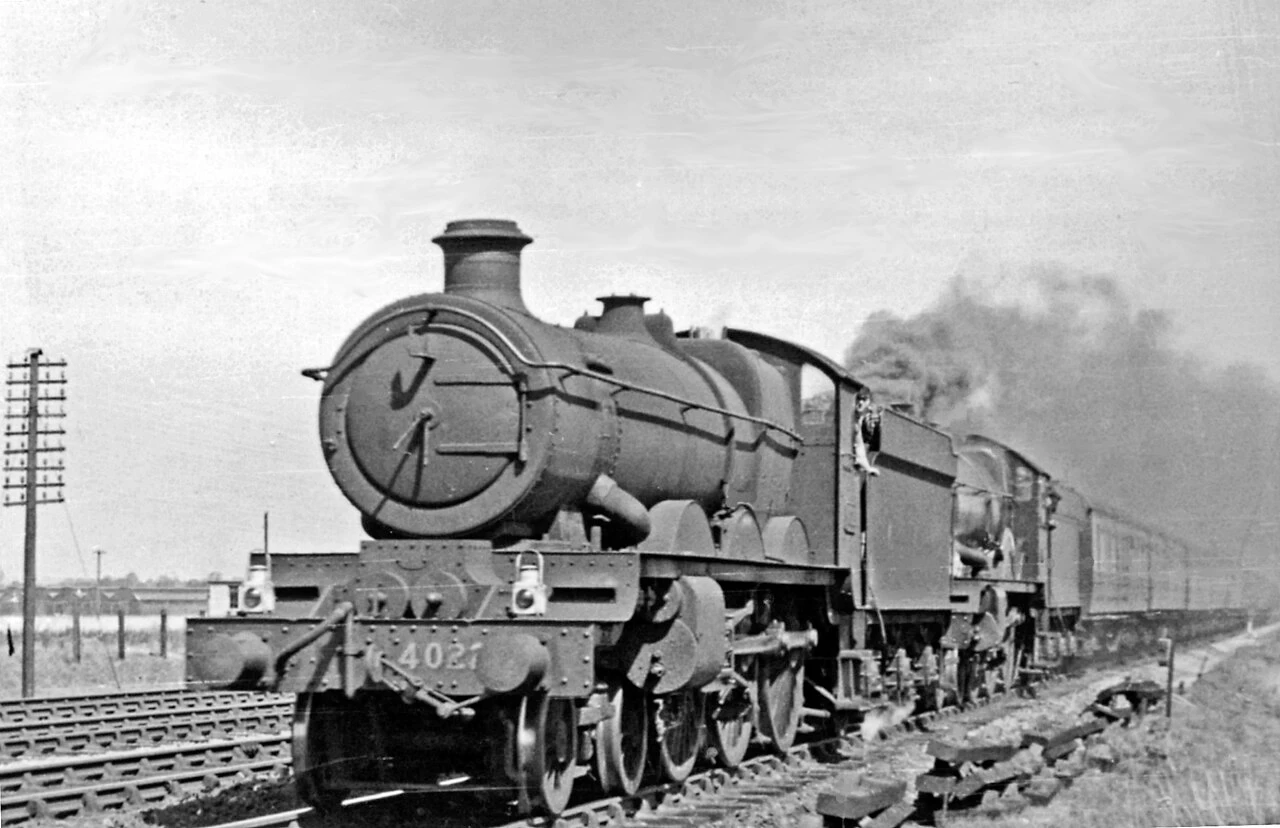
The Belgian railways under occupation
Winter rationing

The burgomaster faced with requisitions

The Red Cross and the Missing
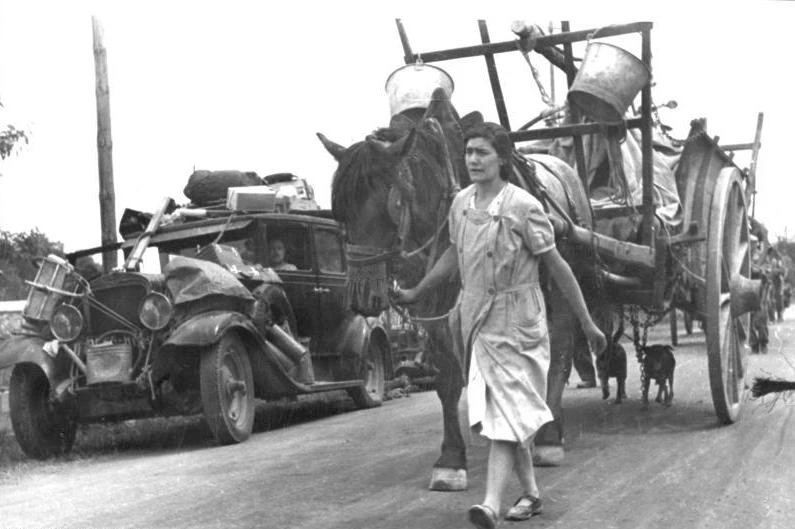
The exodus — flee or stay
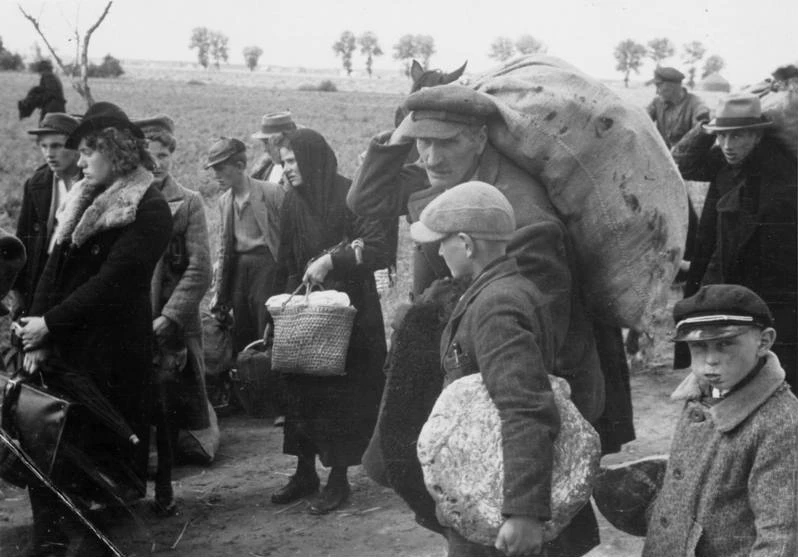
The Warsaw Student and the Black Market
The Repatriation of the Refugees
Provisioning and the Black Market
Campine Coal and the Hunger of Year One
The Upper Silesian Pole Subjected to Forced Labour
The Belgian railways under occupation
Winter rationing
The burgomaster faced with requisitions
The Red Cross and the Missing
The exodus — flee or stay