
Berlin, October 1941: The Words of Victory
In the autumn of 1941, the Reich's propaganda machine is running at full throttle. Since 22 June, the Wehrmacht has broken through the Soviet lines and encircled hundreds of thousands of prisoners at Minsk, Smolensk, then Kiev. Operation Typhoon, launched on 30 September, is now targeting Moscow. The Soviet capital has not fallen, however, and the outcome of the autumn campaign remains suspended on several unknowns.
On 9 October, in Berlin, the Propaganda Ministry headed by Joseph Goebbels must settle on the line it will transmit to the entire controlled press of the Reich, at a moment when foreign correspondents are awaiting an update on the situation in the East. The tone chosen will engage the regime's credibility before the German people as much as before world opinion, at a time when every communiqué weighs on domestic morale and the external perception of the war.
Goebbels gauges the power of words as much as the cost of a disappointed expectation. The autumn rains, the rasputitsa, turn the tracks into a quagmire and slow the armored columns; the scale of the Soviet reserves remains an enigma; winter is approaching without the troops' equipment being assured. But the successes accumulated since June feed an expectation of a swift conclusion. The minister must fix, within a few hours, the official language of the Reich.
Which communication line should Goebbels impose on the Reich's press?
Goebbels relays the triumphalist announcement of imminent victory: the Reich's press, aligned with Otto Dietrich's declaration of 9 October 1941 that the war in the East is virtually won, trumpets that the Eastern campaign is over and that the Red Army is annihilated. The headlines proclaim the imminent end of the war. But the Typhoon offensive bogs down: the rasputitsa and then the frost paralyze the armor, and Georgy Zhukov's Soviet counteroffensive, on 5 December 1941, pushes the Wehrmacht back before Moscow. The premature announcement turns against the regime: popular disappointment is all the stronger because victory had been promised. Goebbels, who had been skeptical about this messaging, must then manage the disenchantment, redirect the discourse toward the idea of a long war, and launch, in December 1941, the great collection of winter clothing (Winterhilfswerk) for poorly equipped soldiers on the Russian front. The episode marks a turning point in Nazi propaganda, henceforth constrained to greater caution.
Learn more about this event
Related polls
10
Speer at headquarters - Todt's portfolio
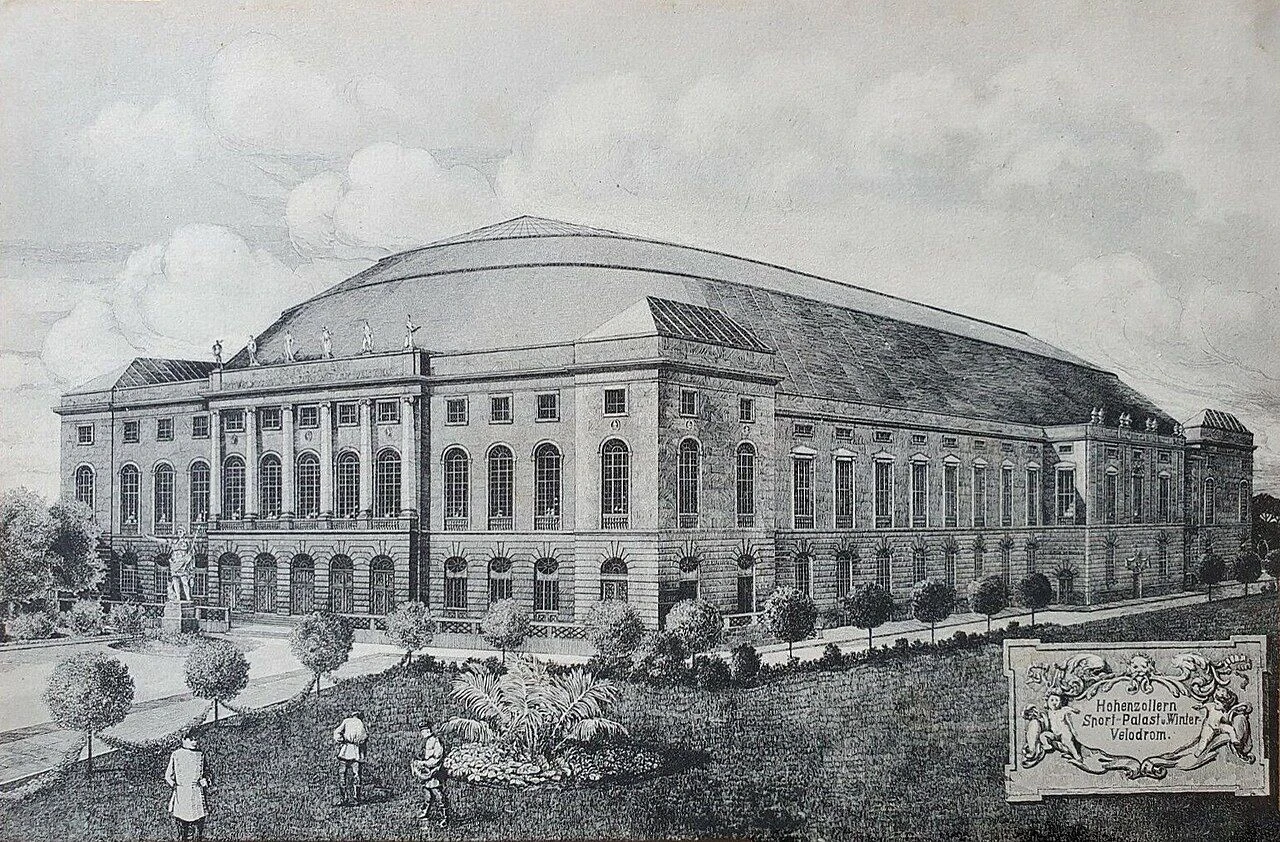
Hitler at the Sportpalast — 30 January, 8 pm
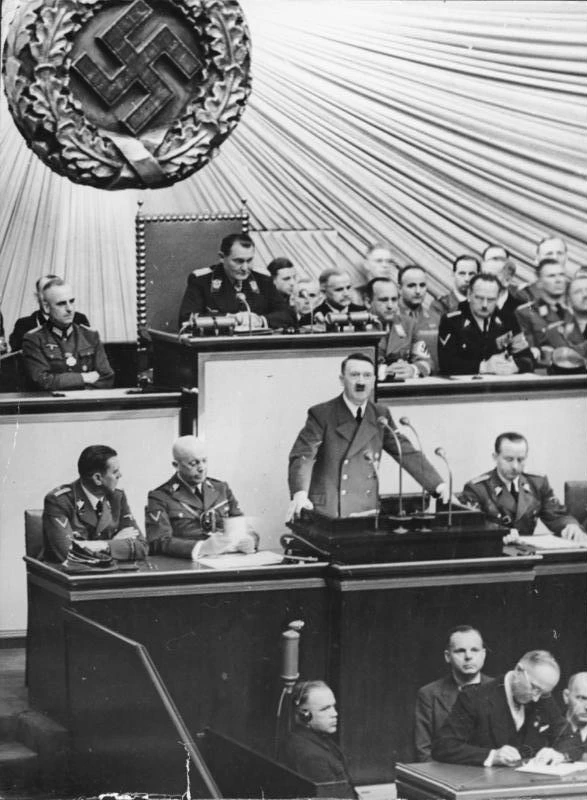
Hitler — the Reichstag Speech
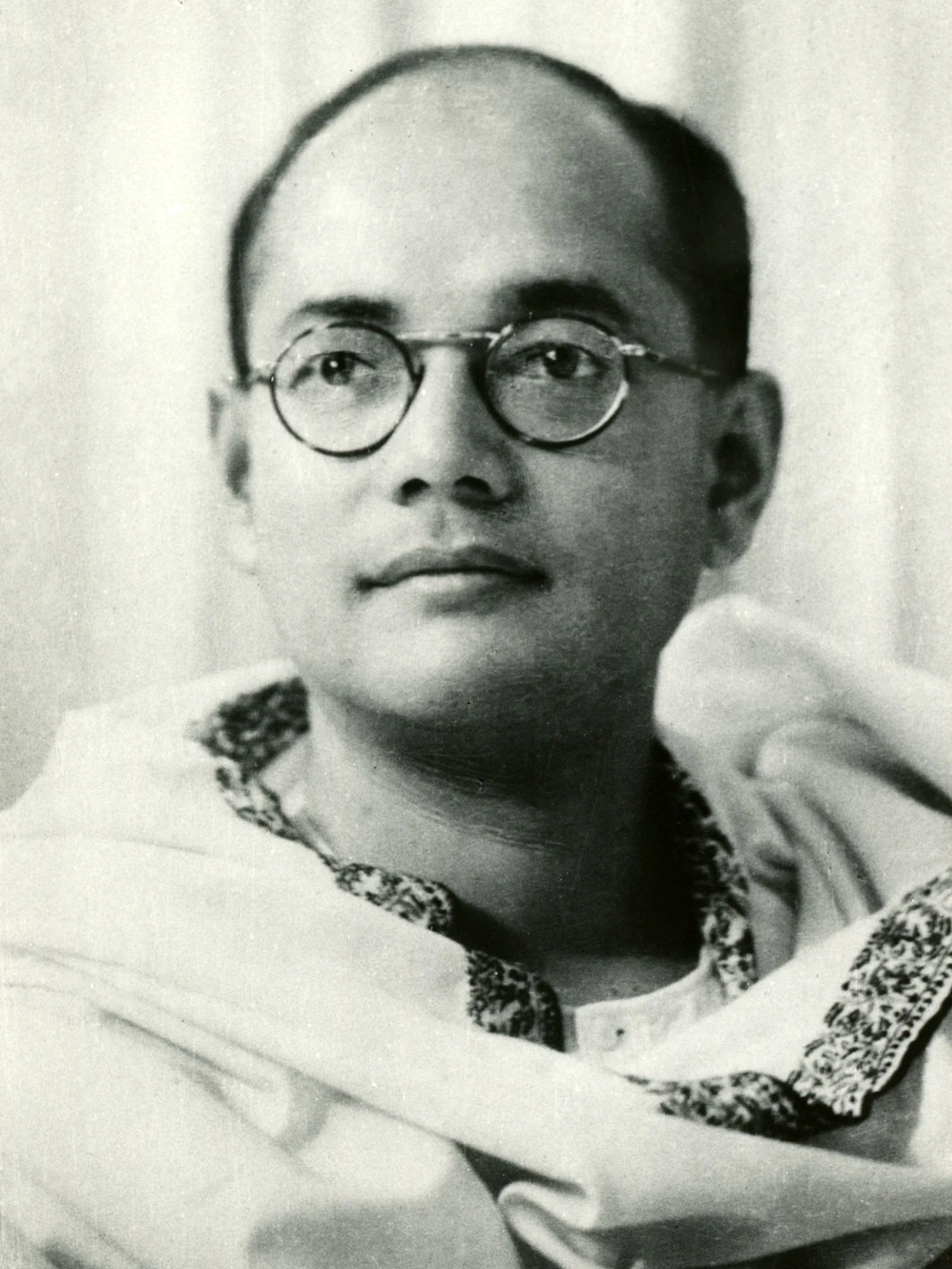
The Indische Legion — Subhas Chandra Bose in Berlin
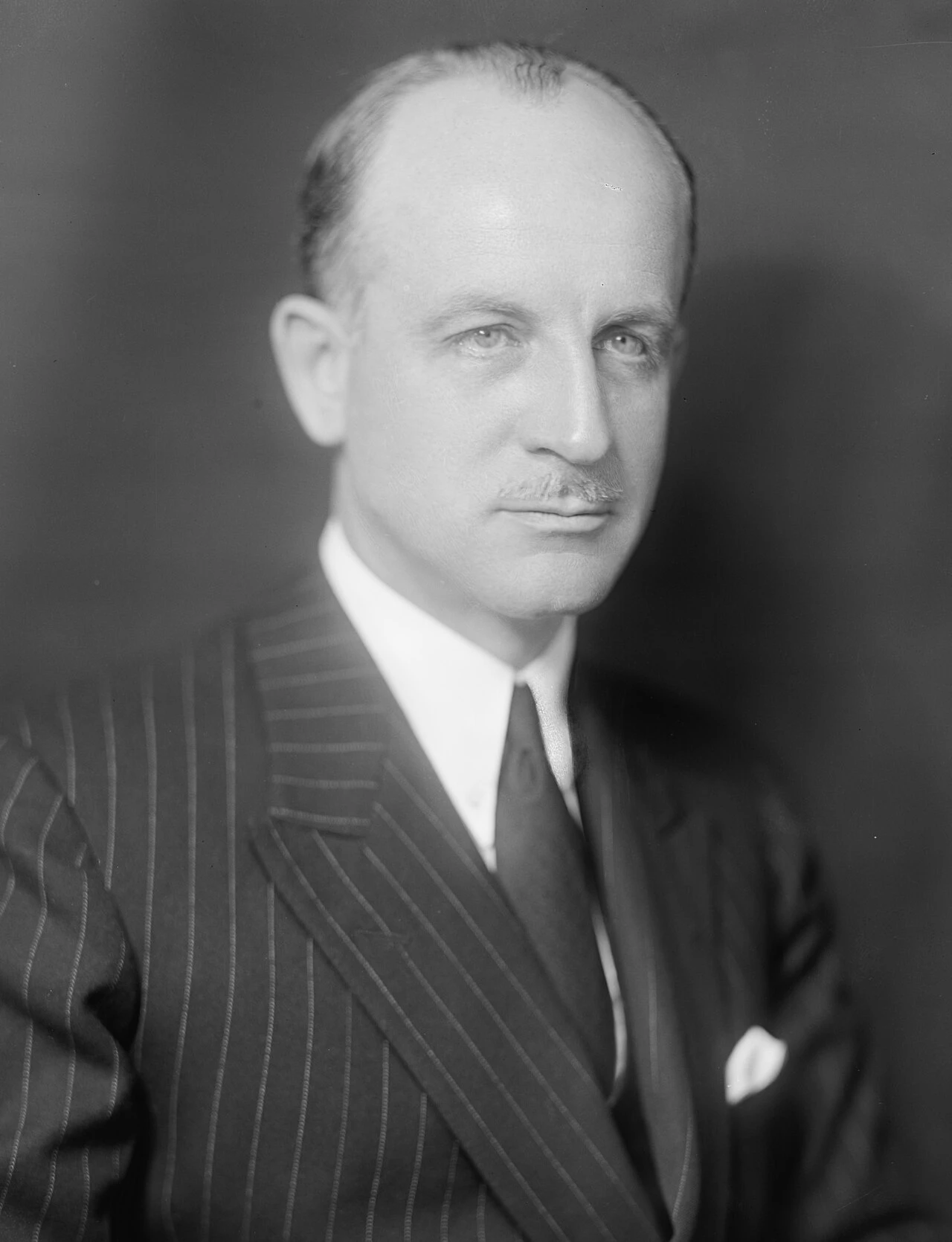
Welles with Hitler — 2 March 11:00
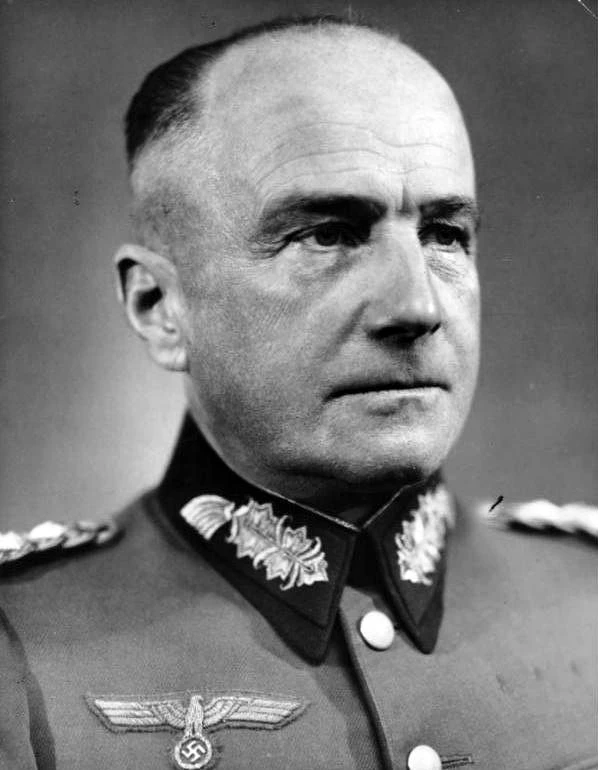
Brauchitsch — Reich Chancellery, 5 November
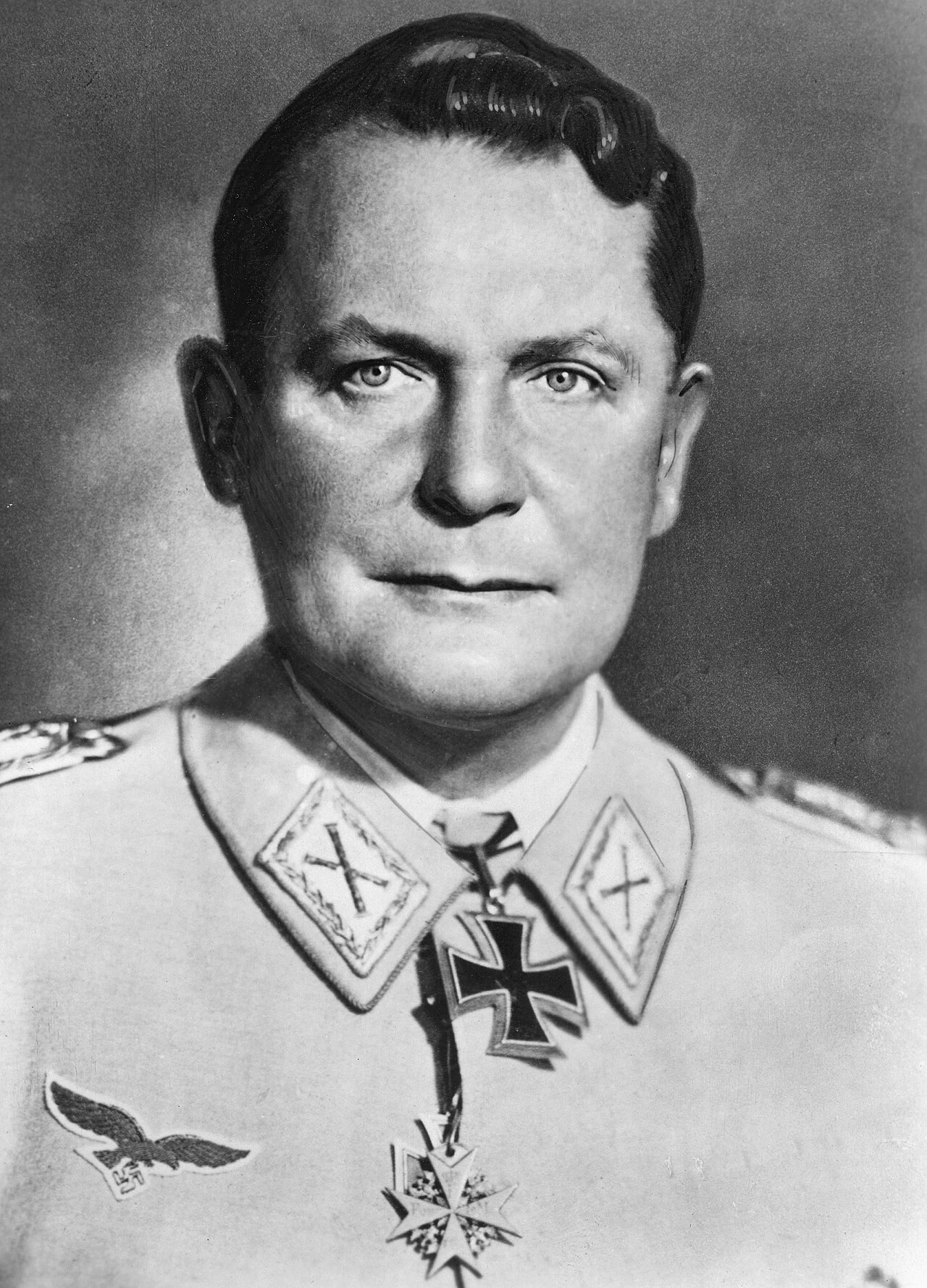
Goering at Carinhall — the promise to Hitler
Goering — the economic mobilization plan
Hitler at Compiègne — 22 June 4:30 p.m.
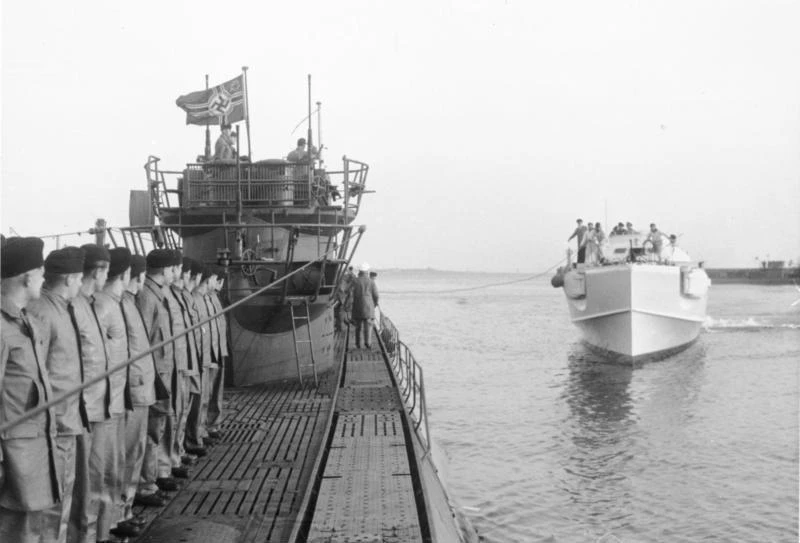
'Where is Prien?' — the fate of a hero
Speer at headquarters - Todt's portfolio
Hitler at the Sportpalast — 30 January, 8 pm
Hitler — the Reichstag Speech
The Indische Legion — Subhas Chandra Bose in Berlin
Welles with Hitler — 2 March 11:00
Brauchitsch — Reich Chancellery, 5 November
Goering at Carinhall — the promise to Hitler
Goering — the economic mobilization plan
Hitler at Compiègne — 22 June 4:30 p.m.