
, 34, had been Hitler's personal architect since 1934 and Generalbauinspektor für die Reichshauptstadt (Inspector General of Buildings for the Reich Capital) since January 1937. In that capacity he led the monumental rebuilding of Berlin — the "Germania" project: capital of a thousand-year Reich with the Grosse Halle (a giant dome, 290 metres high, 16 times the size of St Peter's in Rome), the Volkshalle (15,000 seats), a modified Reichstag, monumental North-South and East-West axes, and colossal railway stations.
As of 1 September 1939 (outbreak of war), Speer had at his disposal: - 130,000 workers on the Germania sites - 300,000 m³ of granite stockpiled in Berlin (imported from quarries in the Reich's Austrian and Czech territories) - Annual budget: 3.2 billion RM (equivalent to 8% of German GDP) - Schedule: completion planned for 1950
With the war, Hitler ordered on 5 September 1939: "Continue Germania at full speed — victory will come quickly, and we must be ready." But the war government (Goering, Funk) demanded that manpower be redirected to the armaments industries.
Speer had to arbitrate between Germania and the war effort.
How should Speer arbitrate between Germania and the war effort?
Speer applied A initially, until January 1940. The Germania sites carried on at full pace — 130,000 workers laboured on the Reichsbahn-Hauptbahnhof Süd, on the foundations of the Grosse Halle, on the Triumphbogen. But on 18 January 1940, after a conference with (Minister for Armaments), Speer obtained from Hitler the compromise of option B: 60% of the workforce moved to armaments production. Speer set up the Speer-Organisation (which after the death of Todt in February 1942 would become the OT — the supreme Organisation Todt). On 8 February 1942, after Todt died in a suspicious aircraft accident, Speer succeeded him as Minister of Armaments and War Production. His revolutionary industrial management (output tripled from 1942 to 1944 despite Allied bombing) prolonged the German war by 18 to 24 months according to historical estimates (). Tried at Nuremberg, sentenced to 20 years (a moderate verdict thanks to his defence strategy of deflecting direct responsibility for the mass crimes — a historiographical debate that is still lively). Released in 1966, he wrote his memoirs (Inside the Third Reich, 1969) — a worldwide bestseller but heavily sanitised. Died in 1981 in London.
Learn more about this event
Related polls
10
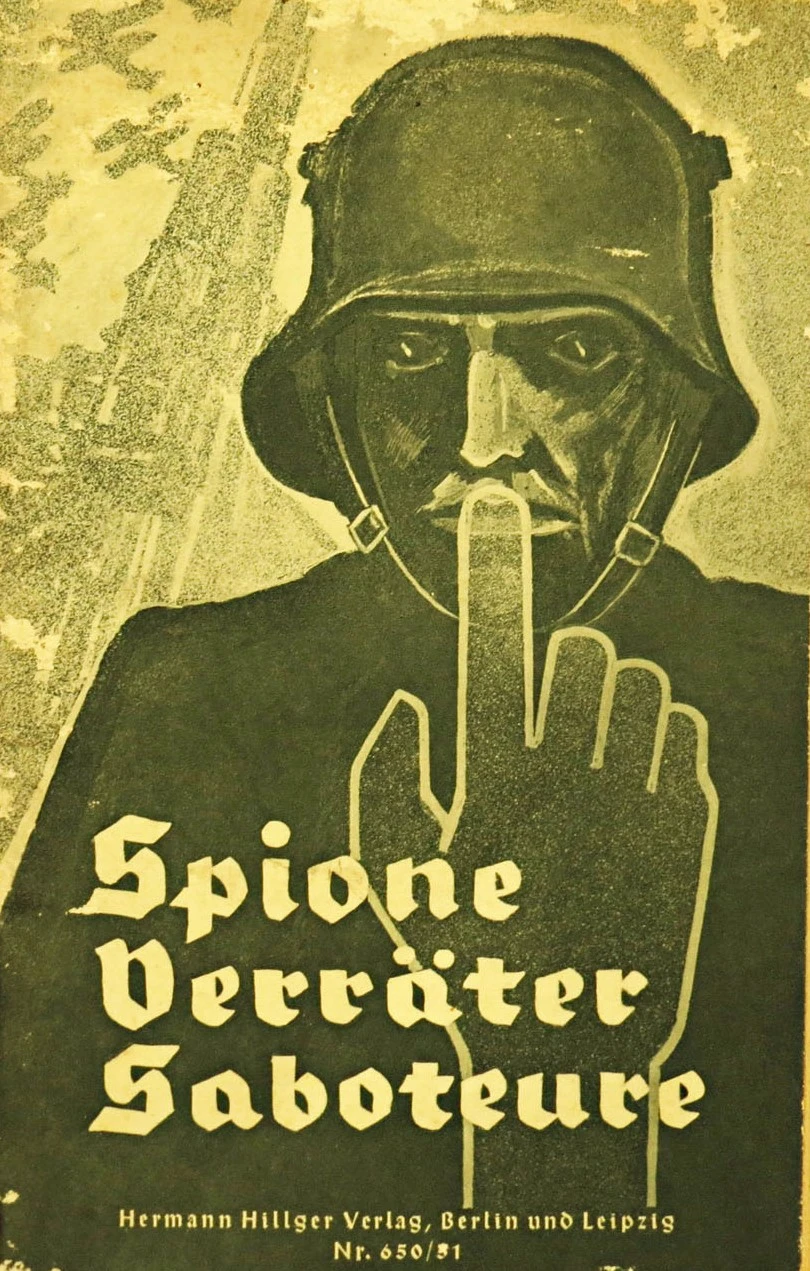
The Karten: Rationing Germany at War
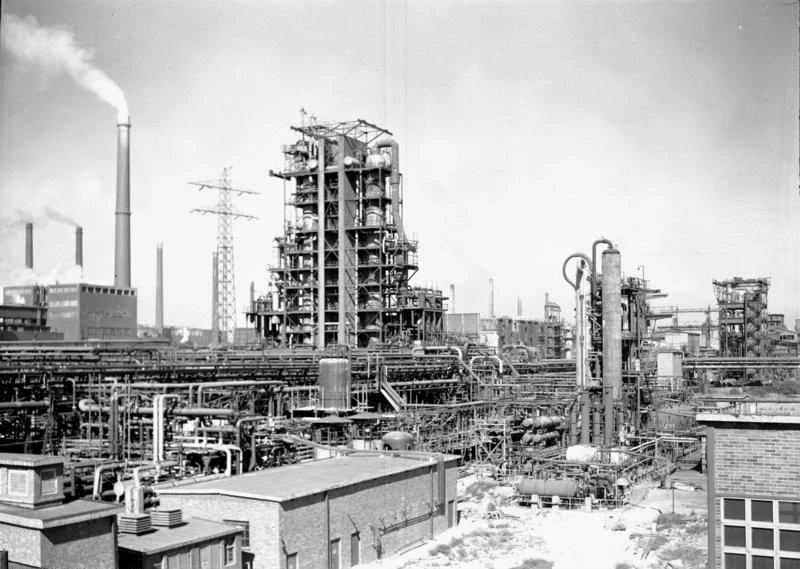
Making oil from coal
Goering — the economic mobilization plan
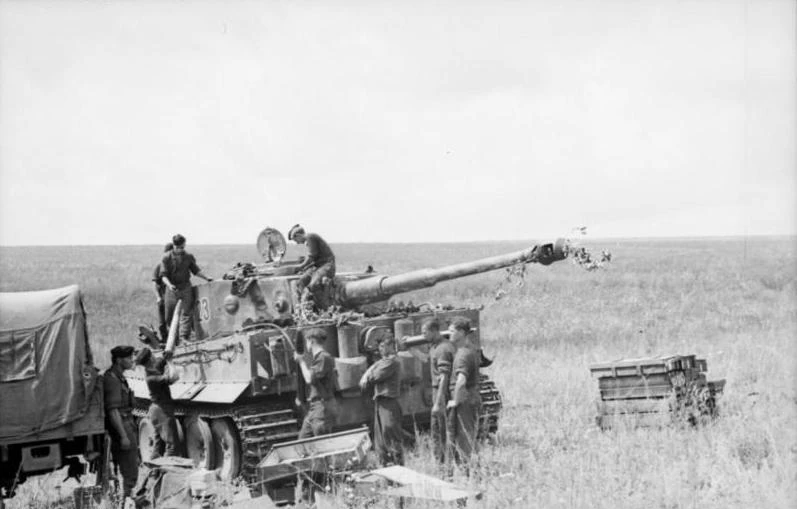
Krupp and the Beast's Cannon
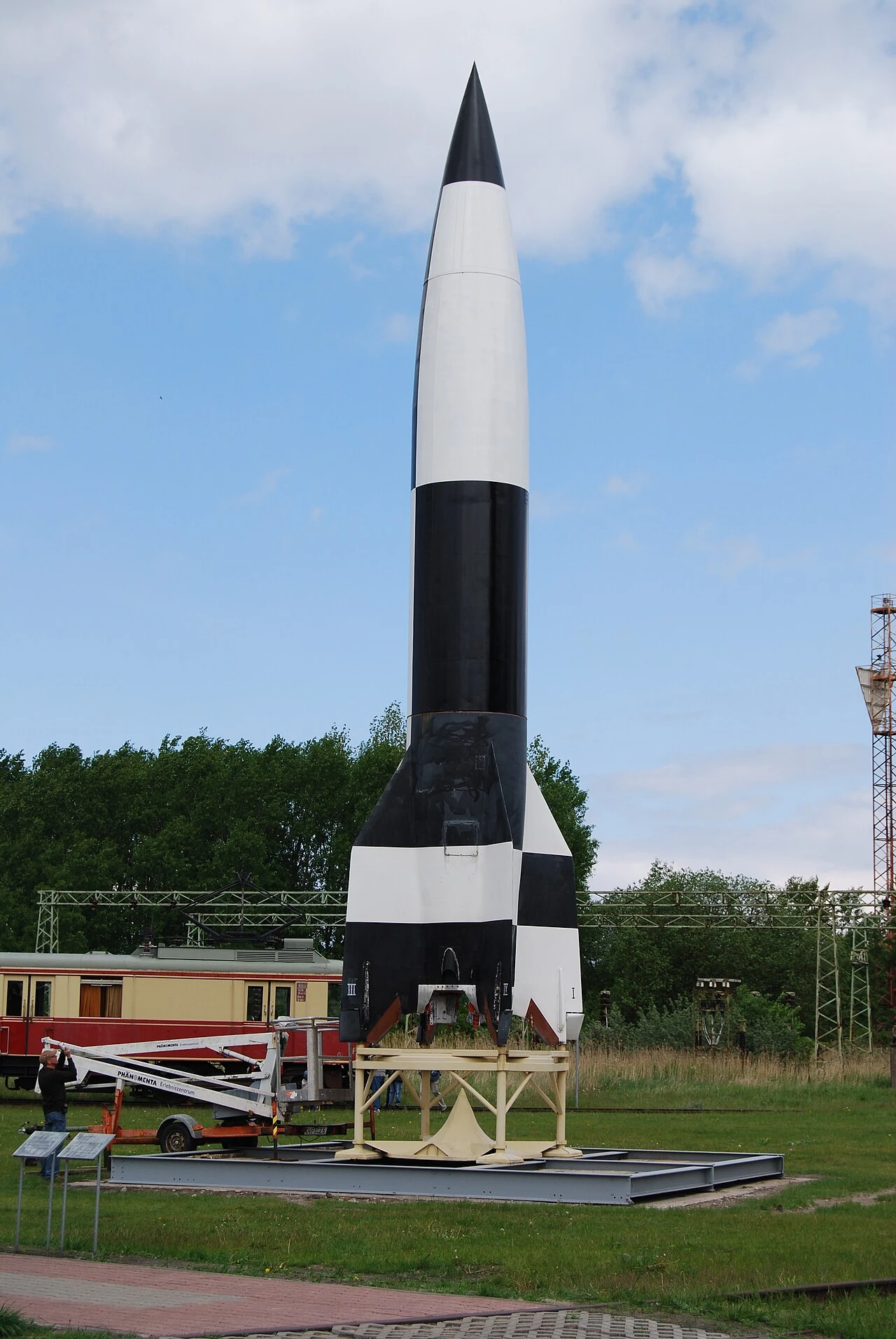
Peenemünde: producing before flying
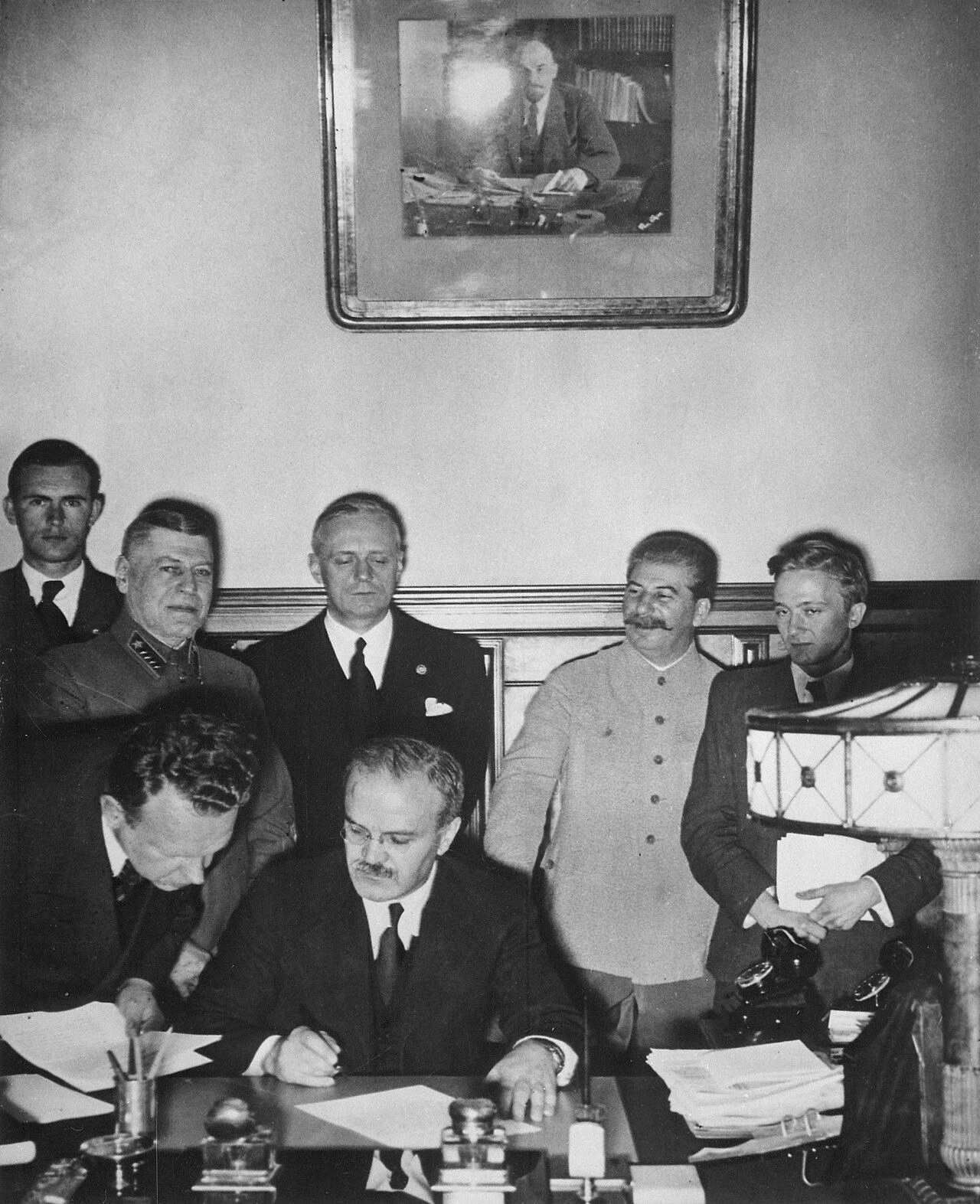
Schnurre in Moscow — the Commercial Agreement
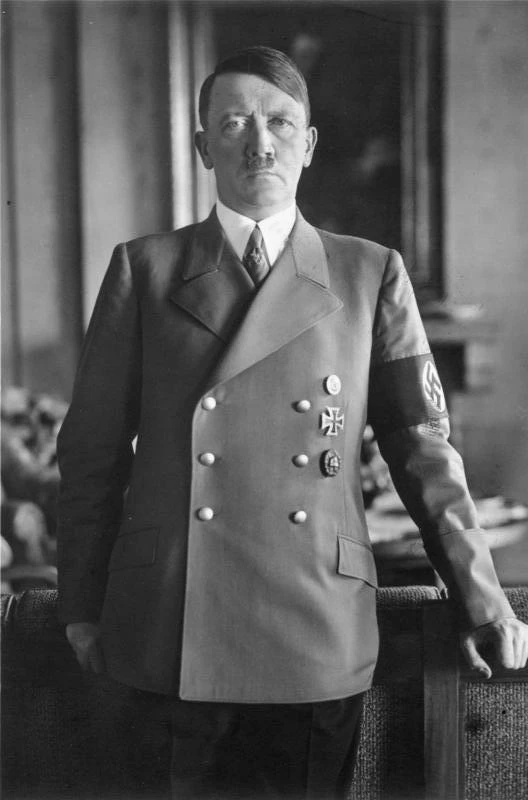
The Obersalzberg Speech
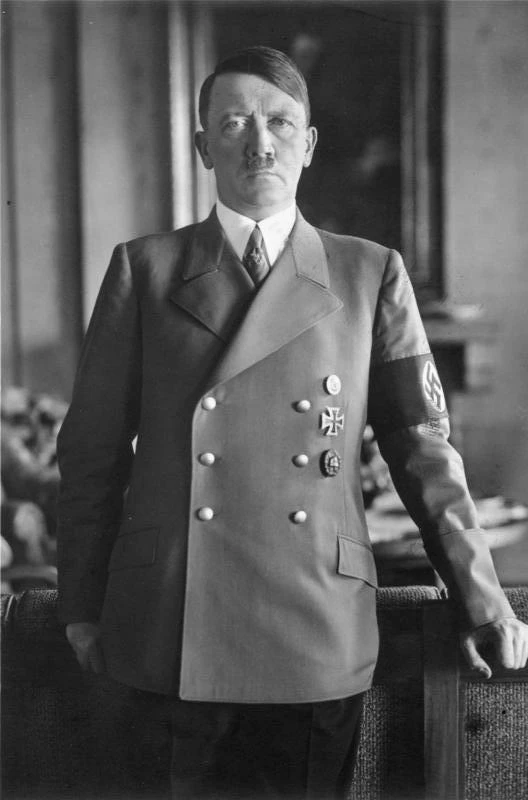
Hitler Postpones Fall Weiss
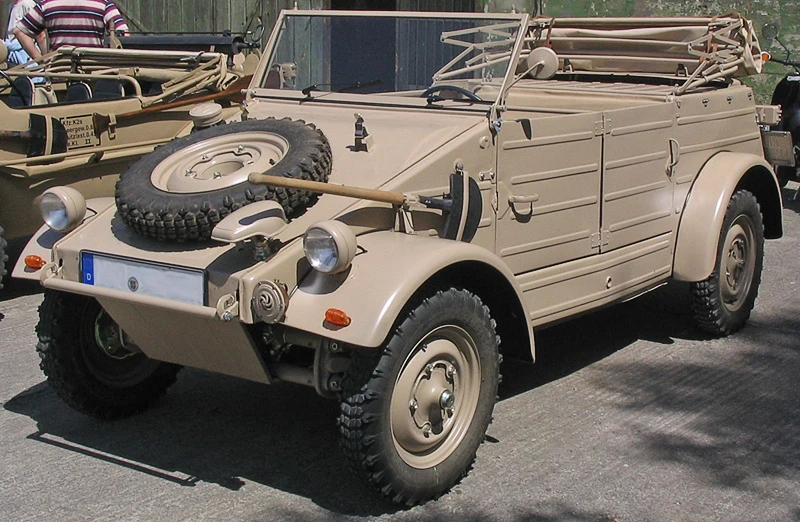
The People's Car Goes to War
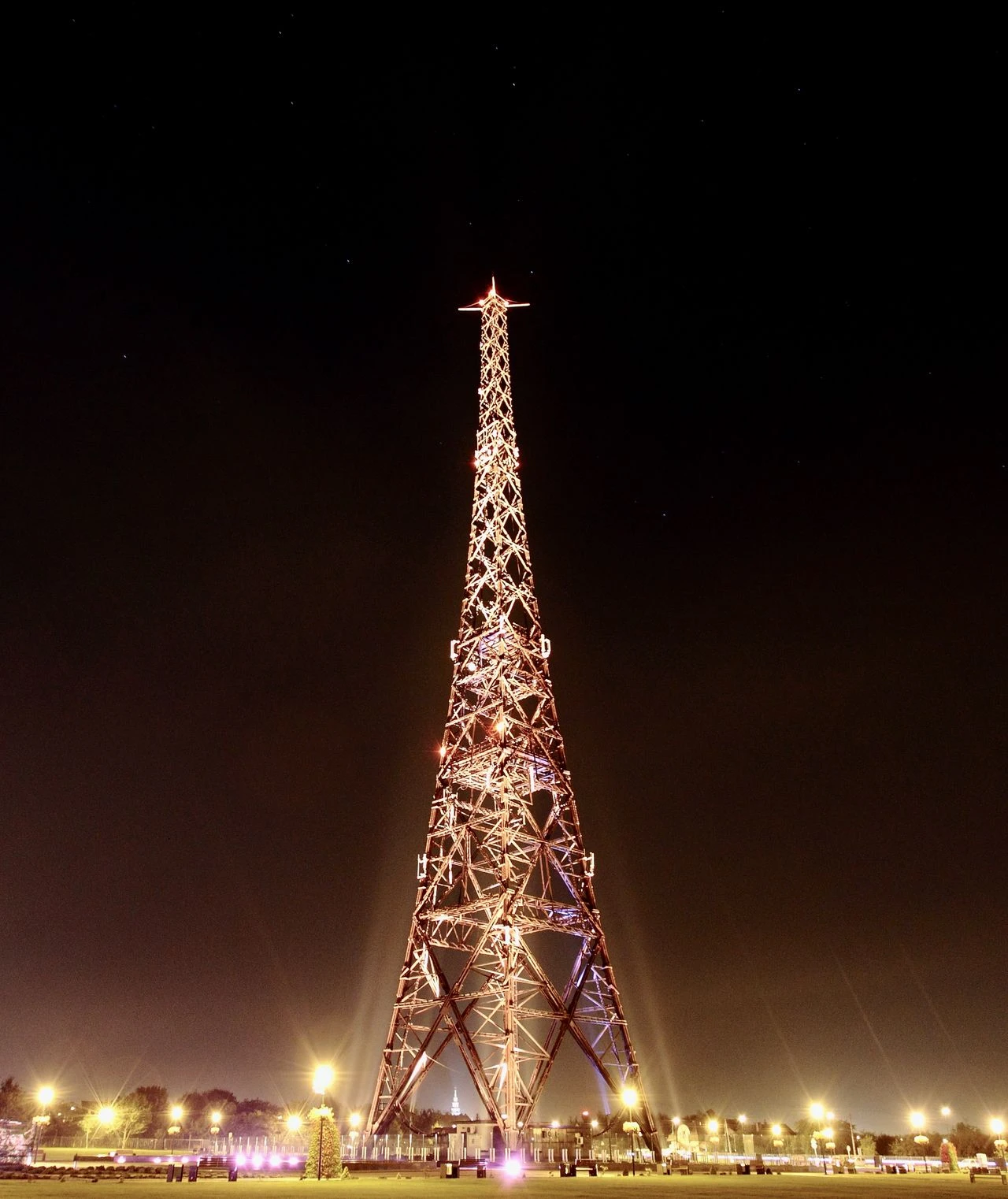
Gleiwitz — Naujocks at the Transmitter
The Karten: Rationing Germany at War
Making oil from coal
Goering — the economic mobilization plan
Krupp and the Beast's Cannon
Peenemünde: producing before flying
Schnurre in Moscow — the Commercial Agreement
The Obersalzberg Speech
Hitler Postpones Fall Weiss
The People's Car Goes to War