
Christian X faces the ultimatum — 9 April
At 04:15 on 9 April 1940, without a declaration of war, German forces invade Norway and Denmark simultaneously. In Denmark: 4 infantry divisions cross the Jutland frontier; Fallschirmjäger seize the bridges of the Little Belt and the Aalborg airfield; the cruiser Hansestadt Danzig lands 800 infantrymen on the quay of Copenhagen harbour.
At 06:00, Berlin presents an ultimatum to Prime Minister : immediate surrender; in exchange, the formal independence of Denmark — regime, monarchy, army — would be preserved. An unprecedented model: a benevolent German "protectorate". The Danish army numbers 16,000 men on active service against 40,000 Germans in the first wave.
King , 70, at once convenes the Council of Ministers at Amalienborg Palace. Present are the Foreign Minister , Stauning, the chief of staff Prior. The situation is without precedent in modern Danish history. Three options emerge within an hour. What are the king and his government to decide?
What must Christian X and Stauning decide at Amalienborg?
and Stauning choose B. At 08:00, ceasefire order. Four hours of fighting: 16 Danish dead, 20 German dead, sporadic exchanges on the Jutland frontier and around Copenhagen. Effective capitulation. remains on the throne, refuses to flee, protests solemnly but accepts protectorate status. The Danish model: Stauning government maintained, Danish army preserved (until August 1943), parliamentary democracy maintained, press free (until 1943). becomes a figure of moral resistance through his daily solitary ride through Copenhagen — a public ritual he maintains throughout the occupation. The legend of the yellow star worn in solidarity with the Jews is, however, historically undocumented. On 29 August 1943, after the radicalisation of Danish resistance, Germany suspends the Stauning government and imposes direct occupation. In October 1943, the evacuation of Danish Jews to Sweden saves 7,220 people — five out of every six Danish Jews. dies in April 1947 at 76.
Learn more about this event
Related polls
10
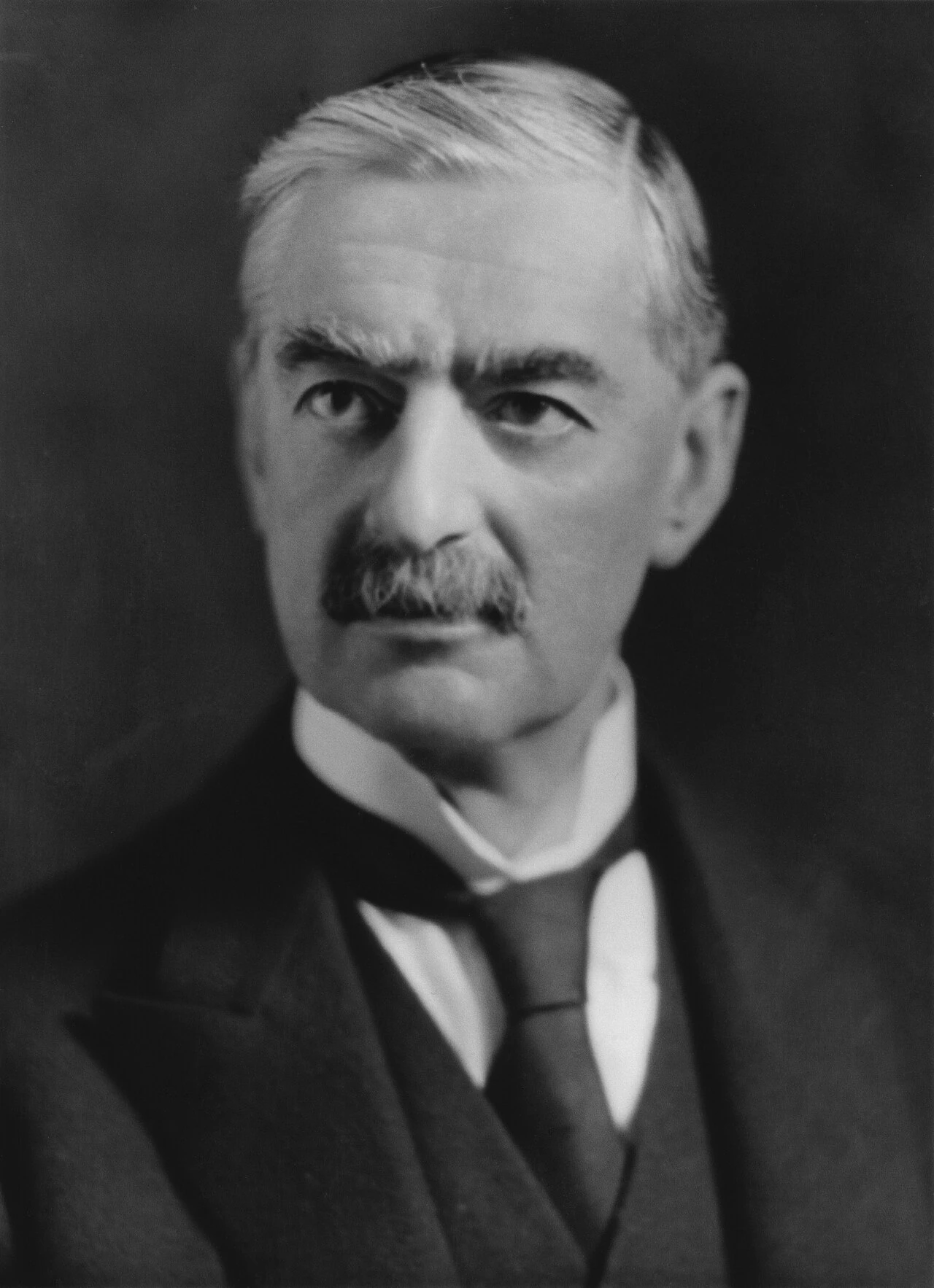
Chamberlain at Central Hall — 4 April
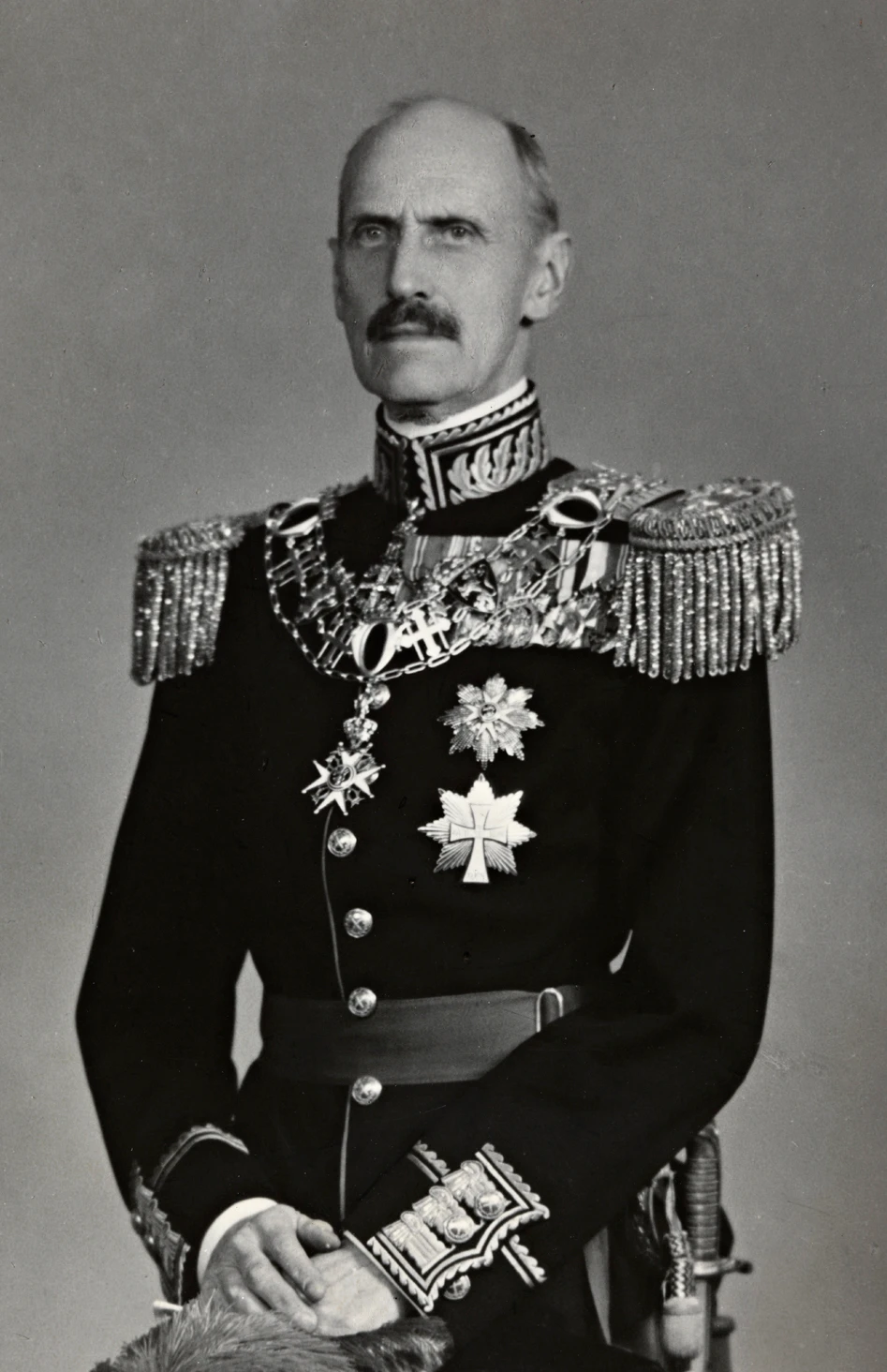
Haakon VII at Nybergsund — 10 April
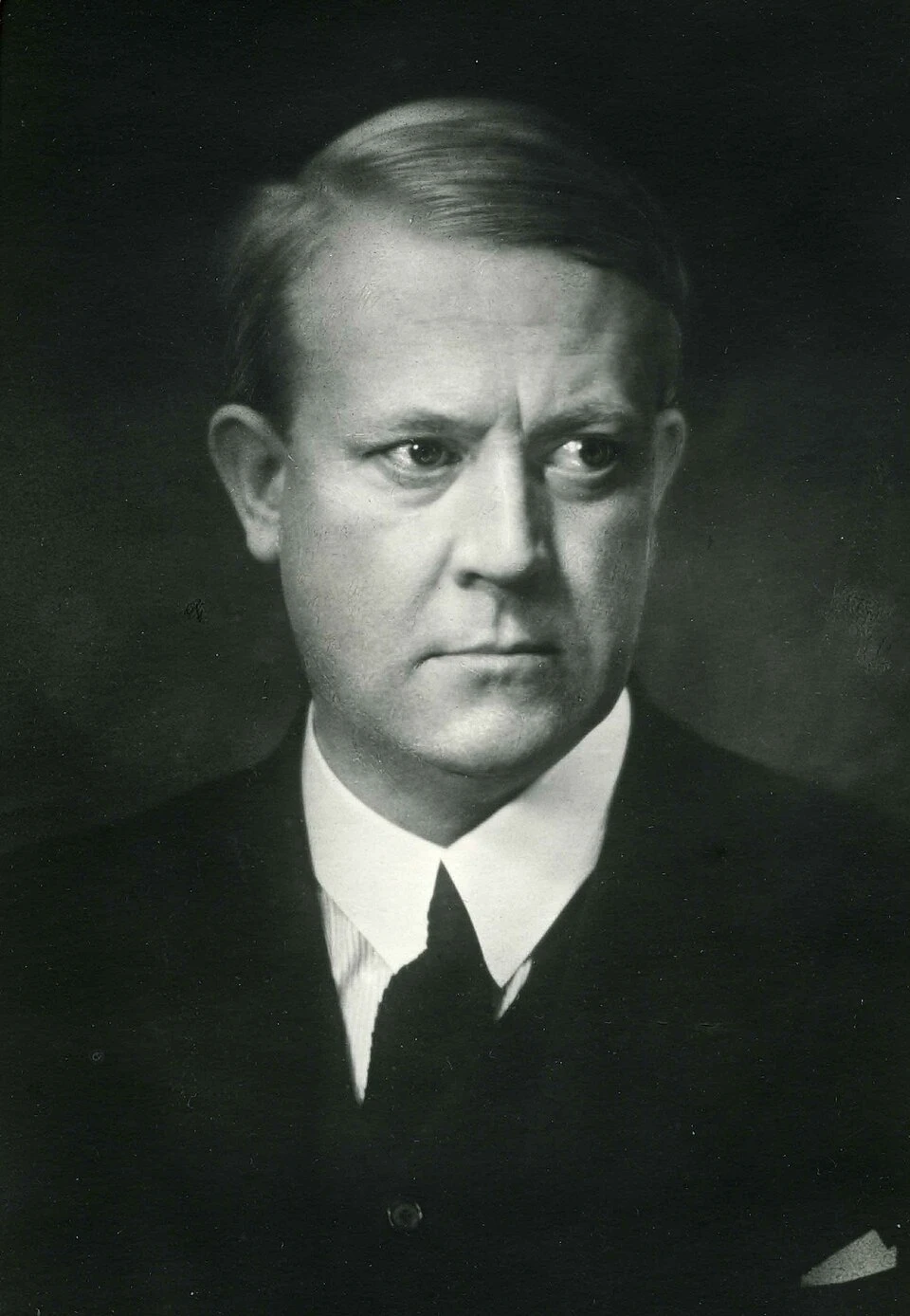
Quisling at Radio Oslo — 19:32

Christian X — Amalienborg, 1 September
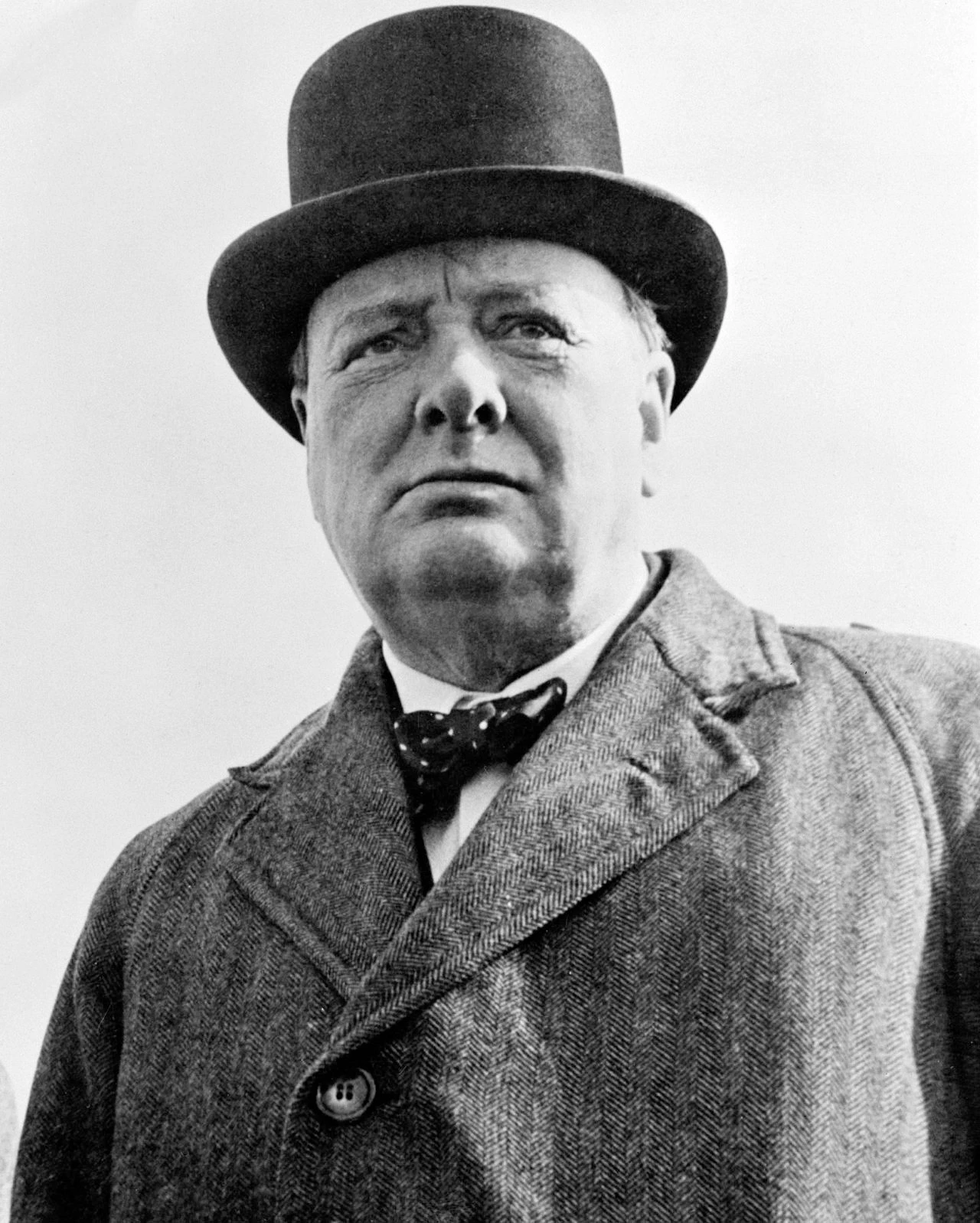
Churchill in power
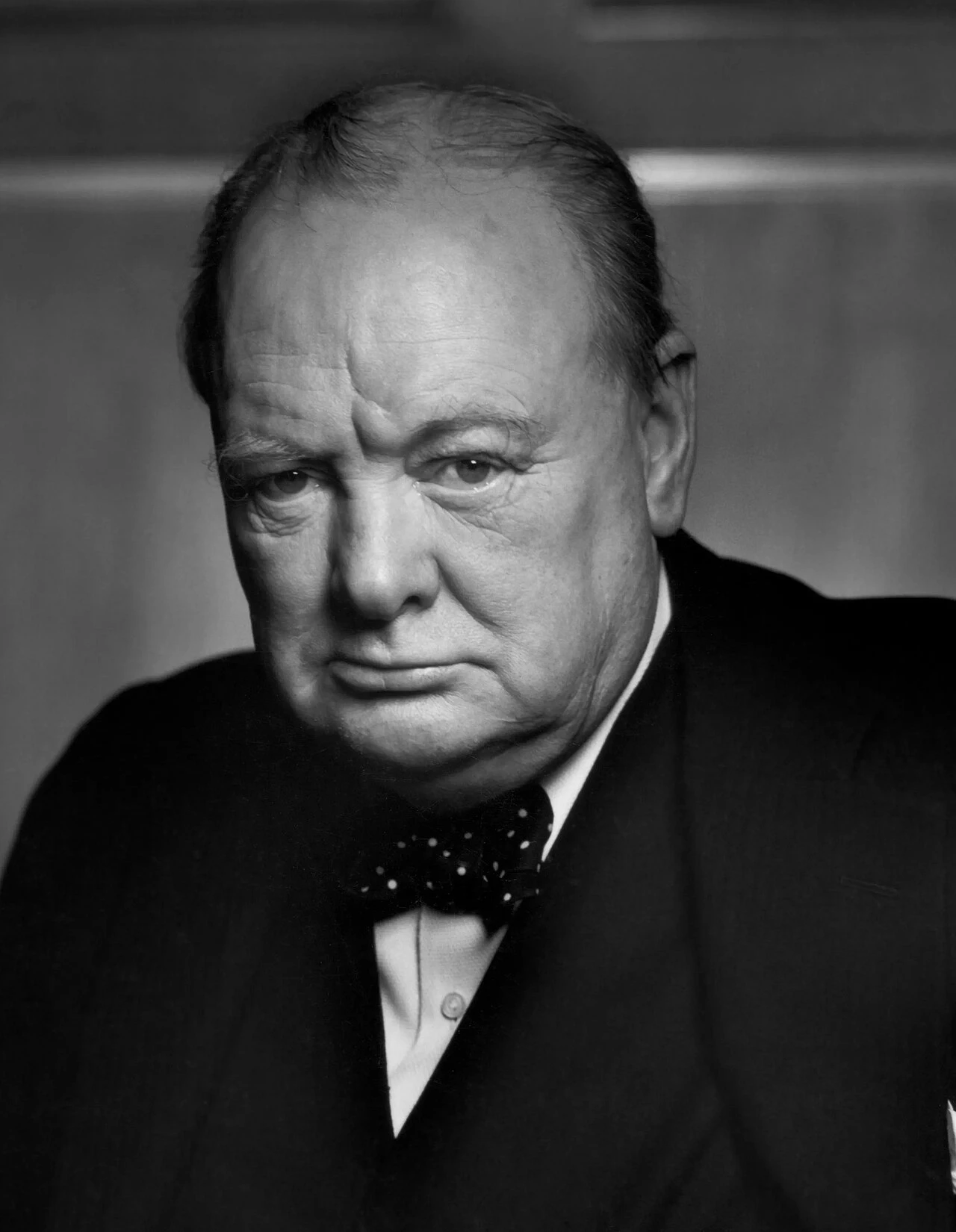
Churchill before the 25 ministers — 28 May 18:00
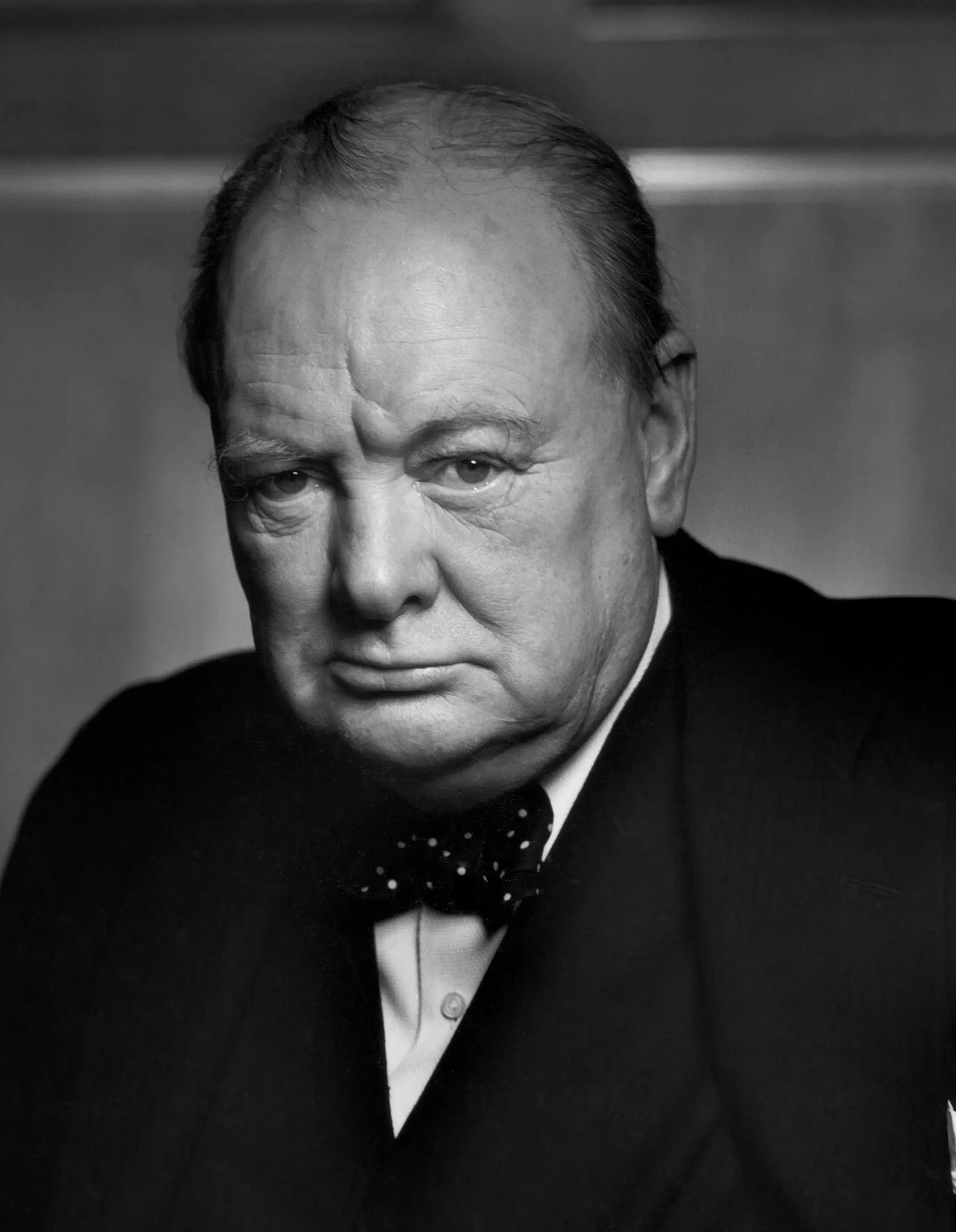
Churchill before the Commons — 4 June
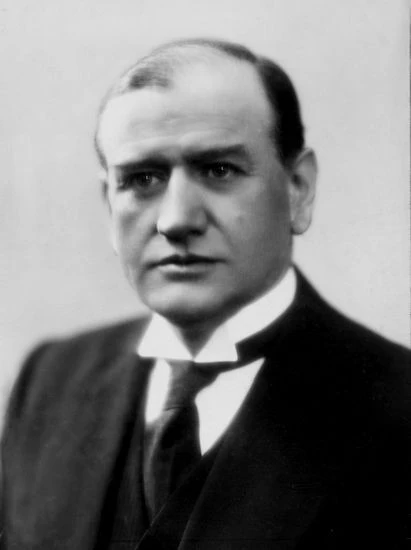
Daladier asked to leave the War Ministry
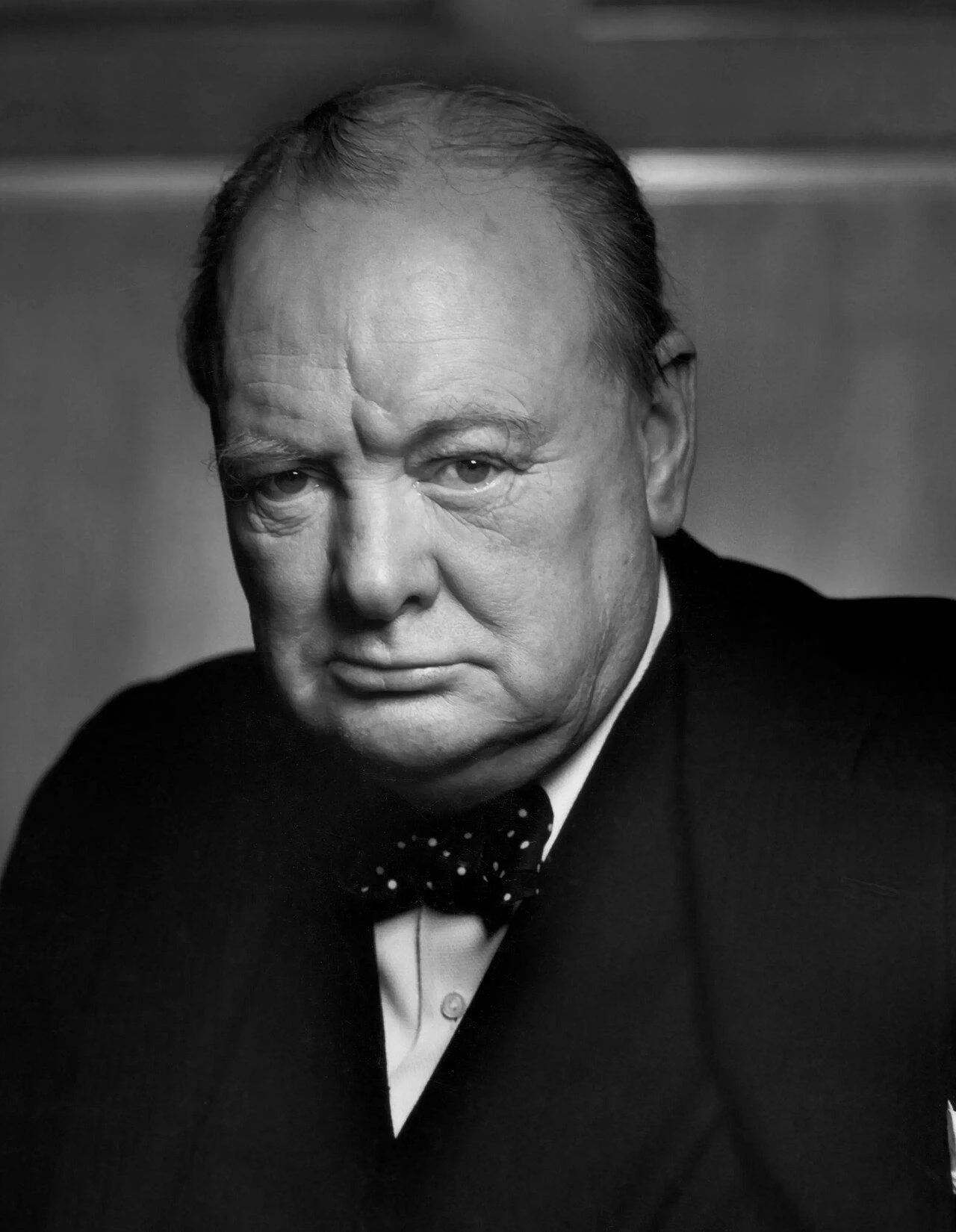
Halifax at the War Cabinet — 25 May 18:00
Hannah Arendt, Stateless and Interned, Facing Exile
Chamberlain at Central Hall — 4 April
Haakon VII at Nybergsund — 10 April
Quisling at Radio Oslo — 19:32
Christian X — Amalienborg, 1 September
Churchill in power
Churchill before the 25 ministers — 28 May 18:00
Churchill before the Commons — 4 June
Daladier asked to leave the War Ministry
Halifax at the War Cabinet — 25 May 18:00