
In mid-May 1940, the Allied armies of the North — French, British and Belgian — risk encirclement as the German armour reaches the Channel. Coordination between these forces of different nationalities is vital, and it is the French General who is in charge of it, by delegation from Generalissimo Gamelin.
Billotte is the pivot of joint action: it is he who must harmonise the withdrawal and counter-attack plans of the British Expeditionary Force, the Belgian army and the encircled French armies. Without coordination, each will act for itself, and the German noose will close more quickly.
The Allied command, at this stage, depends largely on a single man and his ability to impose a concerted manoeuvre. The system can rest on Billotte as sole coordinator, designate clear deputies in advance to guard against any failure, or decentralise the decision among the national commanders. The fragility of a personalised coordination is about to be revealed in tragic fashion.
Should the coordination of the armies of the North rest on Billotte alone, provide for designated deputies, or be decentralised?
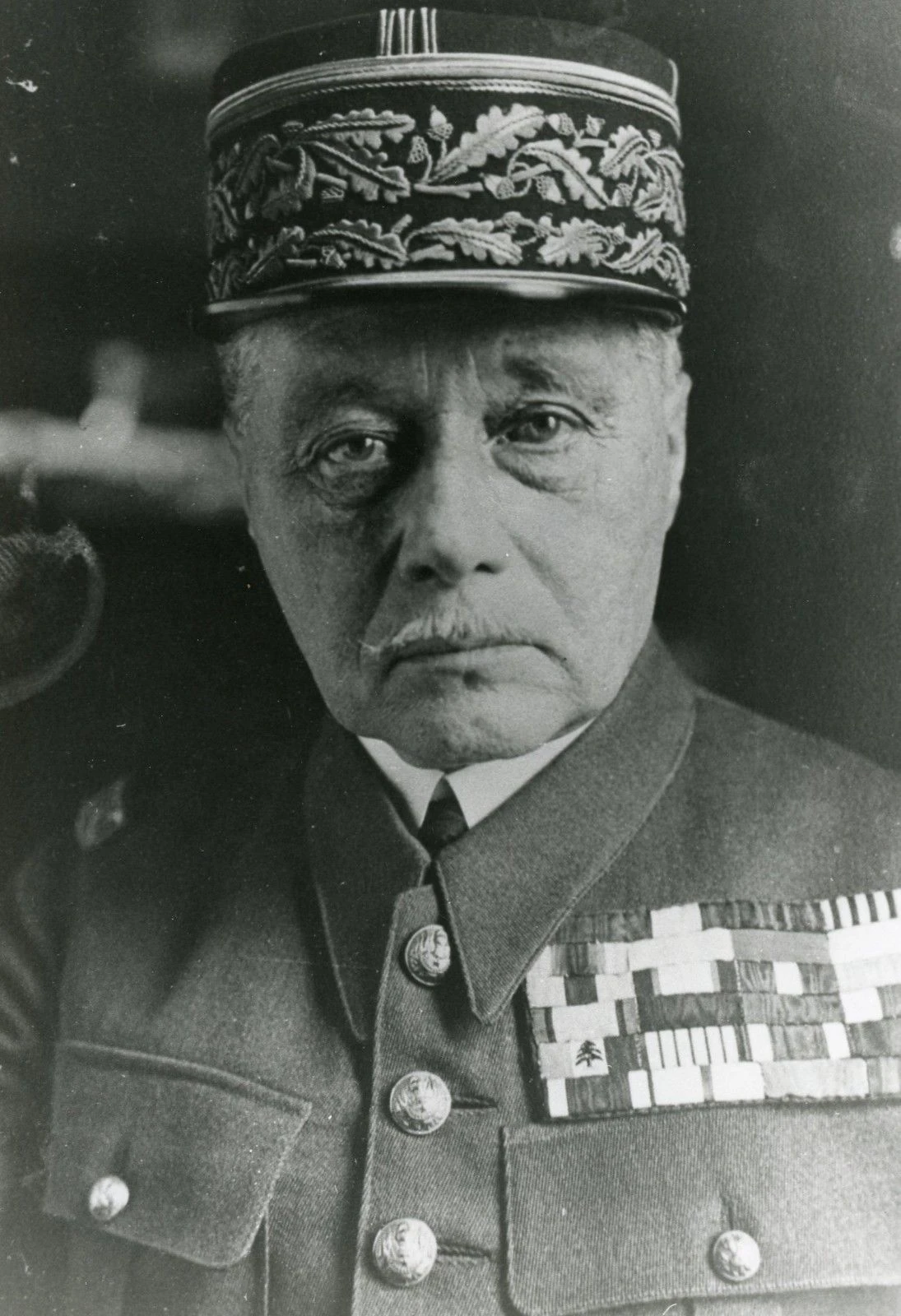
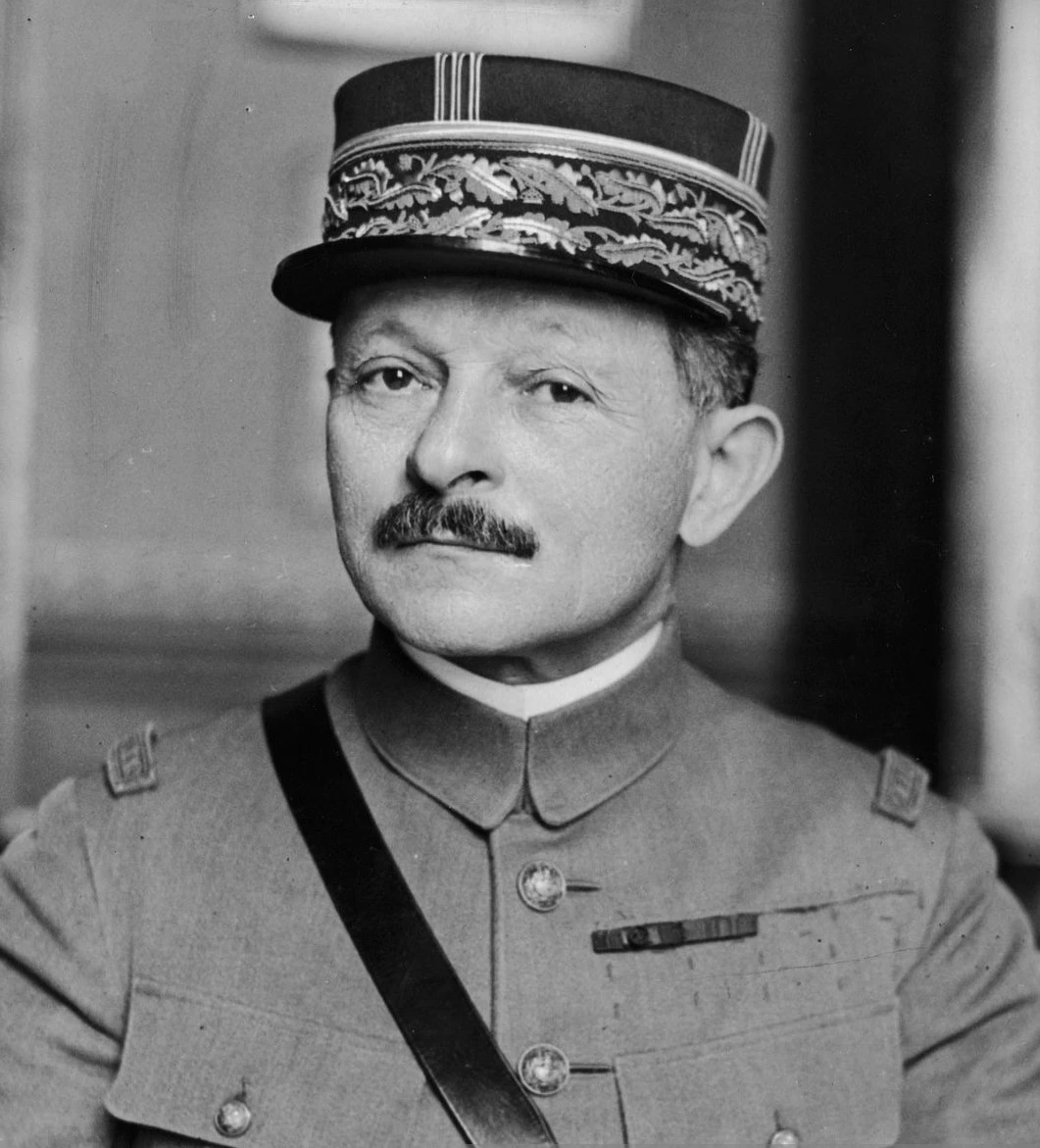
The arrangement rests in effect on A — and fate intervenes: on 21 May 1940, leaving an inter-Allied conference at Ypres where a concerted counter-attack was at last taking shape, Billotte is gravely injured in a car accident; he dies two days later. His loss deprives the armies of the North of their only coordinator at the most critical moment, and it would take several days to replace him (by Blanchard). This vacancy of command disorganises the final attempt at an Allied counter-attack and precipitates the British decision to withdraw on Dunkirk. The episode illustrates the fragility of an over-personalised coordination: the loss of a single man is enough to paralyse a coalition on the brink of the abyss.
Learn more about this event
Related polls
10
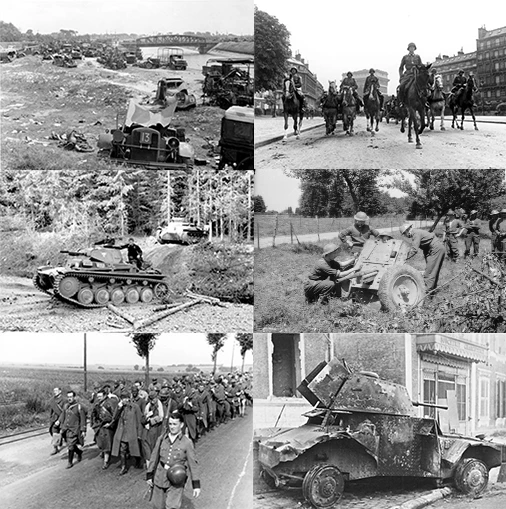
The reckoning of a campaign
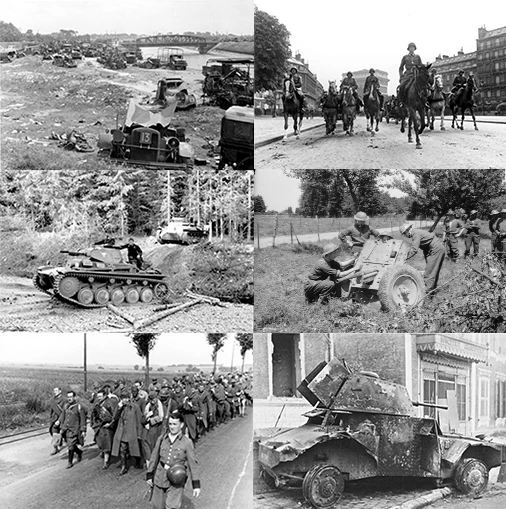
The Campaign's Toll — 10 May to 25 June
Commanding a battle without radio
The aborted Weygand counter-attack
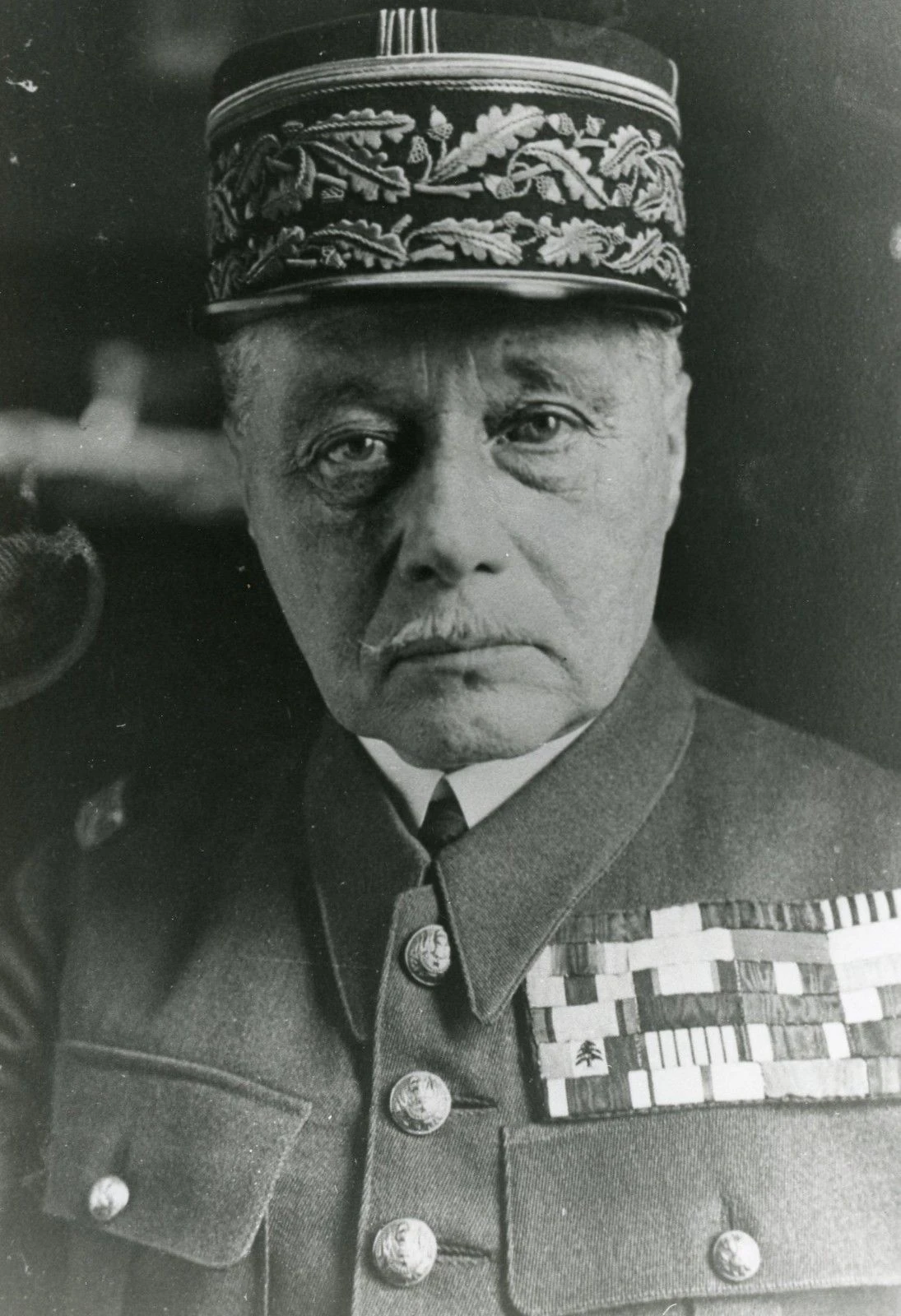
Gamelin, one last order before the envelope
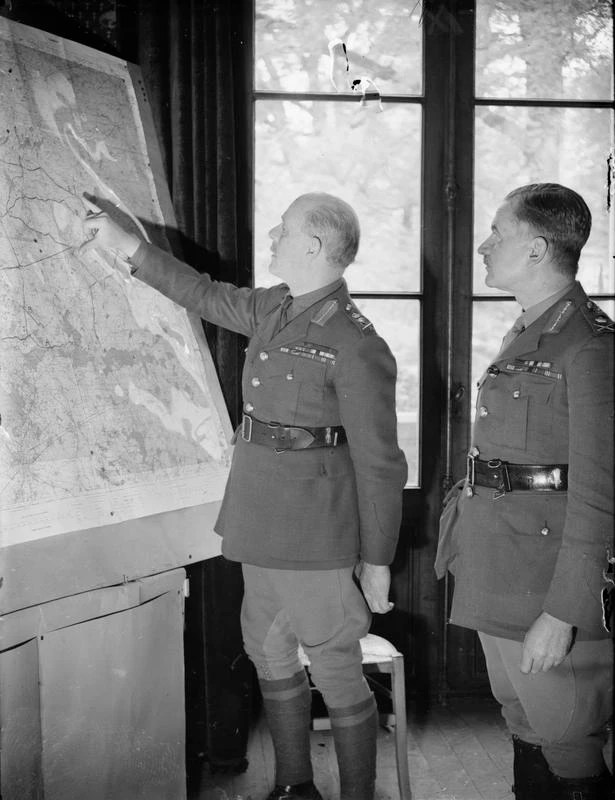
Gort at Habarcq — trust in the French plan
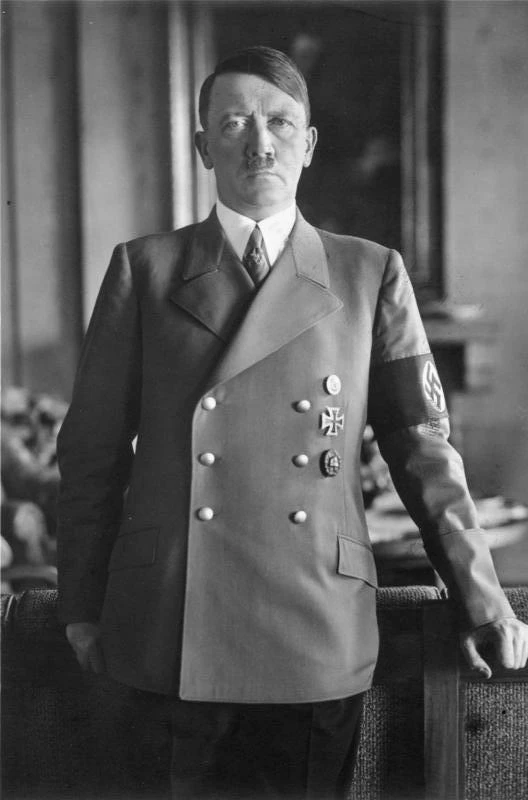
Guderian and the stop order
Halt-Befehl — Charleville 24 May 12:30
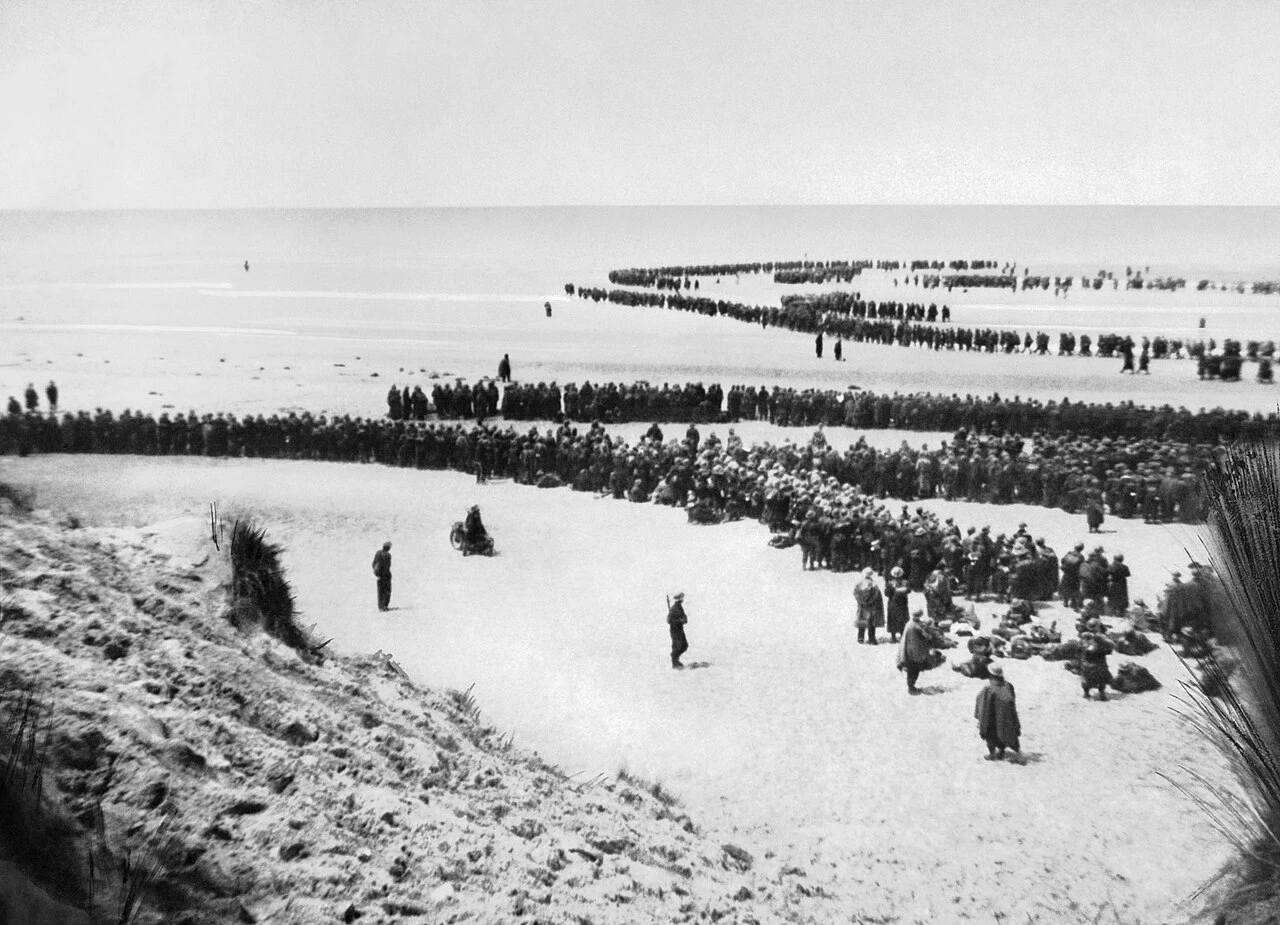
The "Halt Order" before Dunkirk
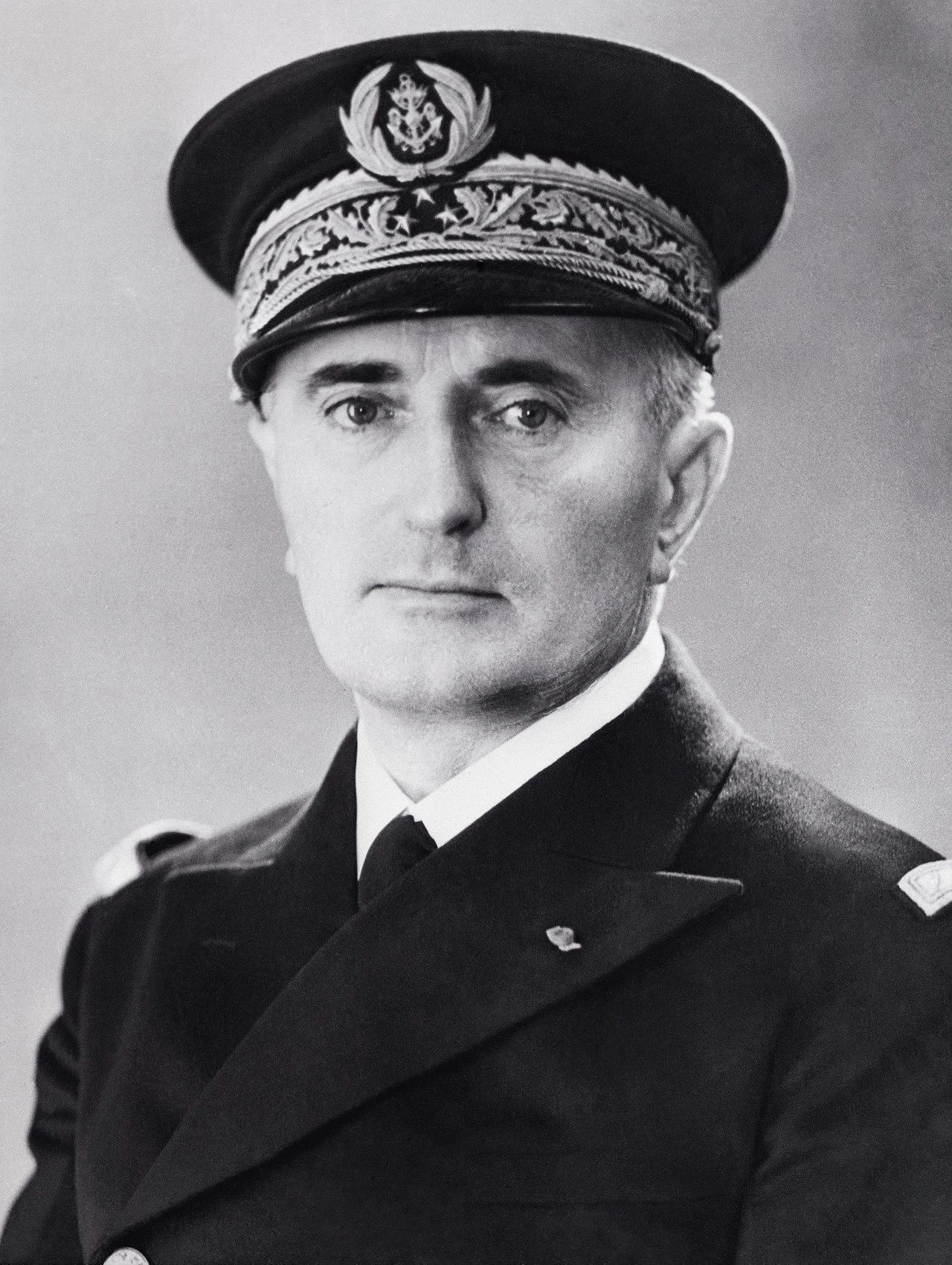
The French navy disperses
The reckoning of a campaign
The Campaign's Toll — 10 May to 25 June
Commanding a battle without radio
The aborted Weygand counter-attack
Gamelin, one last order before the envelope
Gort at Habarcq — trust in the French plan
Guderian and the stop order
Halt-Befehl — Charleville 24 May 12:30
The "Halt Order" before Dunkirk