
Héring — Paris open city, 13 June
General , military governor of Paris since late May 1940, commands the "fortified region of Paris" — on paper 200,000 men, in reality an exhausted and ill-equipped territorial infantry. On the morning of 13 June, German vanguards are reported at Senlis, some forty kilometres to the north.
Generalissimo Weygand settled the matter on 11 June: Paris is declared an open city. The troops are to evacuate without fighting, to spare the capital the fate of Warsaw in 1939 or Rotterdam on 14 May. Defending Paris in its suburbs would cost tens of thousands of civilian lives and the destruction of the city.
For an officer, the order carries a humiliating edge. But the practical stakes for Héring are now these: how to carry out this abandonment without provoking street fighting or a collapse of public order, while the remaining population must be held and the transition to the occupier managed without incident.
How should Héring apply the open-city order?
Héring goes with B. On the evening of 13 June the military evacuation order is given; the municipal police, under Prefect Roger Langeron, remain at their posts to maintain order. In the early morning of 14 June, the first elements of the enter Paris from the north, meeting no resistance. No street fighting, no destruction: the open-city choice has spared the capital. Héring will briefly remain military governor before being set aside. The decision, militarily bitter, is now judged to have saved Paris — at the price of a lasting image of surrender without a fight.
Learn more about this event
Related polls
10
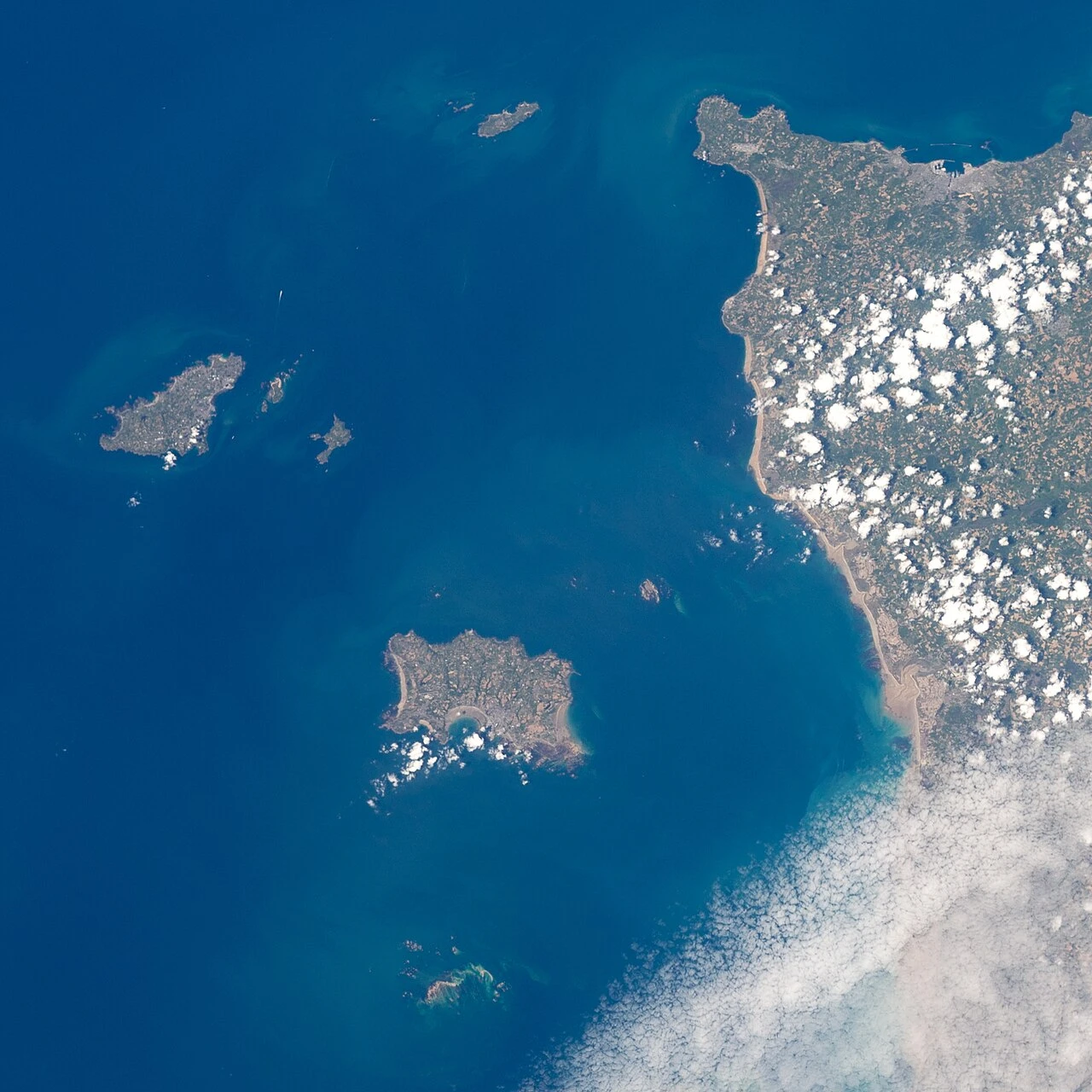
The Channel Islands — open city?
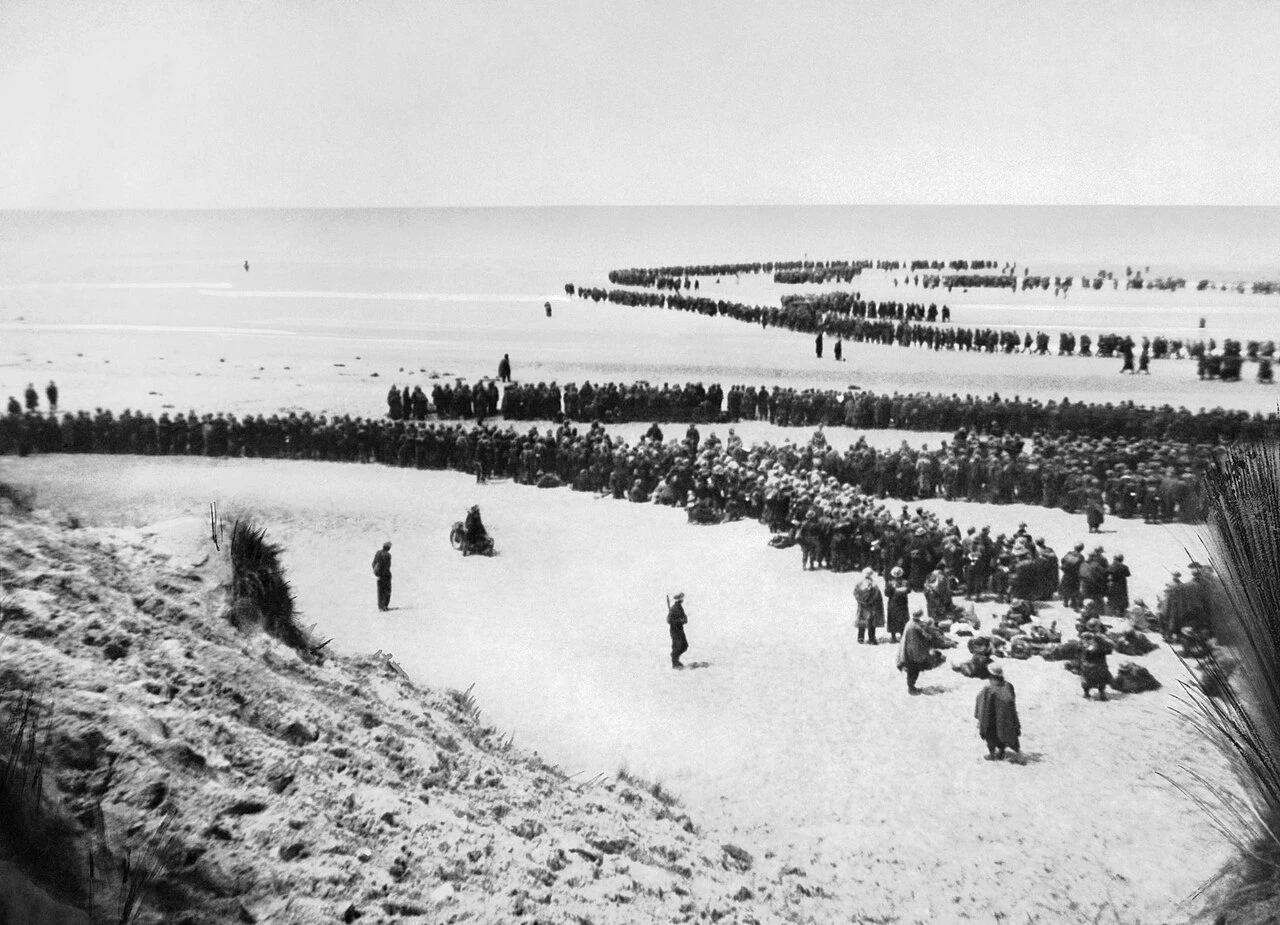
Dunkirk: holding the line under the bombs
Hannah Arendt, Stateless and Interned, Facing Exile
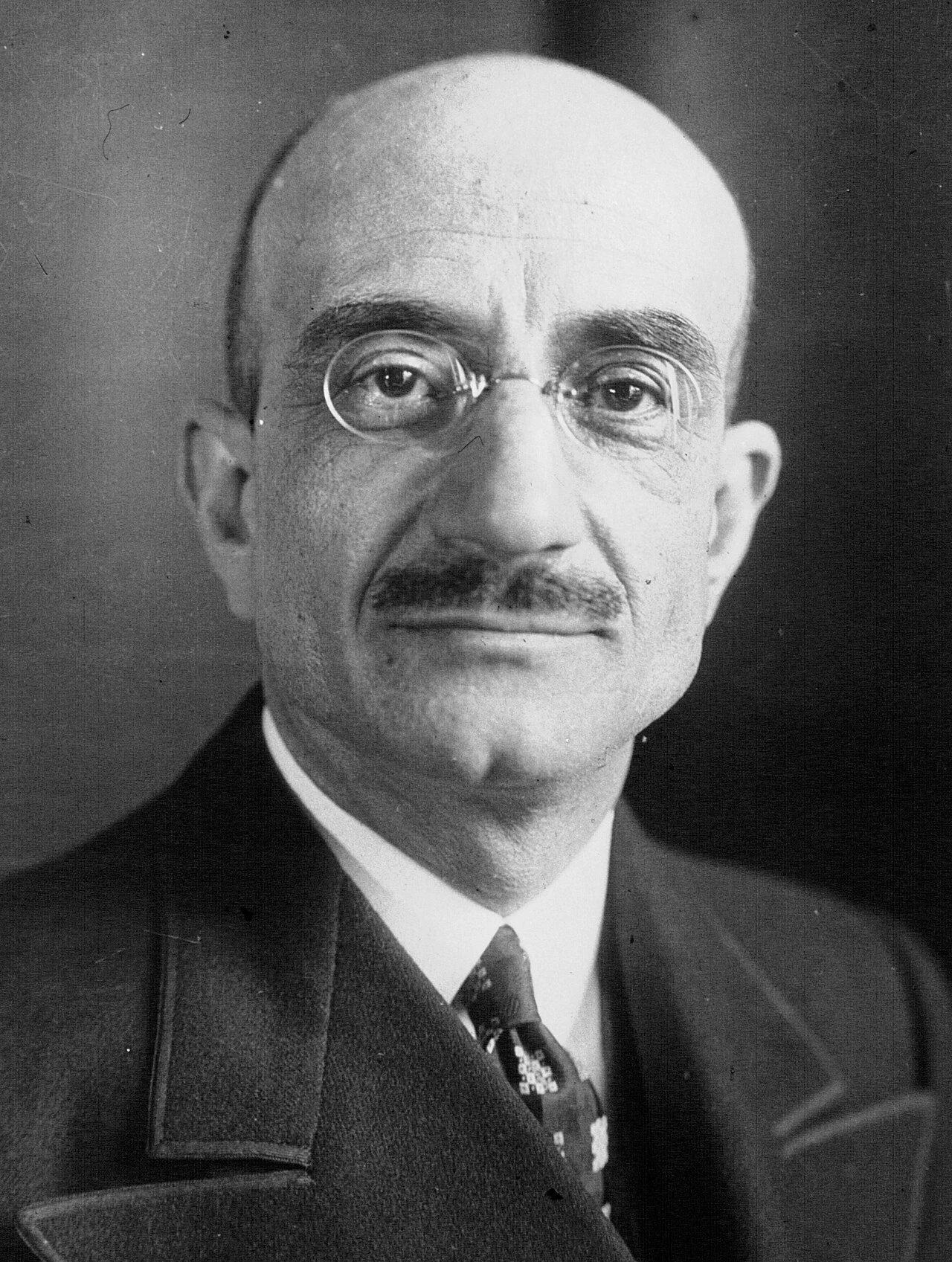
Langeron — Prefecture of Police, 14 June
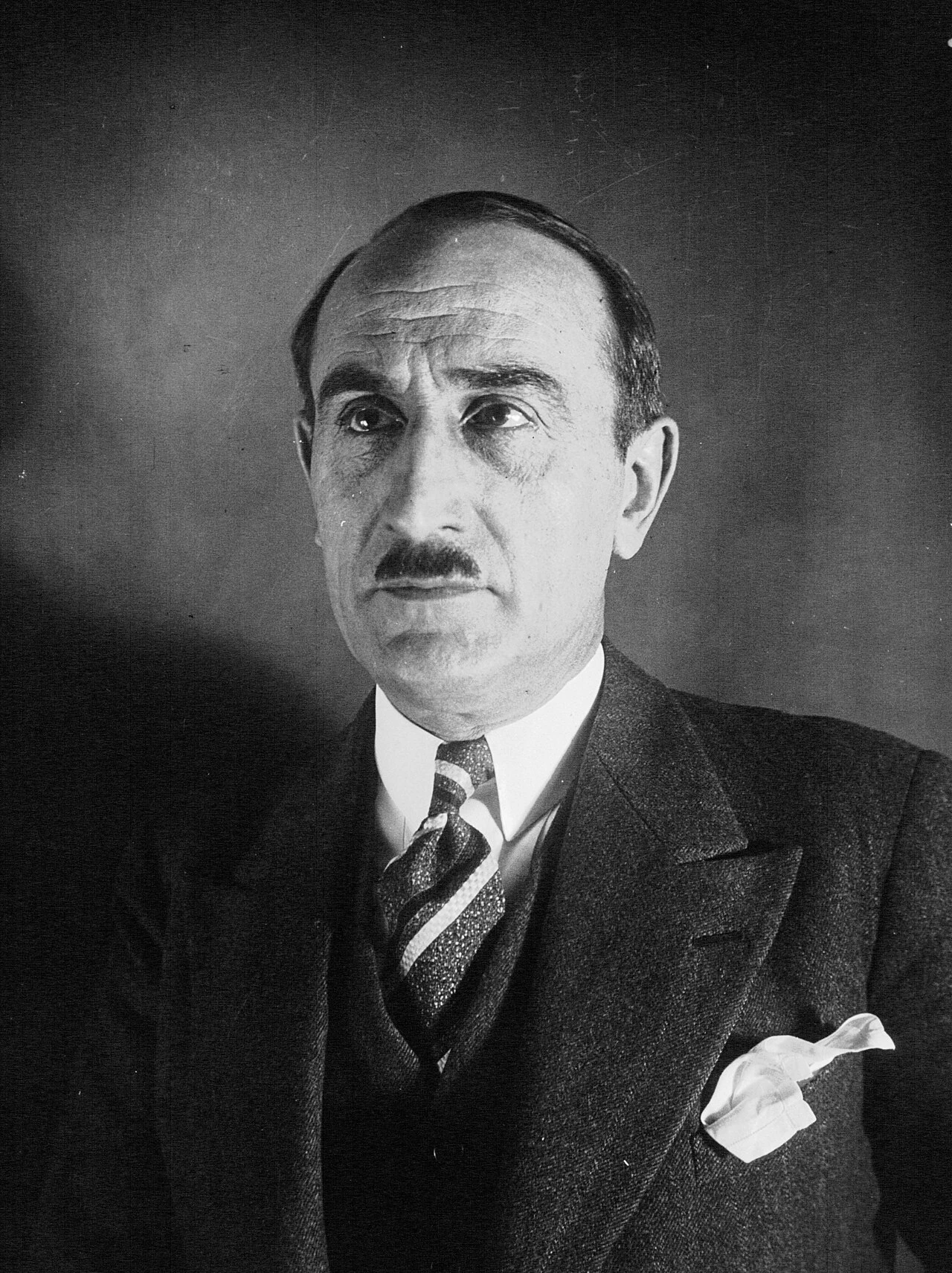
Marquet — Bordeaux overwhelmed, 12 June
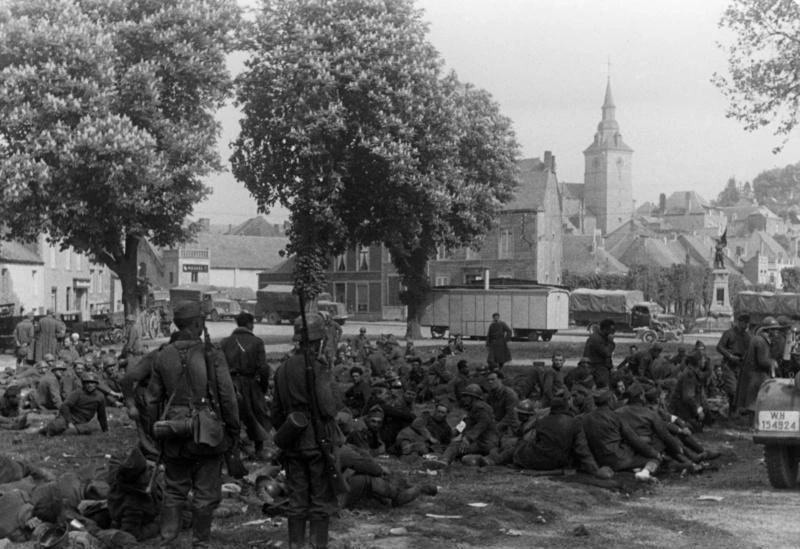
The Flamenpolitik of the Prisoners of War
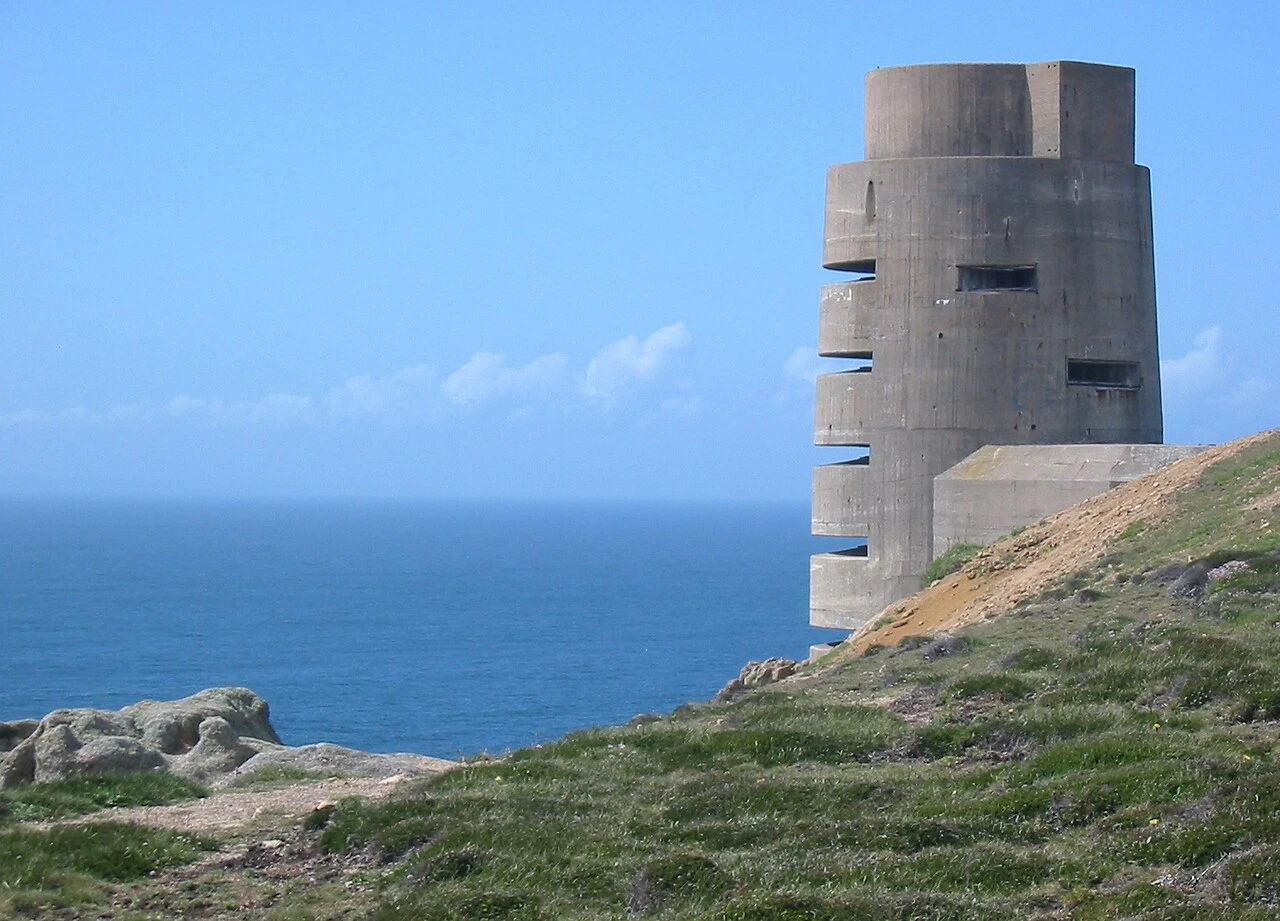
The fate of the Channel Islands
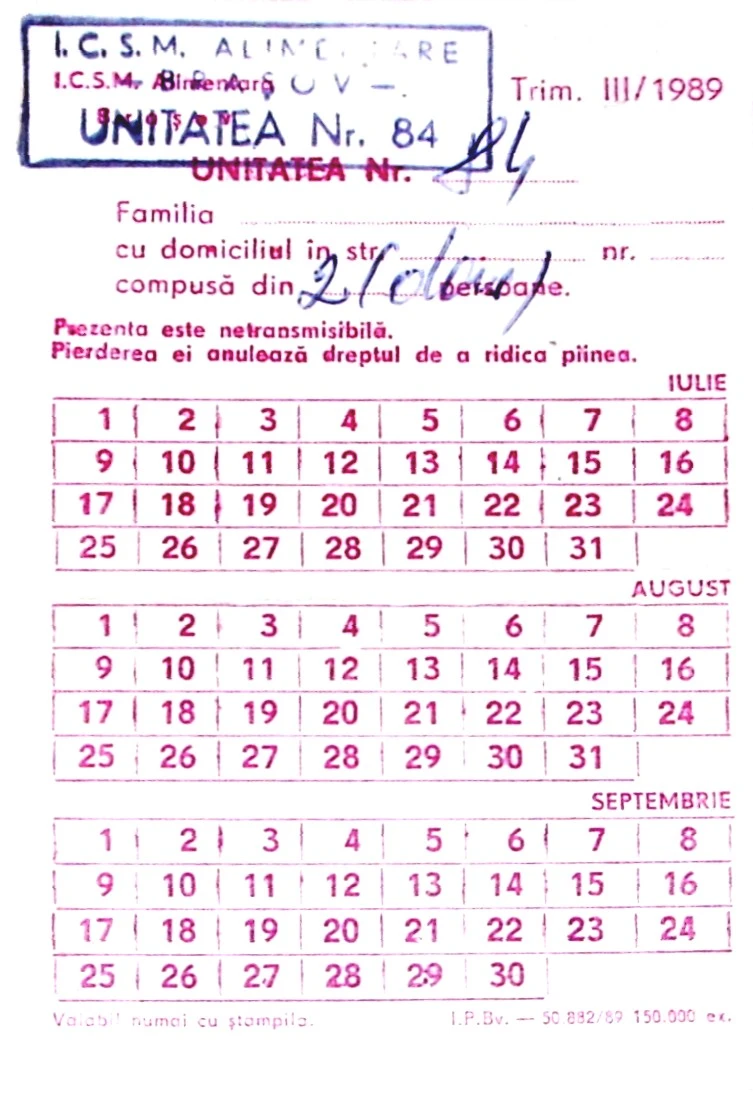
France's March 1940 Ration Card
The Forbidden Zone of Alsace — what to do with the civilians of the Rhine?
The French Conscript of the Phoney War
The Channel Islands — open city?
Dunkirk: holding the line under the bombs
Hannah Arendt, Stateless and Interned, Facing Exile
Langeron — Prefecture of Police, 14 June
Marquet — Bordeaux overwhelmed, 12 June
The Flamenpolitik of the Prisoners of War
The fate of the Channel Islands
France's March 1940 Ration Card
The Forbidden Zone of Alsace — what to do with the civilians of the Rhine?