
The burgomaster faced with requisitions
At the local level, it was the burgomaster who found himself on the front line facing the occupier. The German military administration demanded all manner of services from the municipalities: requisitions of lodgings, foodstuffs, vehicles and labour, the provision of lists, the posting of ordinances. The burgomaster was the obligatory intermediary between the occupier and his administered population.
For you, the burgomaster, each demand posed a matter of conscience. To cooperate fully so as to spare your municipality reprisals and keep control of the local administration. To resist passively, by dragging your feet, minimising, "not understanding" the orders, at the risk of sanctions. Or to resign so as not to compromise yourself, leaving the place to a possibly more zealous collaborator.
The stakes were delicate: too much zeal, and one became an accomplice; too much resistance, and one exposed the population to the harshness of the occupier or to one's replacement by a figurehead. Like the secretaries-general at the national level, the burgomaster embodied the daily dilemma of the administrative "lesser evil".
Should our burgomaster cooperate fully, resist passively, or resign?
Attitudes varied enormously according to the men and the places. Many practised a mixture of A and B: one carried out the indispensable to protect the municipality, while slowing, concealing or cushioning whatever could be. Some burgomasters resisted actively (at the cost of dismissal or arrest); others, especially after the replacement of office-holders by collaborators (notably via the VNV or Rex from 1941), applied the orders zealously. The occupier indeed pushed for the appointment of burgomasters won over to its cause. The role of the burgomasters, like that of the whole administration, would be sharply judged at the Liberation, in all its shades of grey.
Learn more about this event
Related polls
10
The Repatriation of the Refugees
Rebuild or Wait

The Red Cross and the Missing
The Press under German Control
Provisioning and the Black Market
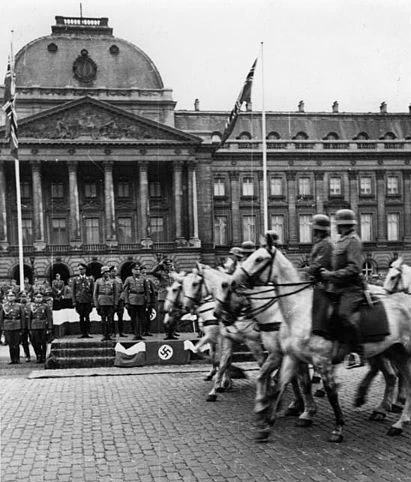
Going back to work under the occupier
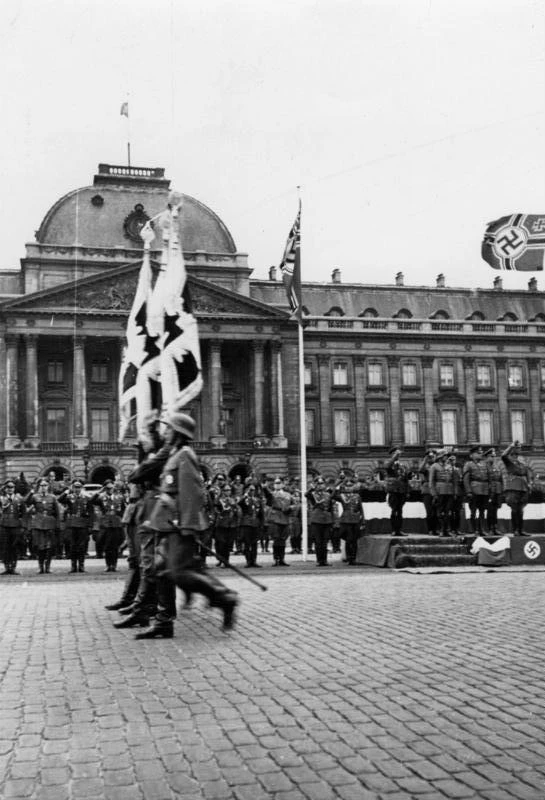
Resuming a "Normal" Life
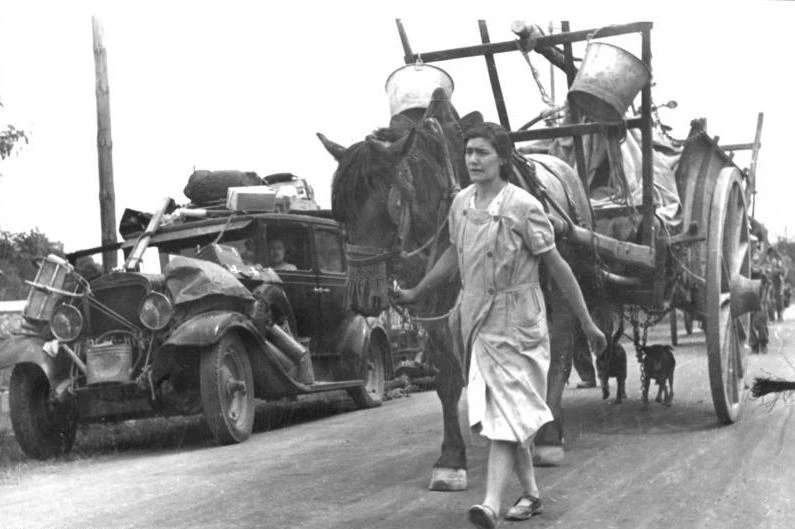
The return from the exodus
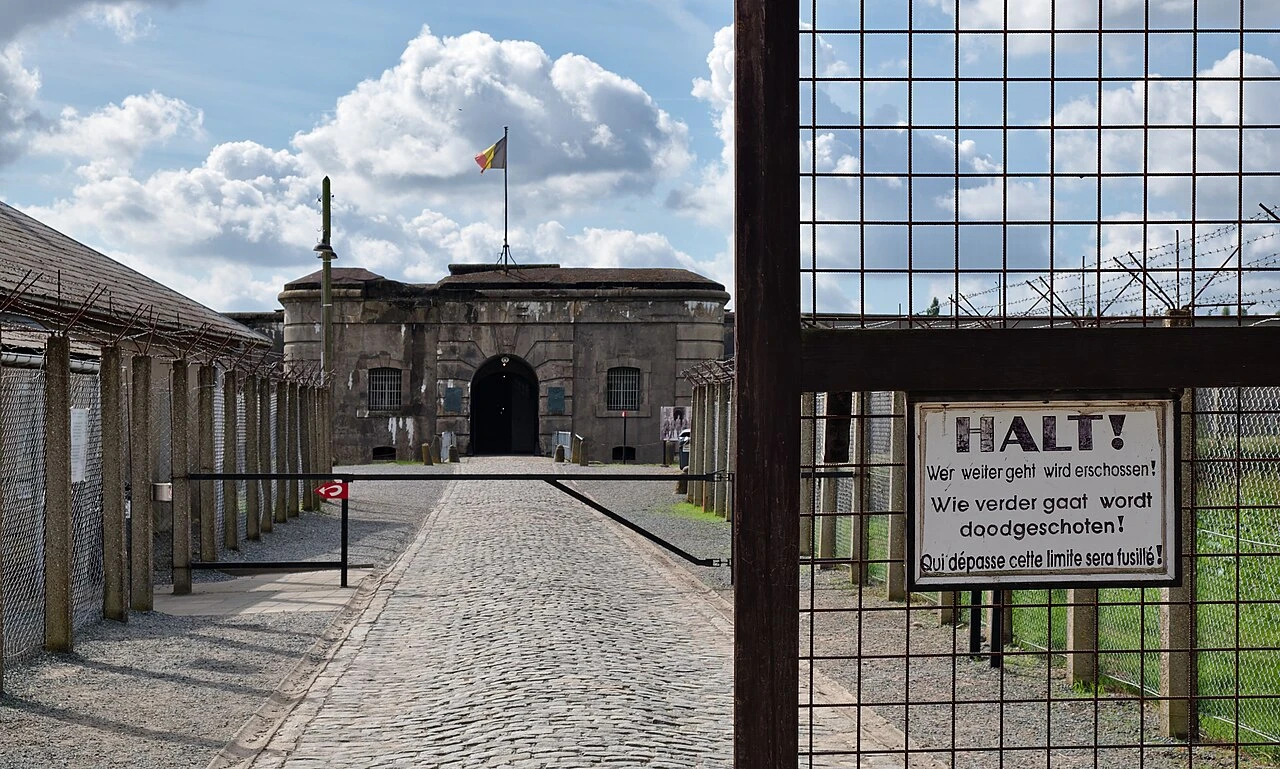
Reopening the School under the Occupation
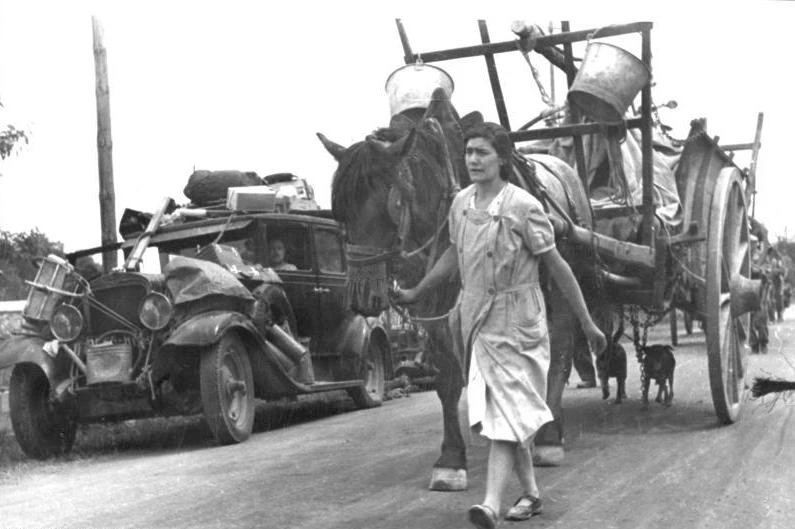
The exodus — flee or stay
The Repatriation of the Refugees
Rebuild or Wait
The Red Cross and the Missing
The Press under German Control
Provisioning and the Black Market
Going back to work under the occupier
Resuming a "Normal" Life
The return from the exodus
Reopening the School under the Occupation