
Mussolini at the Palazzo Venezia — early June
, 56, watches the German breakthrough in France from Rome with a mix of admiration and unease. Italy has been in "non-belligerency" since September 1939: an ally of Germany under the Pact of Steel, but standing outside the conflict for lack of military preparation. Yet Hitler is winning without him, and the Duce fears arriving too late at the division of the spoils.
The pressures pull in opposite directions. Roosevelt and Churchill multiply messages to dissuade him, offering concessions. Hitler, on the other hand, would gladly welcome an Italian entry that would open a second front against France. Among the Duce's circle, his son-in-law , Foreign Minister, is divided; Marshal Badoglio, Chief of Staff, warns that the Italian army is not ready, lacking tanks, modern aircraft, and fuel.
Mussolini must decide in the first days of June. Enter now to seize an easy victory, wait for the certain fall of France, or listen to Badoglio and stay out: the calculation is as political as it is military.
Should Mussolini enter the war at once, wait, or remain non-belligerent?
Mussolini chooses A. He sets entry into the war for 10 June and announces it that evening from the balcony of the Palazzo Venezia, the declaration taking effect at midnight. The calculation of easy gain quickly proves illusory: the Italian offensive in the Alps fails against the , and the armistice of 24 June brings Rome only the occupation of Menton. Badoglio will leave the General Staff after the Greek fiasco that autumn. Mussolini, for his part, has just chained his fate to Hitler's: the engagement of June 1940 opens the long series of reverses that will lead to his fall in July 1943 and his execution on 28 April 1945.
Learn more about this event
Related polls
10
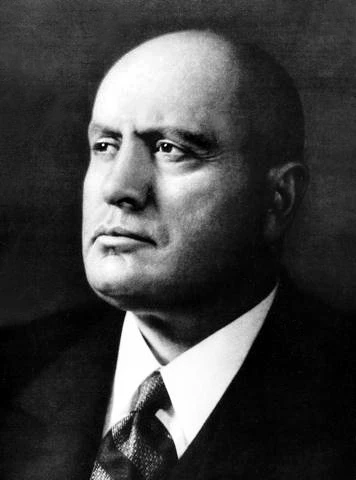
Mussolini on the Riviera — 21 June
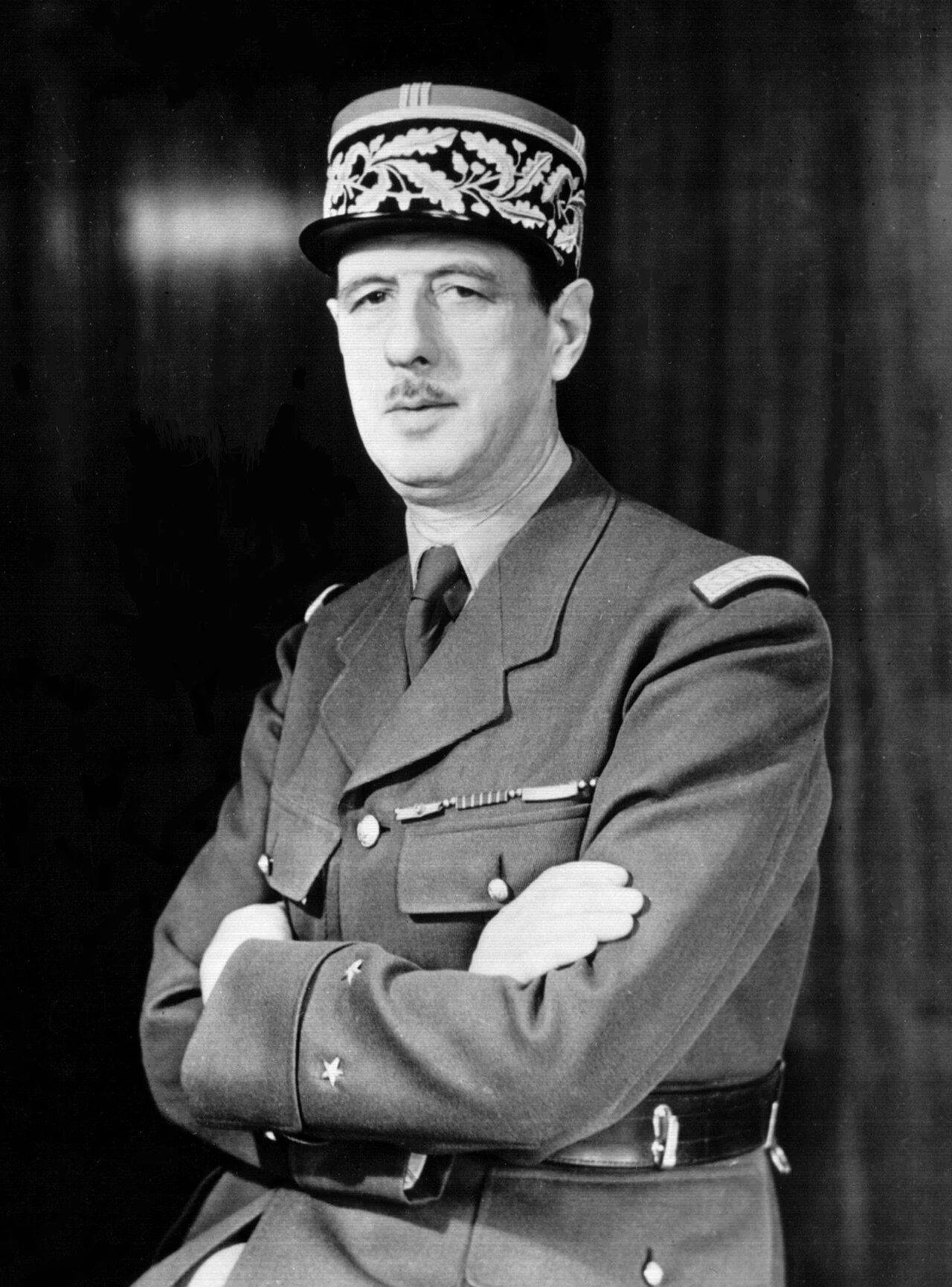
De Gaulle calls on Churchill — 9 June
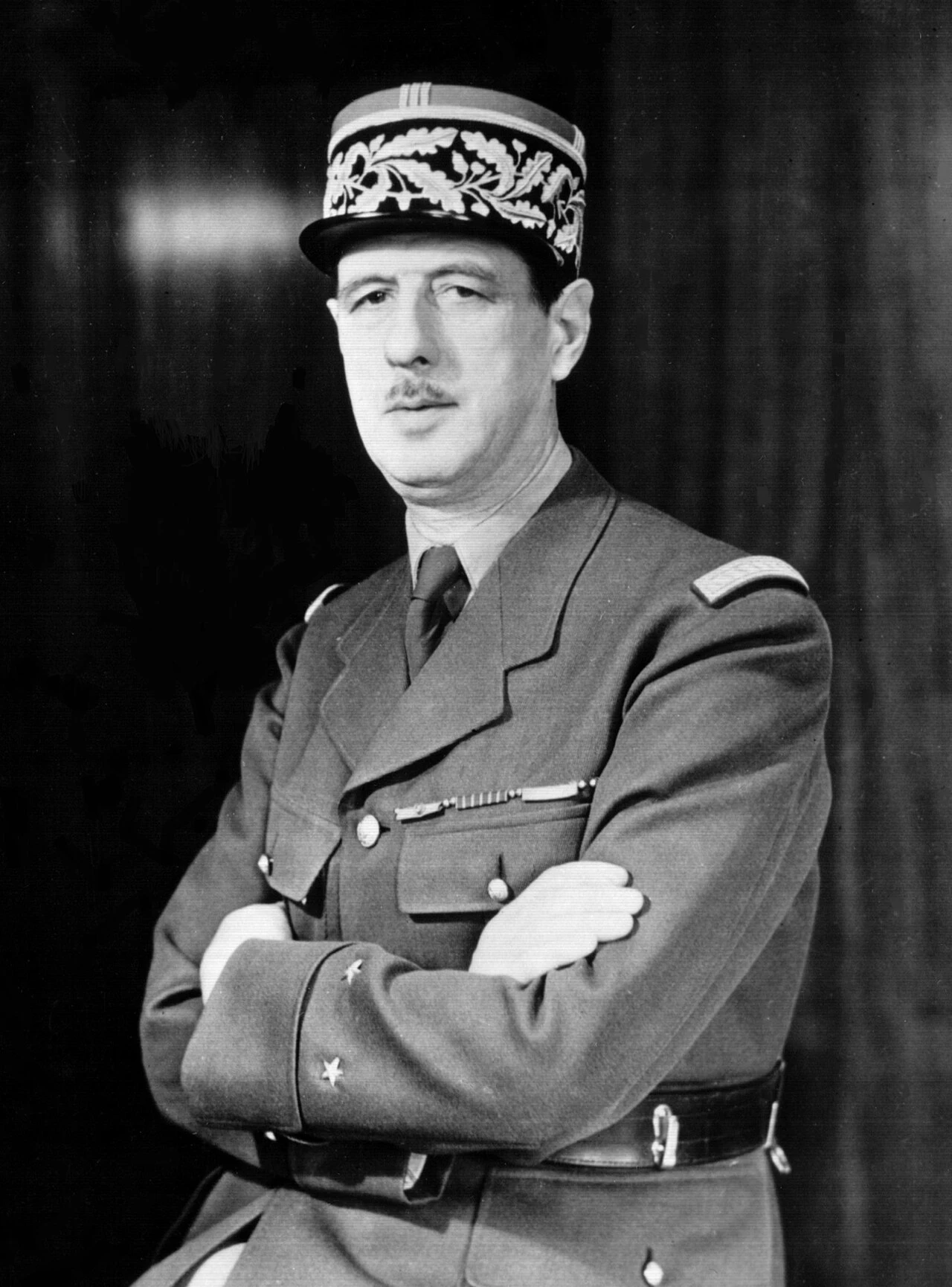
De Gaulle joins the government — 5 June
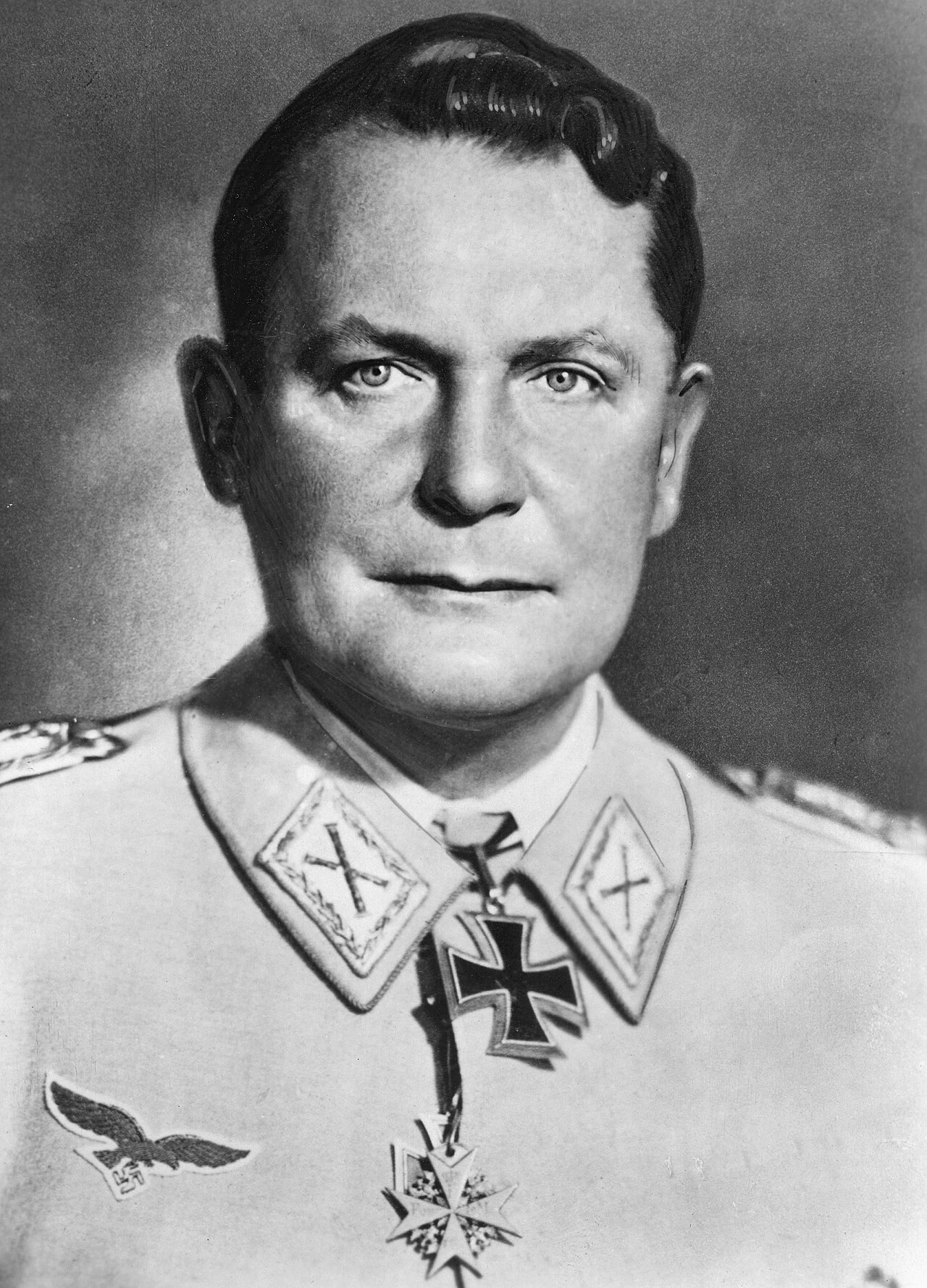
Goering at Carinhall — the promise to Hitler
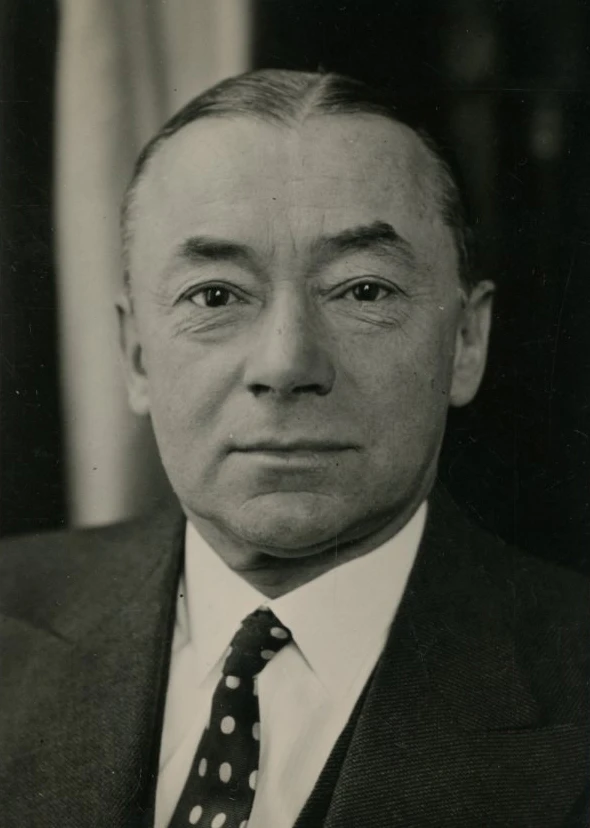
Reynaud faces the Council — Bordeaux, 16 June, 22:00
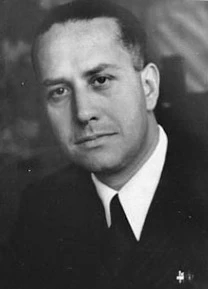
Ciano summons the ambassadors — 10 June
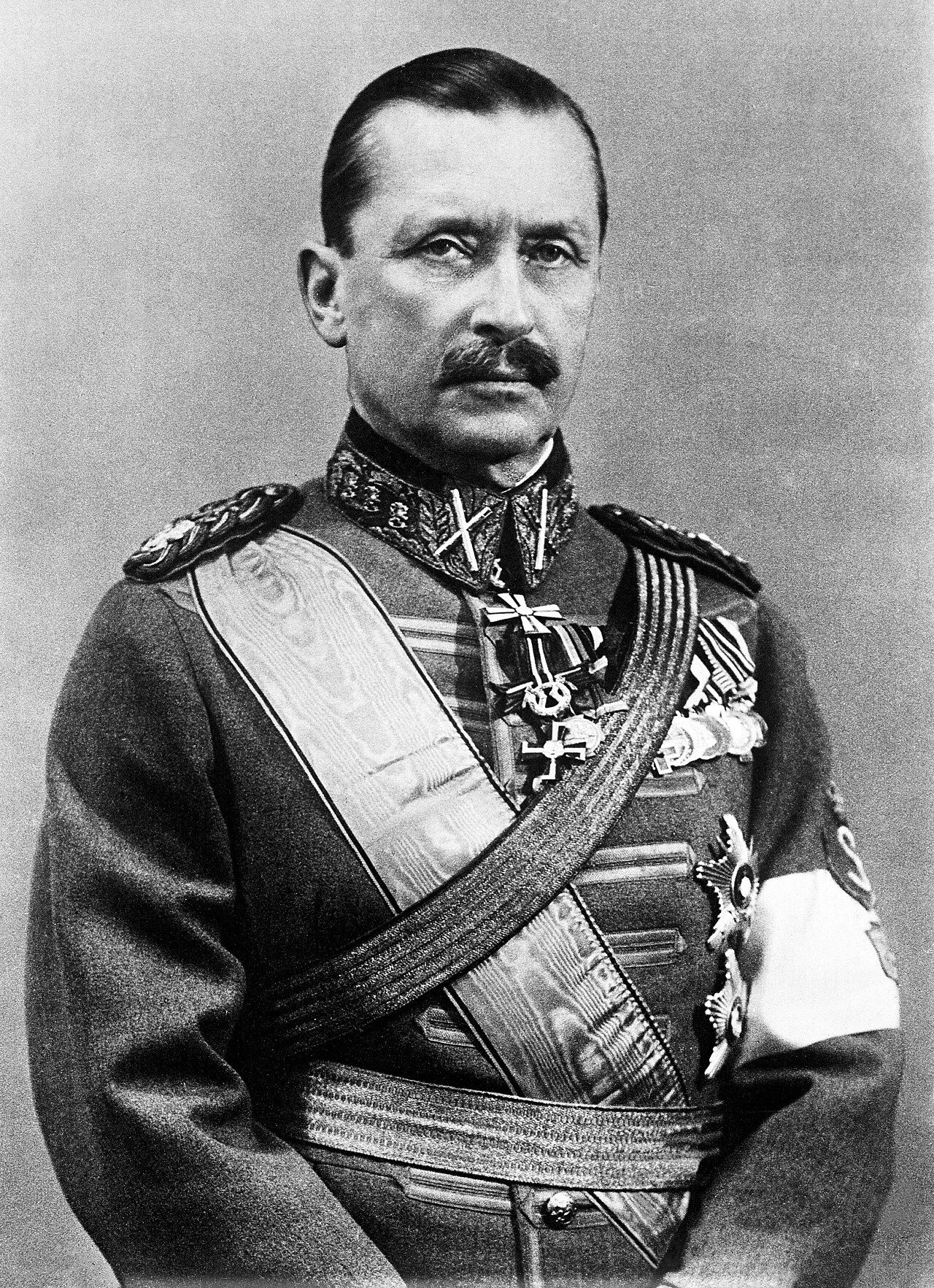
Mannerheim to the Ryti government — 28 February
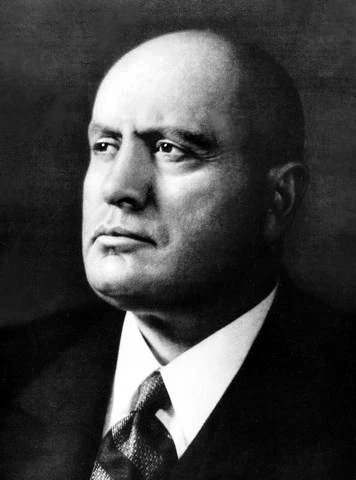
Mussolini on the balcony — 10 June, 18:00
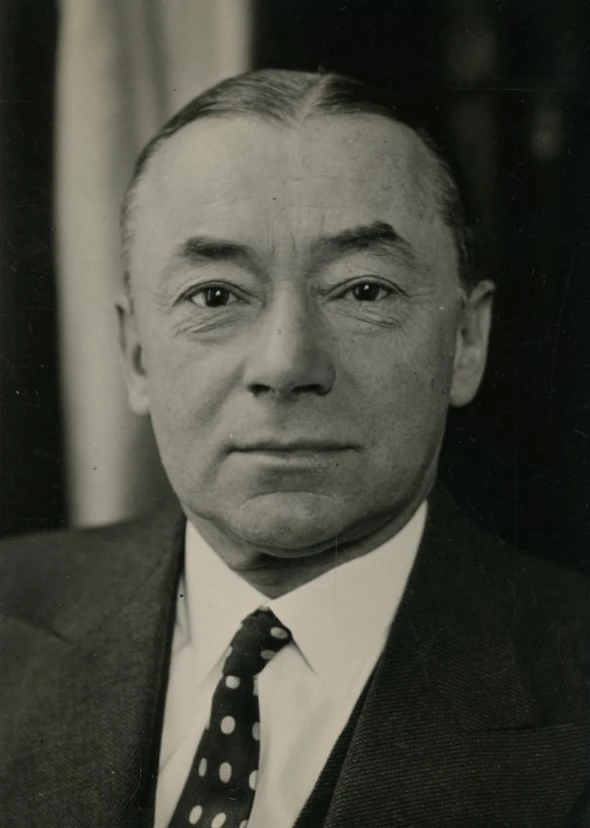
Reynaud — Matignon 21 March
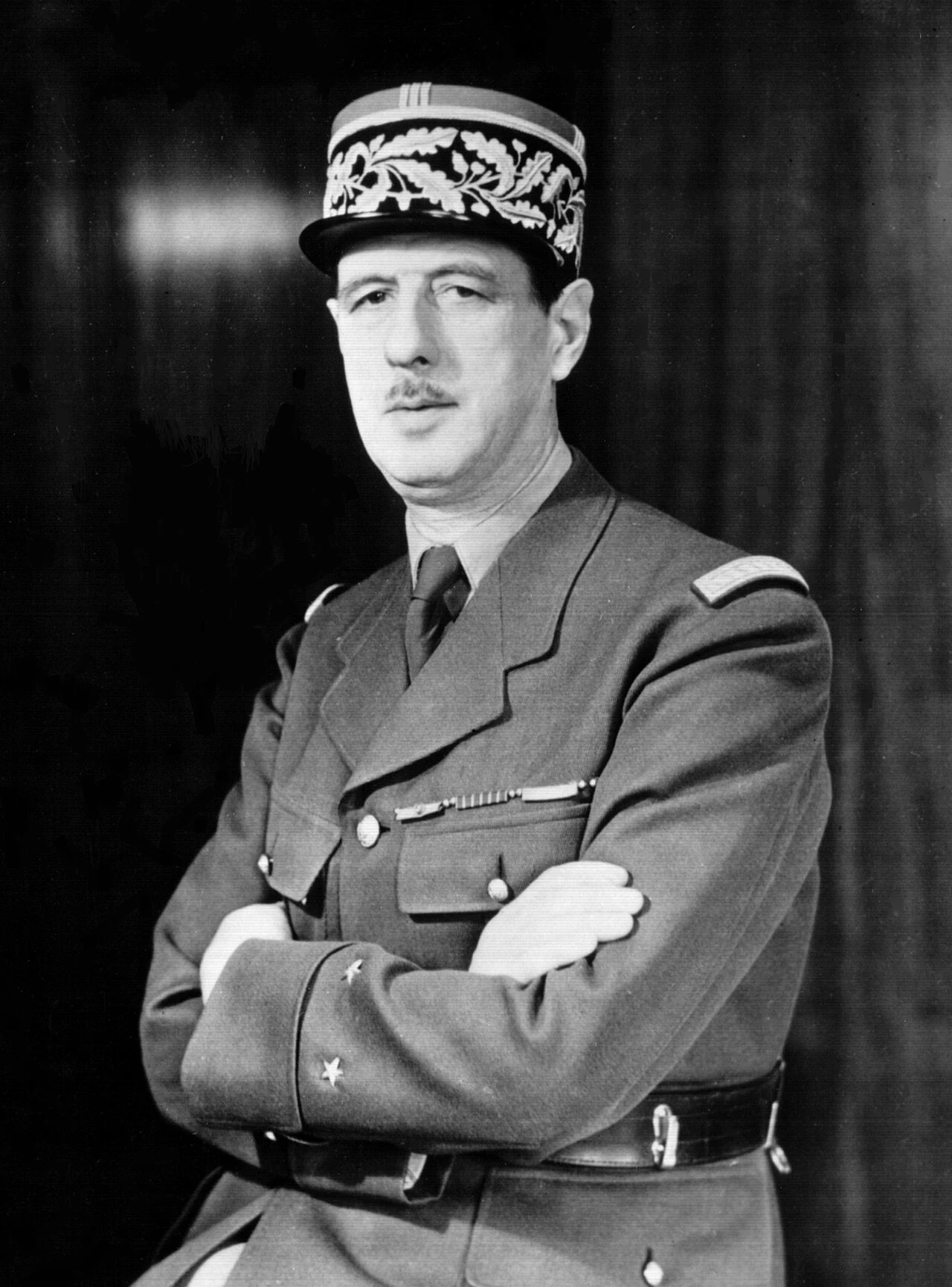
The Franco-British union — 16 June
Mussolini on the Riviera — 21 June
De Gaulle calls on Churchill — 9 June
De Gaulle joins the government — 5 June
Goering at Carinhall — the promise to Hitler
Reynaud faces the Council — Bordeaux, 16 June, 22:00
Ciano summons the ambassadors — 10 June
Mannerheim to the Ryti government — 28 February
Mussolini on the balcony — 10 June, 18:00
Reynaud — Matignon 21 March