
Thirty submarines a month, or next to nothing
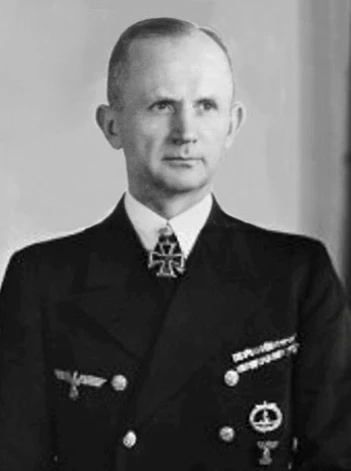
September 1939. The Kriegsmarine fields only fifty-seven submarines, far too few to strangle Allied traffic in the North Atlantic. Admiral Dönitz, who commands the submarine arm, is betting on wolfpack tactics: groups of submarines descending together on a single convoy.
But the tactic requires numbers. Yet the shipyards of Hamburg and Bremen deliver only six to eight vessels a month, when Dönitz is calling for around thirty.
Should quantity or range be favored? A simple, quickly built submarine, or a more capable oceangoing vessel that is slower to leave the slipways? The choice will shape the entire Battle of the Atlantic.
On which type of U-boat should the Kriegsmarine base its submarine war?
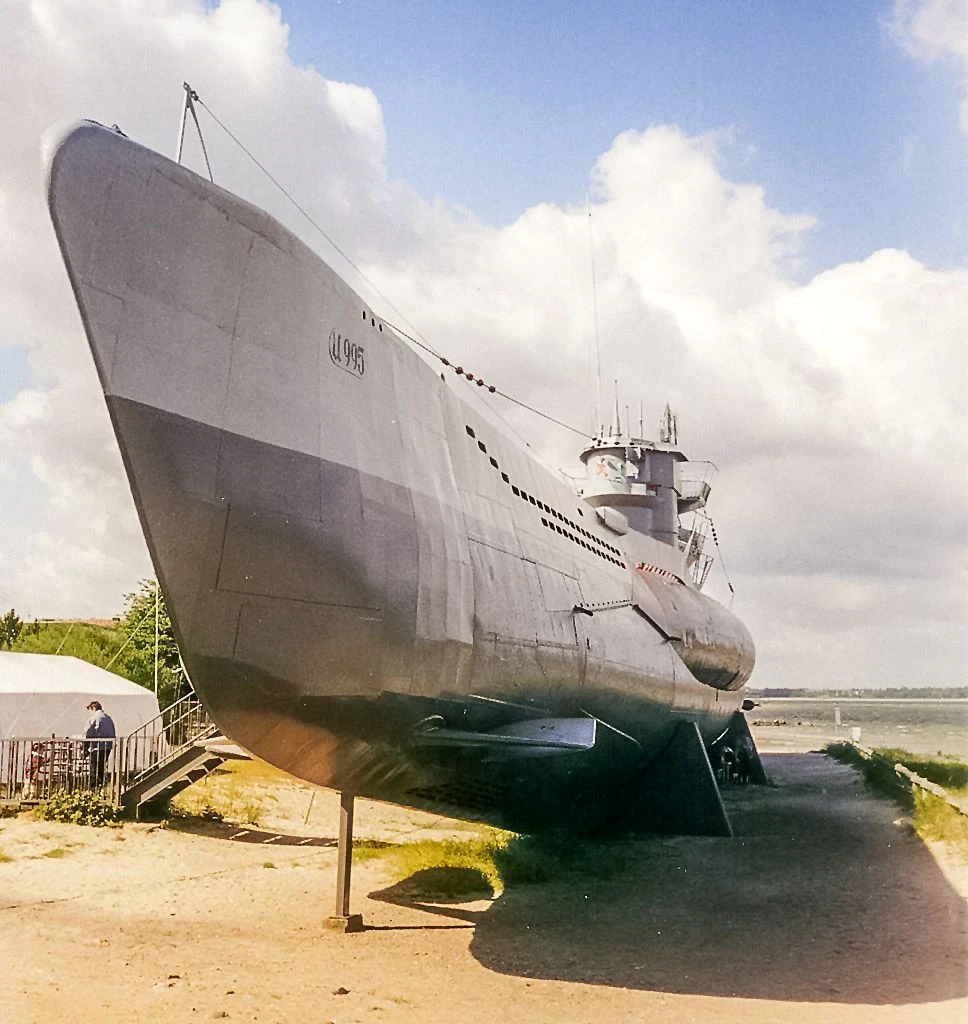
Dönitz makes the Type VII the backbone of the fleet: a submarine of around 750 tons, sturdy, relatively cheap, and quick to build, perfectly suited to wolfpack warfare. Production climbs to about twenty units a month by 1942. The Type IX, with its long range, is indeed built in parallel but represents only a fraction of production. Without the mass-produced Type VII, the German submarine war would have collapsed far sooner.
Learn more about this event
Related polls
10
Goering — the economic mobilization plan
The People's Car Goes to War
The Dutch hulls on the Rotterdam slipways

The Karten: Rationing Germany at War
Plan Z
Speer and the Germania trade-off
The U-Boats Put to Sea

Borakowski and the merchant fleet
Dönitz at Sengwarden — the winter pause
The metal without which cannons cannot be forged
Goering — the economic mobilization plan
The People's Car Goes to War
The Dutch hulls on the Rotterdam slipways
The Karten: Rationing Germany at War
Plan Z
Speer and the Germania trade-off
The U-Boats Put to Sea
Borakowski and the merchant fleet
Dönitz at Sengwarden — the winter pause