
Ouvry and the magnetic mine
In November 1939 the Kriegsmarine unveils a new weapon: the magnetic mine (Magnetmine). Where the contact mine waits to be struck, this one wakes at the approach of a steel ship's magnetic field and explodes under the keel, at the most vulnerable point. Dropped by aircraft or by destroyer into the estuaries and ports of Britain, these devices wreak immediate havoc: twenty-seven ships sunk in November, twenty-one in December 1939, fifty-six more damaged. The threat is strategic: if the Royal Navy can no longer escort its convoys or protect the Thames, the British economy holds out six months, no more.
On 22 November 1939 a German He 115 drops two magnetic mines near Shoeburyness, in the Thames estuary, but in shallow water — only four metres at low tide. On the ebb one of them grounds intact on the mud. It is discovered at 13:00.
HMS Vernon, the Royal Navy's central anti-mine establishment at Portsmouth, is alerted at once. Lieutenant Commander , 41, an expert in dismantling, rushes to Shoeburyness with his team — Chief Petty Officer C.E. Baldwin and Able Seaman Vearncombe. By 17:30 the ebbing tide has uncovered the mine. For tools Ouvry has only brass screwdrivers, chosen so as to create no magnetic field; he has no diagram and no idea of the internal mechanism.
Ouvry must choose his method of approach.
How should Ouvry dismantle the mine?
Ouvry chooses A. By storm-lantern, at -4°C, in the mud, with his brass tools, he removes the six fuses one by one. He uncovers the magnetic mechanism: a tuning-fork oscillator set to 50 Hz, triggered by the proximity of ferromagnetic mass. By 04:30 on 23 November the analysis is complete. The conclusion: the mine can be neutralised by demagnetising ships' hulls (a process christened degaussing — in tribute to ). On 5 December 1939 the first prototype degaussing loop is tested at Portsmouth — 95 percent effective. By 1 April 1940, 600 British ships are fitted with degaussing. Losses to magnetic mines then collapse: eighteen in January, seven in February, none in March 1940. Crisis resolved in 90 days. Ouvry was decorated with the Distinguished Service Order (DSO). His technique became the NATO standard. Promoted Commander in 1942, then Captain in 1945. He survived the war and died in 1971 aged 73. Degaussing is today applied to every surface ship in the world.
Learn more about this event
Related polls
10
HMS Rawalpindi — Kennedy at 3:47 p.m.
The blockade of Germany
Royal Oak — Prien in Scapa Flow
Chain Home — the Invisible Wall
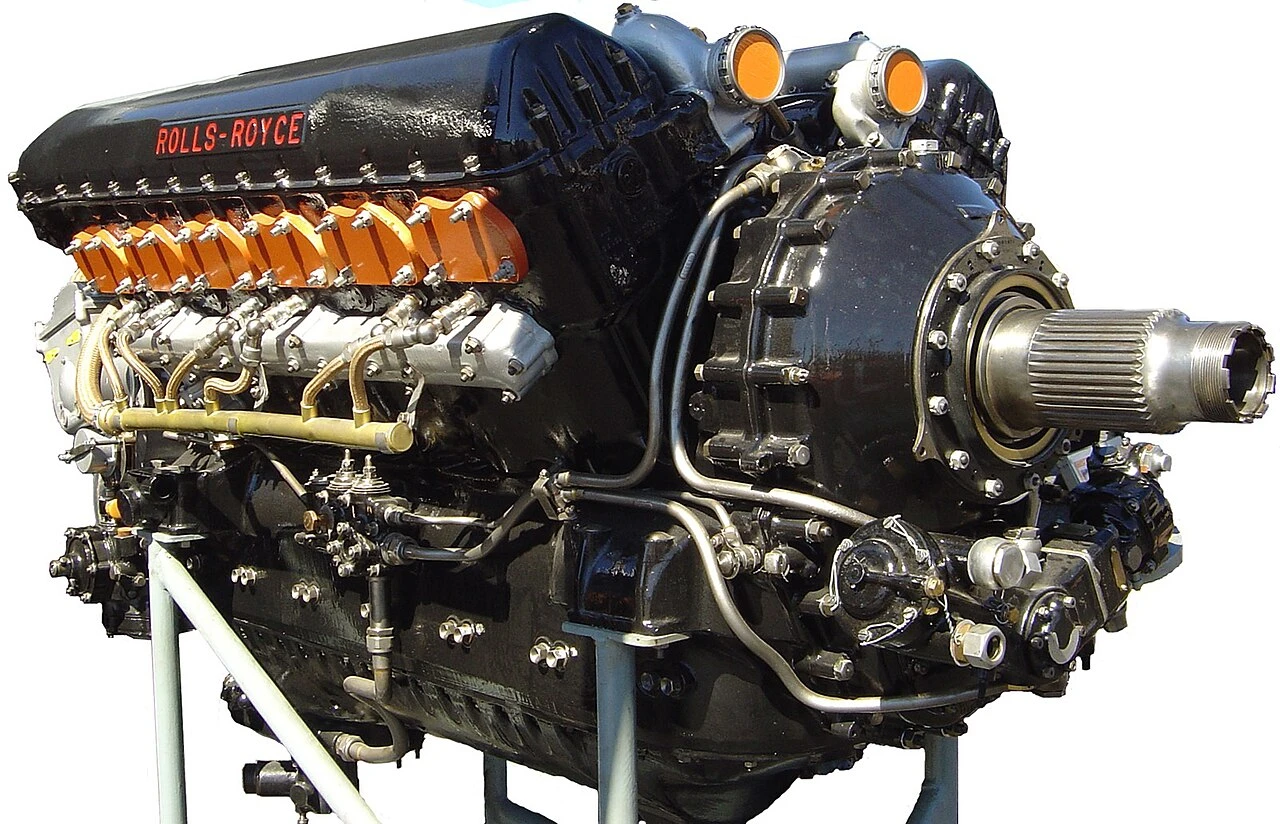
Car assembly lines for an aircraft engine
HMS Courageous — Makeig-Jones after the Torpedoes
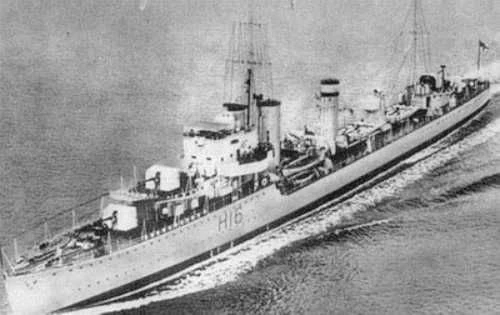
HMS Daring in the Pentland Firth
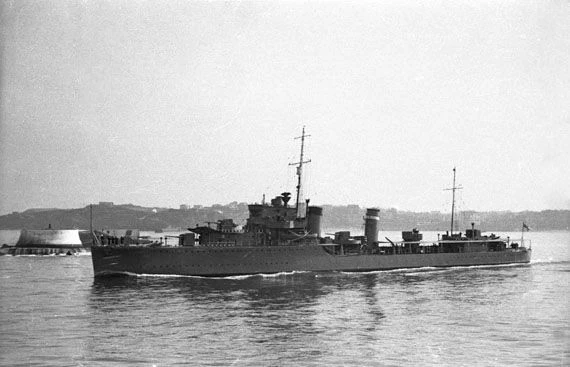
HMS Exmouth in the Moray Firth
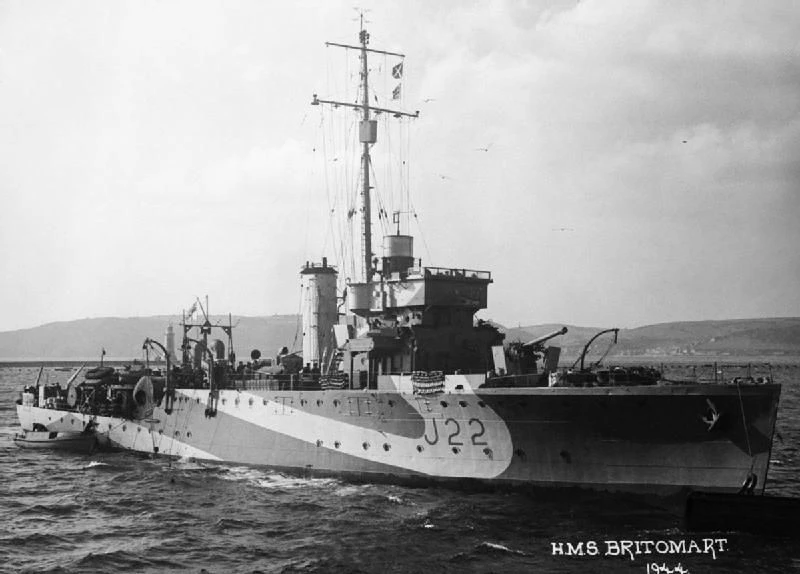
HMS Sphinx at Kinnaird Head
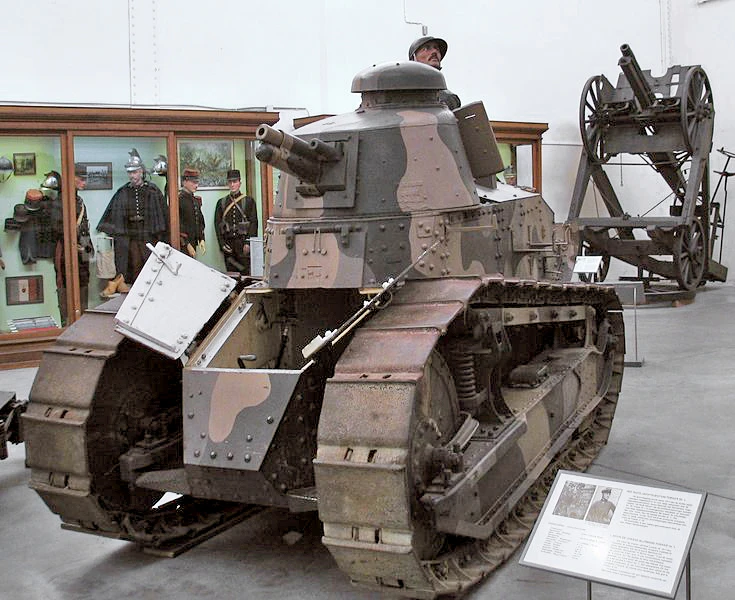
The tank of the future or the tanks of today?
HMS Rawalpindi — Kennedy at 3:47 p.m.
The blockade of Germany
Royal Oak — Prien in Scapa Flow
Chain Home — the Invisible Wall
Car assembly lines for an aircraft engine
HMS Courageous — Makeig-Jones after the Torpedoes
HMS Daring in the Pentland Firth
HMS Exmouth in the Moray Firth
HMS Sphinx at Kinnaird Head