
Petsamo — Pennanen on the Arctic coast
Petsamo — Pechenga in Russian — is Finland's only Arctic port, obtained under the Treaty of Tartu in 1920. The region has only 5,000 inhabitants: Sami reindeer-herders, Finno-Canadian nickel miners — the Kolosjoki mine then supplies 20 percent of the world's nickel — and fishermen. Its value is strategic, as it is the only Finnish access to Allied convoys via the Barents Sea. To defend it the Finnish fields only 1,200 men, lightly equipped, under Captain .
On 30 November 1939 at 09:00 the Soviet under General , 14,000 strong, attacks from Murmansk. The Finns fall back in delaying actions to the south. The port of Petsamo is evacuated on the night of 5-6 December, after Finnish sappers have destroyed the Kolosjoki mine installations with an eight-ton charge — a deliberate strategic denial.
By 14 December Petsamo has fallen. With his 1,200 men facing a full Soviet division, in an empty Arctic terrain inhabited by a few Sami families, Pennanen must decide what comes next.
What to do after the fall of Petsamo on 14 December?
Pennanen chooses A: to fall back on the Nautsi-Höyhenjärvi line and hold a static defence through the winter. From 15 December 1939 to 13 March 1940, his garrison stabilises the Nautsi line 80 km south of Petsamo. The Soviet 104th Division, paralysed by Arctic cold (-50°C) and failing supply, makes no progress. Petsamo remains under Soviet occupation until the Peace of Moscow of 12 March 1940: the Kolosjoki mine is restored to Finland (Moscow agrees to the retrocession), but Petsamo itself becomes Soviet for good. Today Pechenga (Russia). Pennanen survived as a reserve captain, dying in 1962.
Learn more about this event
Related polls
10
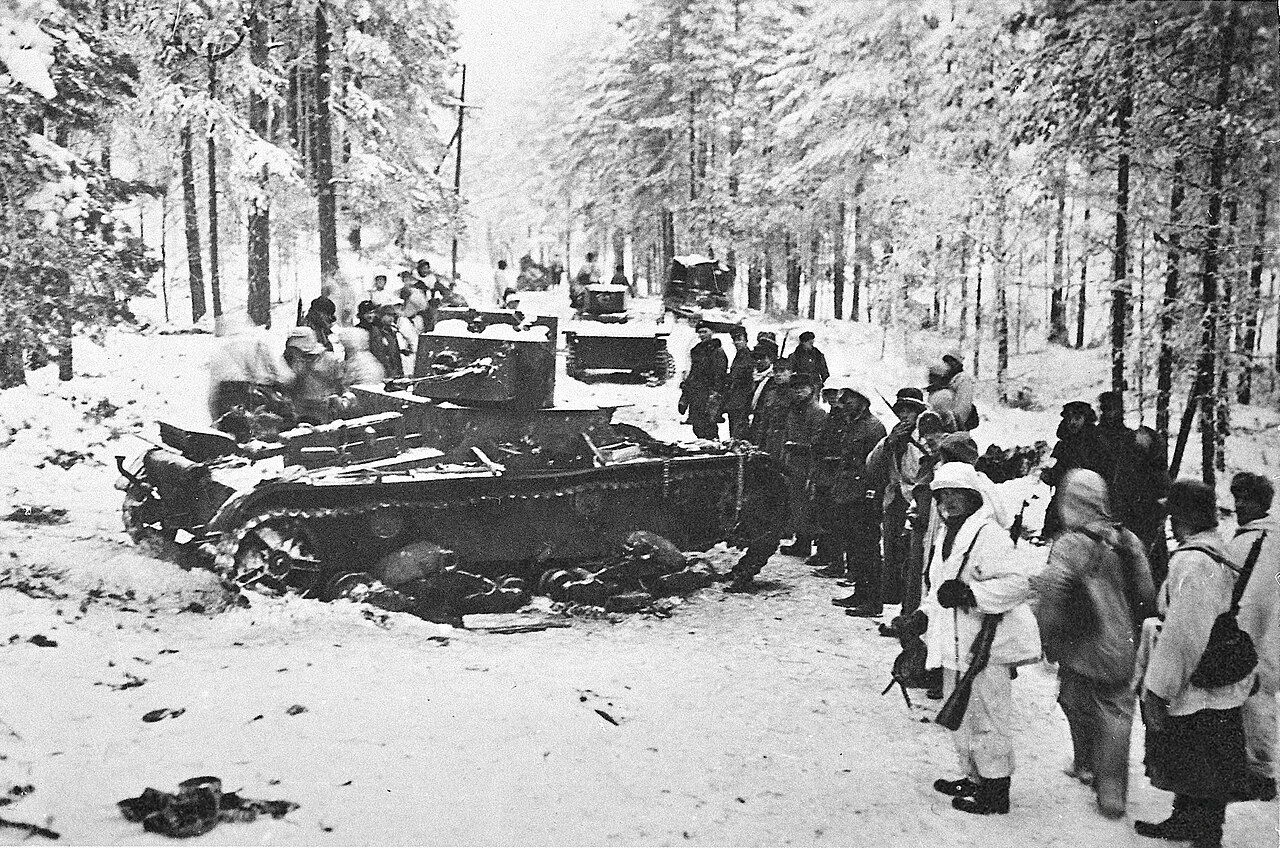
Pajari at Tolvajärvi — 12 December, 04:00
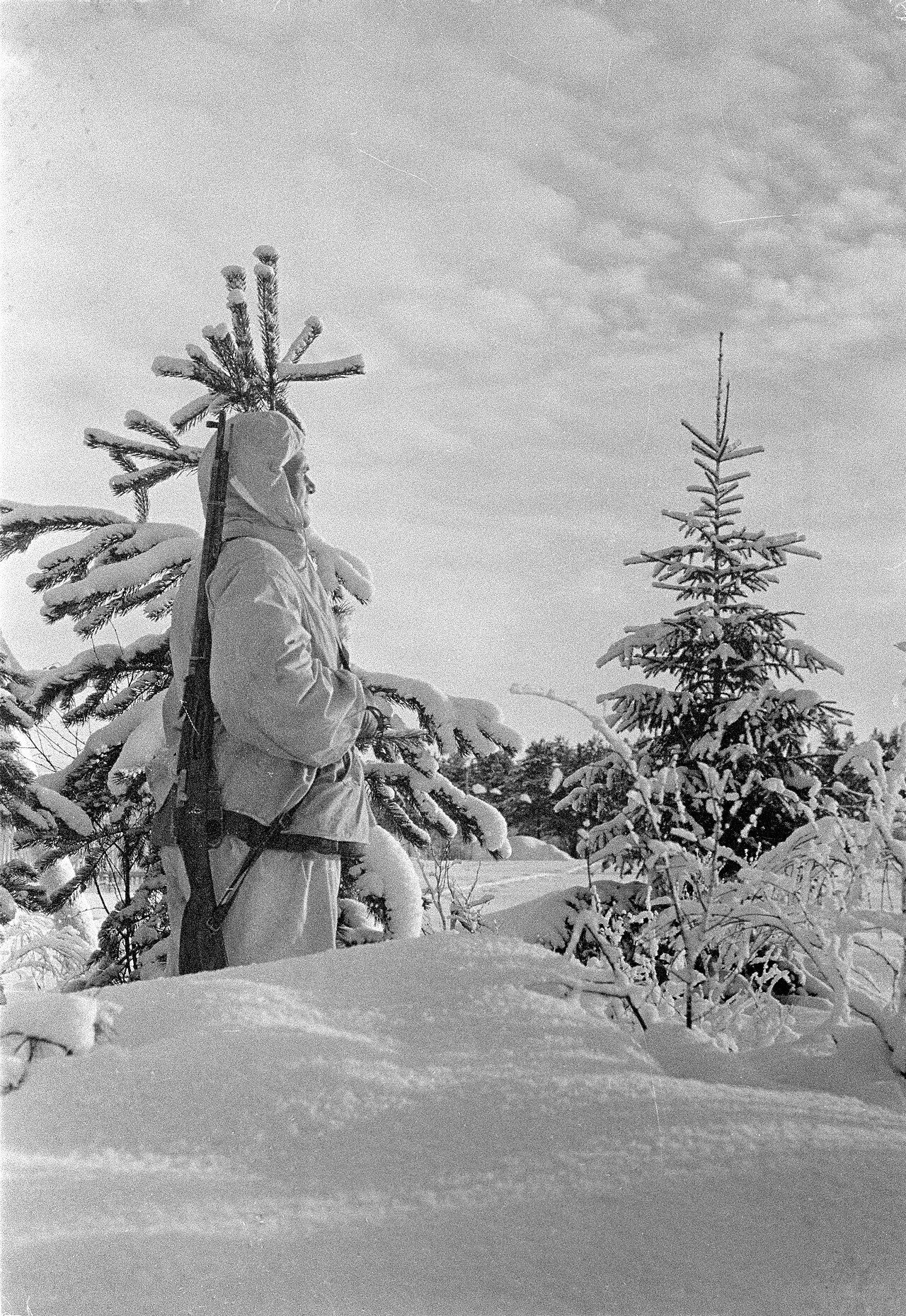
Salla — Lagus against the 9th Army
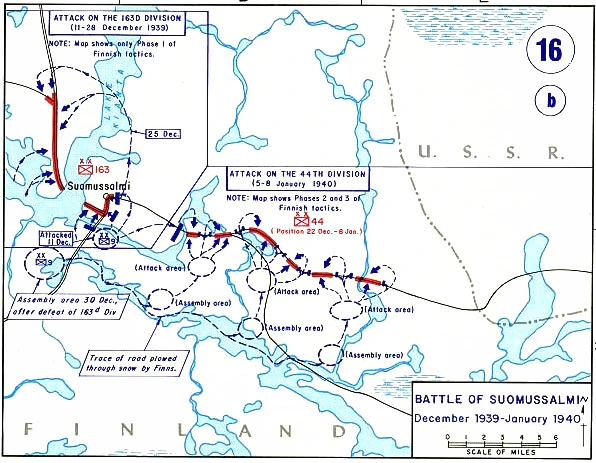
Suomussalmi — Siilasvuo against the 163rd
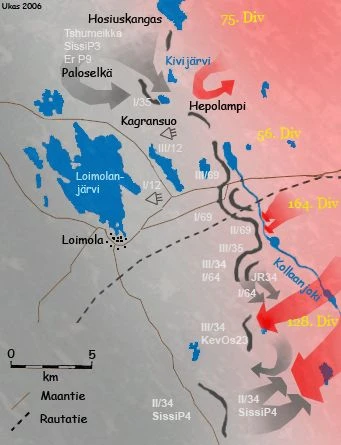
Svensson on the Kollaa front
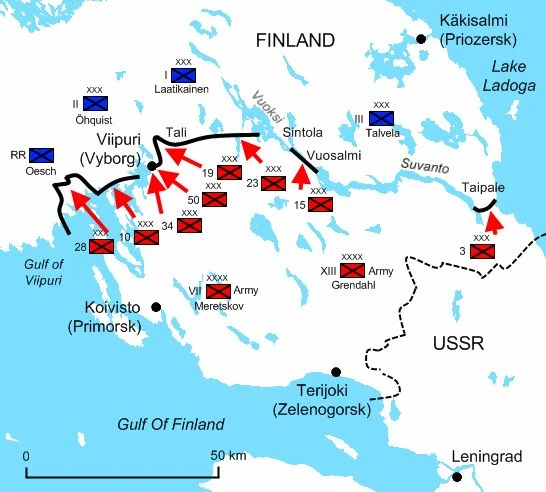
Talvela at Vyborg — 17 February
Kock — Kleeberg on the morning of 6 October
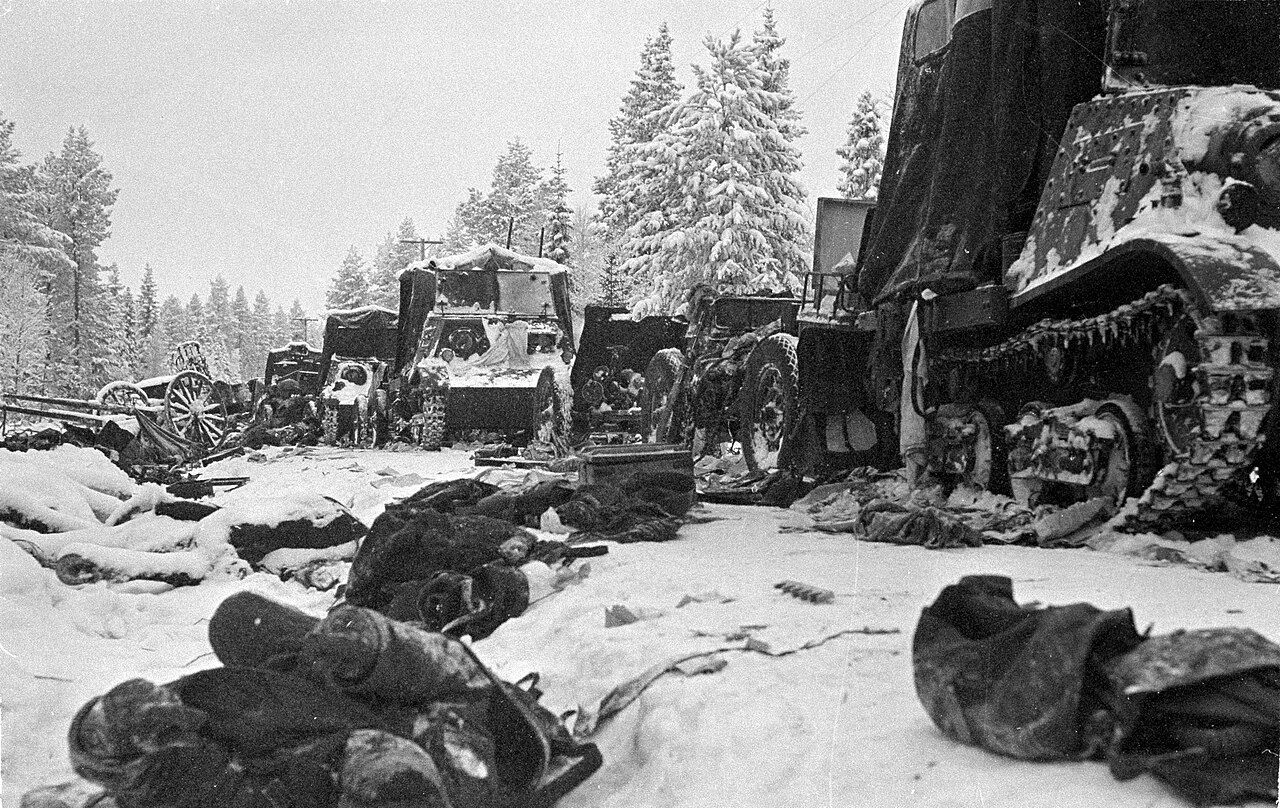
Raate — Vinogradov on the frozen road
The abatis of the Chasseurs Ardennais
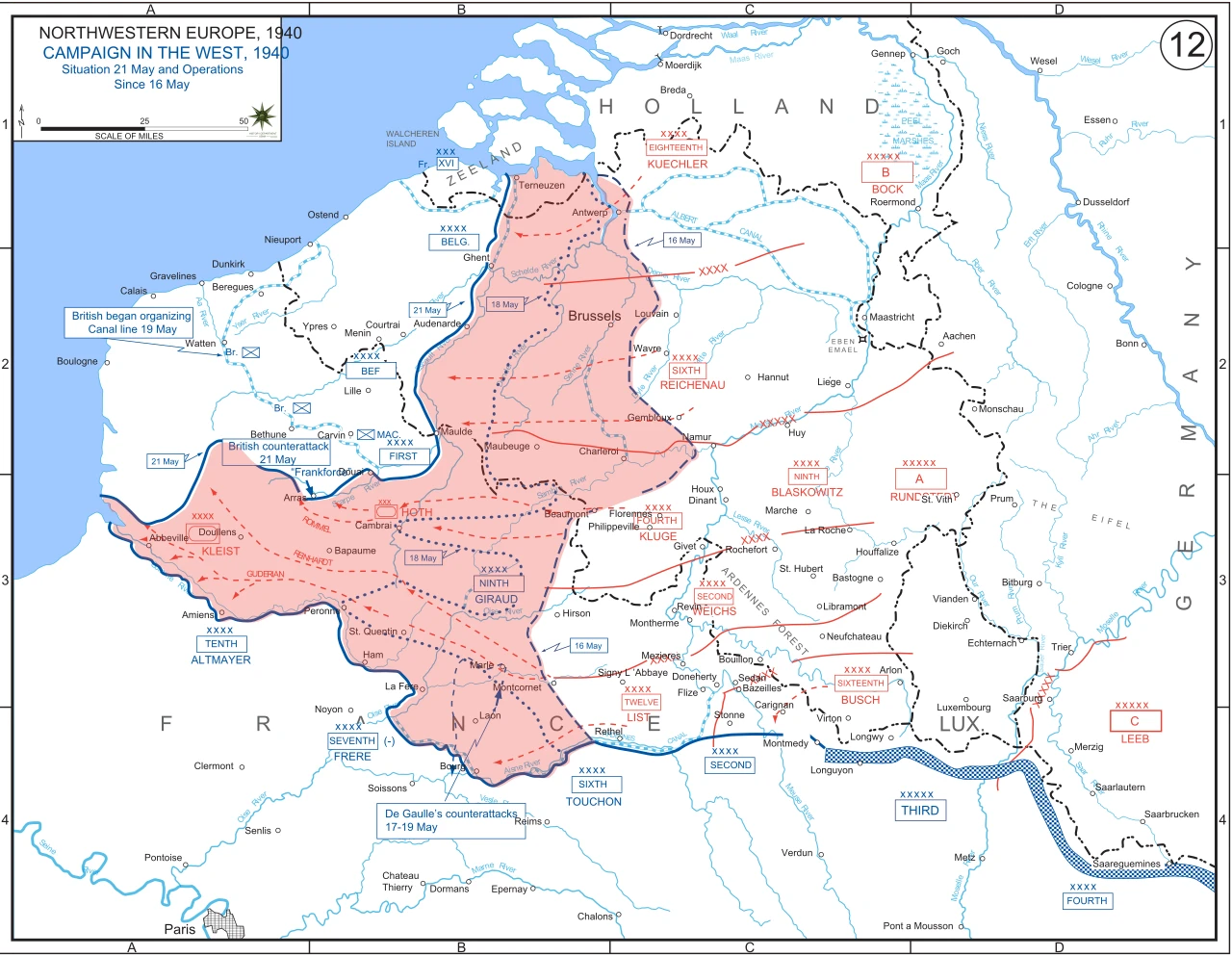
The Battle of the Lys
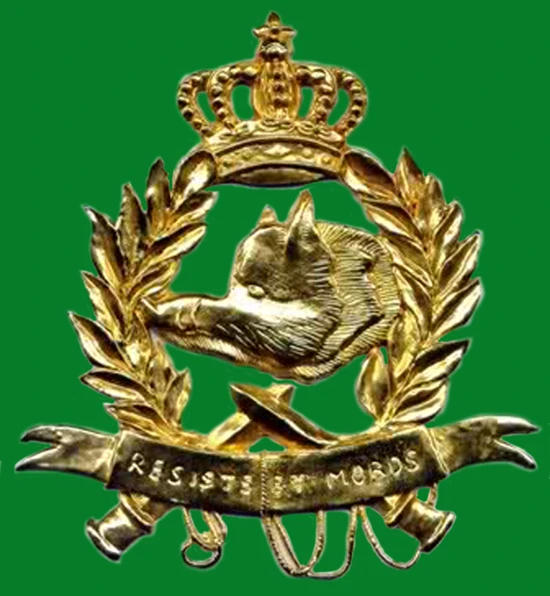
Bodange — Bricart and the Chasseurs Ardennais
Pajari at Tolvajärvi — 12 December, 04:00
Salla — Lagus against the 9th Army
Suomussalmi — Siilasvuo against the 163rd
Svensson on the Kollaa front
Talvela at Vyborg — 17 February
Kock — Kleeberg on the morning of 6 October
Raate — Vinogradov on the frozen road
The abatis of the Chasseurs Ardennais
The Battle of the Lys