
, 46, King of Romania, has watched his kingdom disintegrate since he ceded Bessarabia and northern Bukovina without a fight to the USSR in late June 1940. The loss has revived the claims of his neighbours: Hungary demands Transylvania, populated by Hungarians but also by Romanians, lost by Budapest at the Treaty of Trianon in 1920; Bulgaria wants southern Dobruja.
Hungary and Romania mass their troops; a regional war looms. Nazi Germany, dependent on Ploiesti oil and Romanian grain, cannot tolerate a conflict that would interrupt its supplies. Berlin and Rome therefore impose an 'arbitration'. On 30 August 1940, at the Belvedere Palace in Vienna, foreign ministers and summon the Romanian delegation. The line they present is non-negotiable: it severs a vast swathe of northern Transylvania to Hungary's benefit.
Romania has no Western guarantee; refusing means exposure to a Hungarian attack and the loss of German protection over its oil fields. The Crown Council must reach its decision in the middle of the night.
Should one sign away a large part of Transylvania to Hungary under German-Italian pressure, or refuse and lose German protection over Romanian oil?
The delegation applies A: Minister signs, and the Crown Council, meeting through the night of 30-31 August, ratifies the award by a narrow majority. Romania cedes to Hungary northern Transylvania — 43,492 sq km and nearly 2.7 million inhabitants, including a large Romanian minority. It is reported that Manoilescu fainted at the sight of the map. This third amputation in two months — after Bessarabia and, on 7 September, southern Dobruja ceded to Bulgaria — destroys what remained of 's authority. On 6 September 1940, the king abdicates and flees; General takes power with the Iron Guard. Northern Transylvania will remain Hungarian until 1944; the line will be annulled by the Paris treaties of 1947, which return it to Romania. The 'award' remains an open wound in the memory between Bucharest and Budapest.
Learn more about this event
Related polls
10
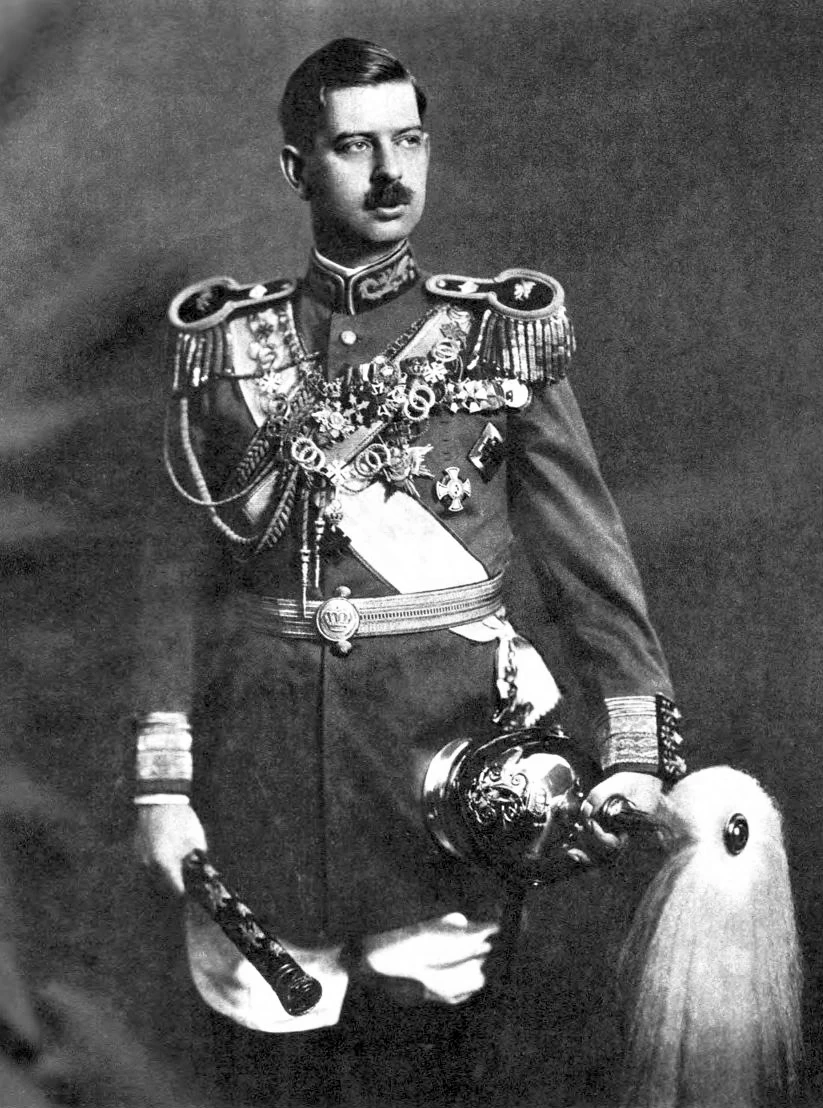
Carol II Against Antonescu — Bucharest, 6 September 1940
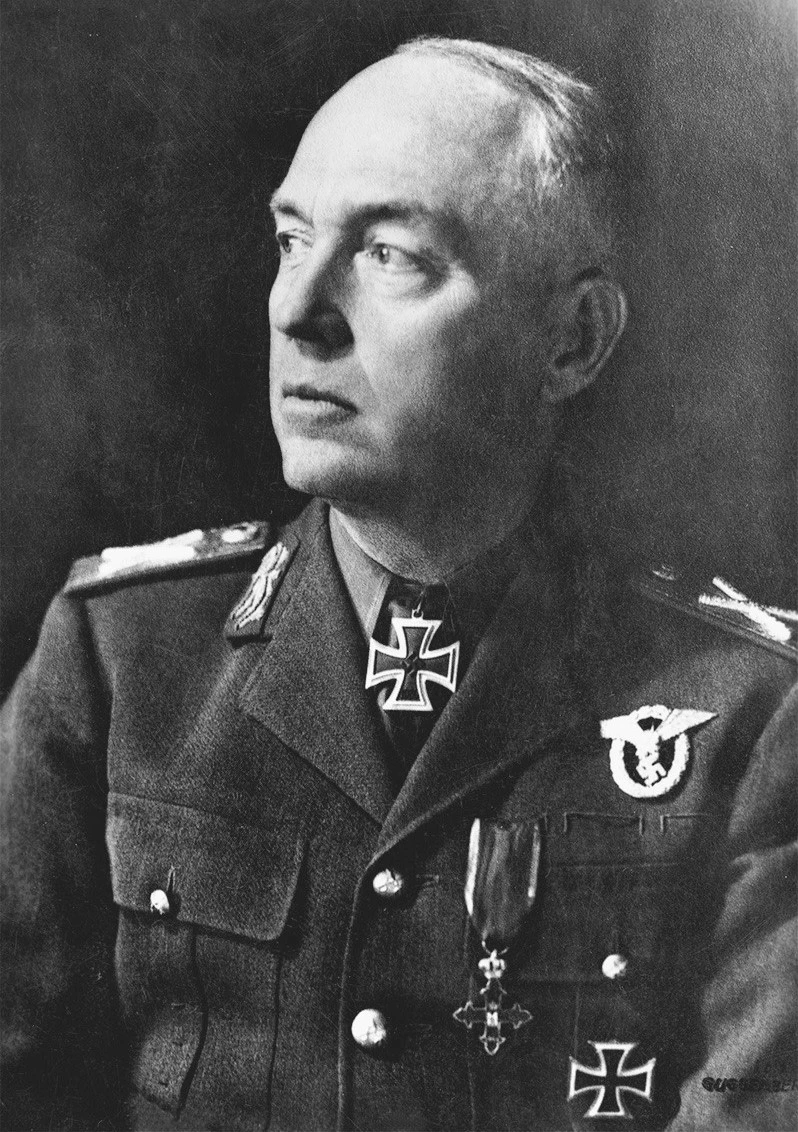
Antonescu and the Iron Guard — Bucharest
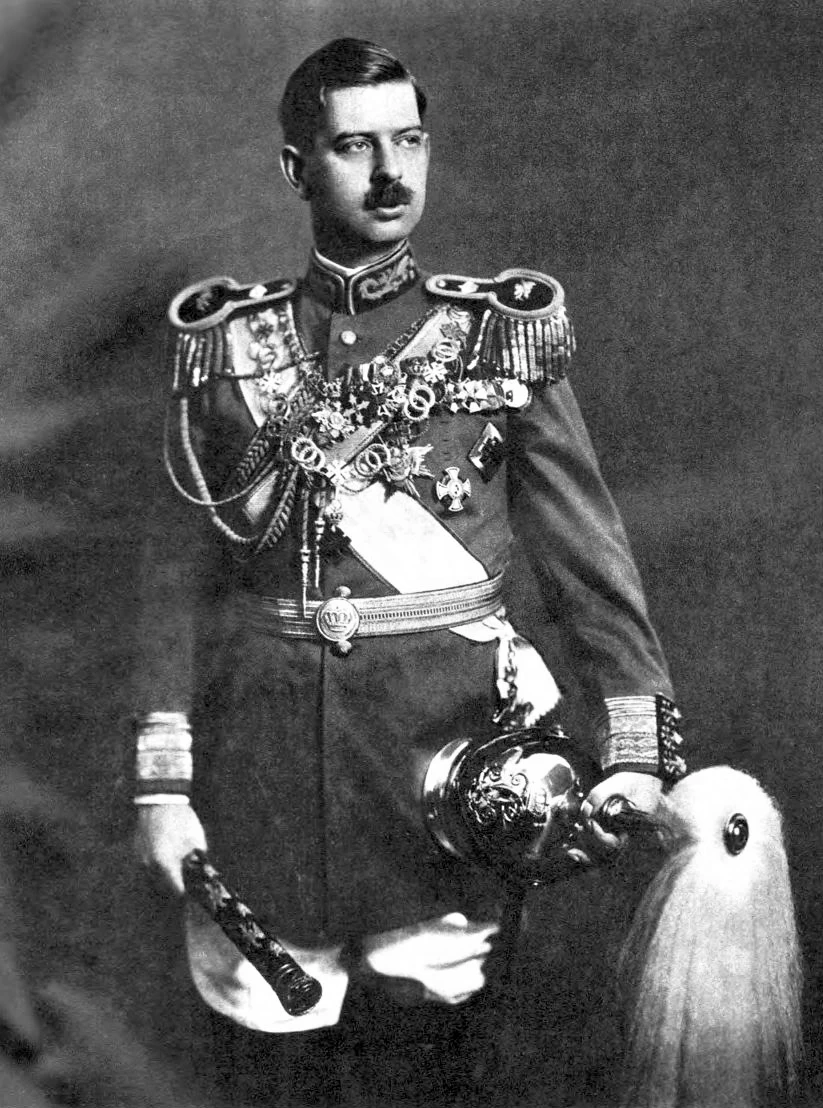
Carol II and Bessarabia
Joining the VNV or Rex
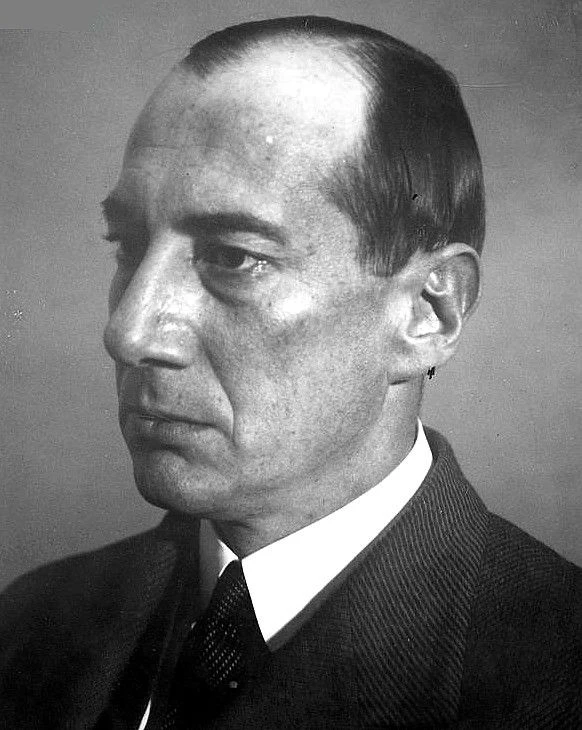
Beck in Bucharest — the Internee
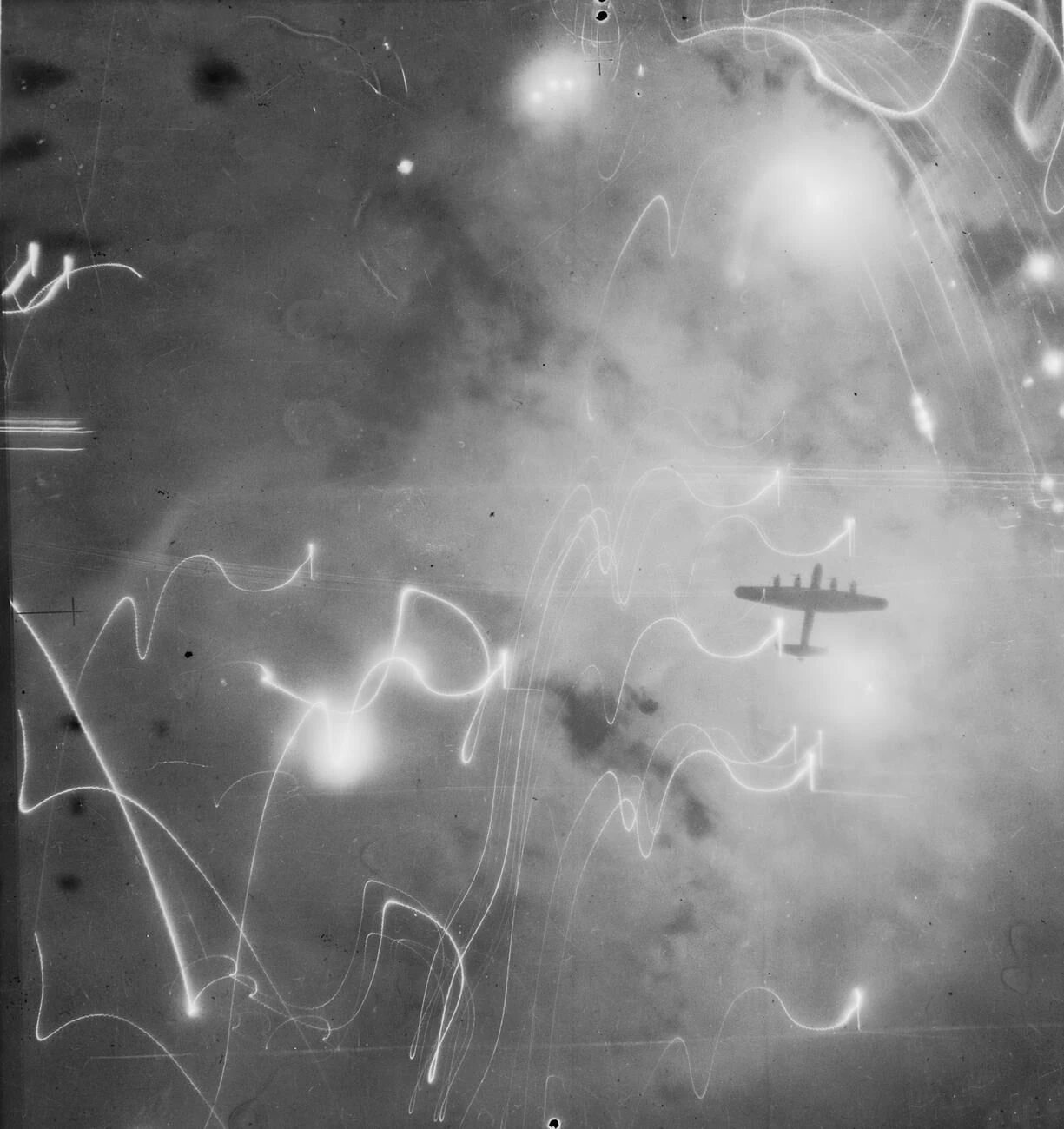
Bombing London — and the reply on Berlin
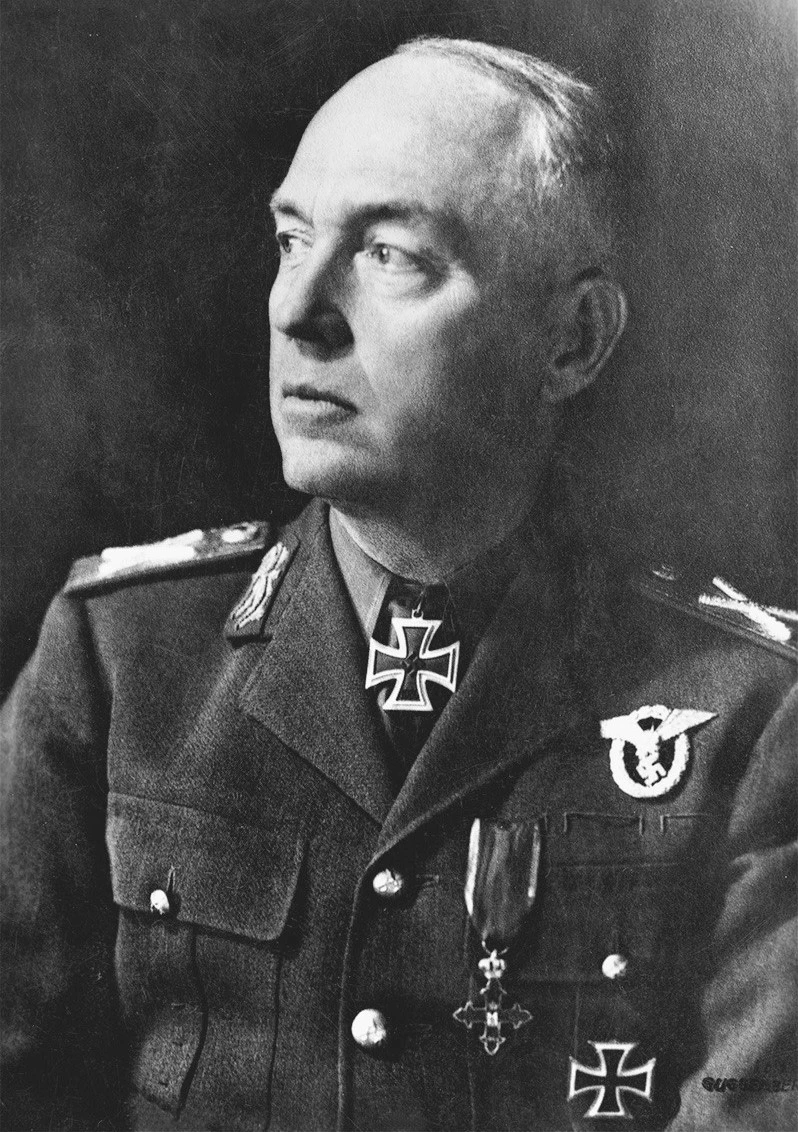
Bucharest — the Legionary rebellion
Carol II in Bucharest — the Romanian balance
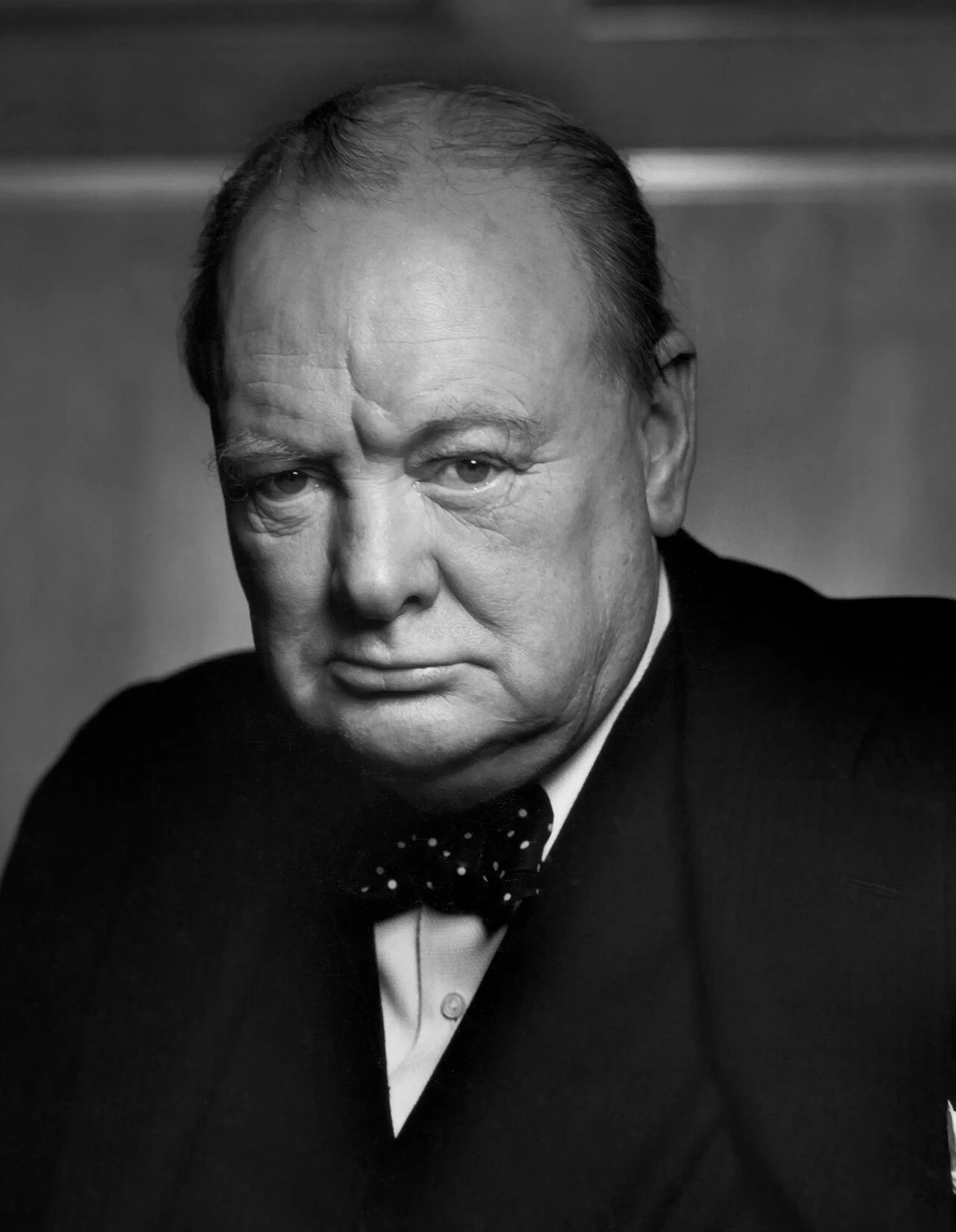
Churchill and the ultimatum on the Burma Road
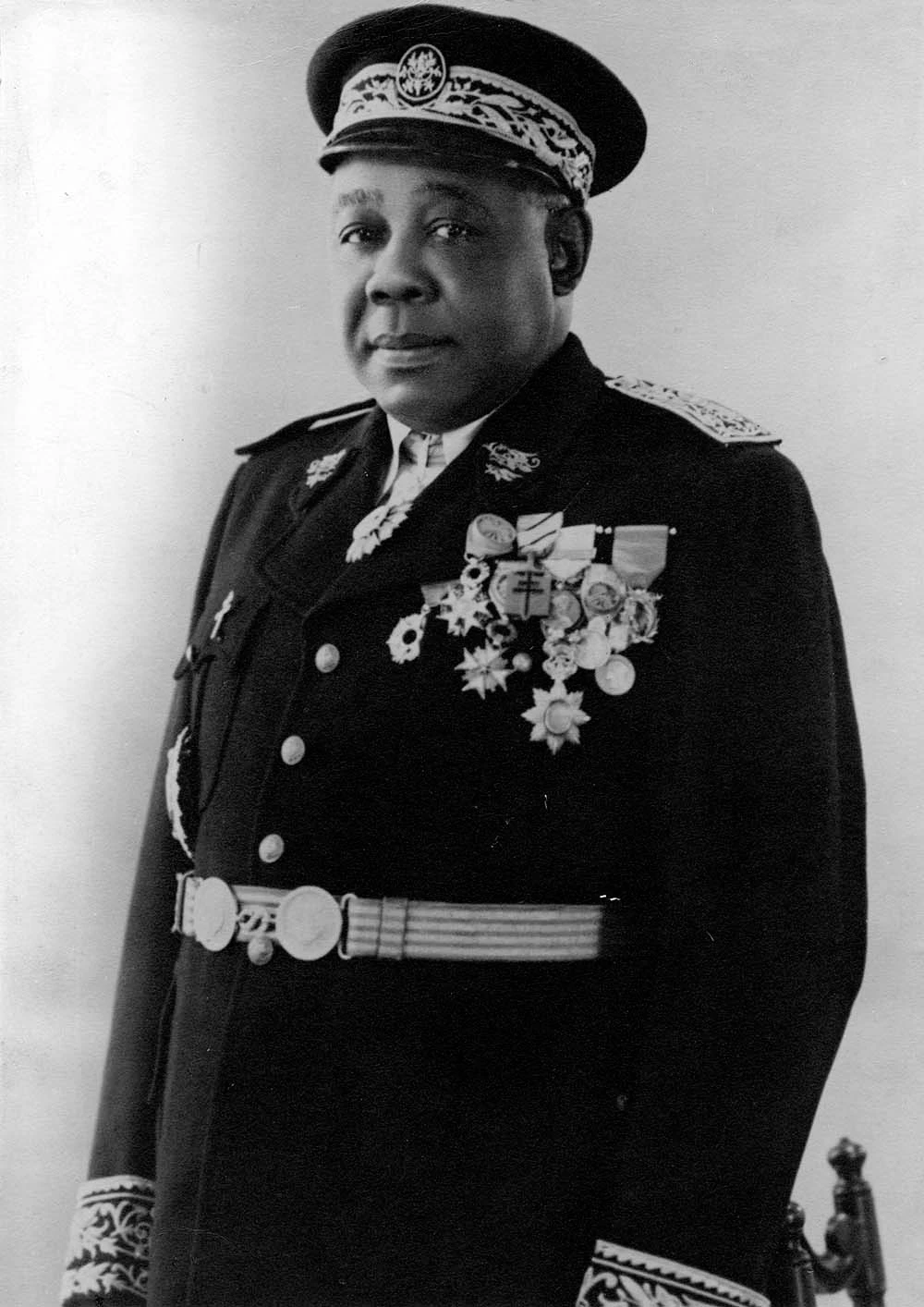
Éboué Rallies Chad
Carol II Against Antonescu — Bucharest, 6 September 1940
Antonescu and the Iron Guard — Bucharest
Carol II and Bessarabia
Joining the VNV or Rex
Beck in Bucharest — the Internee
Bombing London — and the reply on Berlin
Bucharest — the Legionary rebellion
Carol II in Bucharest — the Romanian balance
Churchill and the ultimatum on the Burma Road