
At the armistice, the French fleet — one of the most powerful in the world, and largely intact — became a major strategic stake. The British feared it might fall into the hands of the Axis; Germany and Italy coveted it; Vichy intended to keep it as a guarantee of sovereignty. Admiral Darlan, head of the Navy, had to decide on the course to follow.
The options engaged the naval balance of the war. To disperse and neutralise the fleet across various ports (metropolitan France, North Africa, the Antilles) under French control, guaranteeing that it would not serve the Axis. To rally it to the British to continue the fight — something very few leaders contemplated. Or to keep it grouped in French ports, at the risk of alarming London (and provoking a Mers-el-Kébir).
Darlan had promised that the fleet would never fall into German hands, but refused to deliver it to the British. Dispersal between Toulon, Mers-el-Kébir, Alexandria, Dakar and the Antilles became the compromise solution — with the dramatic consequences known at Oran.
Should the Navy disperse and neutralise the fleet, rally it to the British, or keep it grouped in French ports?
Darlan chose A: the fleet was dispersed between Toulon, Mers-el-Kébir, Alexandria, Dakar and the Antilles, under Vichy control, with the undertaking that it would never serve the Axis and the order, as a last resort, to scuttle rather than be captured. Mistrustful, the British nonetheless struck at Mers-el-Kébir (3 July, around 1,300 dead) while at Alexandria a peaceful neutralisation was negotiated. The fleet would remain an object of every covetousness until its scuttling at Toulon in November 1942, when the Germans would attempt to seize it. The choice of 1940 — neither Axis nor Allies — preserved Vichy's sovereignty for a time but led to the tragedies of Oran and then Toulon.
Learn more about this event
Related polls
10
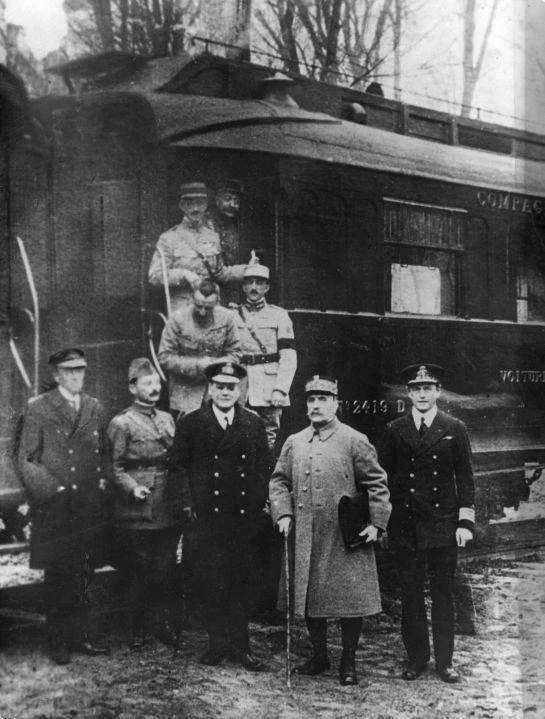
Rethondes — Article 8 on the Fleet
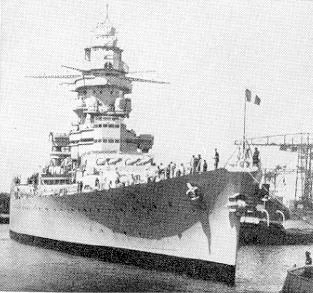
The Admiralty and the Strasbourg Rumour
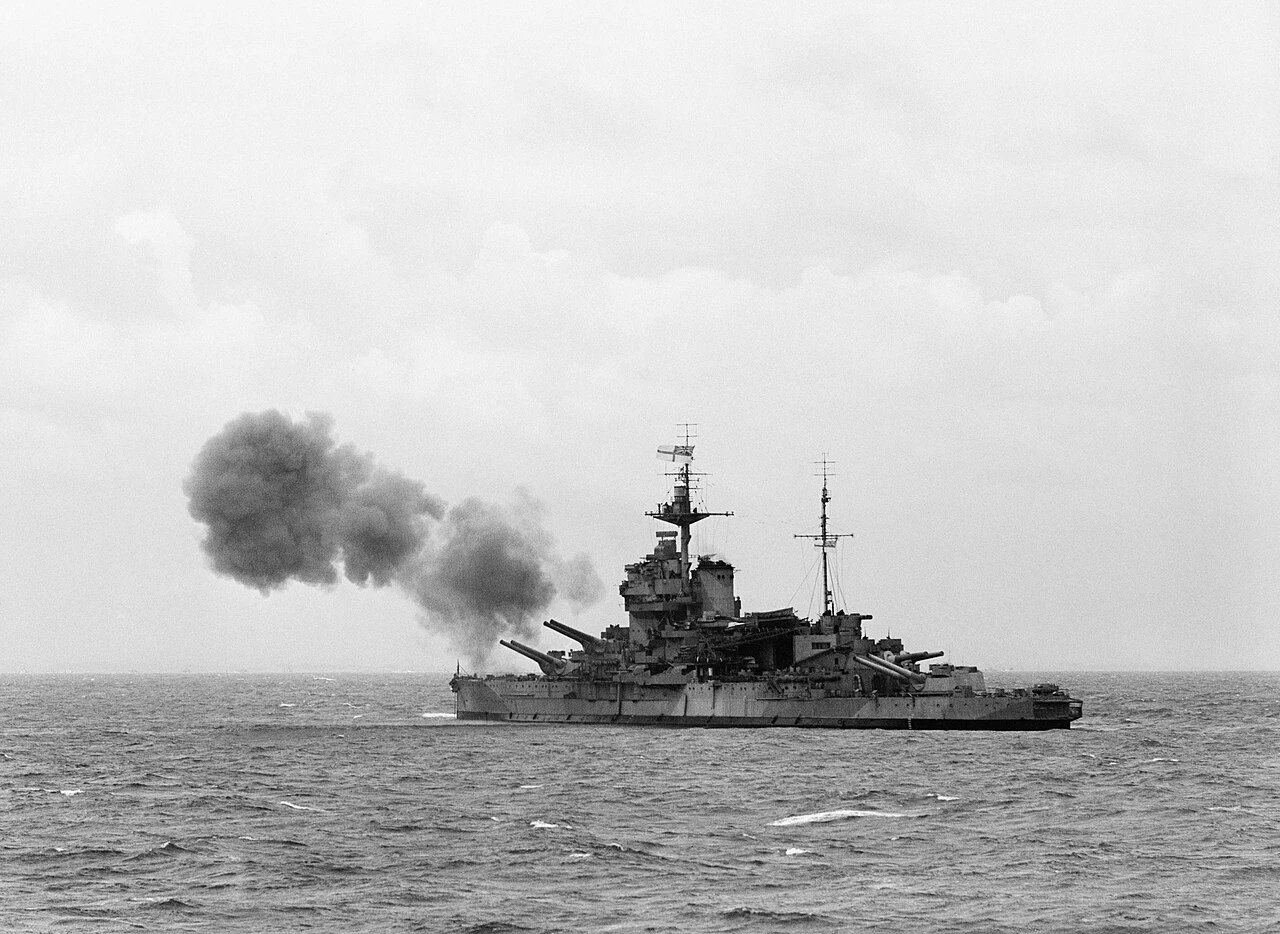
Narvik — too senior an admiral
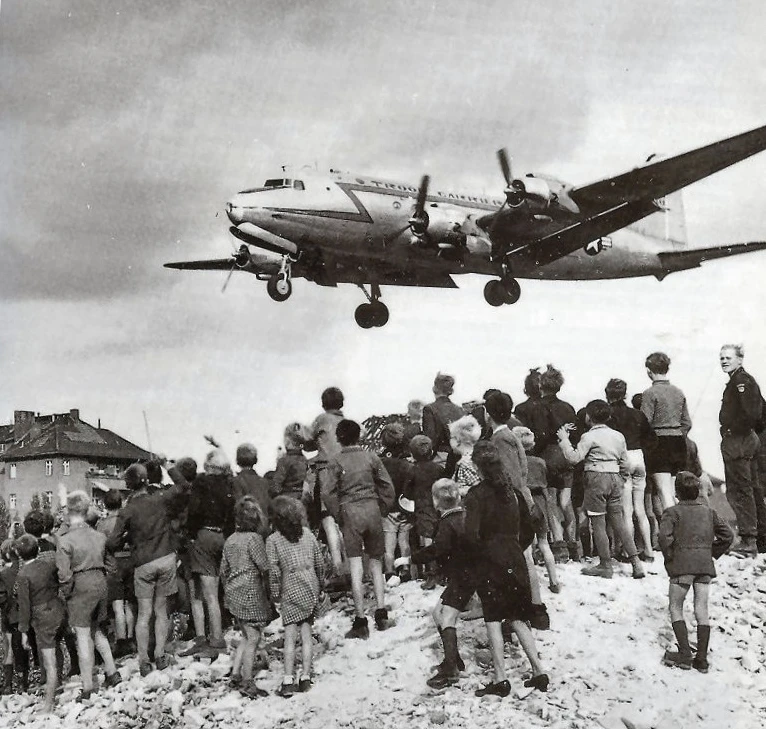
The blockade of Germany
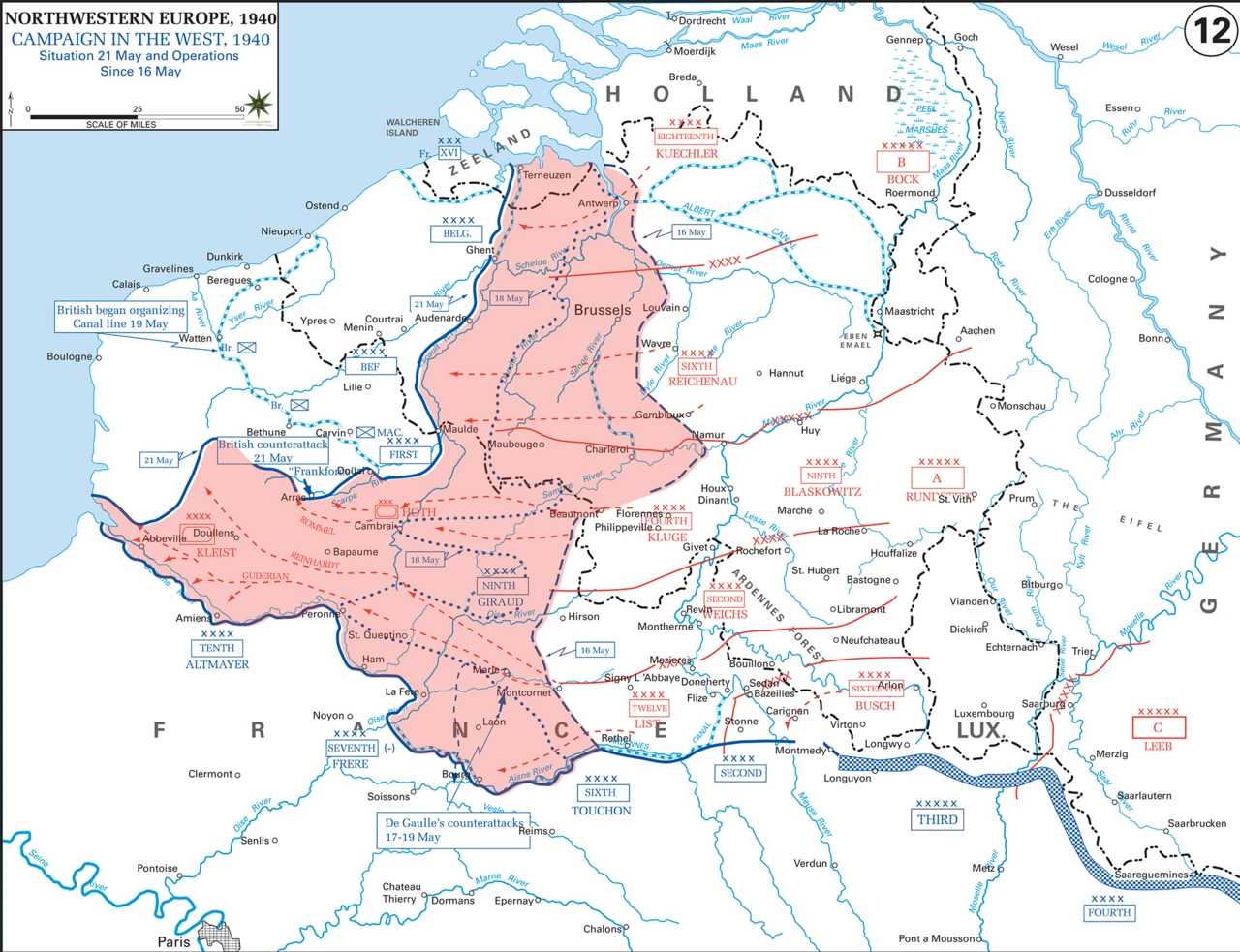
Boulogne — Fox-Pitt and the Guards facing the port
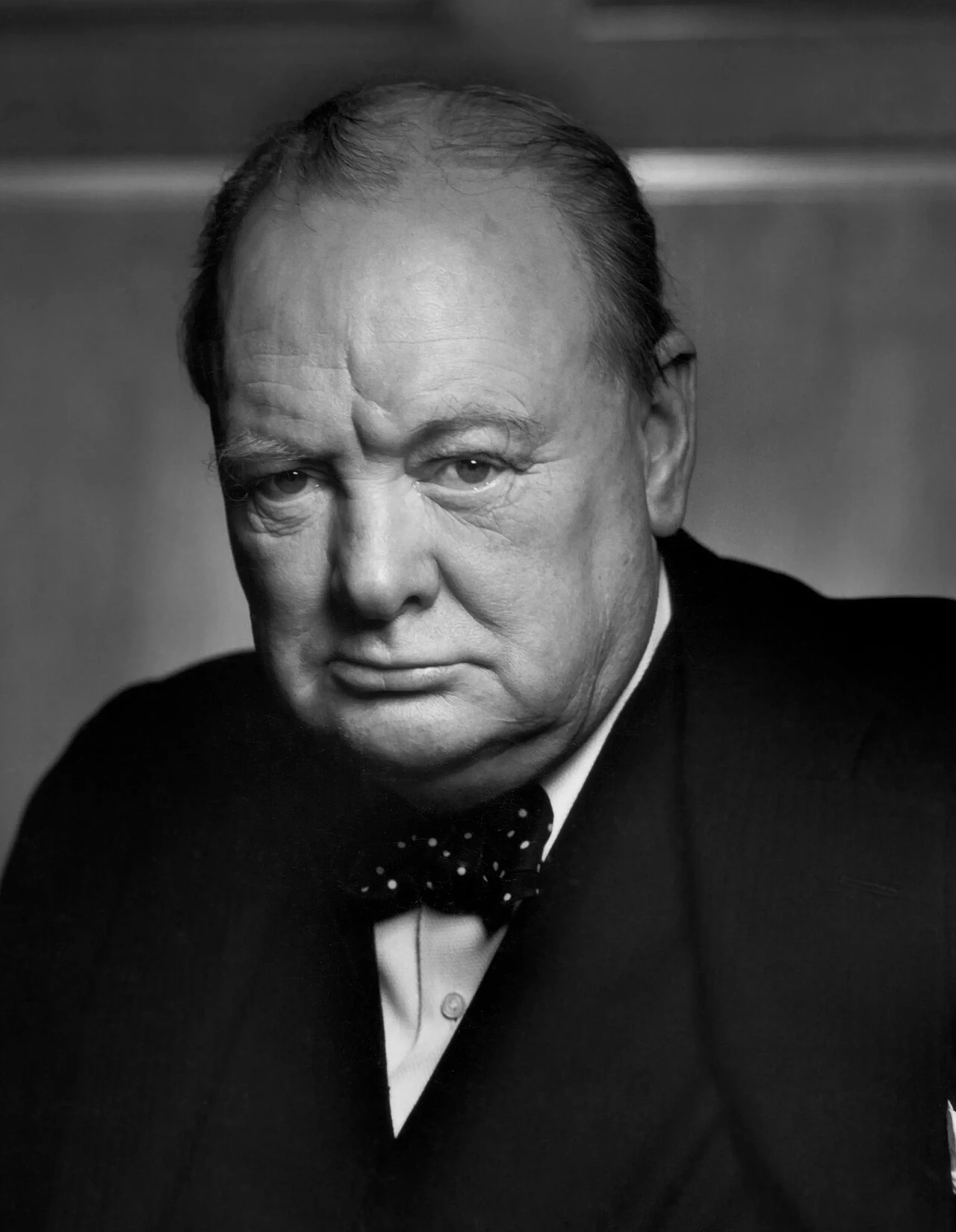
The Cabinet and Operation Catapult — 1 July
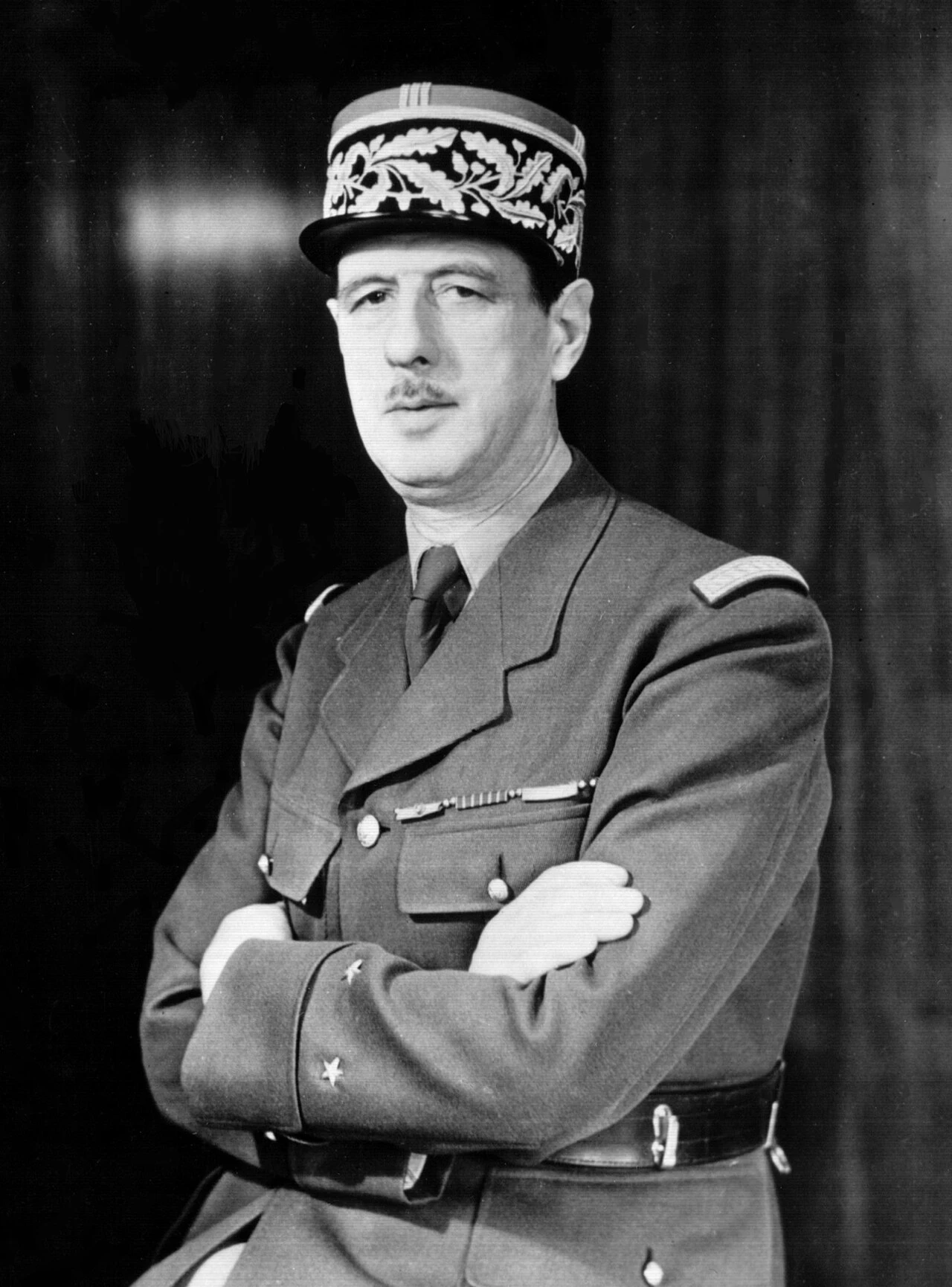
De Gaulle joins the government — 5 June
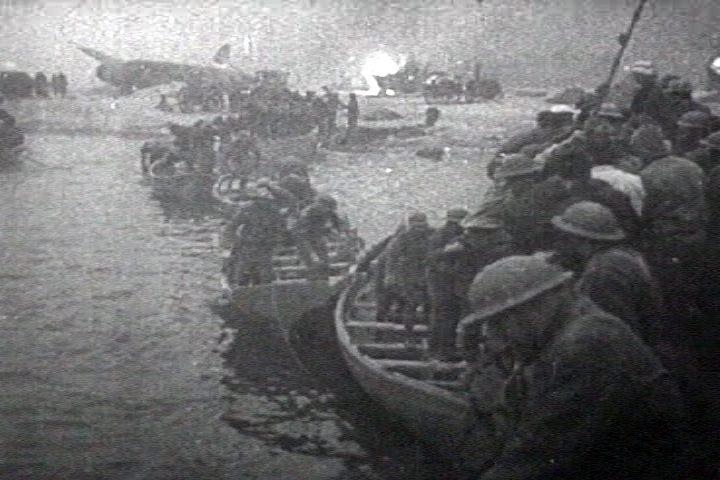
Dunkirk — Tennant and the devastated port
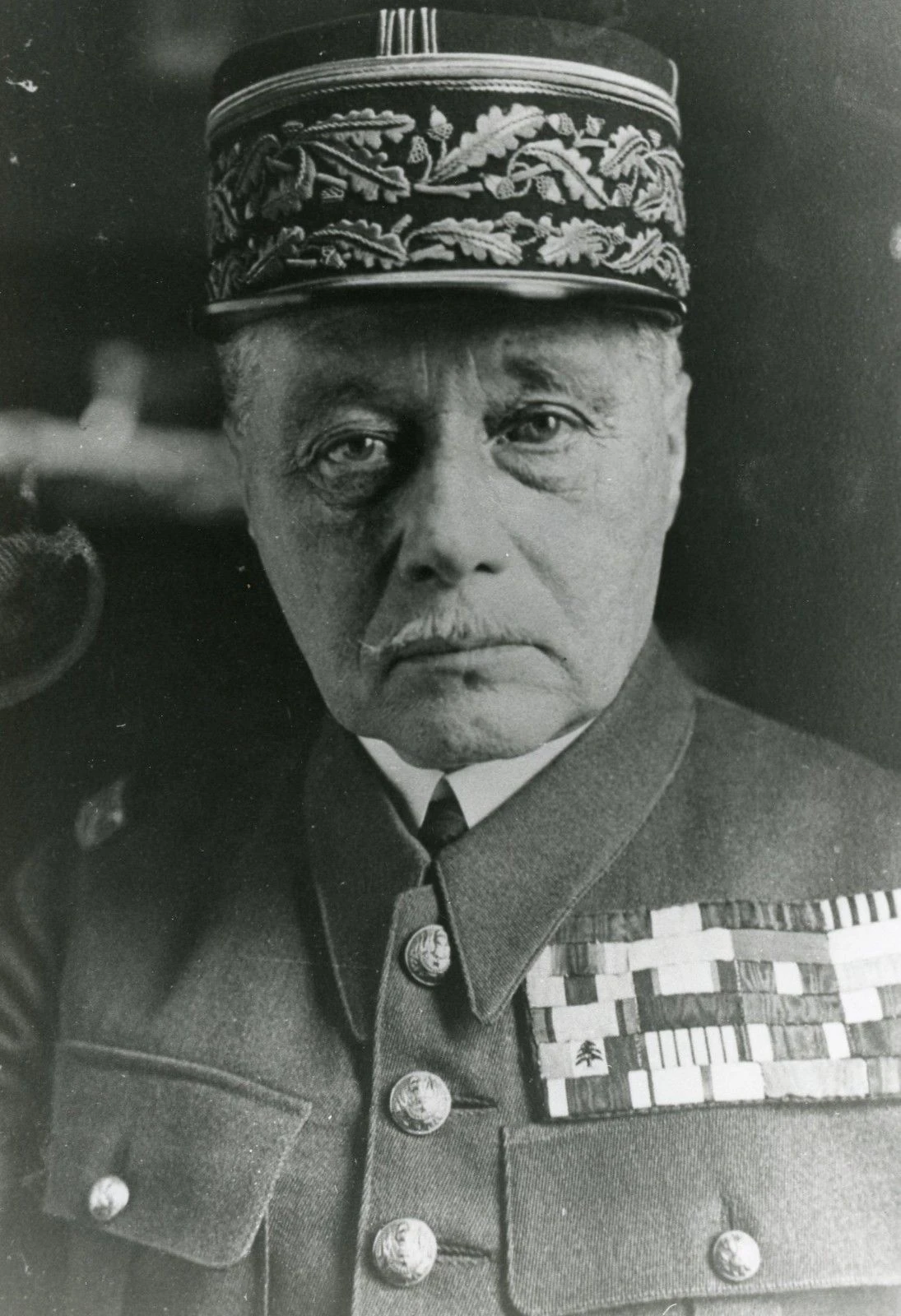
Gamelin, one last order before the envelope
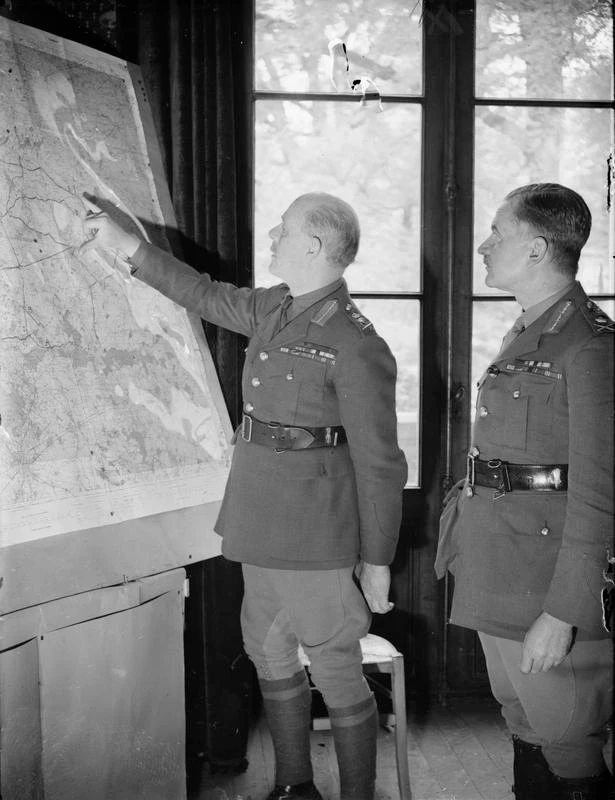
The Order to Evacuate — Gort and Dynamo
Rethondes — Article 8 on the Fleet
The Admiralty and the Strasbourg Rumour
Narvik — too senior an admiral
The blockade of Germany
Boulogne — Fox-Pitt and the Guards facing the port
The Cabinet and Operation Catapult — 1 July
De Gaulle joins the government — 5 June
Dunkirk — Tennant and the devastated port
Gamelin, one last order before the envelope