
A few weeks before the invasion of the Soviet Union (Operation Barbarossa), Hitler wanted this war to be waged differently from the previous ones. In his vision, it was not an ordinary campaign but an ideological and racial 'war of annihilation' against 'Judaeo-Bolshevism.' It remained to translate this intention into concrete instructions for the millions of Wehrmacht soldiers.
The high command (OKW and OKH) had to define the legal regime applicable to invaded Soviet territories and to civilians. Military tradition and the law of war provided that abuses be tried by military tribunals, and that attacks on civilians fall under regulated procedures.
Hitler settled the principle: should the conduct of this war remain subject to the usual laws and military tribunals, which would limit violence against civilians; suspend these safeguards to give the troops broad repressive latitude; or go so far as to exempt soldiers in advance from any prosecution for their acts against the populations? The choice would determine the face of the war in the East.
What legal framework should Hitler set for the conduct of the war in the East?
Hitler imposed B and C. On 13 May 1941, he signed the Kriegsgerichtsbarkeitserlass ('Decree on Military Jurisdiction'), known as the Barbarossa decree: acts by Soviet civilians escaped the tribunals and could be punished 'on the spot' and by collective reprisals; above all, crimes committed by German soldiers against civilians would in principle no longer give rise to prosecution. Supplemented shortly after by the 'Commissar Order' (execution of political commissars), it provided the legal framework for the mass killings to come. These 'criminal orders' bound the Wehrmacht directly to the crimes of the East and shattered after the war the myth of a 'clean' army that had stayed apart from the atrocities. They preceded by a few weeks the entry into action of the .
Learn more about this event
Related polls
10

Gleiwitz — Naujocks at the Transmitter
The Reich Central Office for Jewish Emigration
The Obersalzberg Speech
The Prophecy Speech
Himmler's memorandum to the Führer
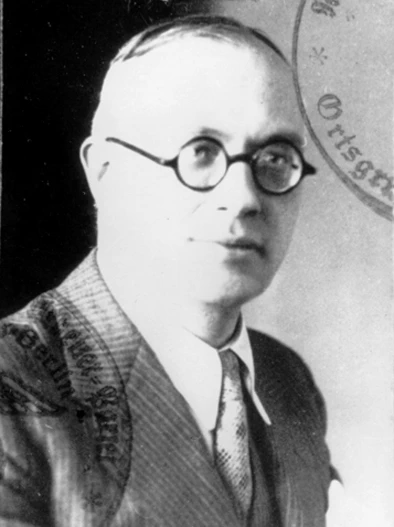
The Madagascar Plan on paper
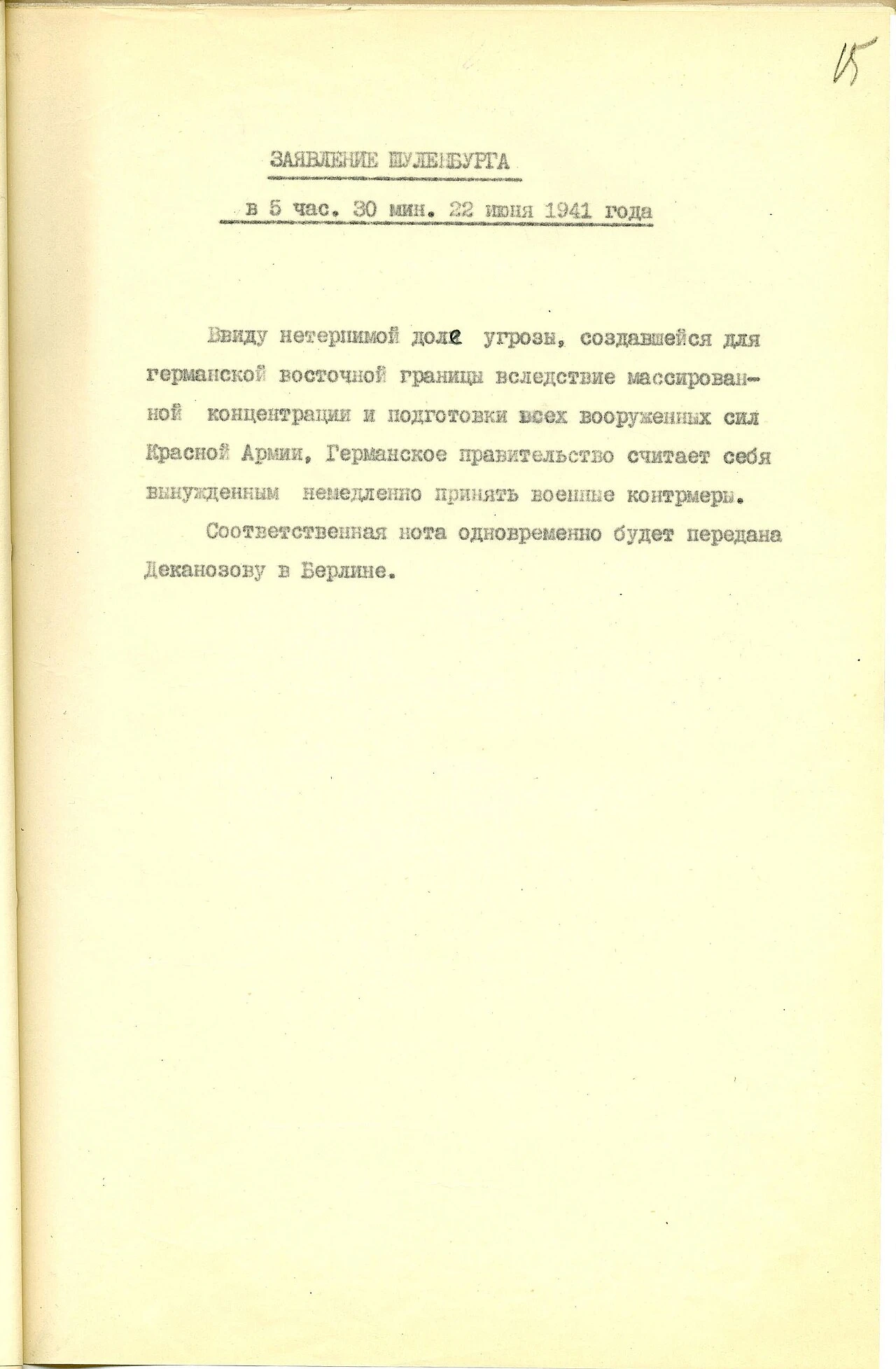
Hitler — the Eve of Barbarossa
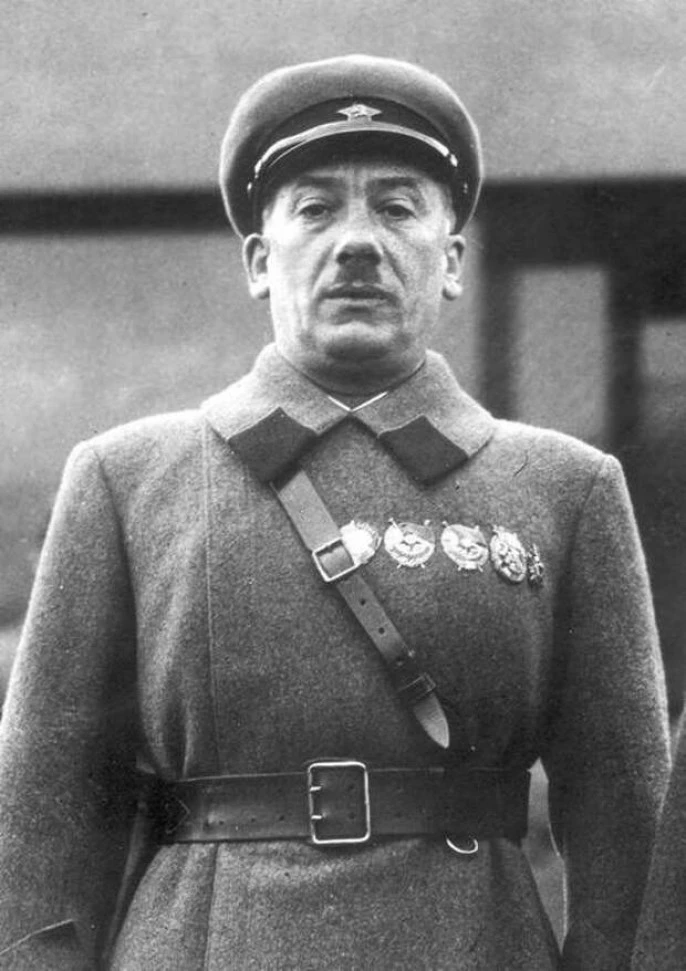
The Commissar Order
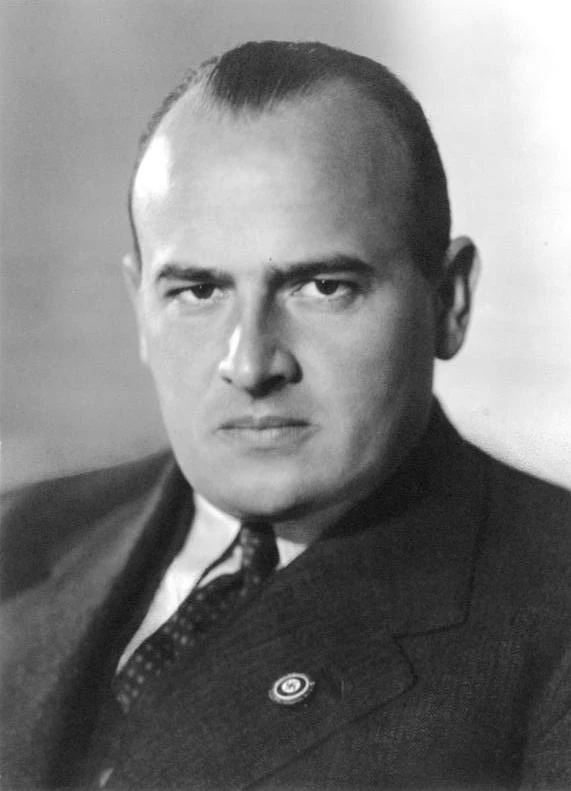
AB Aktion — planning at the Wawel
Forster — Kashubians and Kociewiacy
Gleiwitz — Naujocks at the Transmitter
The Reich Central Office for Jewish Emigration
The Obersalzberg Speech
The Prophecy Speech
Himmler's memorandum to the Führer
The Madagascar Plan on paper
Hitler — the Eve of Barbarossa
The Commissar Order
AB Aktion — planning at the Wawel