
If the "fifth column" of 1940 was above all a collective psychosis, there did exist a real German clandestine activity, though on a far smaller scale than the panic supposed: Brandenburger commandos infiltrated in enemy uniform to seize bridges (Gennep), agents preparing acts of sabotage, local sympathisers providing intelligence.
The Allied security services had to distinguish the real threat from rumour. They could concentrate their efforts on the truly sensitive objectives — bridges, depots, signals — that enemy agents sought to neutralise. They could react to every alert, at the risk of dispersing their effort and feeding the panic on unfounded suspicions. Or they could play down the threat, at the risk of letting real saboteurs act.
The challenge was to keep one's composure: almost all the alerts were false, but a tiny minority corresponded to genuine enemy action. To do too much exposed one to panic and its blunders; to do too little, to letting commandos seize key points. The right balance was all but impossible to strike in the chaos of the invasion.
Should the security services target only the sensitive objectives, react to every alert, or play down the threat?
In the chaos, it was B that prevailed — with its excesses: the fifth-column psychosis drove people to react to countless false alarms, provoking arbitrary arrests, blunders and tragedies (Abbeville). Yet the real threat was far more limited: a few coups de main by the Brandenburgers (Gennep), occasional acts of sabotage, intelligence supplied by sympathisers — locally effective, but bearing no comparison with the imagined scale. The episode illustrates the difficulty of distinguishing real danger from rumour in a time of crisis: the collective overreaction caused more victims (innocents arrested or killed) than the enemy agents themselves. The "fifth column" of 1940 was above all a psychological weapon — and the Allies inflicted a good part of it upon themselves.
Learn more about this event
Related polls
10
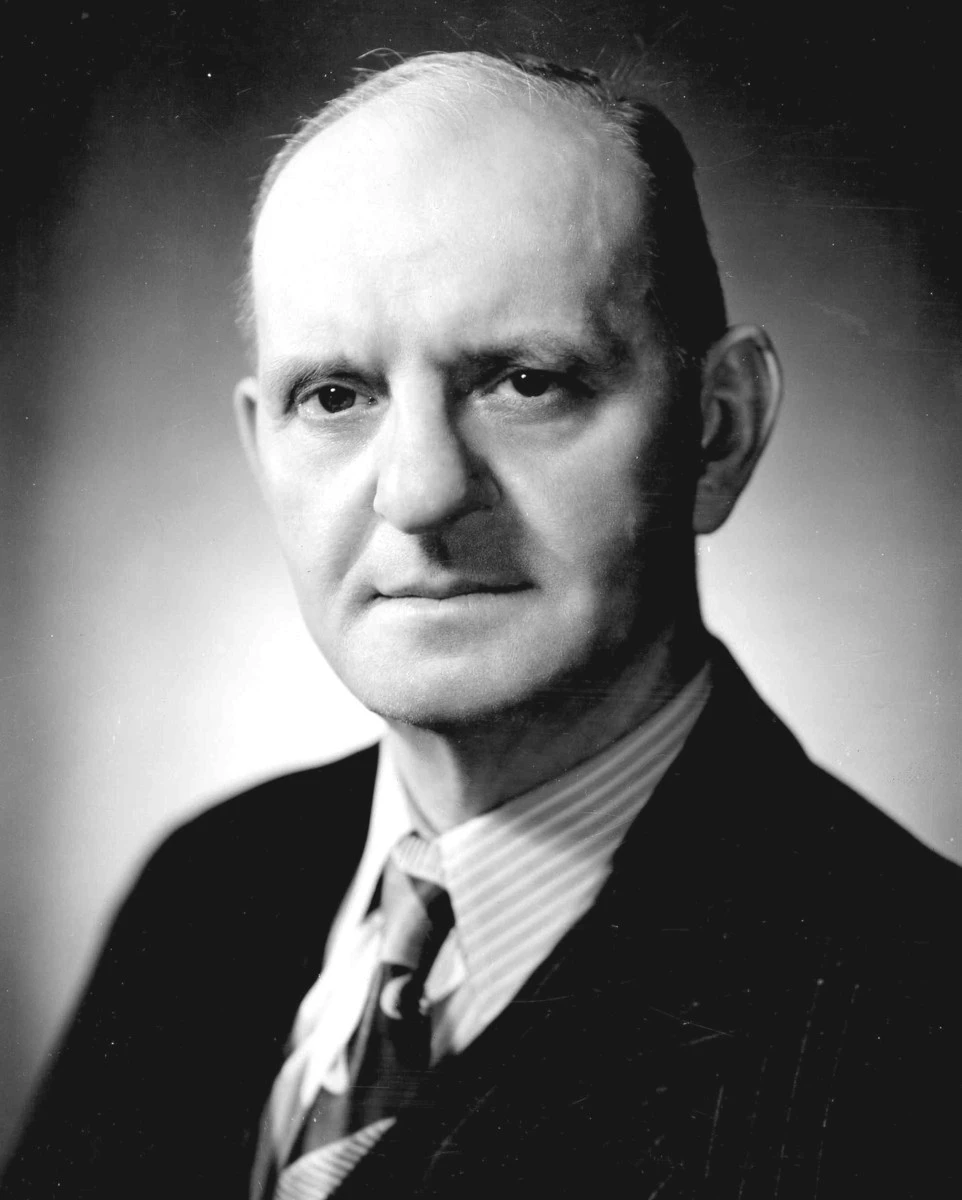
Ganshof and the "suspects"
The Mechelen incident (captured plans)
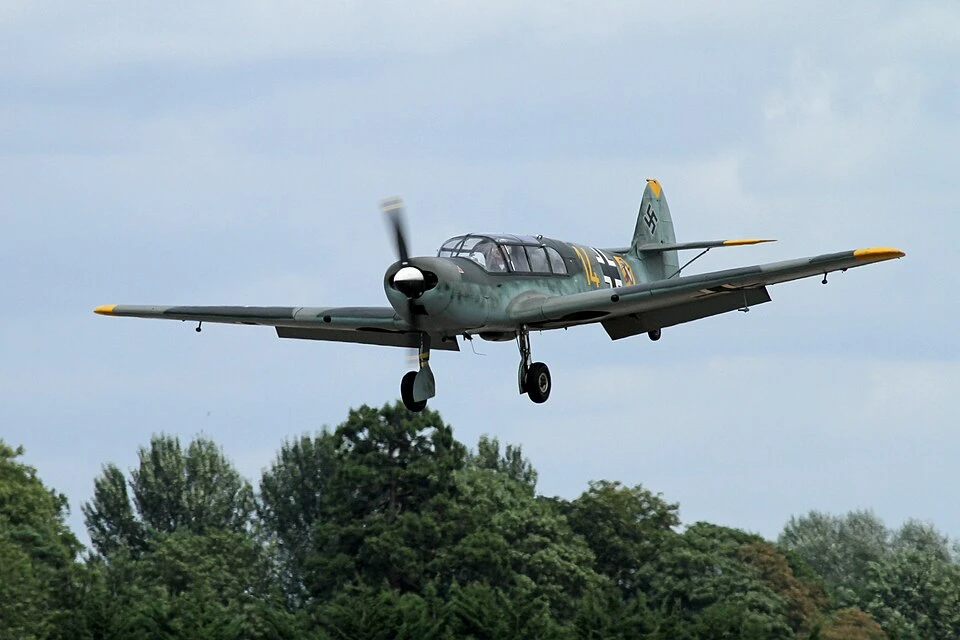
Mechelen — Reinberger, 10 January 11:30
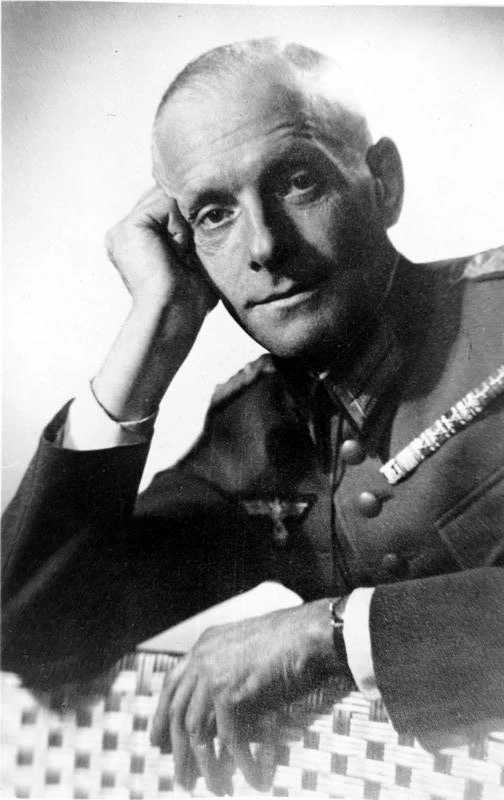
Oster picks up the telephone
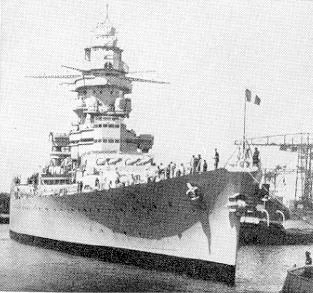
The Admiralty and the Strasbourg Rumour
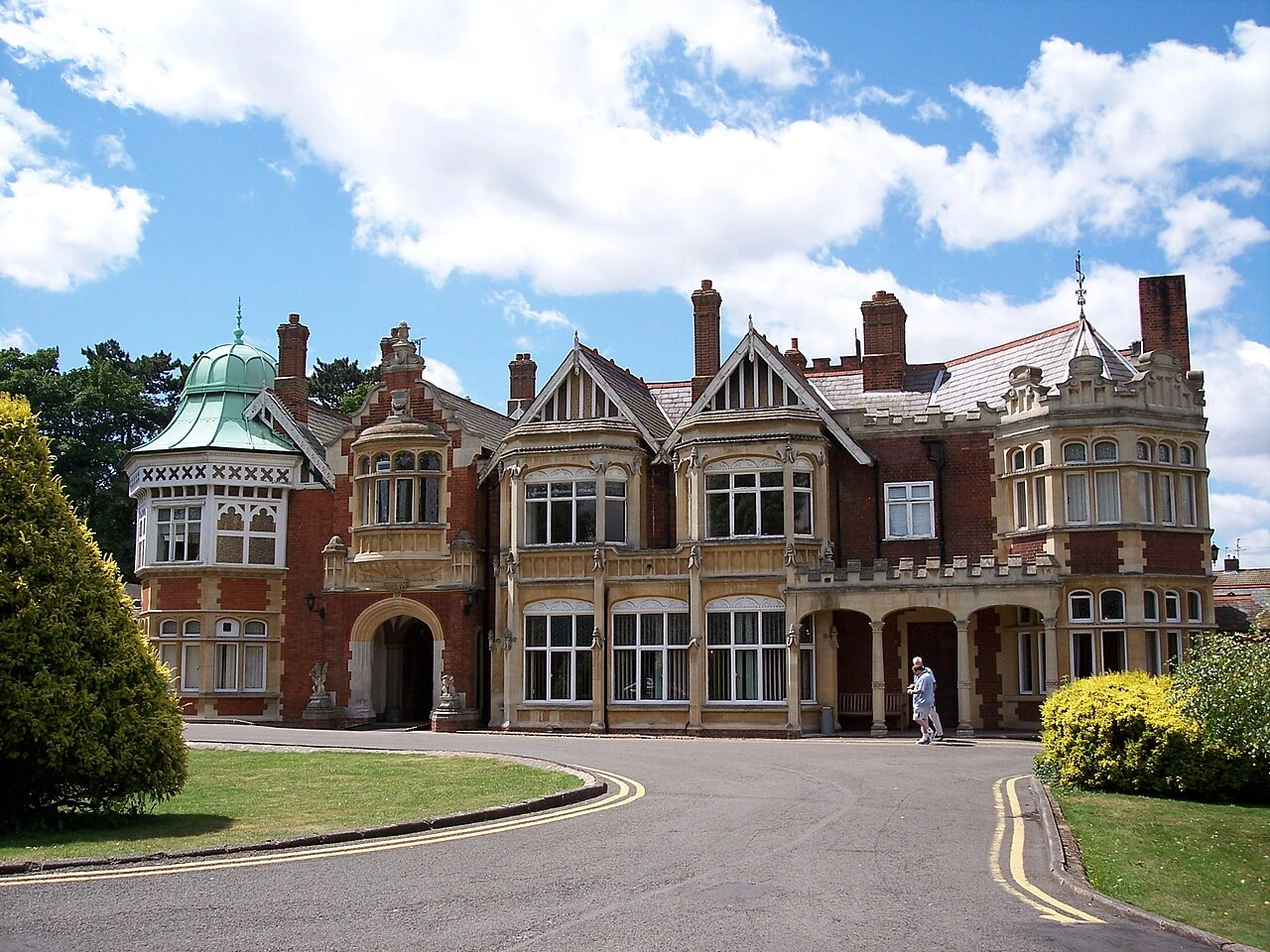
Bletchley breaks the Norway Enigma
The abatis of the Chasseurs Ardennais
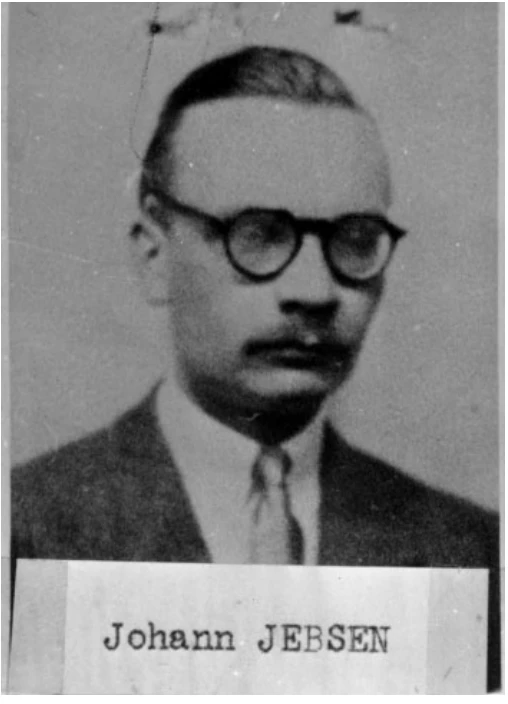
The turned agent and what he is allowed to say

The Belgian air force on the ground

The Houx weir
Ganshof and the "suspects"
The Mechelen incident (captured plans)
Mechelen — Reinberger, 10 January 11:30
Oster picks up the telephone
The Admiralty and the Strasbourg Rumour
Bletchley breaks the Norway Enigma
The abatis of the Chasseurs Ardennais
The turned agent and what he is allowed to say
The Belgian air force on the ground