
Rommel before the Serre — the Crécy bridge
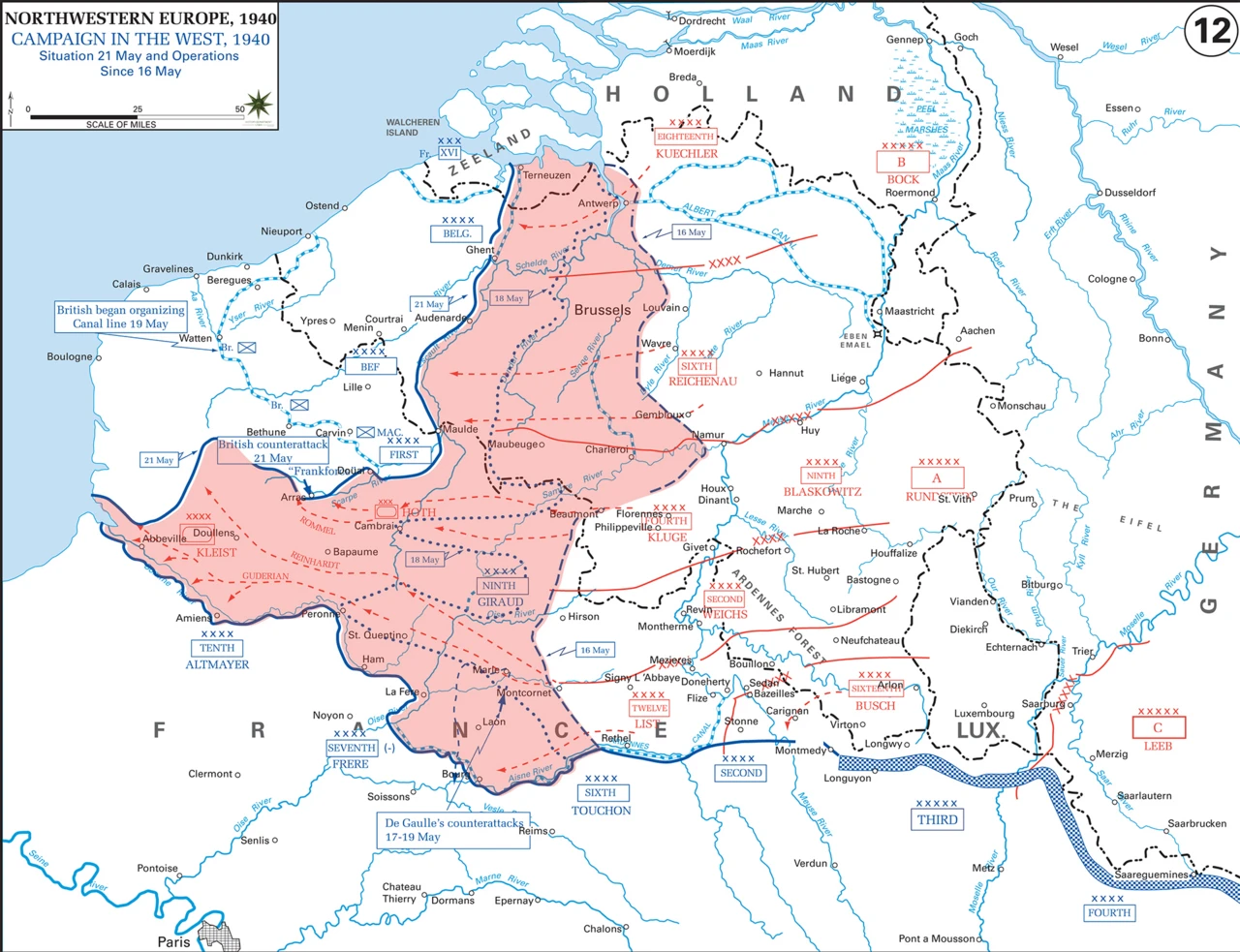
While Guderian wrestled with his superior Kleist to the south, was driving his lightning advance farther north. On the morning of 17 May, his reached Crécy-sur-Serre, in the Aisne — some 35 miles west of the Meuse he had crossed four days earlier. In three days his division had covered 55 miles, bypassing pockets of resistance by a sequence of audacious initiatives that earned it the nickname Gespensterdivision.
The Serre was a small river, but it constituted an obstacle: Rommel did not know whether it was defended. His column was advancing with only four tanks in the lead, for he had once again outpaced the bulk of his forces. Before him, the bridge at Crécy-sur-Serre looked intact — but doubtless mined, ready to blow.
If he sent out a cautious reconnaissance, he would lose six to twelve hours and give the French time to destroy the structure. If he raced forward in his command tank to seize the bridge by surprise, he would expose himself in the front line. Rommel had to choose quickly.
Race forward in person at the head to seize the bridge, or wait safely for the infantry?
Rommel applied A. He climbed into his Panzerbefehlswagen himself and charged the bridge with three other tanks. The structure was intact; he crossed it around 09:00 and gained the west bank without encountering organised resistance. By midday he was at Marle, abreast of Guderian; in the afternoon he pushed on toward Le Cateau-Cambresis. In a single day the covered some 80 miles — one of the longest bounds of the entire campaign. Rommel's audacity, commanding constantly from the leading edge, disorganised the French defences before they could form. His division remained unfindable, even for the OKH. Rommel would soon earn the nickname Wüstenfuchs, the "Desert Fox," in North Africa (1941-1942). Compromised in the 20 July 1944 plot, he was forced to suicide on 14 October 1944, aged 52.
Learn more about this event
Related polls
10
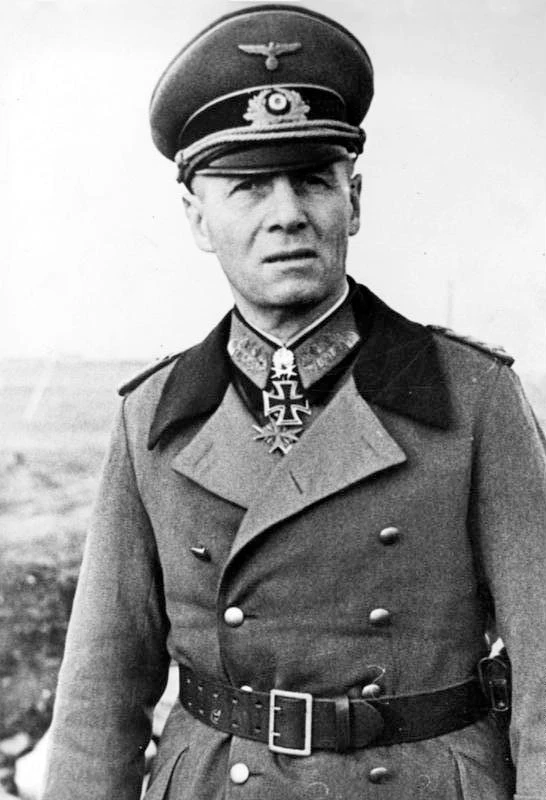
Rommel before the Meuse — Dinant, 13 May
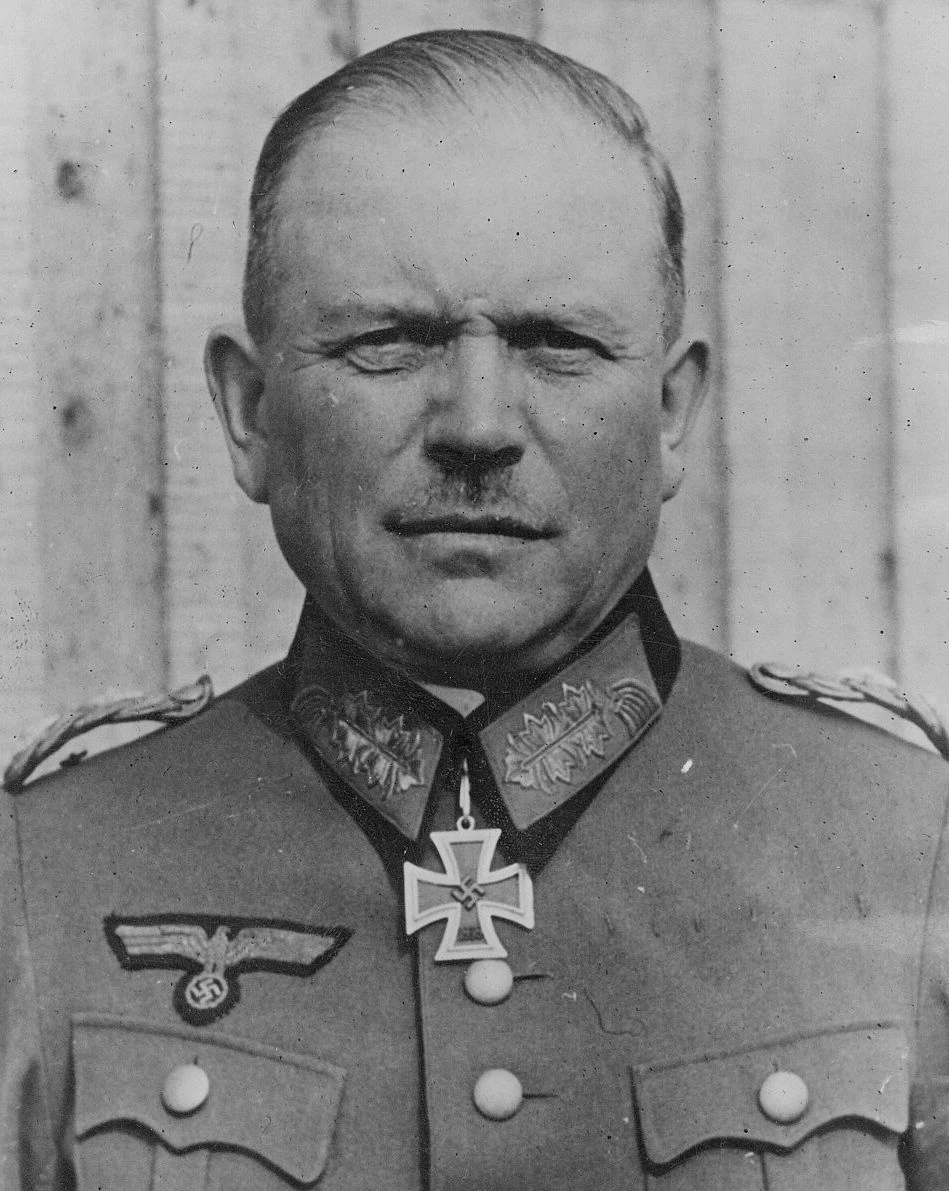
Sedan — Guderian on the Meuse
The Houx weir
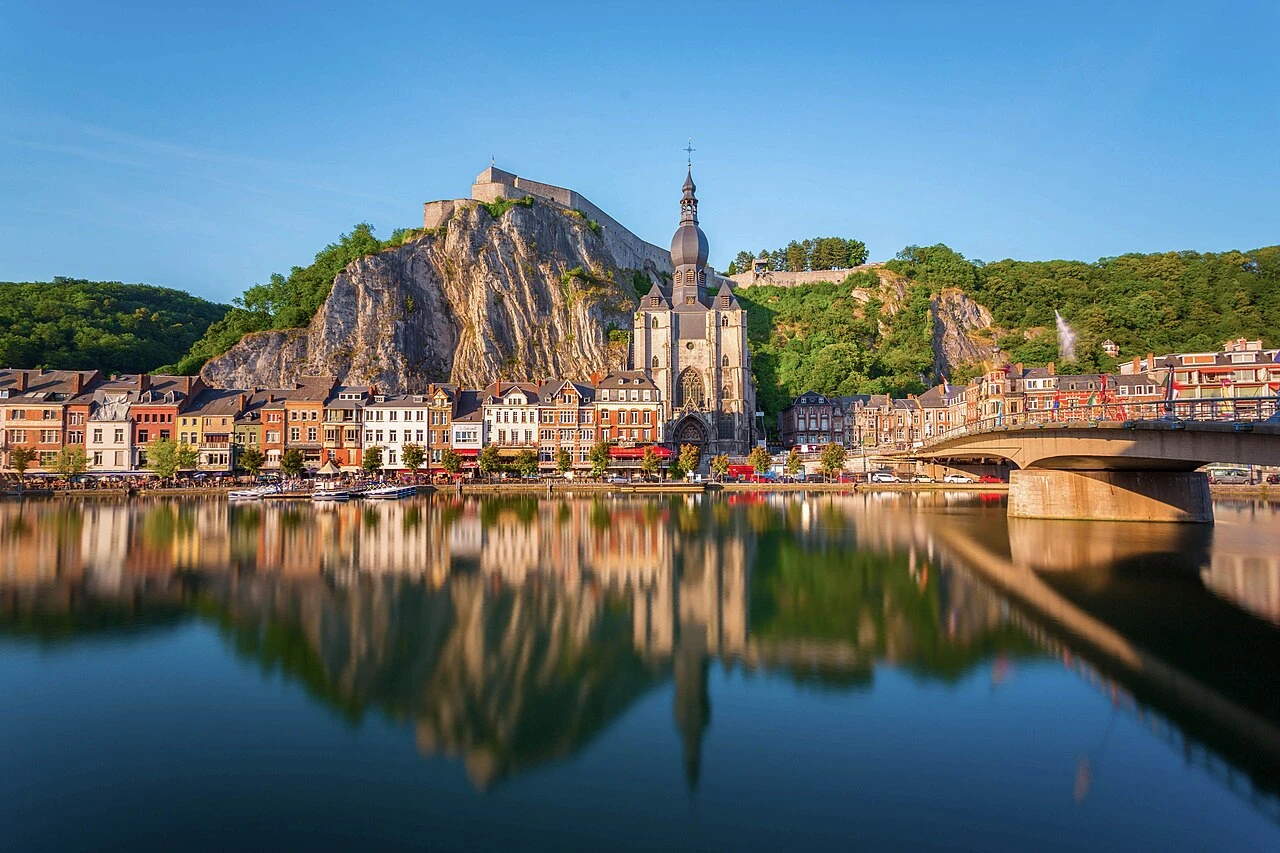
The crossing of the Meuse at Dinant
Pintor in the Alps — 21 June
Arras — the Matildas against Rommel's flank
Bulson — Lafontaine and the 02:00 rumour
Calais — Nicholson facing the ultimatum
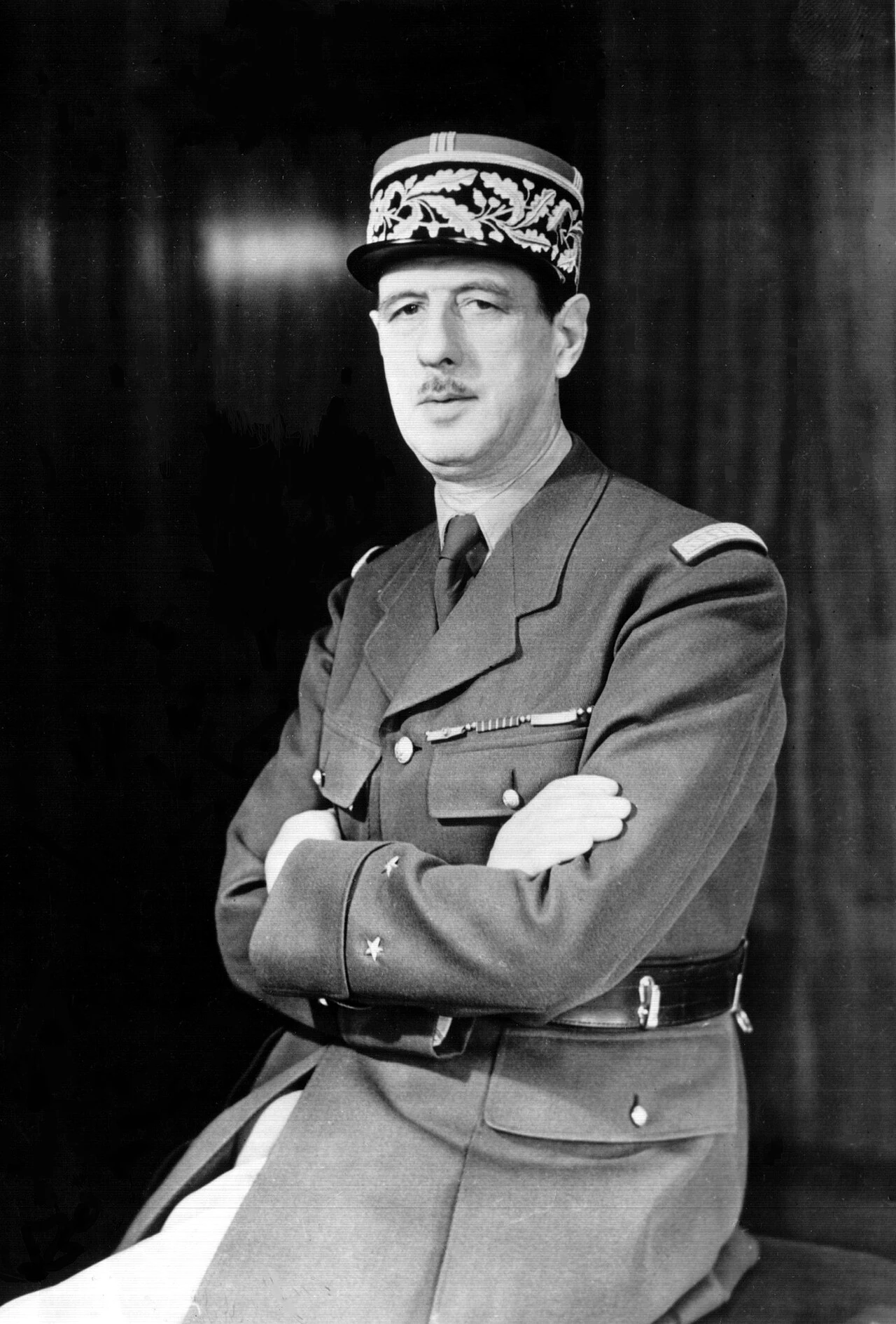
De Gaulle at Abbeville
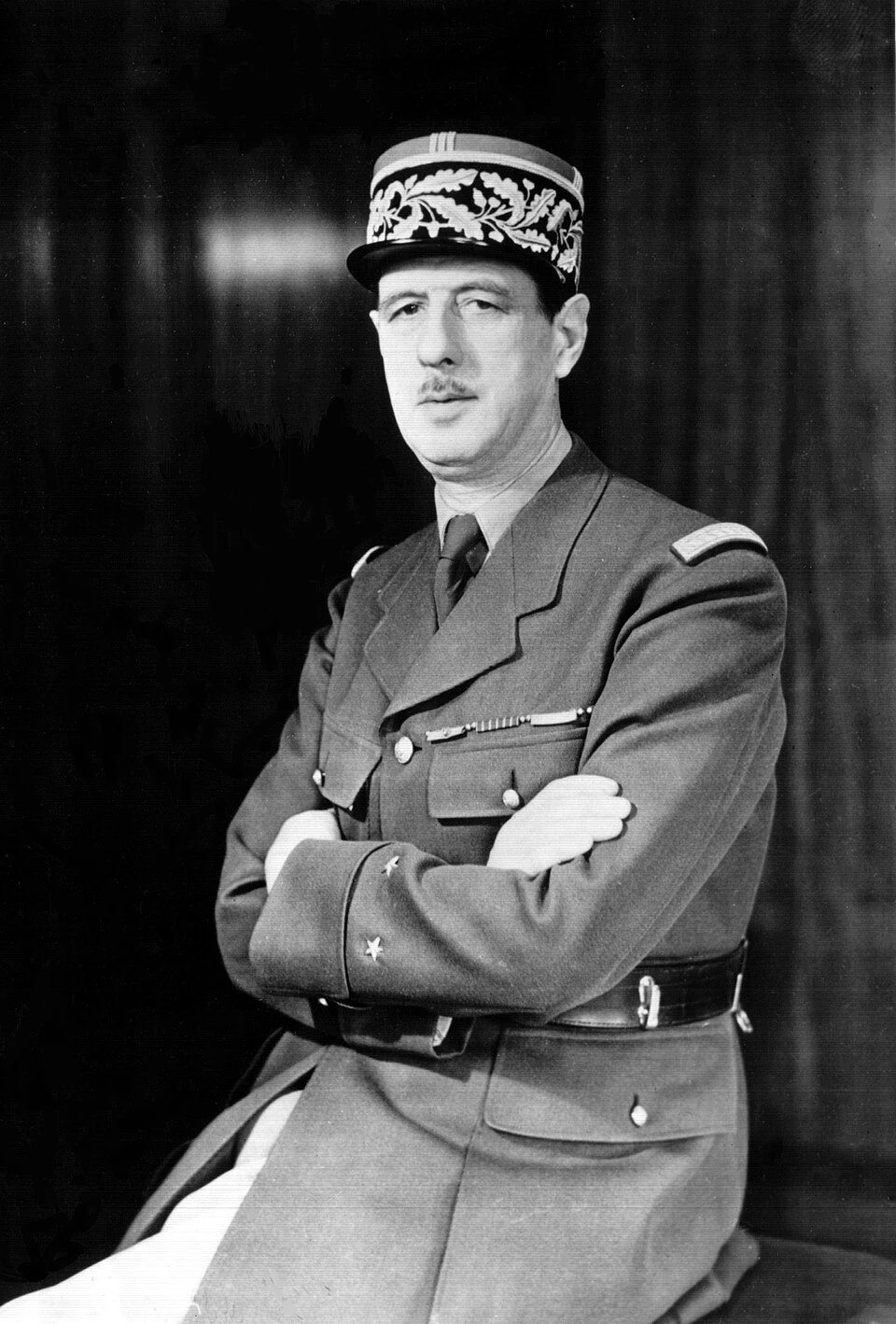
De Gaulle at Montcornet — 17 May
Rommel before the Meuse — Dinant, 13 May
Sedan — Guderian on the Meuse
The Houx weir
The crossing of the Meuse at Dinant
Pintor in the Alps — 21 June
Arras — the Matildas against Rommel's flank
Bulson — Lafontaine and the 02:00 rumour
Calais — Nicholson facing the ultimatum
De Gaulle at Abbeville