
With the occupation, the movements that advocate collaboration with Germany emerge strengthened. In Flanders, the VNV (Vlaams Nationaal Verbond), Flemish nationalist, hopes to obtain Flemish autonomy or independence from the occupier. In Wallonia and Brussels, 's Rex movement, hesitant at first, slides towards an increasingly open collaboration. Both promise order, careers and a place in the "new European order".
For you, won over or opportunistic, the temptation arises. To join one of these movements, out of conviction, ambition or to benefit from the occupier's favours. To stay clear of any commitment, in cautious neutrality. Or to oppose them openly, at the risk of reprisals.
The stakes are moral as much as political: to choose collaboration is to bet on a German victory and to place oneself on the side of the occupier; to abstain is to wait, sometimes out of calculation, sometimes out of patriotism. In the summer of 1940, the future appears sealed in Germany's favour, which makes the collaborationist temptation all the stronger.
Should our young Belgian join the VNV or Rex, stay clear, or oppose them?
The vast majority keeps to B (cautious wait-and-see), but an active minority chooses A: the VNV and, later, Rex provide the occupier with cadres, administrators, and then volunteers for the Eastern Front (the , the ). The occupier at first favours the VNV (within the framework of the Flamenpolitik) before also relying on Rex. This political collaboration, a minority but real, will lead to a growing hold of these movements over the administration from 1941, and to a severe repression at the Liberation. The choice of 1940, made when Germany seemed invincible, will be heavy with consequences for those who committed to it.
Learn more about this event
Related polls
10

The Tizard Mission's Trunk for America
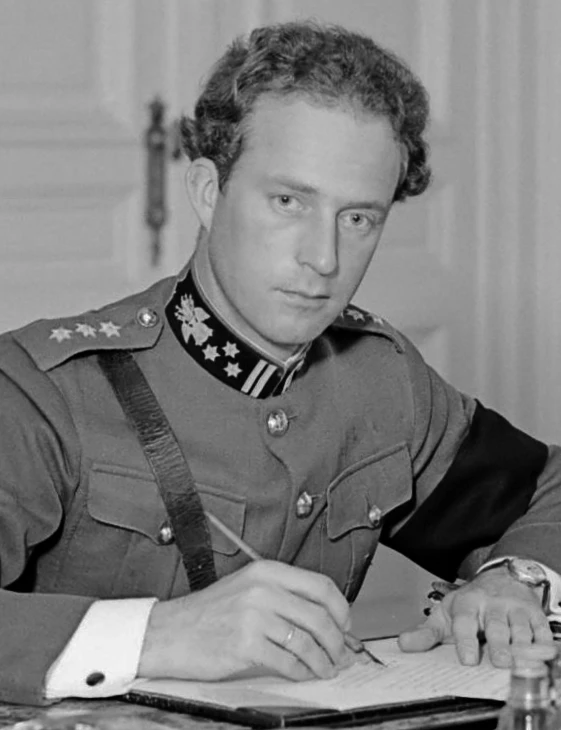
Leopold III takes command
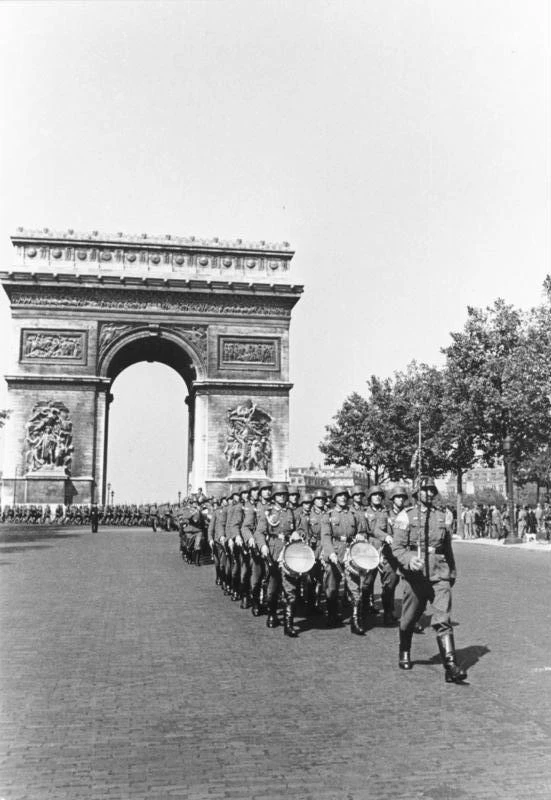
The Press under German Control
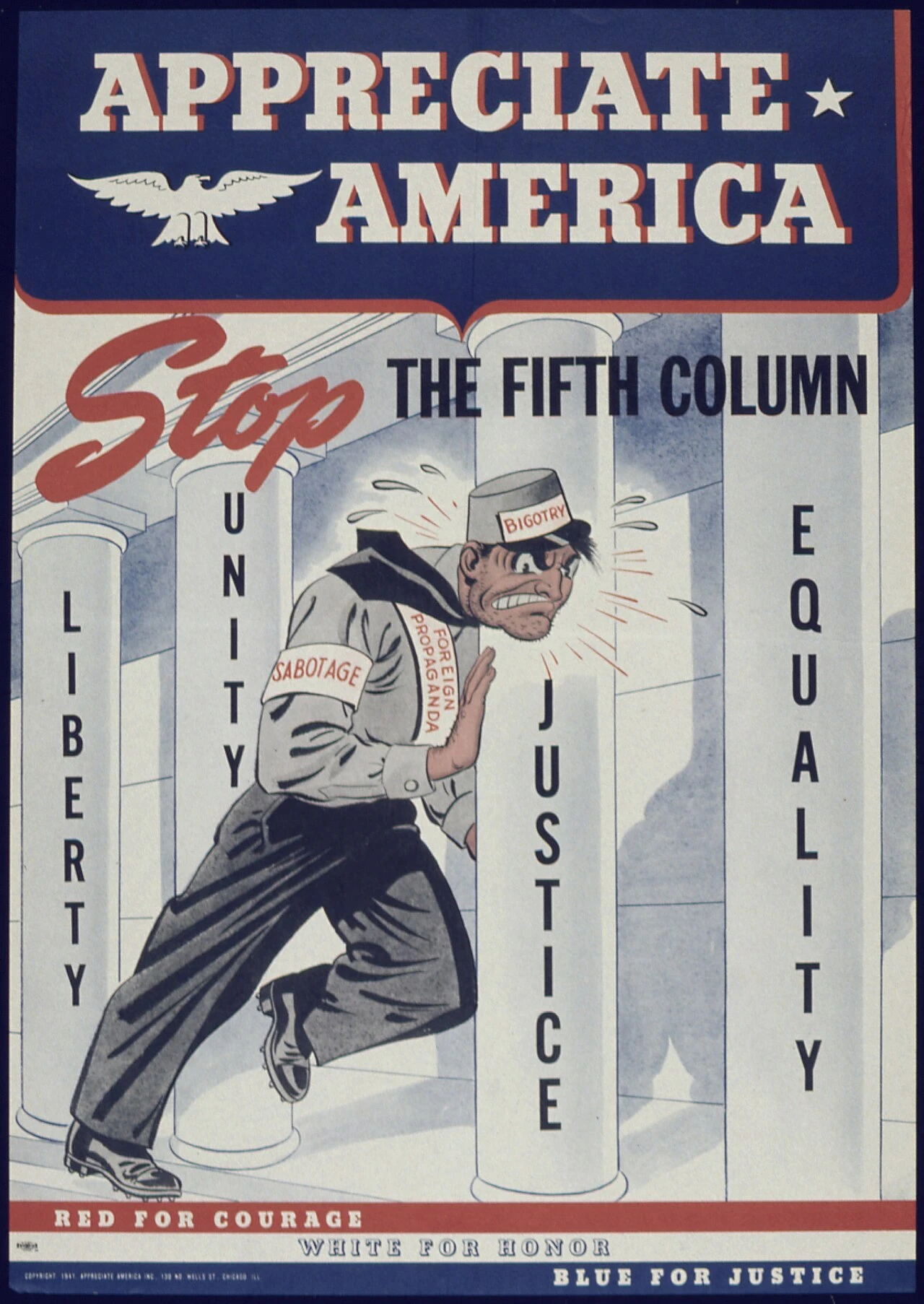
The fifth-column psychosis

The Secretaries-General — Stay or Resign
Neutral Belgium — let the Allies in?
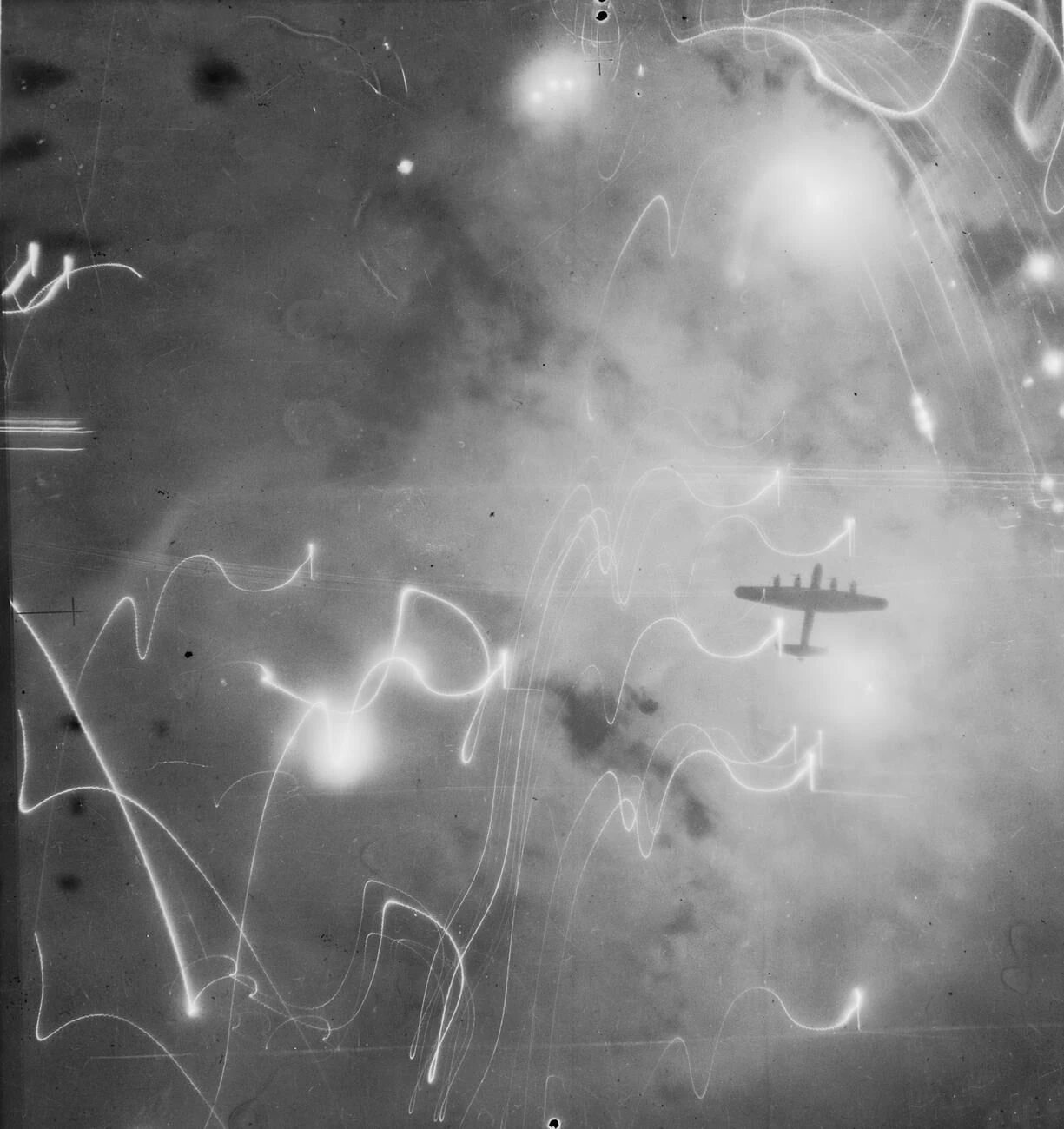
Bombing London — and the reply on Berlin
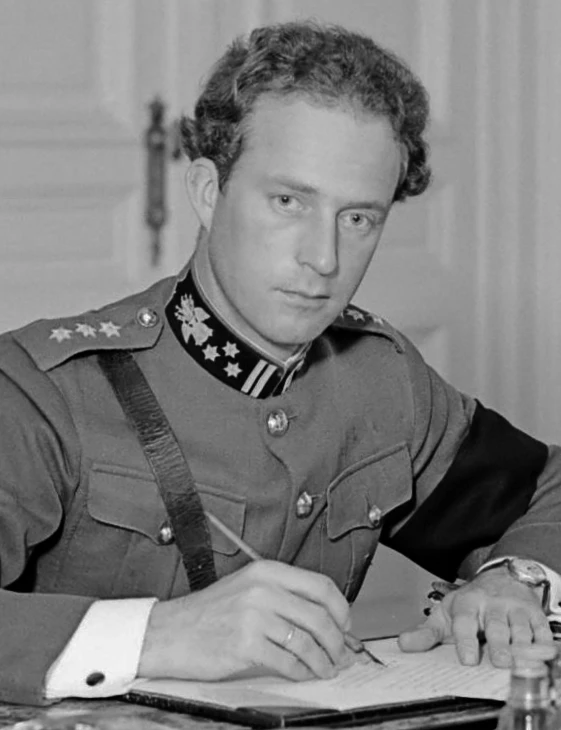
Brussels, September 1939: a small country's tightrope walk
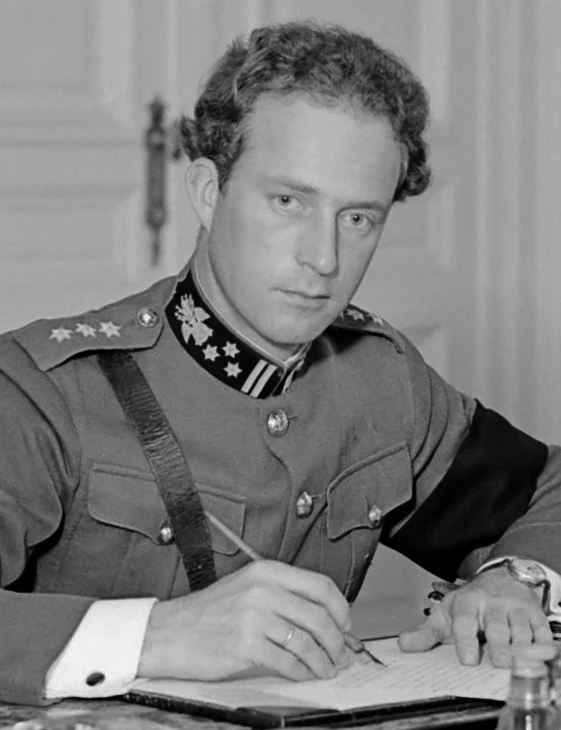
The Capitulation of 28 May
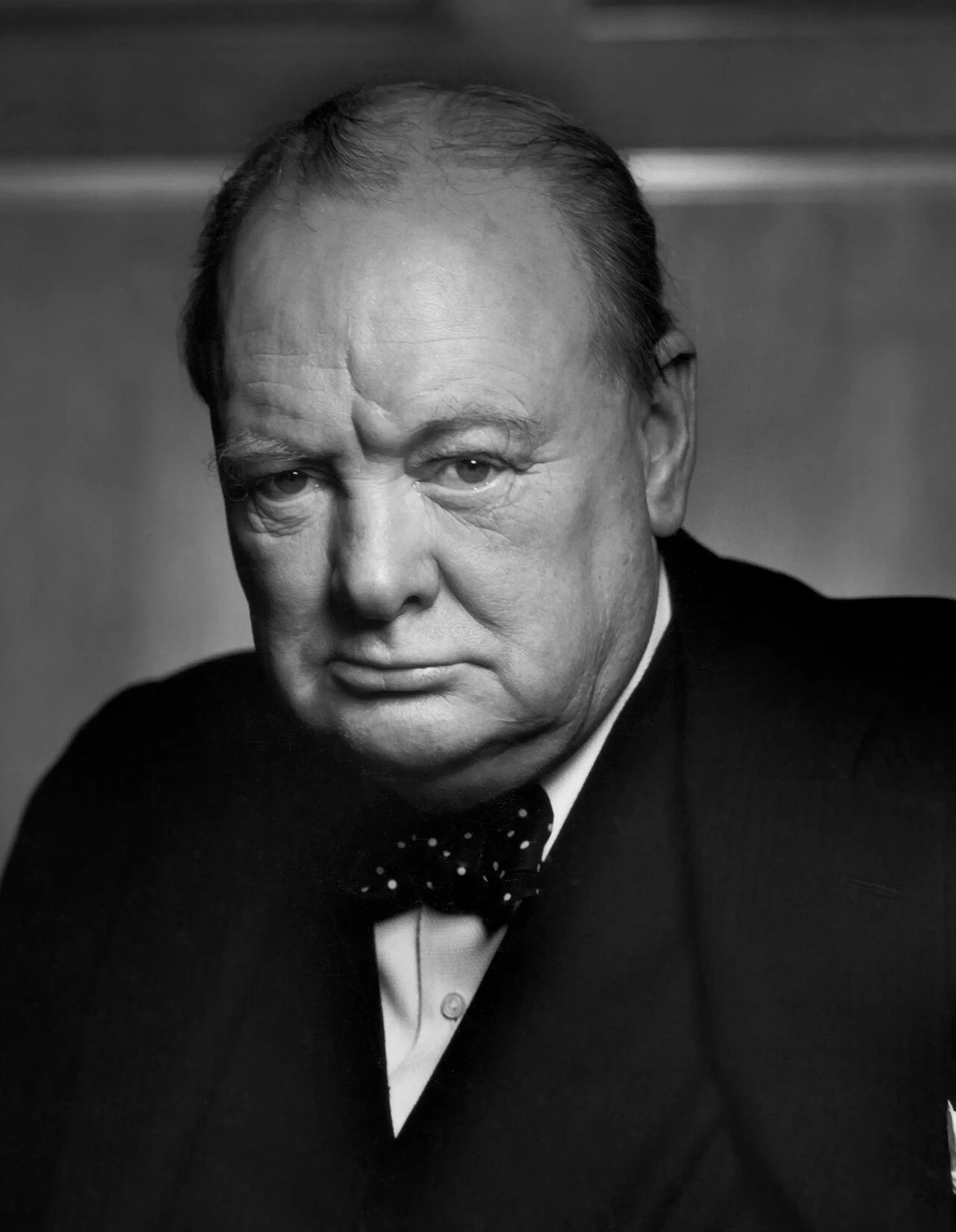
Churchill and the ultimatum on the Burma Road
The Tizard Mission's Trunk for America
Leopold III takes command
The Press under German Control
The fifth-column psychosis
The Secretaries-General — Stay or Resign
Neutral Belgium — let the Allies in?
Bombing London — and the reply on Berlin
Brussels, September 1939: a small country's tightrope walk
The Capitulation of 28 May