
Breaking the night Blitz: who owns the darkness?
In the autumn of 1940, the Luftwaffe abandoned the daytime air battle and shifted to the Blitz: massive night bombing raids on London and the industrial cities. The RAF's night defence rests on a ragtag and largely ineffective assortment: searchlights, anti-aircraft guns, visual observers. The Spitfires and Hurricanes, fearsome by day, almost never find their target in the dark.
The Air Staff convenes a heavyweight committee chaired by Sir , with , Tedder and Joubert de la Ferté among its members. Three families of solutions are in contention. Some want to throw the mass of existing single-engine fighters into the night, backed by searchlights and 'illuminator' aircraft. Others bet on a new machine, Bristol's twin-engine Beaufighter, roomy enough to carry an airborne AI radar and four 20 mm cannon, guided from the ground by a new type of interception radar. Still others judge it better to thicken up the anti-aircraft and searchlight defences already in place.
The choice commits industry, the allocation of scarce radars and the fate of Britain's cities under the bombs.
To defeat the German night bombers, which path should the committee recommend as its top priority?
The committee and the Air Staff adopt the technological path: concentrating the effort on twin-engine Beaufighter fighters fitted with the airborne AI Mk IV radar, guided by a network of ground-based interception radar stations (Ground Controlled Interception, GCI). The first GCI stations become operational in the winter of 1940-1941 (Sopley, 1 January 1941). The GCI + Beaufighter pairing changes everything: by the spring of 1941 these aircraft, which fly only a minority of night sorties, are responsible for the great majority of bombers destroyed. Combined with the Luftwaffe's departure for the East in May 1941, this system contributes decisively to the end of the Blitz. The single-engine 'cat's eye' fighters and the illumination systems (Turbinlite) produce disappointing results.
Learn more about this event
Related polls
10
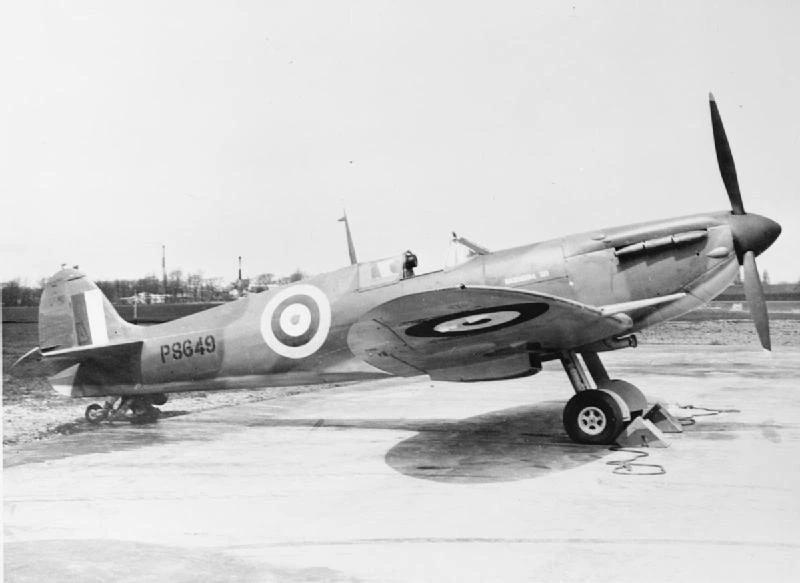
The Shadow Factories
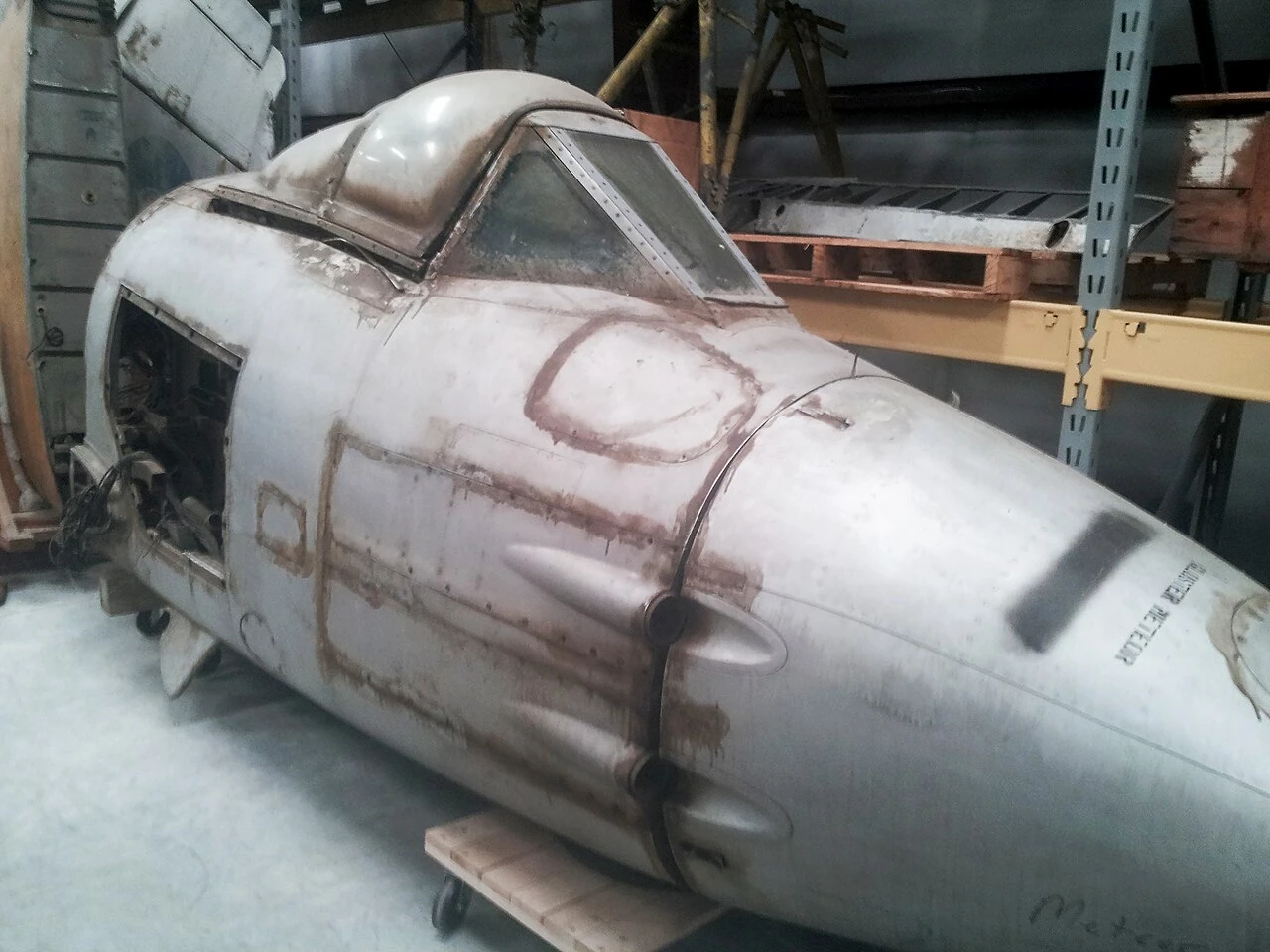
The Lutterworth Turbine
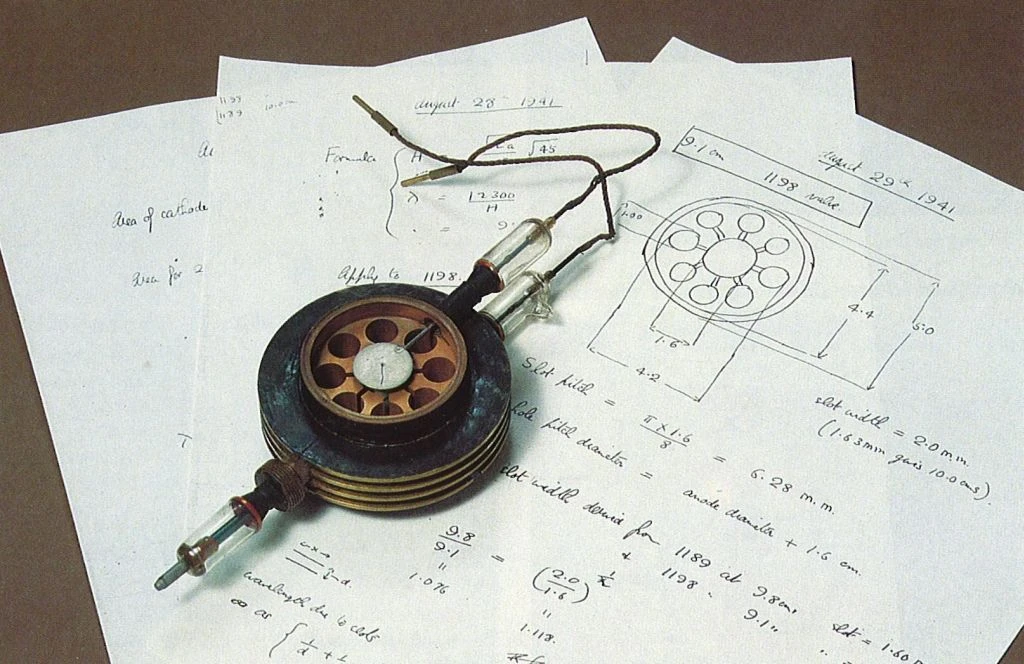
The Tizard Mission's Trunk for America
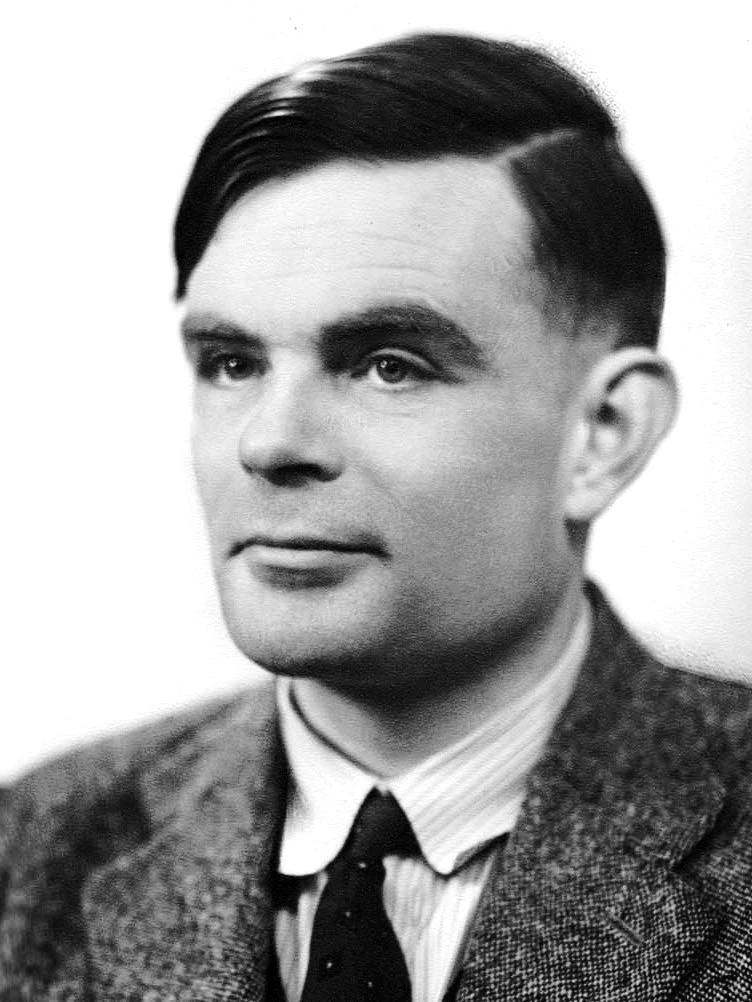
The Cambridge mathematician sworn to secrecy at Bletchley
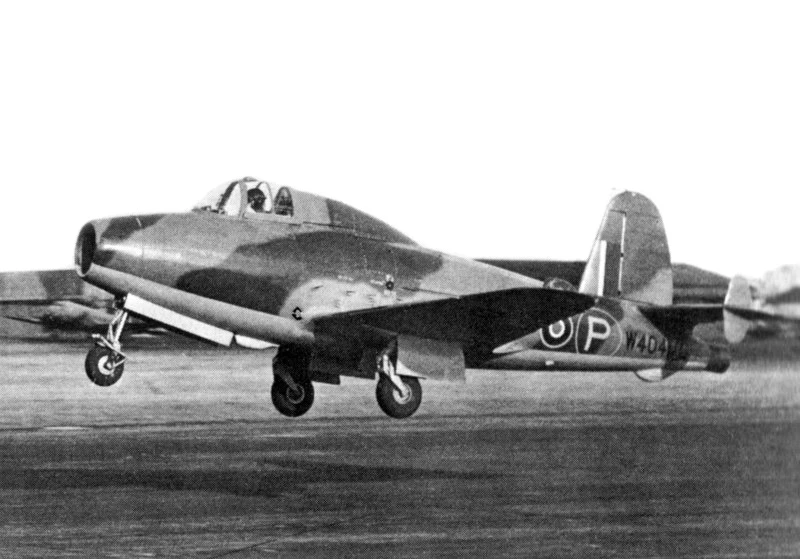
Whittle, his jet engine and the rebellious combustion chamber
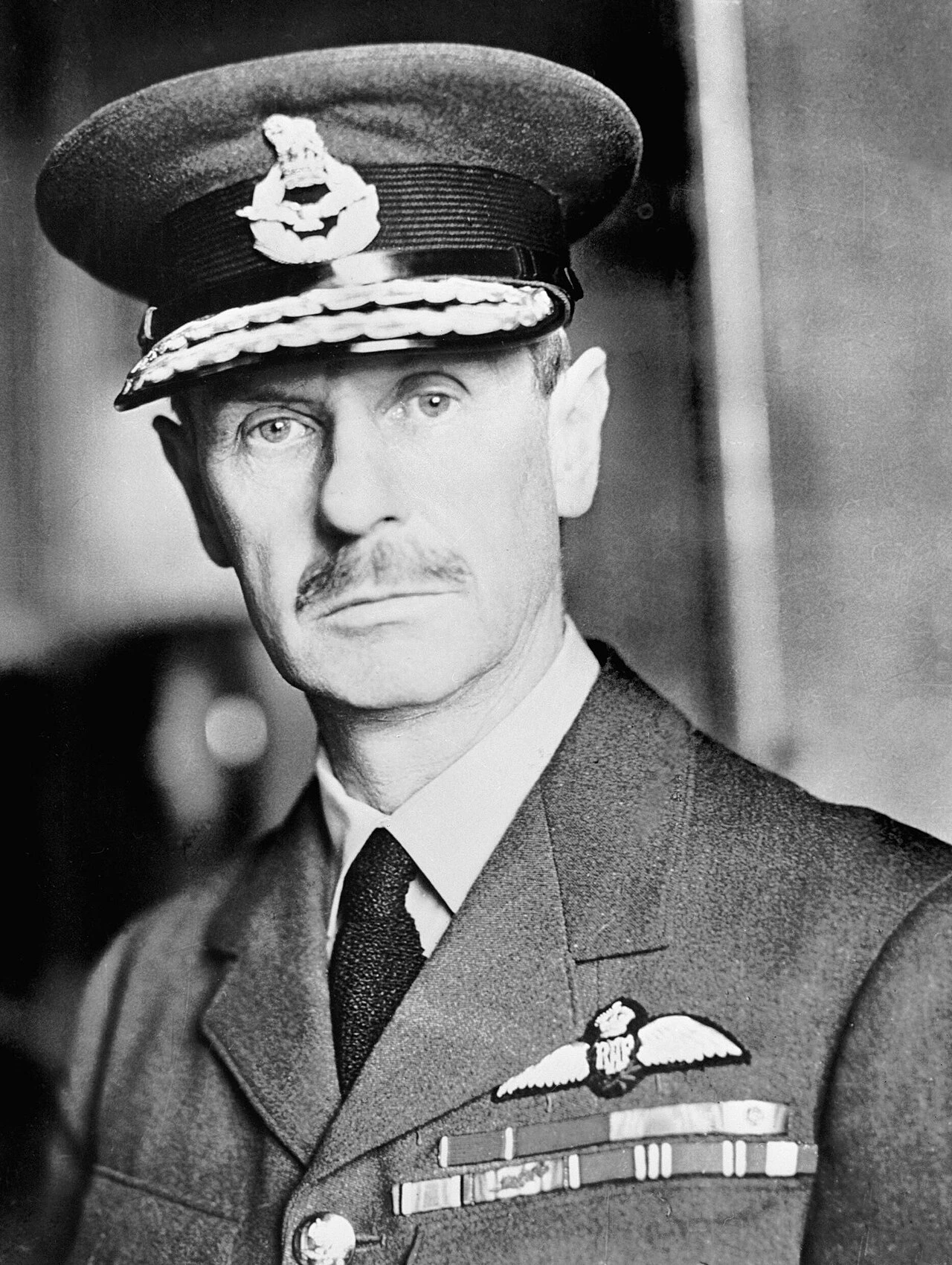
Chain Home — the Invisible Wall
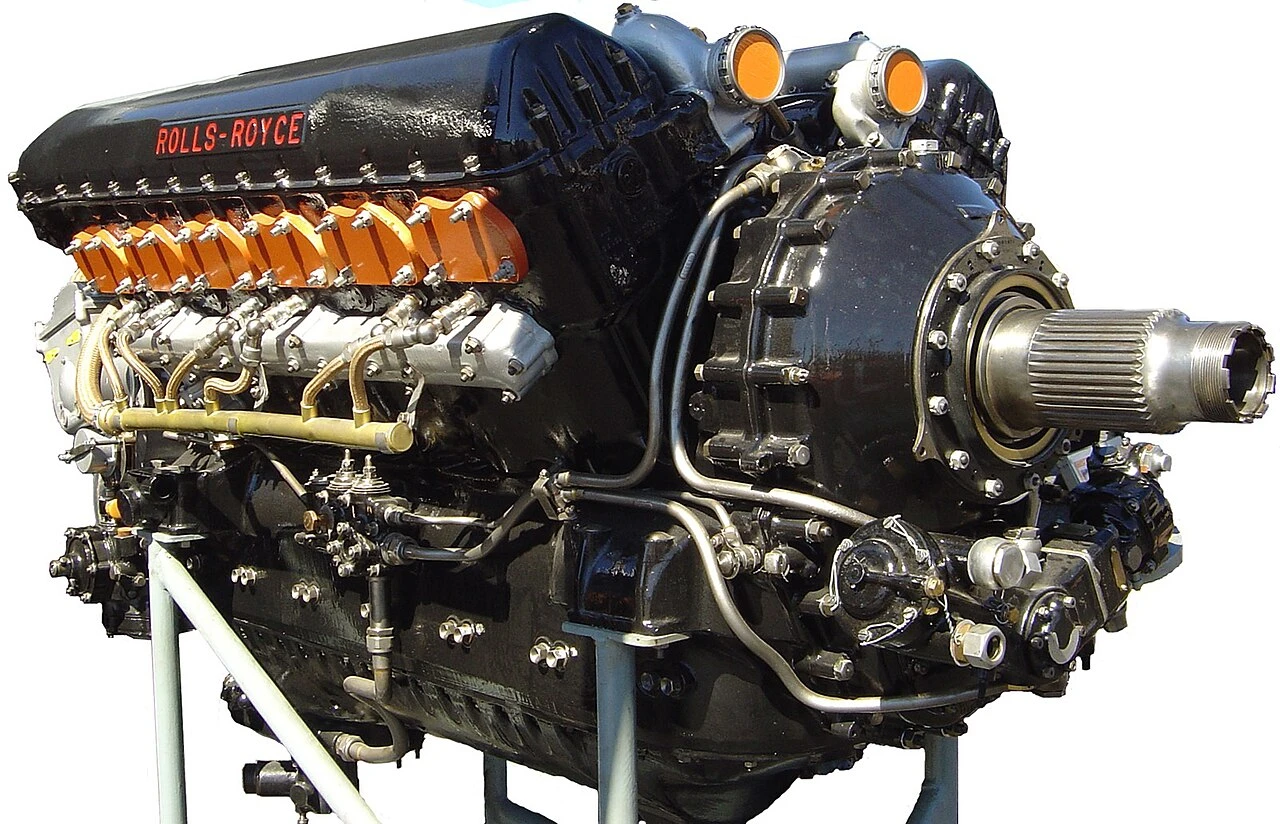
Car assembly lines for an aircraft engine
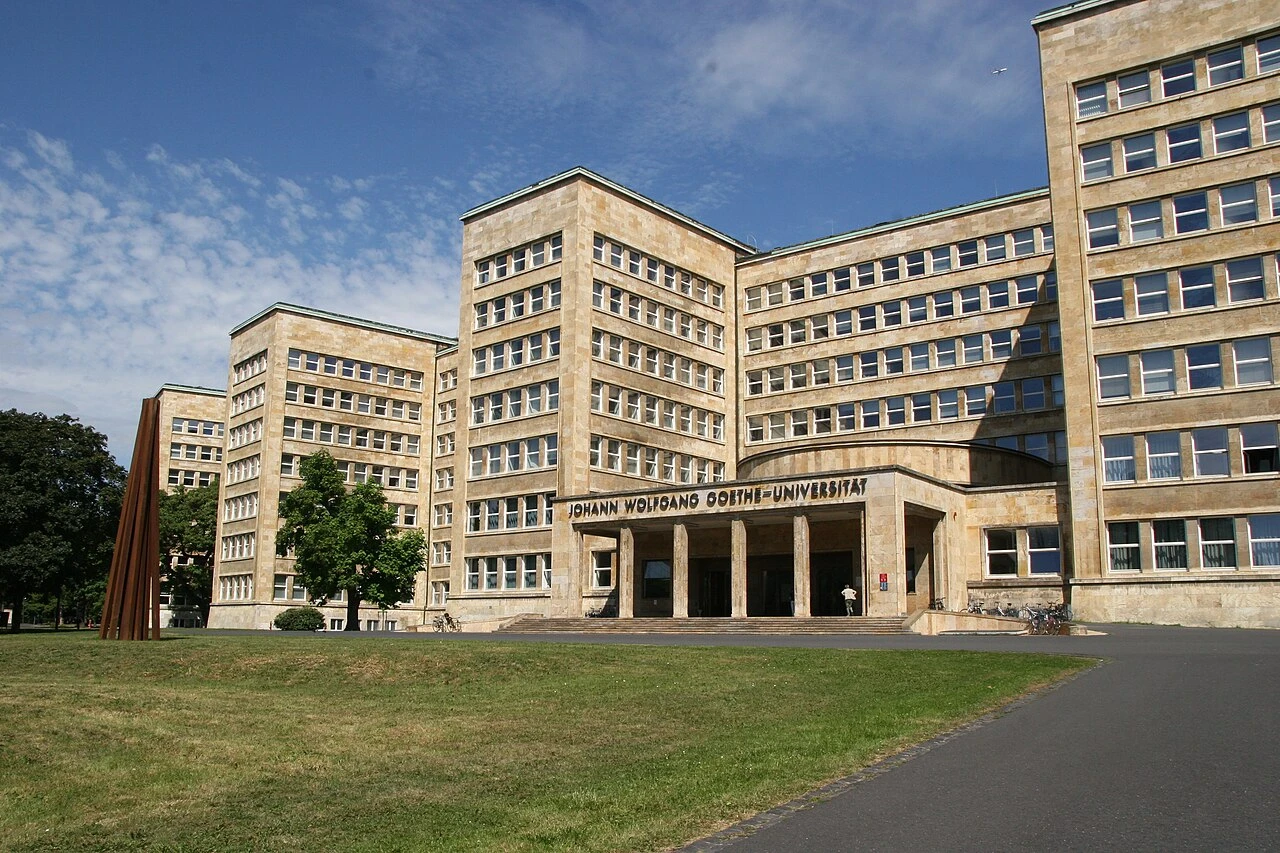
The Fourth Buna — Where to Site the Plant
The lattice of steel that defied mass production
Ouvry and the magnetic mine
The Shadow Factories
The Lutterworth Turbine
The Tizard Mission's Trunk for America
The Cambridge mathematician sworn to secrecy at Bletchley
Whittle, his jet engine and the rebellious combustion chamber
Chain Home — the Invisible Wall
Car assembly lines for an aircraft engine
The Fourth Buna — Where to Site the Plant
The lattice of steel that defied mass production